Aaron Lewis Guitar Lessons - 6 Country Songs For Acoustic Guitar

Welcome to my Aaron Lewis country guitar songs page, featuring acoustic guitar lessons for six songs from his solo country career. Each lesson includes a video demonstration, chord and lyric sheet, and complete tutorial showing you how I play the song on acoustic guitar.
These arrangements cover several different approaches, from straightforward country strumming to arpeggio patterns, descending chord progressions, riffs, hammer-ons and simplified lead work.
You'll also find the tuning, capo position, chords and rhythm details I use for each song, along with practical tips for putting the arrangement together.
🎸Watch the Aaron Lewis Guitar Lessons Overview
performance clips taken directly from the complete lesson videos.
Click Play, then drag the timeline to quickly preview any Aaron Lewis lesson featured on this page.
Note: Every arrangement has been personally created, recorded and taught by Kirby
using teaching methods refined through decades of acoustic guitar instruction.
What's Included With Every Lesson
📦 Your Lesson Package Includes
✓ 8–12 minute HD video lesson so you can learn each song step-by-step.
✓ Printable chords & lyrics PDF for easy practice away from the screen.

✓ Instant download—start playing in minutes.
✓ Learn at your own pace on any device.
New To Aaron Lewis?
Start with Everybody Talks To God for a straightforward four-chord arrangement with one relaxed rhythm pattern. From there, try God And Guns and Am I The Only One to work on rhythmic pauses, descending chord movement and combining arpeggio notes with strumming.
When you're ready for more detail, move into Someone and Sticks And Stones, where you'll add picking, bass notes, hammer-ons and riffs to the rhythm. Finish with The Road, which brings together riffs, bass-driven rhythm and a simplified acoustic lead break.
Aaron Lewis Guitar Lessons Included On This Page
Am I The Only One Guitar Lesson
Everybody Talks To God Guitar Lesson
God And Guns Guitar Lesson
Someone Guitar Lesson
Sticks And Stones Guitar Lesson
The Road Guitar Lesson
Am I The Only One - Learn To Play On Acoustic Guitar
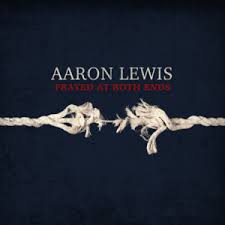
Am I the Only One was released by Aaron Lewis as a single in July 2021 and later included on his 2022 album Frayed at Both Ends. Lewis co-wrote the song with Ira Dean and Jeffrey Steele, building it around frustration with changes he felt were taking place in American culture and society.
The song generated considerable attention upon release and debuted at No. 1 on Billboard's Hot Country Songs chart. It also reached the Billboard Hot 100, giving Lewis one of the biggest chart successes of his solo country career.
Musically, the recording keeps the focus on Lewis's voice and acoustic-country delivery, while the direct and politically charged lyrics made the song both popular and controversial. It became a prominent part of Lewis's live performances and one of his most widely discussed solo recordings.
What You'll Learn From This Lesson
Aaron Lewis plays Am I the Only One with his guitar tuned down one fret and sings the song toward the higher end of D. In my arrangement, I stay in standard tuning and sing it at the lower end of D, which puts the vocal in a more comfortable range.
The chords are D, D/Db, Bm, Bm/A, G, D/Gb, Em, A7sus, A7, Bm/Ab and Bm/A#. Much of the chord movement descends through the progression, so getting those transitions smooth is an important part of making the arrangement flow naturally.
For rhythm, I use a combination of arpeggio picking and strumming. The pattern is 1-2-3, up-down-up-down-up, with the 1-2-3 representing individual arpeggio notes from the chord before moving into the strum. There is no lead work, although I do teach a riff in the middle of the song that adds some extra character to the arrangement.
Start by learning the chord progression and getting comfortable with the arpeggio-and-strumming combination. Once that is flowing smoothly, come back and add the riff in the middle of the song.
Guitar Lesson Details - (chords & lyrics sheet incl with lesson)
Back To Song List
Everybody Talks To God - Learn To Play On Acoustic
Guitar
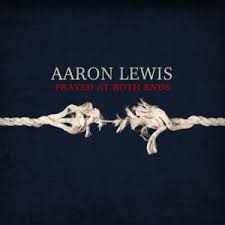
Everybody Talks To God was recorded by Aaron Lewis for his 2022 album Frayed at Both Ends. Written by Craig Monday and Chris Wallin, the song had reportedly been around Nashville for roughly two decades without being recorded before Lewis decided to cut it.
Built around a conversation between a man saying grace and a skeptical stranger, the song explores faith and the idea that circumstances can eventually cause anyone to reach out to God. Its reflective message fits naturally with the stripped-down, traditional country direction Lewis pursued on Frayed at Both Ends. “Everybody Talks To God” became one of the album's most recognizable tracks, helped by Lewis's acoustic performances of the song.
Following one televised performance, it climbed to No. 2 on the iTunes all-genre songs chart.
What You'll Learn From This Lesson
Everybody Talks To God is played in standard tuning using just four chords: G, D, C and Em. There is no lead work in my arrangement, although I do teach an opening riff along with a few hammer-ons that add some character to the acoustic sound.
For rhythm, I use a relaxed down-down-up-down-up-down-up pattern that repeats throughout the song. Keeping the strumming loose and steady is more important here than trying to put too much into the rhythm.
Start by learning the four chords and getting comfortable with the repeating strumming pattern. Once you can play through the progression smoothly, come back and add the opening riff and the occasional hammer-on. With only a few chords and one main rhythm pattern to manage, you can concentrate on keeping the accompaniment relaxed while supporting the vocal.
Guitar Lesson Details - (chords & lyrics sheet incl with lesson)
Back To Song List
God And Guns - Learn To Play On
Acoustic
Guitar
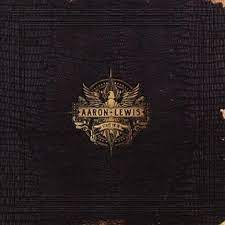
God and Guns appears on Aaron Lewis’s 2019 album State I’m In, his third full-length solo country album. Written by Lewis with country songwriter Bobby Pinson, the song combines two subjects that have appeared frequently in Lewis’s solo material: personal faith and individual freedom.
Produced by veteran Nashville producer Buddy Cannon, “God and Guns” fits the traditional country direction of State I’m In, an album that moved Lewis even further away from the heavier rock sound associated with Staind. The track was not one of the singles used to introduce the album, but its direct message and stripped-down country approach make it representative of the themes running throughout the record.
With acoustic guitar at its foundation, the song also translates naturally to a solo acoustic performance.
What You'll Learn From This Lesson
For God and Guns, I play in standard tuning with a capo on the 1st fret, which keeps the arrangement in the original key. The chords are Asus2, Em/A, E and D.
The rhythm has some space built into it, using a down – pause – up-down-up-down-up – pause pattern that repeats throughout the song. Those pauses are an important part of the feel, so rather than filling every beat with strumming, let the rhythm breathe as you move through the progression.
There is also a short melody lead break that I teach as part of the arrangement. Start by learning the four chords and getting comfortable with the rhythm, especially the timing of those pauses. Once the chord changes and strumming are settled, come back and work in the short melody break to complete the arrangement.
Guitar Lesson Details - (chords & lyrics sheet incl with lesson)
Back To Song List
Someone - Learn To Play On
Acoustic
Guitar

Someone appears on Aaron Lewis’s 2022 album Frayed at Both Ends and closes the standard 13-song edition of the record. Lewis co-wrote the song with Paul Barber and Matt McGinn, two of the songwriters he collaborated with during the making of the album.
The song is a heartfelt expression of gratitude for the person who remains beside you through life's successes, mistakes and difficult stretches. That personal message fits naturally with the deliberately stripped-down approach Lewis took on Frayed at Both Ends, where acoustic instrumentation and straightforward arrangements were used to keep the focus on the songs and lyrics.
“Someone” was not released as a major single, but its theme of loyalty and appreciation gives the album a reflective closing moment and makes it especially well suited to Lewis’s acoustic style.
What You'll Learn From This Lesson
For Someone, I play in standard tuning with a capo on the 2nd fret, which keeps the song in its original key of A while making the descending chord structure easier to play. The chords in my arrangement are Em, C, D and D/Gb.
This is normally a fingerpicked song, but I duplicate that feel by combining arpeggio notes with a down-up-down-up-down-up rhythm pattern. If you prefer to keep things simpler, you can also play the song using the rhythm pattern without adding the arpeggio notes. There is some lead picking in this slow ballad, including a break section that I cover in the lesson.
Start with the handful of chords and get comfortable with the repeating rhythm pattern. From there, add the arpeggio notes if you want to capture more of the fingerpicked feel, and then come back and work on the picking in the break section.
Guitar Lesson Details - (chords & lyrics sheet incl with lesson)
Back To Song List
Sticks And Stones - Learn To Play On
Acoustic
Guitar
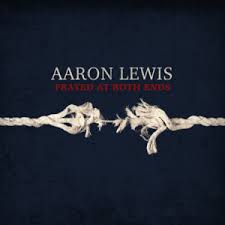
Sticks And Stones appears on Aaron Lewis’s 2022 album Frayed at Both Ends. Lewis co-wrote the song with Paul Barber and Matt McGinn, who also collaborated with him on other material for the album.
The song puts an adult twist on the familiar childhood saying that sticks and stones may break your bones, but words can never hurt you. Here, Lewis reflects on discovering that the opposite can be true when a relationship ends and a single word can cause more pain than any physical injury.
The acoustic-based arrangement and straightforward country production keep the focus on that message, fitting comfortably with the stripped-down character of Frayed at Both Ends. Although not one of Lewis’s major chart singles, “Sticks And Stones” showcases the reflective songwriting and traditional country direction of this stage of his solo career.
What You'll Learn From This Lesson
For Sticks And Stones, I play in standard tuning with a capo on the 2nd fret to stay in the original key. The chords are Am, C, G, F, Dm, E7 and E.
For rhythm, I use a repeating root-down-up-root-up-down-up pattern. There are also a few bass notes and hammer-ons worked into the rhythm in certain spots, along with several riffs that help give the arrangement some additional groove.
There is some lead work in this one as well, including a short picking section. Start by learning the chords and getting comfortable with the one repeating rhythm pattern. Once those are flowing smoothly, work in the occasional bass notes, hammer-ons and riffs. Finally, add the short picking section to complete the arrangement.
Guitar Lesson Details - (chords & lyrics sheet incl with lesson)
Back To Song List
The Road - Learn To Play On Acoustic Guitar
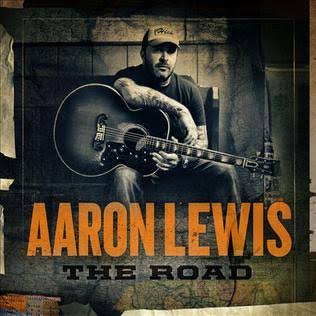
The Road is the title track from Aaron Lewis’s 2012 album The Road, his first full-length solo country album following the success of his 2011 EP Town Line. Written by Lewis, the song appears as the second track on the album and reflects the touring lifestyle that had been part of his career for many years.
Lewis explained that much of the album was written and recorded while he was touring, with the songs drawing from the experiences and emotions that came with life on the road. That makes the title track especially fitting for the record. Produced by Lewis and veteran Nashville producer James Stroud,
“The Road” helped showcase the acoustic and traditional country direction Lewis was pursuing outside of Staind. The song was not released as one of the album’s chart singles but remains an important part of his early solo country catalog.
What You'll Learn From This Lesson
For The Road, Aaron Lewis has his guitar tuned down one fret, which puts the song in Db even though he is using the chord shapes D, C and G. To reach the lower note used in the riff, the sixth string is also dropped, giving you the equivalent of a Drop D setup with the entire guitar tuned down one fret.
You don't necessarily need to tune your entire guitar down to play my arrangement. You can stay in standard tuning, although you'll be playing and singing the song a little higher than the original recording. Since the vocal already sits quite low, standard tuning may actually be the more comfortable choice for some singers.
A short descending intro riff leads into the main rhythm, which I play using a repeating root-down-up-bass-up-down-up pattern. There are several riffs worked into the song, along with a fairly heavy electric guitar lead break in the original recording. For my acoustic arrangement, I simplify that lead section into something more practical for one acoustic guitar.
Start with the three basic chords and get comfortable with the repeating rhythm pattern. Then add the intro and other riffs, and finally work on my simplified acoustic lead break — or use that section as an opportunity to create a lead break of your own.
Guitar Lesson Details - (chords & lyrics sheet incl with lesson)
Back To Song List
Aaron Lewis Guitar Lessons FAQ
What is the easiest Aaron Lewis song to play on guitar?
Everybody Talks To God is a good place to start because my arrangement uses only four chords — G, D, C and Em — with one relaxed repeating strumming pattern. Once the basic rhythm is comfortable, you can add the opening riff and a few hammer-ons.
What tuning do I need for these Aaron Lewis guitar lessons?
Most of the arrangements on this page can be played in standard tuning, although Aaron Lewis sometimes uses lower tunings. The Road is a good example: Lewis tunes his guitar down one fret and also uses the lower sixth string for the riff, while my lesson explains how you can keep the guitar in standard tuning if you'd rather play and sing the song slightly higher.
Do I need a capo to play Aaron Lewis songs?
It depends on the song. My arrangements for God And Guns, Someone and Sticks And Stones use a capo to stay in the original key or make the chord structure easier to play. Other songs on the page don't require one.
What strumming patterns will I learn in these Aaron Lewis lessons?
The rhythms vary from song to song. You'll work with relaxed down-and-up strumming, root-and-bass patterns, rhythmic pauses and combinations of arpeggio notes with strumming. Learning these different approaches helps each arrangement retain its own acoustic character rather than using the same generic strum for every song.
Do these Aaron Lewis guitar lessons include riffs and lead work?
Yes. Several arrangements include riffs, hammer-ons, bass-note embellishments or picking sections. The Road also includes a simplified acoustic version of the heavier electric lead break from the recording, while God And Guns includes a short melody lead break.
Which Aaron Lewis song should I learn first?
Start with Everybody Talks To God to get comfortable with a simple four-chord arrangement and one repeating rhythm. From there, God And Guns and Am I The Only One introduce additional rhythmic ideas before Someone, Sticks And Stones and The Road add more picking, riffs and lead work.
I hope these Aaron Lewis country guitar songs give you several new acoustic arrangements to add to your playing. With six lessons covering everything from straightforward rhythm patterns and descending chord progressions to arpeggios, riffs, hammer-ons and simplified lead work, there's plenty here to help you explore the acoustic side of Aaron Lewis's country music.
Take your time with each arrangement, learn the chords and rhythm first, and then add the riffs, picking and other details as you become comfortable with the song. Whether you're playing these songs for yourself or singing along, the goal is to build each one into a complete acoustic performance you can enjoy playing from beginning to end.
If you liked this Aaron Lewis country guitar songs page, you might like ... (click images)


Home Page
Very Easy Country Guitar Songs

Kirby Swinemar is an acoustic guitar instructor, performer and song arranger who has taught online for 21 years and created more than 4,000 original acoustic guitar lessons. He specialises in song-based acoustic guitar instruction, rhythm guitar techniques, and creating full-sounding solo arrangements that help beginner and intermediate players move beyond basic strumming.
Explore his work at Kirby's Guitar Lessons and on social media on his social media YouTube Channel and his Facebook Page. Learn more about Kirby on his About Me page.
Latest 100 Tutorials
© 2019–2026 KirbysGuitarLessons.com — All Rights Reserved