Vegas Cabaret, Swing & Showpieces Guitar Lessons
(Page Updates Coming)

Welcome to our Vegas Cabaret, Swing & Showpieces collection, where you'll discover the unforgettable music that brought excitement, personality, and theatrical flair to the Las Vegas stage.
From roaring twenties classics and big-band swing to lively novelty songs and spectacular showroom performances, these easy acoustic guitar lessons celebrate the entertainers who made every performance an event.
🎸 Preview the Vegas Cabaret, Swing & Showpieces Collection
performance clips taken directly from the complete lesson videos.
Click Play, then drag the timeline to preview any song featured below.
Note: Every arrangement has been personally created, recorded and taught by Kirby
using teaching methods refined through decades of acoustic guitar instruction.
What's Included With Every Lesson
📦 Your Lesson Package Includes
✓ 8–12 minute HD video lesson
✓ Printable chords & lyrics PDF

✓ Instant download after purchase
✓ Learn at your own pace on any device
Vegas Cabaret, Swing & Showpiece Guitar Songs
1920s Medley - Ain’t She Sweet - Bye Bye Blackbird - Five Foot TwoDavid Lee Roth - Just A Gigolo - That's Life
Pat Boone - Gone Fishin - Moody River - Speedy Gonzales
Sammy Davis Jr - The Candyman
Sol Bloom - The Streets Of Cario
🎁 Watch a Free Performance Demo
Scroll down to check out a completely free demo on EngelDavid Lee Roth's “Just A Gigolo”.1920's Medley - Various - Learn To Play On Acoustic Guitar

This 1920s Medley brings together three beloved standards from the Jazz Age—"Ain't She Sweet," "Bye Bye Blackbird," and "Five Foot Two, Eyes of Blue"—in a single acoustic guitar arrangement celebrating the music of the Roaring Twenties.
Originally published between 1924 and 1927, these timeless songs became staples of vaudeville, early jazz, dance bands, and later Las Vegas-style revues.
Over the decades they have been recorded by countless artists, including Gene Austin, Al Jolson, Frank Sinatra, Dean Martin, Benny Goodman, and The Beatles (who famously recorded "Ain't She Sweet" in 1961). This medley captures the cheerful melodies and nostalgic charm of an era that continues to inspire performers and audiences around the world.
1920's Medley Chords And Strumming
Play a root down root up down up for the rhythm throughout this one in standard tuning. A bit of picking in here with the chords C, B7, A7, D7, G7, G#7, G, E7, C7, F, Fdim, Gm, F7, D#, D7, A# and an A7.
Guitar Lesson Details - (chords & lyrics sheet incl with lesson)
Back To Song List
David Lee Roth Songs - Learn To Play On Acoustic Guitar
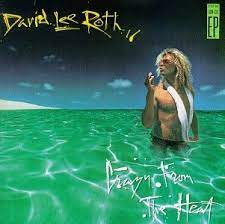
Just a Gigolo / I Ain't Got Nobody was recorded by David Lee Roth in 1985 and appeared on his debut solo EP Crazy from the Heat. Produced by Ted Templeman, the energetic medley revived two classic songs that had been popularized decades earlier, most famously by Louis Prima, whose Las Vegas performances made the combination a showroom favorite.
Roth's version reached the Top 20 on the Billboard Hot 100 and became one of the biggest music videos of the MTV era, blending comedy, swing, rock, and theatrical showmanship.
Its over-the-top performance style paid tribute to the spirit of classic Vegas entertainment while introducing a new generation to one of the city's most iconic musical traditions.
Just A Gigolo Chords And Strumming
For this number I play a down up down up with walking bass for a rhythm pattern but no lead required in standard tuning. The chords here are G, Am, D7, Gmaj7, G6, Edim, D, F, E7, Cm, Gb, E, A7 and a Dsus.
Guitar Lesson Details - (chords & lyrics sheet incl with lesson)
Back To Song List
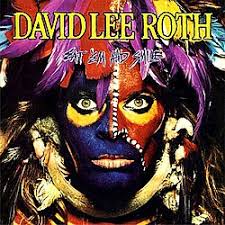
That's Life was recorded by David Lee Roth in 1986 and appeared on his album Eat 'Em and Smile. Originally made famous by Frank Sinatra, the classic standard was transformed by Roth into a lively big-band rocker that blended swing, brass, and his unmistakable stage personality.
Although it was not released as a major U.S. single, the recording became a fan favourite through Roth's energetic live performances and humorous music video, which celebrated the glitz and spectacle of classic Las Vegas entertainment. Inspired by the music he grew up hearing, Roth paid tribute to the great Vegas showmen while adding his own tongue-in-cheek style.
Today, the song remains one of the most entertaining and unexpected recordings in his solo catalogue.
That's Life Chords And Strumming
This one is played with a capo on the 2nd fret down up down up down and repeat rhythm pattern as well as a steady down up down up and repeat pattern. No lead here in standard tuning with the chords G, Em, Am7,D7, B7, A7, D, G7, G#, D#, C7, Fm, A#m, B, E, Eb, G#7.
Guitar Lesson Details - (chords & lyrics sheet incl with lesson)
Back To Song List
Pat Boone Songs - Learn To Play On Acoustic Guitar
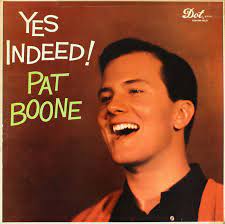
Gone Fishin' was recorded by Pat Boone in 1960 and appeared on his album Moonglow. Written by Nick Kenny and Charles Kenny, the lighthearted novelty song became widely known after the classic Bing Crosby and Louis Armstrong duet released in 1951.
Boone's relaxed interpretation paid tribute to the earlier recording while showcasing his warm, easy-listening vocal style. Although his version did not become a major chart hit, it was a natural fit for his wholesome image and frequently appeared in his television performances and live shows.
Today, "Gone Fishin'" remains a charming reminder of the carefree pop standards and family entertainment that helped define the early Las Vegas showroom era.
Gone Fishin' Chords And Strumming
You can play this one in standard tuning with some lead required with the chords D, E7, A7, A#, G, Gm, B7, D7 and a C7 with a root up down up and repeat rhythm pattern.
Guitar Lesson Details - (chords & lyrics sheet incl with lesson)
Back To Song List
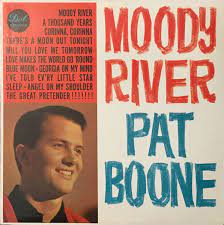
Moody River was recorded by Pat Boone in 1961 and appeared on his album Moody River. Written by Gary D. Bruce, the emotional ballad became one of Boone's biggest career successes, reaching No. 1 on the Billboard Hot 100, where it replaced Ricky Nelson's hit "Travelin' Man."
Although no official music video was produced, Boone performed the song frequently on television variety shows, helping it become one of his signature recordings. Its memorable melody, heartfelt lyrics, and polished vocal performance perfectly complemented Boone's smooth pop style.
More than sixty years later, "Moody River" remains one of the defining recordings of his career and a classic of the early 1960s easy-listening era.
Moon River Chords And Strumming
I play a capo 2nd fret on this one in standard tuning and with just a riff throughout. Play a root up down up up down up and repeat rhythm pattern with the chords G, Em, G7, C and a B7.
Guitar Lesson Details - (chords & lyrics sheet incl with lesson)
Back To Song List
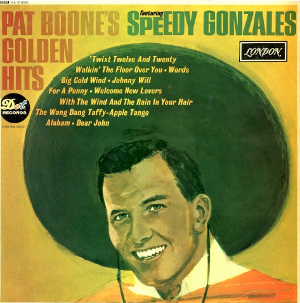
Speedy Gonzales was released by Pat Boone in 1962 and became one of the biggest novelty hits of his career. Written by Buddy Kaye, Ethel Lee, and David Hess, the song reached No. 6 on the Billboard Hot 100 and enjoyed even greater success in several international markets.
Boone's recording featured Mel Blanc, the legendary voice actor behind the Warner Bros. cartoon character Speedy Gonzales, providing the humorous spoken interjections heard throughout the song. With its catchy melody, playful storytelling, and theatrical performance, the recording showed a lighter side of Boone's polished pop style.
"Speedy Gonzales" became an enduring international favorite and remains one of the most instantly recognizable recordings in his catalogue.
Speedy Gonzalas Chords And Strumming
This one I play with a capo on the 4th fret with a down down down up down up - up up down up down up and repeat rhythm pattern. A small bit of picking in this one with the chords G, Em, C and a D.
Guitar Lesson Details - (chords & lyrics sheet incl with lesson)
Back To Song List
Sammy Davis Jr Songs - Learn To Play On Acoustic Guitar
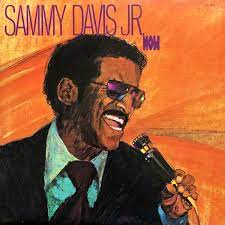
The Candy was recorded by Sammy Davis Jr. in 1972 and appeared on his album Sammy Davis Jr. Now. Originally written by Leslie Bricusse and Anthony Newley for the 1971 film Willy Wonka & the Chocolate Factory, the song was first performed in the movie by Aubrey Woods, who played the candy shop owner, Bill.
Although Davis was initially skeptical about recording the cheerful novelty tune, it became the biggest hit of his music career, reaching No. 1 on the Billboard Hot 100 and No. 1 on the Adult Contemporary chart. The song remains one of his signature recordings and is closely associated with his vibrant Las Vegas stage performances.
In 2014, Barry Manilow paid tribute by creating a virtual duet with Davis using the original vocal track for his album My Dream Duets.
The Candy Man Chords And Strumming
I play this one in standard tuning with no lead required and a root up down up and repeat rhythm pattern. The chords here are Em, A7, D, Adim, A7, Bm, Bm/A#, Bm/A, Bm/Ab, Esus, E, A7sus, G, Ddim, Db7 and a Gbm.
Guitar Lesson Details - (chords & lyrics sheet incl with lesson)
Back To Song List
Sol Bloom Songs - Learn To Play On Acoustic Guitar
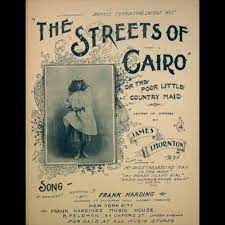
The Streets Of Cario (or the Poor Little Country Maid)," commonly known today as the "Arabian Riff" or "Snake Charmer Song," became famous after Sol Bloom popularized it during the 1893 World's Columbian Exposition in Chicago.
Although Bloom often claimed authorship, the melody is widely believed to have been inspired by traditional Middle Eastern musical themes. Over the decades, the catchy tune has become one of the most recognizable melodies in popular culture, appearing in films, cartoons, television, circuses, and stage productions around the world.
Its mysterious, exotic sound made it a natural fit for theatrical performances and novelty acts, and it remains closely associated with the colourful spectacle of vaudeville, cabaret, and classic show business entertainment.
The Streets of Cario Chords And Strumming
I play a cap 2nd fret here in standard tuning with some lead and a root down root down and also root up down up and repeat rhythm pattern. For chords play a Dm, Am, A7, C7 and an F.
Guitar Lesson Details - (chords & lyrics sheet incl with lesson)
Back To Song List
About These Arrangements
- Every lesson features Kirby's own acoustic arrangement.
- Lessons are designed for solo acoustic guitar.
- Each download includes an HD MP4 lesson and printable PDF.
- All preview videos on this page demonstrate the actual arrangement taught in the lesson.
FAQ
1. What is included?
Each purchase includes a zip file
containing an .mp4 video file approx (8-12 min) depending on the song
... Intro to the song, the lesson of my arrangement and a demo of me
playing the song from start to finish)
2. Can I watch on iPad?
Yes all videos are .mp4 video format which can be played universally on most devices including IPads.
3. Can I print the PDF?
Yes
4. Instant download?
Yes
links are automatically sent to your email after purchase ... download
the file within 24hrs of receiving as the download link expires after
that time ... one you have the file download, it never expires.
Thanks for exploring our Vegas Cabaret, Swing & Showpieces collection. These songs celebrate the theatrical side of Las Vegas entertainment, where humour, swing, personality, and unforgettable stage performances combined to create some of the city's most memorable moments.
When you're ready to discover even more Vegas-inspired guitar lessons, explore our other collections featuring lounge standards, pop headliners, and legendary showroom entertainers. Together they showcase the rich musical heritage that has made Las Vegas one of the world's great entertainment capitals. Enjoy the music—and happy playing!
Explore More Vegas style songs ... (click images)
Las Vegas Guitar Songs And Showroom Classics
Latest 100 Tutorials
© 2019–2026 KirbysGuitarLessons.com — All Rights Reserved