Best Rolling Stones Guitar Songs
Explore this collection of classic Rolling Stones guitar songs arranged for acoustic players.

These 19 lessons cover timeless hits like “Brown Sugar,” “Miss You,” and “Jumpin’ Jack Flash.”
Whether you're a seasoned fan or just getting into the Stones, you'll find simplified chords, strumming tips, and full demo videos to help you master each track.
Don't forget to explore the additional 9 lessons from the link below.
🎸 Overview Video - “Best Rolling Stones Guitar Songs”
Watch this short overview to hear snippets from every Rolling Stones arrangement
featured on this page before exploring the individual lessons below.
Rolling Stones Guitar List
Beasts Of Burden
Brown Sugar
Evening Gown (Jagger)
Everybody Needs Somebody To Love
Good Times Bad Times
Honky Tonk Woman
It's All Over Now
Jumpin Jack Flash
Lady Jane
Miss You
Out Of Control
Out Of Time
Paint It Black
Ruby Tuesday
The Last Time
Time Is On My Side
Under My Thumb
You Can't Always Get What You Want
🎁 Free Lesson Preview
Scroll down to check out a completely free demo on Rolling Stone’s “Out Of Control”.As Tears Go By - Learn To Play On Guitar
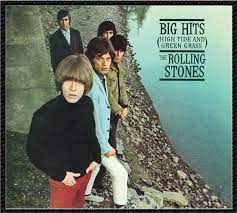
As Tears Go By is a song by The Rolling Stones, released in 1964 and written by Mick Jagger, Keith Richards, and Rolling Stones' manager Andrew Loog Oldham. The song was originally written for Marianne Faithfull, who recorded the original version a few months before The Rolling Stones released their own version.
"As Tears Go By" became a hit in the UK and helped establish The Rolling Stones as a more versatile and mature band. It has since become a classic song and has been covered by many artists over the years, including Nancy Sinatra and The Damned.
The track can be found on their Right Tide And Green Grass album.
Chords And Strumming
Played in standard tuning with a 1-2 down up down up down up and repeat rhythm pattern where 1-2 is arpeggio notes of the chord. Some lead required with the chords G, A, C, D, D/Gb and Em.
Guitar Lesson Details - (chords & lyrics sheet incl with lesson)
Back To Song List
Beasts Of Burden - Learn To Play On Guitar
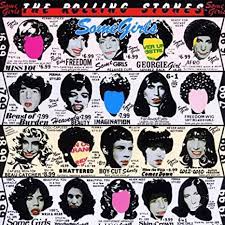
Beasts Of Burden is an iconic song by The Rolling Stones, released on September 9, 1978, as part of their "Some Girls" album. Written by Mick Jagger and Keith Richards, the song explores themes of emotional burden and personal struggle. In the song, "beasts of burden" symbolize people carrying emotional or psychological weight.
The inspiration for the song, as suggested by Richards, was the band's personal struggle with fame, expectations, and personal burdens. T
Chords And Strumming
No lead here just the riff and played in standard tuning. Play just a steady down up down up up up and repeat rhythm pattern and some down-strokes with the chords E, Db, A, E/Ab and B.
Guitar Lesson Details - (chords & lyrics sheet incl with lesson)
Back To Song List
Brown Sugar - Learn To Play On Guitar
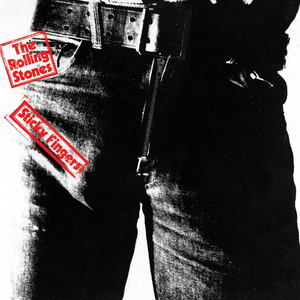
Brown Sugar is one of The Rolling Stones’ most iconic and controversial rock songs, released as the lead single from their 1971 album Sticky Fingers.
Written primarily by Mick Jagger, with input from Keith Richards, the song blends gritty blues-rock guitar riffs with provocative lyrics, and it quickly became a major hit for the band.
The song went to #1 in the US and #2 in the UK.
Chords And Strumming
This one I play with a capo 3rd fret but it is pretty high to sing in that key for me. No lead with the chords A, D, E, E7, C, F and a G and played in standard tuning (in my version). You can play a down up down up rhythm or play all down strokes or play a combo of the two, which is what I do here.
Guitar Lesson Details - (chords & lyrics sheet incl with lesson)
Back To Song List
Evening Gown - Learn To Play On Guitar
Evening Gown ... info soon.
Back To Song List
Everybody Needs Somebody To Love - Learn To Play On Guitar
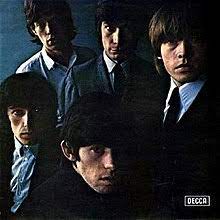
Everybody Needs Someone To Love was recorded by The Rolling Stones and originally written by Bert Berns, Solomon Burke, and Jerry Wexler. The song was included on The Rolling Stones' 1965 album "The Rolling Stones No. 2."
The song has been used in several films and TV shows, including "The Blues Brothers," where it was performed by the film's stars, John Belushi and Dan Aykroyd.
In addition to its musical qualities, "Everybody Needs Somebody To Love" is notable for being one of the first songs to feature Keith Richards on lead guitar.
Chords And Strumming
Another one in standard tuning with a down down down down down down down up down up and repeat rhythm pattern but no lead. Play the chords E, A, D and a Dbm.
Guitar Lesson Details - (chords & lyrics sheet incl with lesson)
Back To Song List
Good Times Bad Times - Learn To Play On Guitar
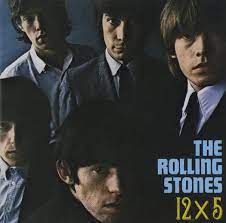
Good Times Bad Times is often overshadowed by the famous Led Zeppelin song of the exact same name,
This track is actually an early Jagger/Richards original found on the US album 12 X 5 (1964). It was released as the B-side to their hit single "It's All Over Now" and did not chart individually.
The track is a stripped-back, acoustic blues number that offers a raw look into the band’s developing songwriting partnership. It captures a melancholic folk vibe that contrasts sharply with the high-energy electric R&B covers they were churning out during that era.
Chords And Strumming
I play down up down up down down up down up down and repeat rhythm pattern here in standard tuning and some lead. The chords here are C, G, F, G7, Adim and Fm.
Guitar Lesson Details - (chords & lyrics sheet incl with lesson)
Back To Song List
Honky Tonk Woman - Learn To Play On Guitar
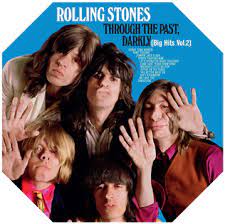
Honky Tonk Woman is a classic rock and roll song by The Rolling Stones, released as a single in 1969. The song was written by Mick Jagger and Keith Richards.
The song was a massive commercial success, reaching No. 1 on the charts in both the United States and the United Kingdom. It has since become one of The Rolling Stones' most famous and beloved hits, and remains a staple of classic rock radio to this day.
In addition to its musical qualities, "Honky Tonk Women" is notable for being one of the first songs to feature Mick Taylor on guitar, who had recently replaced Brian Jones in the band.
This one hails from the album "Through The Past Darkly Big Hits Vol 2".
Chords And Strumming
Played with mainly down strokes with a few riffs, then a down up down down up down up rhythm pattern for the chorus. i play this one on drop D tuning with some lead and the chords G, C, A and D.
Guitar Lesson Details - (chords & lyrics sheet incl with lesson)
Back To Song List
It's All Over Now - Learn To Play On Guitar
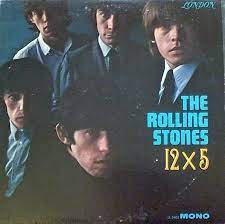
It's All Over Now was originally written and recorded by Bobby Womack. The Rolling Stones' version was released in 1964 as a single and appeared on their album "12 x 5."
The song speaks of a failed romance and the pain of heartbreak. Mick Jagger's vocals perfectly capture the emotional weight of the lyrics, making the song a fan favorite and a classic example of the early rock and roll sound.
The Rolling Stones' version of "It's All Over Now" was a commercial success, reaching the top ten on the charts in both the United States and the United Kingdom.
Over the years the song has been covered by numerous artists, including The Grateful Dead, Rod Stewart, and The Dirty Dozen Brass Band.
Chords And Strumming
The chords are G. F. C and D in standard tuning with some lead and a root down up down up down up and repeat rhythm pattern.
Guitar Lesson Details - (chords & lyrics sheet incl with lesson)
Back To Song List
Jumpin Jack Flash - Learn To Play On Guitar
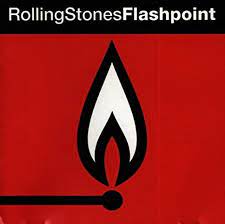
Jumpin Jack Flash marked a pivotal return to raw rock and roll after their psychedelic experiments,
Jumpin' Jack Flash was released as a non-album single in 1968. It soared to #1 in the UK and #3 in the US. The song's driving riff is iconic, but the inspiration was surprisingly domestic: the "Jack" in the title refers to Keith Richards' gardener, Jack Dyer, whose loud rubber boots woke Mick Jagger up one morning.
Aretha Franklin recorded a blistering soul cover for the 1986 film Jumpin' Jack Flash, starring Whoopi Goldberg, bringing the song back to the charts decades later.
Chords And Strumming
I play a capo 2nd fret here in standard tuning and use mainly down strokes for the rhythm pattern. Some lead with the chords A, C, G and D.
Guitar Lesson Details - (chords & lyrics sheet incl with lesson)
Back To Song List
Lady Jane - Learn To Play On Guitar
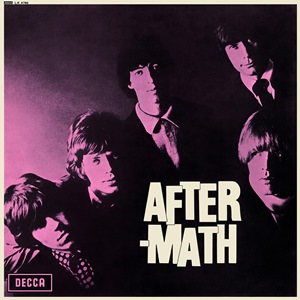
Lady Jane is featured on the groundbreaking 1966 album Aftermath,
Lady Jane showcases the band's softer, baroque-pop capabilities. It reached #24 in the US, charting surprisingly high for a B-side (backing "Mother's Little Helper"). The track is a testament to the multi-instrumental genius of Brian Jones, who plays the Appalachian dulcimer, giving the song its distinct Elizabethan, medieval sound.
Rumors have long persisted that the lyrics refer to historical figures like Lady Jane Grey or Henry VIII's wives, adding a layer of historical mystique to this sophisticated ballad.
Chords And Strumming
This song is mainly played as arpeggio notes with the chords D, C, G, E/Ab, Am and a D/Gb. A little picking in this one in standard tuning.
Guitar Lesson Details - (chords & lyrics sheet incl with lesson)
Back To Song List
Miss You - Learn To Play On Guitar
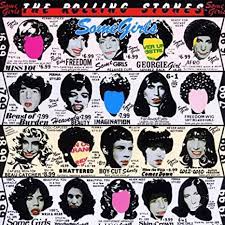
Miss You was released in 1978 from the Stones album "Some Girls." The song was written by Mick Jagger and features him on lead vocals, with a disco-influenced rhythm section and a prominent harmonica solo by Sugar Blue.
Despite some initial skepticism from fans, the song became a massive hit and reached No. 1 on the US Billboard Hot 100 chart.
"Miss You" remains one of the Rolling Stones' most popular songs and is often included in their live performances. It has also been covered by numerous artists over the years, including Tina Turner and Eric Clapton.
Chords And Strumming
The chords in this one are Am, Dm, F, Em and E with a steady shuffle pattern for rhythm and some riffs in standard tuning.
Guitar Lesson Details - (chords & lyrics sheet incl with lesson)
Back To Song List
Out Of Control - Learn To Play On Guitar
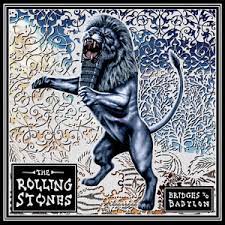
Out Of Control from the Rolling Stones was released in 1998 on their album "Bridges to Babylon." The song was written by Mick Jagger and Keith Richards.
"Out of Control" is a hard-driving rock song with a powerful rhythm section.
It has been performed live by the Rolling Stones numerous times, and a live version was included on their 1998 concert film "Bridges to Babylon Tour '97–98."
The song peaked at #51 in the UK and #12 in Poland.
Chords And Strumming
I play a capo 2nd fret in standard tuning here with down strokes for rhythm. Some lead with the chords Am, F, G, E7 and a C.
Guitar Lesson Details - (chords & lyrics sheet incl with lesson)
Back To Song List
Out Of Time - Learn To Play Guitar
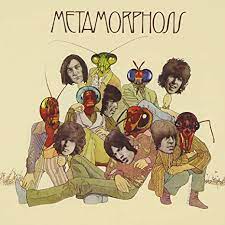
Out Of Time is a song by the Rolling Stones, released in 1975 on their album "Metamorphosis." The song was originally recorded during the sessions for their 1966 album "Aftermath," but it was not included on the album.
"Out of Time" is a mid-tempo ballad with a soulful, R&B-inspired sound. The song was written by Mick Jagger and Keith Richards and features a prominent horn section and backing vocals by the Sweet Inspirations.
The song has been covered by several artists over the years, including Chris Farlowe, who had a hit with his version in the UK in 1966.
Chords And Strumming
Play a down down up down up down up and repeat rhythm pattern in standard tuning. Some lead here with the chords G, D/Gb, C, D and an Em.
Guitar Lesson Details - (chords & lyrics sheet incl with lesson)
Back To Song List
Paint It Black - Learn To Play Guitar
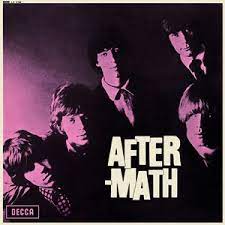
Paint It Black, with one of the most ominous riffs in rock history, reached #1 in both the US and UK in 1966.
It appears on the US version of the album Aftermath. The track is defined by Brian Jones's innovative use of the sitar, marking the first time a #1 hit featured the Indian instrument. The song became inextricably linked to the Vietnam War in pop culture after being used as the opening theme for the TV series Tour of Duty.
Trivia buffs note the original release was titled "Paint It, Black," a typo by the record label that the band detested.
Chords And Strumming
The chords here are Dm, A7, C, F and A7/A# in standard tuning. Some lead with a down up down up down up and repeat rhythm pattern.
Guitar Lesson Details - (chords & lyrics sheet incl with lesson)
Back To Song List
Ruby Tuesday - Learn To Play Guitar
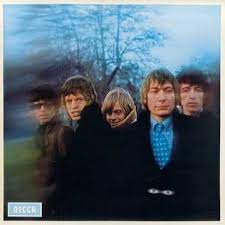
Ruby Tuesday was released as a double A-side single with "Let's Spend the Night Together" in 1967,
The track hit #1 in the US and #3 in the UK. It is featured on the American version of Between the Buttons.
The song represents the softer, baroque side of the band, with Brian Jones playing the recorder rather than a guitar. Keith Richards wrote the lyrics about his girlfriend, Linda Keith, who had left him to date Jimi Hendrix.
The song was later covered by folk singer Melanie in 1970, whose version also became a significant Top 40 hit.
Chords And Strumming
For rhythm play a down down down up down up and repeat rhythm pattern with a capo 1st fret in standard tuning but no lead. For chords play an Am, Am/G, F, G, C, Gsus, D7, G7 and A#.
Guitar Lesson Details - (chords & lyrics sheet incl with lesson)
Back To Song List
The Last Time - Learn To Play On Guitar
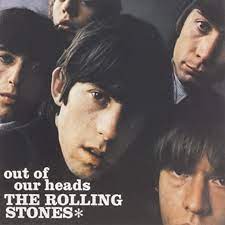
The Last Time was a 1965 single and later included on their album "Out of Our Heads."
"The Last Time" is a classic example of the Rolling Stones' early rock and roll sound. The lyrics describe a man warning his partner that he will not tolerate her infidelity any longer, and the sense of urgency and determination in Jagger's vocals add to the song's power and intensity.
"The Last Time" was a major hit for the Rolling Stones, reaching No. 1 in the UK and No. 9 in the US. It has since become one of the band's most beloved and enduring songs, and has been covered by numerous artists over the years.
Chords And Strumming
The three chords here are E, D and A in standard tuning with some lead. Play a root down root up down up rhythm pattern with some riffs.
Guitar Lesson Details - (chords & lyrics sheet incl with lesson)
Back To Song List
Time Is On My Side - Learn To Play On Guitar
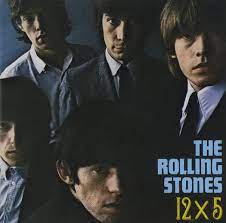
Time Is On My Side was originally recorded by the jazz trombonist Kai Winding in 1963 and later covered by the Stones in 1964 for their album "12 x 5." The song was written by Jerry Ragovoy, under the pseudonym of Norman Meade.
"Time Is on My Side" was a moderate hit for the Rolling
Stones, reaching No. 6 on the US Billboard Hot 100 chart. This single did not chart in the UK market.
The song has been covered by numerous artists over the years, including Irma Thomas, the Moody Blues, and the Who.
Chords And Strumming
A down down down up down up down and repeat rhythm pattern will work here with a capo 3rd fret in standard tuning. Some lead with the chords G, Bm, E, A and D.
Guitar Lesson Details - (chords & lyrics sheet incl with lesson)
Under My Thumb - Learn To Play On Guitar
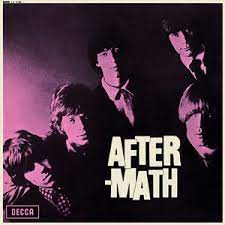
Under My Thumb was created by the Rolling Stones way back in 1966 when it was part of their album called "Aftermath."
Even though it wasn't released as a single in the UK or US, it's still one of the most loved songs by the Rolling Stones. It has a long history of being performed live and is very important culturally.
Mick Jagger and Keith Richards, who started the Rolling Stones and wrote most of their songs, wrote this song together.
Chords And Strumming
Some lead here with the chords Gbm, E, D, A and B7 in standard tuning. I play a down down up down up down up and repeat rhythm pattern for this number.
Guitar Lesson Details - (chords & lyrics sheet incl with lesson)
You Can't Always Get What You Want - Learn To Play On Guitar
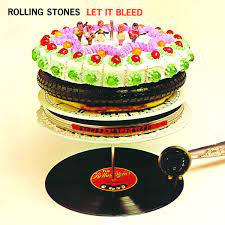
You Can't Always Get What You Want closed out the classic 1969 album Let It Bleed,
This number is an ambitious anthem that famously begins with the voices of the London Bach Choir. Although it was originally released as the B-side to "Honky Tonk Women" and only peaked at #42 in the US, it has become one of their most enduring songs.
A key piece of trivia is that drummer Charlie Watts does not play on this recording; the producer, Jimmy Miller, played the drums because Watts struggled with the unique groove.
Al Kooper provides the distinctive French horn intro.
Chords And Strumming
The three chords here are G, C and A7 in standard tuning. Play a root down up root down and repeat rhythm pattern and some lead required.
Guitar Lesson Details - (chords & lyrics sheet incl with lesson)
Back To Song List
Many thanks for visiting my best songs by the Rolling Stones page.
If you liked this best Rolling Stones guitar songs page you might also like ... (click images)
Popular Songs From The 60s
Latest 100 Tutorials
© 2019–2026 KirbysGuitarLessons.com — All Rights Reserved