Best Roy Orbison Songs to Play on Acoustic Guitar

Whether you're a fan of his rockabilly roots or his emotionally charged ballads, these lessons will guide you through the essential chords, strumming patterns, and arrangement details to bring each track to life.
All tutorials are demonstrated on acoustic guitar and are suitable for beginners through intermediate players. looking to expand their repertoire with timeless classics.
Roy Orbison's soaring vocals and heartfelt songwriting made him one of the most distinctive artists in rock history. On this page, you’ll find 16 of his greatest hits adapted for acoustic guitar, including Pretty Woman, Crying, You Got It, and Only the Lonely.
🎸 Watch the Roy Orbison Guitar Lessons Overview
performance clips taken directly from the complete lesson videos.
Click Play, then drag the timeline to quickly preview any Roy Orbison lesson featured on this page.
Note: Every arrangement has been personally created, recorded and taught by Kirby
using teaching methods refined through decades of acoustic guitar instruction.
What's Included With Every Lesson
📦 Your Lesson Package Includes
✓ 8–12 minute HD video lesson so you can learn each song step-by-step.
✓ Printable chords & lyrics PDF for easy practice away from the screen.

✓ Instant download—start playing in minutes.
✓ Learn at your own pace on any device.
New To Roy Orbison?
Start with beginner-friendly lessons such as California Blue, Communication Breakdown, or You Got It. These songs feature straightforward chord progressions, steady rhythm patterns, and minimal technical challenges on guitar while still capturing Roy Orbison's unmistakable sound.Skill Level
These Roy Orbison guitar lessons are suitable for beginner to intermediate players. Most arrangements focus on rhythm guitar, bass movement, and vocal accompaniment rather than complex lead guitar work. While many of the guitar parts are accessible, some songs may require adjustments to the key or capo position to better suit your vocal range.Suggested Learning Path
Getting Started
- California Blue
- Communication Breakdown
- You Got It
- Not Alone Anymore
These songs use straightforward rhythm patterns, common chord shapes, and little or no lead work, making them excellent introductions to Roy Orbison's music.
Building Your Rhythm & Performance Skills
- Crying
- Only The Lonely
- Running Scared
- Pretty Paper
- I Drove All Night
These arrangements introduce additional chord changes, dynamic playing, vocal control, and more advanced rhythm variations while remaining manageable for developing players.
Ready For More Challenge
- Oh Pretty Woman
- Mean Woman Blues
- Dream Baby
- In Dreams
- Ooby Dooby
- You're My Baby
These lessons add riffs, bass runs, lead passages, rockabilly techniques, or more demanding coordination between rhythm and melody, creating fuller solo acoustic performances.
Roy Orbison Guitar Lessons Included On This Page
Communication Breakdown Guitar Lesson
Crying Guitar Lesson
Dream Baby Guitar Lesson
I Drove All Night Guitar Lesson
In Dreams Guitar Lesson
Mean Woman Blues Guitar Lesson
Not Alone Anymore Guitar Lesson
Only The Lonely Guitar Lesson
Ooby Dooby Guitar Lesson
Pretty Paper Guitar Lesson
Pretty Woman Guitar Lesson
Running Scared Guitar Lesson
She's A Mystery To Me Guitar Lesson
You Got It Guitar Lesson
You're My Baby Guitar Lesson
🎁 Free Lesson Preview
Scroll down to check out a completely free demo on Roy Orbison’s “You Got It”.California Blue - Learn To Play On Acoustic Guitar
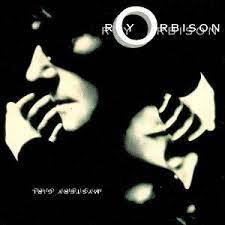
California Blue was written by Roy Orbison, Jeff Lynne and Tom Petty and recorded for Orbison's final studio album, Mystery Girl, released in 1989 shortly after his death. Produced by Jeff Lynne, the recording features the polished, layered sound associated with Orbison's late-career comeback and his work with Lynne and the Traveling Wilburys.
Released as a single from Mystery Girl, “California Blue” became a Top 40 hit in the UK and also charted in several European countries. Its wistful lyrics tell of someone far from home longing to return to California and the person waiting there.
With Orbison's distinctive vocal surrounded by guitars and rich backing harmonies, “California Blue” became one of the memorable recordings from the final chapter of his career.
What You'll Learn From This Lesson
California Blue is played in the original key of D using Drop D tuning, which gives the arrangement a stronger low-end sound and adds a bouncy feel to the bass runs and bass-note strumming in the chorus. You'll use the chords D, G, Em and A7 with two different rhythm patterns.
The verses use a root-down-up-root-up-down-up pattern, while the chorus changes to root-down-up-down-up-root-up-down-up, with bass notes blended into the rhythm to help fill out the solo acoustic arrangement. There is no lead work to learn, so I'd rate this one easy and beginner-friendly.
Start with the chords and two rhythm patterns, then add the bass runs and bass-note strumming once the basic groove feels comfortable.
Guitar Lesson Details - (chords & lyrics sheet incl with lesson)
Back To Song List
Communication Breakdown - Learn To Play On Acoustic Guitar

Communication Breakdown appeared on Roy Orbison's 1966 album The Orbison Way and was also released as a single during his MGM Records period. The song reached No. 60 on the Billboard Hot 100, but found considerably greater success in Australia, where it climbed to No. 6.
Written by Roy Orbison and Bill Dees, the songwriting partnership behind several Orbison recordings, “Communication Breakdown” features the dramatic vocal delivery and larger production style associated with his mid-1960s work.
Despite sharing its title with Led Zeppelin's “Communication Breakdown,” Orbison's recording came several years earlier and is an entirely different composition, with no musical connection to the later hard-rock song.
What You'll Learn From This Lesson
Communication Breakdown is played in standard tuning in the key of D, although Roy Orbison recorded the song in E. If your vocal range allows it, place a capo on the 2nd fret to bring this arrangement back to the original key. You'll use A, D, G, Gm, D7, C, E7 and A7.
The song opens with a few downstrokes before settling into a root-down-up-down-up-root-up-down-up rhythm pattern that carries the accompaniment. There's no lead work to worry about, making the guitar part quite approachable.
I'd rate the arrangement easy and beginner-friendly, although Orbison's higher vocal sections can still be challenging even when playing two frets below the original key. Learn the chords and rhythm first, then concentrate on keeping the accompaniment steady while singing.
Guitar Lesson Details - (chords & lyrics sheet incl with lesson)
Back To Song List
Crying - Learn To Play On Acoustic Guitar
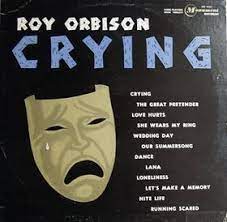
Crying became one of Roy Orbison's biggest hits after its release as a single in 1961 during his Monument Records period. Written by Roy Orbison and Joe Melson and produced by Fred Foster, the recording reached No. 2 on the Billboard Hot 100 and No. 1 on the Cash Box chart.
The song is especially remembered for its gradual emotional build, moving from a restrained opening toward the kind of powerful vocal climax that became an Orbison trademark. Its success also extended internationally, including the UK, Canada and Australia.
“Crying” has since been recorded by numerous artists, including Don McLean, whose version became a major international hit, while Orbison revisited the song in a celebrated 1987 duet with k.d. lang.
What You'll Learn From This Lesson
Crying is played in G rather than Roy Orbison's original key of D, making the song more manageable vocally while still leaving a few challenging high spots. I use Drop D tuning, although that's optional, and if G sits too low for your voice you can add a capo and move the arrangement higher. The chords are G, Gaug, C, Cm, D7 and Bm.
For rhythm, use a repeating root-down-up-down-up-root-up-down-up pattern, with downstroke accents added in certain parts of the song for emphasis. There's no lead work required, so the guitar arrangement itself is easy and beginner-friendly.
Learn the chord changes and rhythm first, then concentrate on singing while keeping the accompaniment steady. With “Crying,” the vocal range is the bigger challenge.
Guitar Lesson Details - (chords & lyrics sheet incl with lesson)
Back To Song List
Dream Baby - Learn To Play On Acoustic Guitar
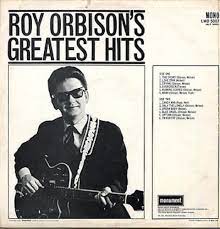
Dream Baby (How Long Must I Dream)" was written by Cindy Walker and recorded by Roy Orbison during his successful Monument Records period. Released as a single in 1962 and produced by Fred Foster, the song became another major international hit for Orbison, reaching No. 4 on the Billboard Hot 100 and No. 2 on the UK Singles Chart.
Built around a driving rhythm and the repeated “dream baby” hook, the recording has a more upbeat feel than many of Orbison's dramatic ballads while still showcasing his distinctive vocal style. The song also crossed naturally between pop, rock and country audiences, reflecting Walker's deep roots as a country songwriter.
“Dream Baby” remained popular with later performers and was notably recorded by Glen Campbell in 1971.
What You'll Learn From This Lesson
Dream Baby (How Long Must I Dream) uses just two chords, D and A7, played in Drop D tuning with a root-down-up-bass-up-down-up rhythm pattern. My arrangement sits three frets below Roy Orbison's original key, so you can add a capo if your vocal range allows while keeping the same chord shapes.
I use the deeper bass from Drop D to give the solo acoustic arrangement a fuller sound, alternating between ringing and muted rhythm and, in one section, sliding the chord shapes up the fretboard to add more of a groove. There's no lead break in the original recording, but I've added an optional picking break that follows the melody.
Without the lead I'd rate this easy and beginner-friendly. Learn the two-chord rhythm, muting and blended bass notes first, then add the picking break if you want the fuller arrangement.
Guitar Lesson Details - (chords & lyrics sheet incl with lesson)
Back To Song List
I Drove All Night - Learn To Play On Acoustic Guitar
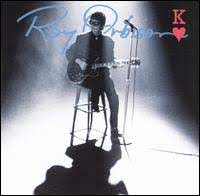
I Drove All Night was recorded by Roy Orbison in 1987, but remained unreleased during his lifetime before appearing on the posthumous 1992 album King of Hearts. Released as a single, Orbison's version reached No. 7 on the UK Singles Chart and also charted on the Billboard Hot 100.
Written by Billy Steinberg and Tom Kelly, the song was recorded by Orbison before Cyndi Lauper released her hit version in 1989, creating the unusual situation where Orbison's earlier recording became publicly available several years after Lauper's.
The accompanying music video featured Jason Priestley and Jennifer Connelly, giving the posthumous release a contemporary visual presence during the MTV era and helping introduce Orbison's recording to a new generation of listeners.
What You'll Learn From This Lesson
I Drove All Night is played in standard tuning with a capo on the 3rd fret, giving you an easier chord progression while keeping the arrangement in the original recording key. If that sits too high vocally, simply move the capo down one fret at a time or remove it altogether until you find a comfortable singing range. The chords are A, G, D, Bm and Gbm.
The song gets its driving feel from a repeating down-down-up-down-up-down-up rhythm pattern, with a few accent chops and background guitar notes blended into the rhythm. There's no separate lead work, so I'd rate the guitar arrangement beginner-friendly, although maintaining the rhythm at tempo may take some practice.
Work on the chords and rhythm first, add the accents and background notes, then experiment with the capo position to find the best key for your voice.
Guitar Lesson Details - (chords & lyrics sheet incl with lesson)
Back To Song List
In Dreams - Learn To Play On Acoustic Guitar
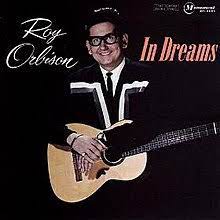
In Dreams became one of Roy Orbison's major Monument Records hits after its release in 1963. Written by Orbison and produced by Fred Foster, the song reached No. 7 on the Billboard Hot 100 and No. 6 on the UK Singles Chart.
The recording is notable for its unusual structure, moving through a series of musical sections rather than relying on a conventional repeating verse-and-chorus format. That progression allows Orbison's vocal to build steadily toward the dramatic climax that became a hallmark of his recordings.
“In Dreams” gained renewed attention when it was prominently featured in David Lynch's 1986 film Blue Velvet, introducing the song to a new audience more than two decades after its original release.
What You'll Learn From This Lesson
In Dreams begins in standard tuning with individual downstrokes across the opening chord changes before settling into a root-down-up-down-down-root-up-down-up rhythm pattern. You'll use C, Am, Dm, G7, D and Fm while working through the song's changing sections.
There is no lead break in the original recording, but I've added an optional lead section for the solo acoustic arrangement. It combines chord-wrapped picking with riffs that follow the melody, allowing the rhythm and recognizable melody to work together rather than leaving the guitar accompaniment completely behind.
I'd rate the basic arrangement beginner-friendly, with the optional lead raising the difficulty somewhat. Vocally, however, the song reaches the upper end of C, and some falsetto may be necessary. Learn the chords first, then the rhythm, and add the melodic lead section once those are comfortable.
Guitar Lesson Details - (chords & lyrics sheet incl with lesson)
Back To Song List
Mean Woman Blues - Learn To Play On Acoustic Guitar
Mean Woman Blues was written by Claude Demetrius and first recorded by Elvis Presley in 1957 for the soundtrack to his film Loving You. Roy Orbison recorded his own version several years later and released it as a single in 1963 during his Monument Records period.
Orbison's recording became a substantial hit, reaching No. 11 on the Billboard Hot 100 and No. 5 on the UK Singles Chart. His version brought the song into the dramatic early-1960s rock-and-roll style associated with his Monument recordings while retaining the blues-based character of the original composition.
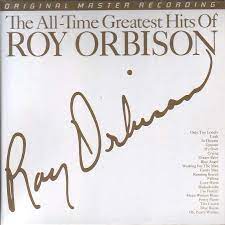
“Mean Woman Blues” later appeared on Orbison compilations including The All-Time Greatest Hits of Roy Orbison, further establishing it as part of his best-known 1960s catalog.
What You'll Learn From This Lesson
Mean Woman Blues is played in standard tuning using A, D and E, with hammer-ons worked into a driving down-down-down-down-down-down-down-up rhythm pattern to help capture the song's cadence and rock-and-roll feel. I also add bass runs to give the rhythm more movement.
The original recording features a standalone electric guitar break supported by another guitarist, but my solo acoustic version handles that section differently. I've arranged the lead while keeping the rhythm moving underneath, working up and down the fretboard so one guitarist can fill out the break.
The rhythm portion is beginner-friendly, but adding the lead requires above-beginner experience. Practice the chords and hammer-ons first, followed by the bass runs and finally the lead break. Unlike many Roy Orbison songs, the vocal range should be comfortable for most singers.
Guitar Lesson Details - (chords & lyrics sheet incl with lesson)
Back To Song List
Not Alone Anymore - Learn To Play On Acoustic Guitar
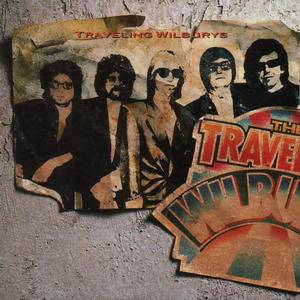
Not Alone Anymore was recorded by the Traveling Wilburys for their 1988 debut album, Traveling Wilburys Vol. 1, bringing Roy Orbison together with George Harrison, Bob Dylan, Tom Petty and Jeff Lynne. Although the song was not released as a commercial single in the United States, it became one of the album's showcases for Orbison's distinctive voice.
Written by the members of the Traveling Wilburys and shaped particularly around Orbison's vocal performance, the recording has a dramatic ballad style reminiscent of his classic 1960s work, while still fitting the collaborative sound of the group.
Traveling Wilburys Vol. 1 was released only weeks before Orbison's death in December 1988, making “Not Alone Anymore” part of the remarkable late-career resurgence that introduced him to a new generation of listeners.
What You'll Learn From This Lesson
Not Alone Any More uses a root-down-up-down-up-root-up-down-up rhythm pattern in Drop D tuning, although the alternate tuning is optional. I like using Drop D here because the deeper sixth string works especially well with the low bass riff heard in several parts of the song. You'll play through D, C, Bm, Gbm, A or A7, G and Em, with no lead break to learn.
There's also a shuffle feel built into parts of the rhythm, adding some movement without making the guitar arrangement particularly difficult. I'd rate this one easy and beginner-friendly.
The bigger challenge is once again the vocal. The song sits toward the high end of D, so some singers may need to move into falsetto. Learn the chords and rhythm with or without Drop D, get the shuffle comfortable, and then sing your heart out.
Guitar Lesson Details - (chords & lyrics sheet incl with lesson)
Back To Song List
Only The Lonely - Learn To Play On Acoustic Guitar
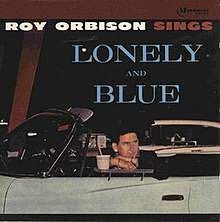
Only The Lonely (Know the Way I Feel) was written by Roy Orbison and Joe Melson and released in 1960 during Orbison's breakthrough period with Monument Records. Before recording it himself, Orbison reportedly offered the song to Elvis Presley and The Everly Brothers, but neither recorded it.
Orbison's version became his breakthrough international hit, reaching No. 2 on the Billboard Hot 100 and No. 1 on the UK Singles Chart. The recording also helped establish the dramatic vocal style and emotional ballad sound that would become closely associated with Orbison throughout the early 1960s.
The song appeared on his album Lonely and Blue. Elvis reportedly admired Orbison's recording and bought copies to give to friends after hearing it.
What You'll Learn From This Lesson
Only the Lonely (Know the Way I Feel) stays in Roy Orbison's original key of F and is played in standard tuning using Fm, Gm, C7, A#, C, F and G7. There's no lead break to learn, so the guitar work is entirely rhythm-based.
I use a root-down-up-down-up-root-up-down-up rhythm pattern to create the shuffle feel, along with some descending note movement on the Gm. The rhythm also stops at several points in the song, where you'll use downstroke accents before returning to the regular pattern.
I'd rate the guitar arrangement easy and beginner-friendly, but the vocal is another matter. Toward the latter part of the song, Orbison's vocal phrasing climbs considerably higher. Get comfortable with the chords, shuffle rhythm, descending notes and accents first, then be ready for that demanding final vocal section.
Guitar Lesson Details - (chords & lyrics sheet incl with lesson)
Back To Song List
Ooby Dooby - Learn To Play On Acoustic Guitar
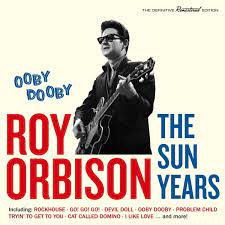
Ooby Dooby became an important song in Roy Orbison's earliest recording career after he began performing the Wade Lee Moore and Dick Penner composition with The Teen Kings. Following an early recording for the Je-Wel label, the group re-recorded the song for Sun Records in 1956.
The Sun release became Orbison's first national chart hit, reaching No. 59 on the Billboard pop chart and introducing him to a wider audience several years before his breakthrough Monument recordings. His time at Sun also placed the young Orbison alongside the emerging rock-and-roll and rockabilly scene associated with artists such as Elvis Presley, Johnny Cash and Carl Perkins.
“Ooby Dooby” was later recorded by other artists, including Creedence Clearwater Revival.
What You'll Learn From This Lesson
Ooby Dooby is played in standard tuning using E, A7 and B7, with hammer-ons blended into a root-down-up-down-up-down-up rhythm pattern to give the song its rock-and-roll swing. On the E chord, I also use short, chopped downstrokes before the regular rhythm kicks back in on A7, following the feel of the original recording.
You don't have to play it that way throughout. I demonstrate both the chopped approach and straight rhythm, so you can choose one or mix the two together. For the lead section, I use the hammer-on sequence while keeping the rhythm moving, which works well for a solo acoustic performance.
I'd rate this one easy and beginner-friendly. Learn the chords and rhythm first, then blend in the hammer-ons and chopped accents. Roy sings the song at the high end of E, while I take the vocal at the lower end of the range.
Guitar Lesson Details - (chords & lyrics sheet incl with lesson)
Back To Song List
Pretty Paper - Learn To Play On Acoustic Guitar
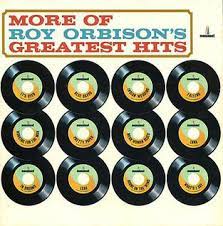
Pretty Paper was written by Willie Nelson and recorded by Roy Orbison in 1963, before Nelson released his own recording of the song. Orbison's version was released as a Christmas single and reached No. 15 on the Billboard Hot 100, while also becoming a hit in the UK.
Nelson based the song on a disabled street vendor he remembered seeing in Fort Worth, Texas, selling paper and ribbons outside a department store during the Christmas season. That real-life inspiration gave the song a more reflective story than many traditional holiday recordings.
Orbison's recording later appeared on the 1964 album More of Roy Orbison's Greatest Hits. Willie Nelson subsequently recorded “Pretty Paper” himself, and the song has since been covered by numerous country and pop artists.
What You'll Learn From This Lesson
Pretty Paper is played in the key of D, rather than Roy Orbison's original key of G where his vocal sits toward the upper end of the range. My arrangement uses Drop D tuning to add some extra depth to the rhythm, with the chords D, A7, G, D7 and E7.
The song has a slow country-waltz feel, played with a root-up-down-up-down-up rhythm pattern. I also work several bass runs into the rhythm, adding movement while keeping that smooth, flowing pulse underneath the vocal. There's no lead break in this version, just as there isn't one in the original recording.
I'd rate this one easy and beginner-friendly. Get comfortable with the waltz rhythm first, then work in the bass runs while keeping that steady three-beat feel moving.
Guitar Lesson Details - (chords & lyrics sheet incl with lesson)
Back To Song List
Oh Pretty Woman - Learn To Play On Acoustic Guitar
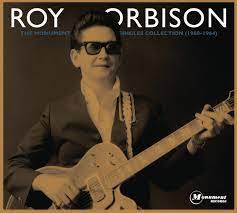
Oh, Pretty Woman grew from a songwriting session between Roy Orbison and Bill Dees in 1964. The song's title was inspired by Orbison's wife, Claudette, after Orbison made a remark about a “pretty woman” as she was preparing to go out. The resulting song was released as a single later that year.
Built around its instantly recognizable opening guitar riff, the recording became one of Orbison's biggest international successes, reaching No. 1 on the Billboard Hot 100 and topping charts in several other countries.
The song gained another major cultural connection when it inspired the title of the 1990 film Pretty Woman starring Julia Roberts and Richard Gere, and Orbison's recording was featured in the film. It has also been covered by numerous artists, including Van Halen, whose rock version became a hit in 1982.
What You'll Learn From This Lesson
Oh, Pretty Woman is played in standard tuning and uses two distinct rhythm patterns to capture the changing feel of Roy Orbison's recording. The song opens with the famous guitar riff, which returns later while you're singing, so you'll need to coordinate the vocal and riff at the same time. The chords are E, A, Gbm, D, E7, Dm, G, C and Am.
The first rhythm is down-down-down-up-down-up, giving the song its driving feel. Later, the drummer changes the groove and I follow that movement with a root-down-up-down-up-root-up-down-up shuffle pattern.
I'd rate this easy to intermediate, with the main challenge being that “walk-and-chew-gum” section of singing while playing the riff. Learn the opening riff and both rhythm patterns separately, then bring everything together with the vocal.
Guitar Lesson Details - (chords & lyrics sheet incl with lesson)
Back To Song List
Running Scared - Learn To Play On Acoustic Guitar
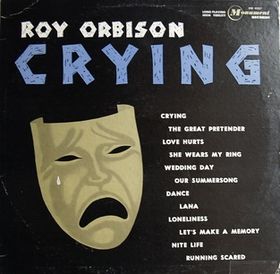
Running Scared gave Roy Orbison his first No. 1 hit on the Billboard Hot 100 when it was released as a single in 1961. Co-written by Orbison and Joe Melson, the song was later included on his 1962 album Crying.
Unlike a conventional pop song, “Running Scared” has no chorus. Instead, its arrangement builds continuously over a Boléro-style rhythm, steadily increasing the tension until Orbison reaches the dramatic high note at the climax of the recording.
That final vocal presented a genuine challenge in the studio. Orbison reportedly wasn't certain he could reach the note, but when he delivered it successfully during the session, the performance became one of the defining examples of the dramatic vocal build associated with his Monument-era recordings.
What You'll Learn From This Lesson
Running Scared was originally recorded in the key of A, but I teach it in G, so simply place a capo on the 2nd fret if you want to return to the original key. The chords are G, Am, Bm, C and D7, all played in standard tuning.
The original recording doesn't feature a guitar lead break, but I've added an optional melody-based lead section that follows the vocal line and works well in a solo acoustic arrangement. Most of the song is played with downstrokes only, following a simple count of 1-1111-1111, where the pauses between phrases are just as important as the strums themselves.
You can play that pattern throughout the entire song, or switch to a down-down-up-down rhythm near the end as Roy's vocal begins to climb. I'd rate this one beginner-friendly on guitar, but the vocal is another story—especially if you decide to sing it in the original key of A.
Guitar Lesson Details - (chords & lyrics sheet incl with lesson)
Back To Song List
She's A Mystery To Me - Learn To Play On Acoustic Guitar
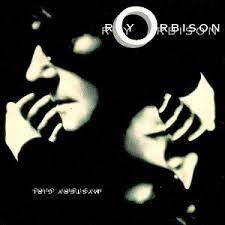
She's A Mystery To Me closes Roy Orbison’s 1989 comeback album Mystery Girl and was released as a single, reaching No. 27 on the UK Singles Chart and No. 5 on the US Adult Contemporary chart. The song was written by Bono and The Edge of U2, with Bono also contributing to its production.
Bono has connected the song's inspiration to hearing Orbison's voice in David Lynch's Blue Velvet, which prominently featured “In Dreams.” A melody subsequently came to him that he felt suited Orbison, leading to the collaboration.
The result created an unusual cross-generational connection between U2 and Roy Orbison during Orbison's late-career resurgence and gave Mystery Girl one of its most distinctive songwriting collaborations.
What You'll Learn From This Lesson
She's A Mystery To Me is played in standard tuning using just three chords: C, F and G. There is no lead break, making this one of the more straightforward arrangements in the Roy Orbison collection.
For rhythm, play a down-down-up-down-up-down-up-down-up-down-up pattern throughout the song. If you'd like a little more movement, you can replace the first two downstrokes with two arpeggiated notes, giving you a second rhythm option that I demonstrate in the lesson.
I'd rate this one beginner-friendly. The vocal also sits comfortably compared to many Roy Orbison songs, making it a good choice for players who enjoy his music but don't necessarily want to battle his higher vocal range. Learn the three chords, choose the rhythm approach you prefer, and you're ready to play the song.
Guitar Lesson Details - (chords & lyrics sheet incl with lesson)
Back To Song List
You Got It - Learn To Play On Acoustic Guitar
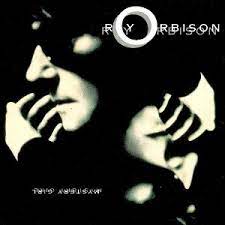
You Got It brought together Roy Orbison, Jeff Lynne and Tom Petty as co-writers during the same period in which they were working together as members of the Traveling Wilburys. Recorded in 1988 and produced by Lynne, the song became the lead single from Orbison's final studio album, Mystery Girl.
Released posthumously in January 1989, “You Got It” became a major international comeback hit, reaching No. 9 on the Billboard Hot 100 and No. 3 on the UK Singles Chart. It marked Orbison's first US Top 10 pop hit in roughly 25 years.
The recording also features Tom Petty on acoustic guitar and backing vocals, while Lynne contributed instrumentation and backing vocals, giving the track a natural connection to Orbison's late-1980s Traveling Wilburys period.
What You'll Learn From This Lesson
You Got It is played in standard tuning in the key of A using the chords A, G, D, E, Gbm, Dbm and C#7. There is no lead break in this arrangement, but there are several rhythm variations that help capture the feel of the original recording.
The main rhythm pattern is a root-down-up-down-up-root-up-down-up groove, while some sections use a shuffle-style down-up-down-up strum to add movement. I also incorporate downstroke accents and a descending bass line in a few spots to help drive the song forward and keep the rhythm interesting.
I'd rate this one as beginner-friendly, although the variety of rhythm patterns requires a little more attention than some of the simpler Roy Orbison songs. Vocally, there are a few higher sections, but overall it's quite approachable. Learn the chords first, then work on the rhythm changes, descending bass line, and vocal phrasing before putting everything together.
Guitar Lesson Details - (chords & lyrics sheet incl with lesson)
Back To Song List
You're My Baby - Learn To Play On Acoustic Guitar
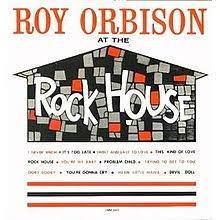
You're My Baby comes from Roy Orbison’s early Sun Records period and was recorded in 1956, years before the dramatic ballads that would define his Monument Records career. The song was written by Johnny Cash, connecting two of the young artists working in the Memphis rockabilly scene surrounding Sun.
Driven by a fast rockabilly rhythm and energetic vocal performance, the recording reveals an early side of Orbison's musical style that differs considerably from later hits such as “Crying,” “In Dreams” and “Only the Lonely.”
Although “You’re My Baby” was not a major national hit, it later appeared on collections of Orbison's Sun recordings, preserving an early collaboration from the period when Orbison, Johnny Cash, Elvis Presley and other pioneering artists were recording for Sun Records.
What You'll Learn From This Lesson
You're My Baby was originally recorded with a capo on the 1st fret, but in my lesson I play it in the key of A without a capo. The song uses just three chords — A, D and E — in standard tuning, making it one of the simpler arrangements on this page.
The rhythm is built around a steady down-up shuffle pattern with hammer-ons blended into the chords to create that classic rock-and-roll feel. Throughout the song, I also use chopped downstrokes as the arrangement stops and starts, along with a few unusual bass-note accents that help keep the rhythm moving during the instrumental sections.
The lead work is minimal, consisting mainly of chord shapes played higher up the neck with a few B-string embellishments. I'd rate this one as easy and beginner-friendly. Learn the three chords, get comfortable with the fast shuffle rhythm and hammer-ons, then add the bass-note accents and short lead section.
Guitar Lesson Details - (chords & lyrics sheet incl with lesson)
Back To Song List
Frequently Asked Questions About Roy Orbison Guitar Lessons
What Are Roy Orbison's Most Famous Songs?
Roy Orbison recorded many classic hits during the 1950s, 1960s and late 1980s, but he is best known for songs such as Oh, Pretty Woman, Only The Lonely, Crying, In Dreams, Running Scared, and You Got It. His music combined rock and roll, pop, country, and orchestral ballad elements, creating a sound that was unique among his contemporaries. Many of these songs remain popular with guitar players because they feature memorable melodies, strong chord progressions, and emotional storytelling that translate well to acoustic guitar.
Did Roy Orbison Write His Own Songs?
Yes. Roy Orbison wrote or co-wrote many of his biggest hits. Throughout his career he frequently collaborated with songwriter Joe Melson, resulting in classics such as Only The Lonely, Running Scared, and Crying. He also co-wrote Oh, Pretty Woman with Bill Dees. While Orbison recorded songs written by other writers, including Cindy Walker, Willie Nelson, Bono, and The Edge, he was much more than just a singer. His songwriting helped shape the dramatic and emotional style that became his trademark.
What Was Roy Orbison's First Hit Song?
Roy Orbison's first charting hit was Ooby Dooby, recorded with The Teen Kings during his early rockabilly years. The song was first released on Je-Wel Records before being re-recorded for Sun Records after Orbison signed with Sam Phillips. Although it was very different from the dramatic ballads he later became famous for, Ooby Dooby helped launch his recording career and introduced audiences to the young Texas singer who would eventually become one of rock and roll's most distinctive voices.
Why Are Roy Orbison Songs Difficult To Sing?
Many Roy Orbison songs feature an unusually wide vocal range and dramatic climactic sections. Songs such as Only The Lonely, Crying, In Dreams, and Running Scared often begin comfortably before climbing into very high notes that challenge even experienced singers. Orbison's ability to move effortlessly between chest voice and falsetto became one of his defining characteristics. For many guitar players, learning the chords is often easier than matching the original vocal performance, which is why some arrangements are commonly played in lower keys.
What Are The Easiest Roy Orbison Songs To Play On Guitar?
Several Roy Orbison songs are well suited to beginner guitar players because they use straightforward chord progressions and rhythm patterns. Songs such as Dream Baby, You're My Baby, Mean Woman Blues, California Blue, and She's A Mystery To Me are often easier to learn than some of his more complex ballads. While the guitar parts are generally accessible, the biggest challenge in many Roy Orbison songs is usually the vocal range rather than the chord structure itself.
Did Roy Orbison Record With The Traveling Wilburys?
Yes. Roy Orbison was a founding member of the Traveling Wilburys, a supergroup that also included George Harrison, Jeff Lynne, Tom Petty, and Bob Dylan. The group released Traveling Wilburys Vol. 1 in 1988 and became one of the most successful collaborations in rock music history. Orbison's powerful voice was featured prominently on several songs, including Not Alone Any More, which remains one of his most celebrated late-career vocal performances. His involvement with the Wilburys helped introduce him to a new generation of music fans.
What Is The Difference Between Roy Orbison's Early Rockabilly Songs And Later Ballads?
Roy Orbison's early recordings, including Ooby Dooby, You're My Baby, and Mean Woman Blues, were heavily influenced by rockabilly and early rock and roll. These songs featured simple chord progressions, driving rhythms, and energetic vocals. During his Monument Records years, Orbison developed the dramatic ballad style heard in songs such as Only The Lonely, Crying, In Dreams, and Running Scared. These later recordings incorporated orchestral arrangements, emotional storytelling, and soaring vocal performances that became his signature sound.
Can Roy Orbison Songs Be Played On Acoustic Guitar?
Absolutely. Many Roy Orbison songs adapt very well to acoustic guitar because the strength of the music lies in the melody, chord progression, and vocal delivery rather than complex studio production. Whether you're playing a simple rhythm version or incorporating bass runs and lead fills, songs such as Pretty Paper, Only The Lonely, You Got It, and California Blue work well as solo acoustic arrangements. Acoustic versions also make it easier for many singers to adjust the key to suit their vocal range.
What Tuning Is Used In These Roy Orbison Guitar Lessons?
Most of the Roy Orbison lessons on this page are taught in standard tuning, although several arrangements use Drop D tuning to add depth and stronger bass movement. Drop D is particularly effective for songs that benefit from bass runs, walking bass lines, or fuller rhythm guitar. Each lesson includes tuning information, chord progressions, rhythm patterns, and playing tips so you can choose the version that best suits your playing style and vocal range.
What Was Roy Orbison's Comeback Period?
Roy Orbison experienced a major career resurgence during the late 1980s. After joining the Traveling Wilburys in 1988, he recorded material that would later appear on the album Mystery Girl. Songs such as You Got It, California Blue, She's A Mystery To Me, and I Drove All Night introduced his music to a new generation of listeners. Although Orbison passed away in December 1988, the success of Mystery Girl and the Traveling Wilburys helped cement his legacy and reminded audiences around the world why he was one of the most distinctive voices in popular music.
Whether you’re strumming Ooby Dooby or tackling the dramatic build-up of Running Scared, Roy Orbison’s catalog offers a rich mix of emotion, rhythm, and storytelling.
These guitar lessons are designed to bring those songs to your fingertips — helping you learn at your own pace with easy-to-follow chord structures and video demonstrations. If you enjoyed this collection, explore more classic artists from the 50s and 60s in our acoustic lesson library.
If you enjoy Roy Orbison's timeless rock 'n' roll style, you may also enjoy guitar lessons from fellow 1950s pioneers including The Everly Brothers, Buddy Holly, Ricky Nelson, Chuck Berry, and Elvis Presley. You can also return to our 50s Guitar Songs directory to explore even more classic artists and songs.
If you liked this best songs by Roy Orbison page, you might also like ... (click images)


Top Hits Of The 50s
Latest 100 Tutorials
© 2019–2026 KirbysGuitarLessons.com — All Rights Reserved