Bob Seger Greatest Hits Songs
On The Acoustic
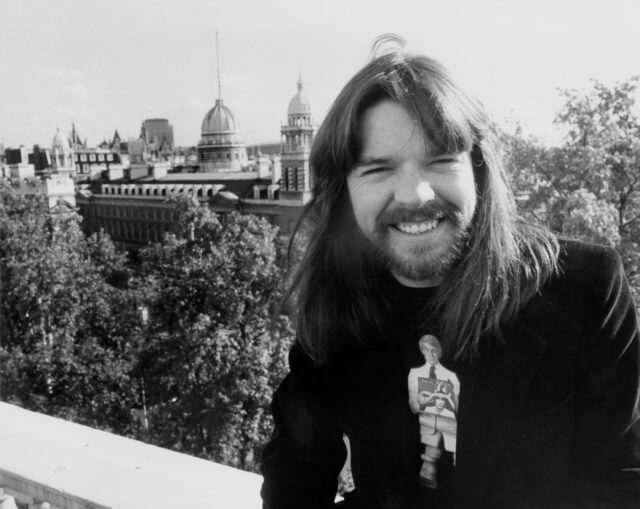
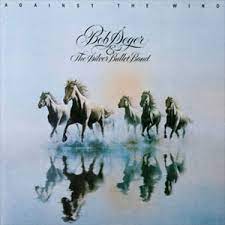
Welcome to my Bob Seger greatest hits songs page where you'll find a collection of free chord sheets, rhythm tips and if required, full lesson tutorials for a small fee. I'm using Bob Seger album covers to indicate the album source for each song below.
Due to copyright issues on Youtube, no demos are available for this artist.
🎸 Overview Video -
“Watch This Preview of My
Bob Seger Best Guitar Songs”
Soon
Bob Seger Guitar List
Against The WindBeautiful Loser
Betty Lou
By The River
Fire Lake
Hollywood Nights
I Feel Like A Number
Jody Girl
Mainstreet
Night Moves
No Mans Land
Old Time Rock And Roll
Rock And Roll Never Forgets
Shame On The Moon
Ship Of Fools
Still The Same
Sunspot Baby
The Fire Down Below
Travelin Man
Turn The Page
Understanding
We've Got Tonight
You'll Accompany Me
Against The Wind - Learn To Play On Guitar
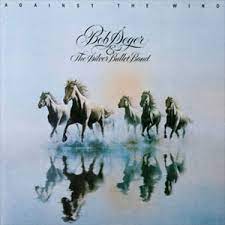
Against The Wind is a reflective masterpiece that serves as the title track of the 1980 multi-platinum album Against the Wind.
Written by Seger, the song was released as a single in April 1980 and became one of his biggest hits, peaking at number five on the Billboard Hot 100. The track is famous for its "Janey" opening line, a reference to his long-term partner Janey Dinsdale, and features backing vocals from his close friend Glenn Frey of the Eagles.
Seger pulled the title from his days as a high school cross-country runner, using the wind as a metaphor for the challenges of aging. While no traditional music video was filmed at the time, a later official clip was produced using a montage of animated horses and motorcycles that have become synonymous with Seger’s blue-collar imagery.
Chords And Strumming
This one I play in standard tuning with some lead and using a root up down up root up down up rhythm pattern. The chords here are G, Bm, C, D, Am and an Em.
Guitar Lesson Detail - (chords & lyrics sheet incl with lesson)
Chords & LyricsJump To Top
Beautiful Loser - Learn To Play On Guitar
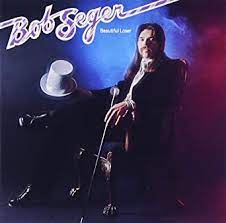
Beautiful Loser is the soulful and philosophical title track of the 1975 album Beautiful Loser, marking Seger’s pivotal return to Capitol Records. Written by Seger, the song was inspired by a line in the epilogue of a Leonard Cohen novel, which Seger transformed into an anthem for those who set their goals low to avoid disappointment.
Although it was the lead single from the album, it was not a major national chart success initially, but it became a foundational FM radio staple and a centerpiece of his live sets. The recording was produced by Seger and Punch Andrews and captures the transition from his raw early sound to his more polished 1970s persona.
There is no official music video, but the album’s iconic cover photo of a weary Seger has become the definitive visual for the track.
Chords And Strumming
Played in standard tuning while playing a root up down up root up down up and repeat rhythm pattern with some lead. For chords you'll need a G, Am, C, D, Em, A7 and an A#.
Guitar Lesson Detail - (chords & lyrics sheet incl with lesson)
Chords & LyricsJump To Top
Betty Lou
- Learn To Play On Guitar
Betty Lou is a high-octane, piano-driven rock and roll track from the 1980 album Against the Wind. Written by Seger, the song was released as the third single from the album and reached number 58 on the Billboard Hot 100, while becoming a staple on rock radio for its relentless energy.
The track captures the spirit of early 1950s rock, featuring a blistering arrangement by the Silver Bullet Band that showcases their tight musical chemistry. While no formal narrative music video was produced, the song became a legendary highlight of his live shows, often used to kick off high-energy encores.
Interestingly, the song’s protagonist, Betty Lou, became a recurring figure in Detroit rock lore, representing the unbridled spirit of the city’s nightlife that Seger knew so well from his early years on the circuit.
Chords And Strumming
This one I play in drop D with a capo 3rd fret. Some lead with the chords D, G and A while playing a down up down up rhythm pattern or you can use all down strokes.
Guitar Lesson Detail - (chords & lyrics sheet incl with lesson)
Chords & LyricsJump To Top
By The River - Learn To Play On Guitar
By The River is a poignant and evocative track from the 1981 live album Nine Tonight, though it originally appeared as a studio recording on the 1980 album Against the Wind. Written by Seger, the song explores themes of memory and the passage of time, delivered with a weary and resonant vocal that became his signature.
While the track was never released as a commercial single, it is highly regarded by fans as a "deep cut" that showcases his ability to blend country-folk influences with heartland rock. No official music video was produced for the song, but its inclusion on the live album helped it reach a wider audience of concert-goers.
The recording is notable for its clean acoustic arrangement and its portrayal of a quiet, reflective moment away from the high-energy demands of the stadium rock world.
Chords And Strumming
A capo 1st fret is the original key in standard tuning with some lead and playing a root down root down up and repeat rhythm pattern. For chords use a G, Em, D, C, D, B7, G7 and a C/G.
Guitar Lesson Detail - (chords & lyrics sheet incl with lesson)
Chords & LyricsJump To Top
Fire Lake - Learn To Play On Guitar
Fire Lake is an atmospheric and rhythmic track that served as the lead single for the 1980 album Against the Wind. Written by Seger, the song reached number six on the Billboard Hot 100 and features a unique blend of country and R&B influences.
The recording is famous for its guest backing vocals from Eagles members Don Henley, Glenn Frey, and Timothy B. Schmit, which gave the chorus a distinctive West Coast harmonic layer. Interestingly, Seger had started writing the song as early as 1971 and tried to record it for the Beautiful Loser sessions, but it wasn't finished until the late 70s.
While no music video was made at the time, the song’s success helped the album knock Pink Floyd’s The Wall off the top of the charts, cementing Seger’s status as a global superstar.
Chords And Strumming
I play a capo 2nd fret in standard tuning with no lead and a root down up root up down up and repeat rhythm pattern. Chords here are G, D, Em, D/Gb, Bm, Am and a Cmaj7.
Guitar Lesson Detail - (chords & lyrics sheet incl with lesson)
Chords & LyricsJump To Top
Hollywood Nights - Learn To Play On Guitar
Hollywood Nights is a high-octane rock anthem that served as the second single from the 1978 landmark album Stranger in Town. Written by Seger, the song reached number 12 on the Billboard Hot 100 and is famous for its driving, double-drumbeat arrangement provided by David Teegarden.
The lyrics tell a vivid story of a "Midwest boy" falling for a "Hollywood girl," a narrative that reflected Seger’s own experiences navigating the Los Angeles music scene during his rise to fame. While no formal music video was produced, the song’s relentless energy made it a staple of late-70s rock radio.
A unique bit of trivia is that Seger wrote the lyrics while driving through the Hollywood Hills, and the rhythmic "gallop" of the music was designed to match the feeling of a car moving through the city at night.
Chords And Strumming
Only three chords here which are E, A and a D with no lead and in standard tuning. For rhythm play a quick dn up dn up shuffle, and then a pause up dn up pause up dn up etc and then blend in the shuffle pattern.
Guitar Lesson Detail - (chords & lyrics sheet incl with lesson)
Chords & LyricsJump To Top
I Feel Like A Number - Learn To Play On Guitar
I Feel Like A Number is a raw and rebellious blue-collar anthem from the 1978 album Stranger in Town. Written by Seger, the song explores the frustration of corporate anonymity and the struggle to maintain one's identity in a modern, mechanized world.
While the studio version was the B-side to "Still the Same," a live version from the 1981 album Nine Tonight was released as a single and became a significant rock radio hit. The track gained additional fame after being featured prominently in the 1981 film Body Heat, which helped cement its status as a quintessential "working man's" song.
No official music video exists, but the track’s aggressive vocal delivery and driving beat have made it a favorite for sports montages and films portraying industrial grit and personal defiance.
Chords And Strumming
This one I use drop D tuning and a capo 2nd fret with a down up down up and repeat rhythm pattern. Some lead with the three chords D, G and A.
Guitar Lesson Detail - (chords & lyrics sheet incl with lesson)
Chords & LyricsJump To Top
Jody Girl - Learn To Play On Guitar
Jody Girl is a gentle and melodic ballad featured on the 1975 album Beautiful Loser. Written by Seger, the song is a rare example of his more vulnerable, folk-influenced writing from the mid-70s, focused on a character study of a woman seeking her own path.
While it was never released as a commercial single, the track is cherished by longtime fans for its intimate arrangement and Seger’s sincere vocal performance. No official music video was ever made for the song, but it represents the "soft rock" side of his transition into national stardom.
Interestingly, the recording features the Muscle Shoals Rhythm Section, whose soulful backing helped define the warm, analog sound of Seger’s classic era. The track remains a definitive "hidden gem" for those who explore his discography beyond the high-energy stadium hits.
Chords And Strumming
For rhythm here play a root up down up root up down up or you could also use a root down up down up root up down up as in a quick shuffle, but it's not necessary. Played in standard tuning with just a few riffs and the chords E, A and B.
Guitar Lesson Detail - (chords & lyrics sheet incl with lesson)
Chords & LyricsJump To Top
Mainstreet - Learn To Play On Guitar
Mainstreet is an evocative and nostalgic masterpiece that served as the second single from the 1976 album Night Moves. Written by Seger, the song reached number 24 on the Billboard Hot 100 and is recognized for its haunting, bluesy guitar intro played by Pete Carr.
The lyrics were inspired by a real-life street in Ann Arbor, Michigan, where Seger used to watch a band perform through a window, capturing the feeling of longing and youthful observation. Although no music video was filmed in 1976, the song has become one of his most enduring radio tracks, often cited for its perfect portrayal of small-town atmosphere.
A unique detail is that Seger originally intended for the song to be a more traditional rock track, but the "walking" tempo and bluesy lead gave it a timeless, nocturnal quality.
Chords And Strumming
Played in standard tuning, play a down down up down down up and repeat rhythm pattern and some required. For chords you'll need a D, C, G, Em, Bm, Gbm, A (or Asus4) and an Am.
Guitar Lesson Detail - (chords & lyrics sheet incl with lesson)
Chords & LyricsJump To Top
Night Moves - Learn To Play On Guitar
Night Moves is the definitive coming-of-age anthem of the 1970s, serving as the title track and lead single for the 1976 album Night Moves. Written by Seger, the song reached number four on the Billboard Hot 100 and spent 21 weeks on the chart, becoming his commercial breakthrough.
The lyrics are largely autobiographical, recounting a 1962 summertime romance in the cornfields outside Ann Arbor. Interestingly, Seger owned a 1962 Chevy but changed it to a "60 Chevy" in the lyrics because he felt it flowed better. While no music video was made in 1976, a nostalgic video was produced in 1994 starring a young Matt LeBlanc to support his Greatest Hits release.
The song is celebrated for its acoustic beginning and its transition into a soulful, nostalgic bridge, capturing the "freedom and looseness" of youth.
Chords And Strumming
Another one in standard tuning with no lead and a down up stop up down up stop up is the main pattern. For chords you'll play a G, F, C, Em, D, Cmaj7, Am7 and a Bm.
Guitar Lesson Detail - (chords & lyrics sheet incl with lesson)
Chords & LyricsJump To Top
No Mans Land - Learn To Play On Guitar
No Mans Land is a rhythmic and atmospheric rock track featured on the 1980 album Against the Wind. Written by Seger, the song served as the B-side to the hit single "Against the Wind" and gained significant airplay on album-oriented rock radio.
The recording features a driving beat and a more experimental, slightly darker production than the rest of the album, showcasing the Silver Bullet Band’s versatility.
While no formal music video was produced, the song is a favorite for fans of his heavier, mid-tempo work. Interestingly, the track was written during the same sessions that produced his most commercial hits, providing a grittier counterpoint to the album's polished ballads.
Chords And Strumming
The rhythm here is a simple down down up down up down up and repeat pattern with just a few riffs and the chords C, G, D, Am, F and an A#.
Guitar Lesson Detail - (chords & lyrics sheet incl with lesson)
Chords & LyricsJump To Top
Old Time Rock And Roll - Learn To Play On Guitar
Old Time Rock And Roll is a global cultural phenomenon that first appeared on the 1978 album Stranger in Town. While the song was released as a single in 1979 and reached number 28, its legendary status was cemented by its use in the 1983 film Risky Business, where Tom Cruise famously danced to the track in his underwear.
Written by George Jackson and Thomas E. Jones III (with uncredited lyrical revisions by Seger), the song is a defiant tribute to the roots of rock music. The music video is essentially the famous movie scene, which has been parodied countless times in popular culture.
Interestingly, Seger initially didn't want to record the song because it wasn't his own, but he changed several lyrics to make it fit his persona. It remains one of the most played songs in the history of jukeboxes and radio.
Chords And Strumming
Play a drop D here with a capo 4th fret is you wish and some lead required. For rhythm play all down strokes and a D, G and an A for the chords.
Guitar Lesson Detail - (chords & lyrics sheet incl with lesson)
Chords & LyricsJump To Top
Rock And Roll Never Forgets - Learn To Play On Guitar
Rock And Roll Never Forgets is a high-energy anthem that served as the final single from the 1976 breakthrough album Night Moves. Written by Seger, the song reached the top 50 on the Billboard Hot 100 and became a signature show-opener for his legendary live performances.
The lyrics act as a rallying cry for older fans to return to the music of their youth, famously name-checking the year 1962. While no official music video exists from the 1970s, the song’s legacy is preserved through various live recordings that capture the explosive energy of the Silver Bullet Band.
A unique bit of trivia is that Seger wrote the song as a tribute to the resilience of the rock genre and its ability to bridge generational gaps. It stands as a prime example of his mission to keep "real" rock and roll alive.
Chords And Strumming
This one I play with drop D tuning and a capo 2nd fret with some lead. Play a down up down up and you can use down strokes in combination with the chords D, G, Em, A and an E.
Guitar Lesson Detail - (chords & lyrics sheet incl with lesson)
Chords & LyricsJump To Top
Shame On The Moon (Blame It On Midnight) - Learn To Play On Guitar
Shame On The Moon is a polished and melodic country-rock track that served as the lead single for the 1982 album The Distance. Written by Rodney Crowell, the song was a massive success, reaching number two on the Billboard Hot 100 and spending four weeks at that position. It also became a major hit on the Adult Contemporary and Country charts, showcasing Seger’s incredible crossover appeal.
The track is recognized for its smooth, late-night production and the harmony vocals of Glenn Frey. While no high-budget music video was produced, the song’s success helped propel the album to platinum status during a transitional period for rock music.
Seger heard the song on a Rodney Crowell album and immediately knew his baritone would be a perfect fit for the cynical yet romantic lyrics.
Chords And Strumming
For rhythm here you can play a root down up root up down up and repeat pattern in standard tuning and some lead. The chords here are G, Em, C, D and an A#.
Guitar Lesson Detail - (chords & lyrics sheet incl with lesson)
Chords & LyricsJump To Top
Ship Of Fools - Learn To Play On Guitar
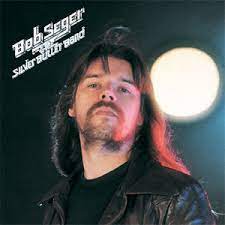
Ship Of Fools is a poignant and atmospheric ballad featured on the 1976 landmark album Night Moves. Written by Seger, the song explores themes of social disillusionment and the search for direction in a changing world, delivered with a weary and resonant vocal performance.
While it was never released as a commercial single, it remains a "deep cut" favorite for fans who appreciate the more philosophical side of his mid-70s writing. No music video was ever made for the song, but it is often cited by critics as a crucial piece of the album’s narrative of transition and memory.
The recording features a lush, analog production that perfectly captures the "heartland" sound Seger was perfecting. It stands as a testament to his ability to write sophisticated, observational songs that resonated with the working-class experience of the era.
Chords And Strumming
I play this one in standard tuning with no lead required and using a root up down up root up down up rhythm pattern. For chords you'll need a G, D, Am, C, Em and a Cmaj7.
Guitar Lesson Detail - (chords & lyrics sheet incl with lesson)
Chords & LyricsJump To Top
Still The Same - Learn To Play On Guitar
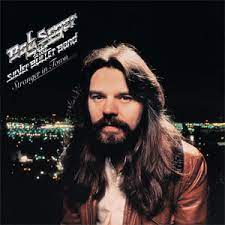
Still The Same is a rhythmic and sophisticated rock track that served as the lead single for the 1978 album Stranger in Town. Written by Seger, the song reached number four on the Billboard Hot 100 and is famous for its distinctive piano riff and its character study of a "gambler" who refuses to change.
Seger stated that the song was based on various people he met in the music industry who had a charismatic but ultimately shallow approach to life. While no formal music video was produced, the song became a massive staple of FM radio and is recognized for its clean, tight production.
The song features backing vocals from the female trio Venetta Fields, Clydie King, and Sherlie Matthews, whose gospel-tinged harmonies added a professional, soulful layer that helped define Seger’s peak commercial sound.
Chords And Strumming
This one is played in standard tuning with a capo 2nd fret and no lead. For rhythm play a down down up down up down up and repeat pattern with the chords C, Em, G, F, Am, E, E7, Dm and an A7.
Guitar Lesson Detail - (chords & lyrics sheet incl with lesson)
Chords & LyricsJump To Top
Sunspot Baby - Learn To Play On Guitar
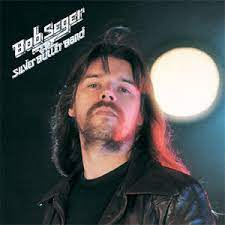
Sunspot Baby is a rhythmic and bluesy track featured on the 1976 album Night Moves. Written by Seger, the song explores a humorous narrative of a man being left behind by a woman who takes all his money and heads for the sun, delivered with a playful vocal grit.
While it was never released as a commercial single, the track became a major favorite on album-oriented rock radio and a highlight of his live sets. The recording is notable for its infectious "shuffle" beat and the tight accompaniment of the Silver Bullet Band.
No music video exists for the track, but it captures the lighter, more exuberant side of the Night Moves sessions. Interestingly, the song has been praised by musicians for its rhythmic discipline and its blend of Detroit rock energy with a laid-back, "coastal" lyrical theme.
Chords And Strumming
This one is played in standard tuning with mainly down strokes, but you'll use a few upstrokes between each line with the riff. In standard tuning with the chords E, A and B and some lead required.
Guitar Lesson Detail - (chords & lyrics sheet incl with lesson)
Chords & LyricsJump To Top
The Fire Down Below - Learn To Play On Guitar
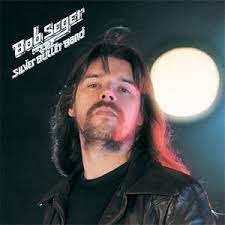
The Fire Down Below is a gritty and driving rock track from the 1976 album Night Moves. Written by Seger, the song explores the nocturnal world of the city's underbelly, featuring a heavy, bluesy riff that became a signature sound for the Silver Bullet Band.
Although it was never released as a commercial single, it remains one of his most popular live songs and a staple of classic rock radio. The lyrics were inspired by Seger's observations of street life in various cities while on tour, delivered with an aggressive vocal performance that showcased his rock and roll roots.
While no music video was made, the song’s raw energy has led to various covers, most notably by Bette Midler. The track was recorded with the Muscle Shoals Rhythm Section, proving their ability to play heavy rock as convincingly as their famous soul sessions.
Chords And Strumming
This one also in standard tuning with some lead and down strokes for rhythm mainly with a few chops while playing the chords E, A, B, G7 and Gb.
Guitar Lesson Detail - (chords & lyrics sheet incl with lesson)
Chords & LyricsJump To Top
Travelin Man - Learn To Play On Guitar
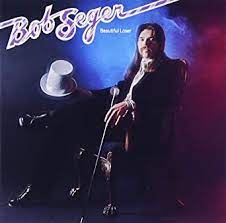
Travelin Man is a high-energy rock anthem that originally appeared on the 1975 album Beautiful Loser, though it achieved its greatest fame when paired with "Beautiful Loser" on the 1976 live album Live Bullet.
Written by Seger, the song is a tribute to the relentless life of a touring musician, featuring a driving beat and a classic rock arrangement. While the studio version was not a single, the live version became a definitive FM radio staple and is often played as a single track in a medley format.
No official music video was produced, but the song is synonymous with the legendary Cobo Hall performances in Detroit. The song’s lyrics name-check various cities and the feeling of "moving eight miles a minute," a theme Seger would return to throughout his career. It remains the ultimate "road song" in his extensive catalog.
Chords And Strumming
I play a a steady shuffle rhythm pattern here with some down up down up sections in standard tuning. No lead with the chords A/D, A, Gbm, G, D/G, D, Dbm, C and a Bm.
Guitar Lesson Detail - (chords & lyrics sheet incl with lesson)
Chords & LyricsJump To Top
Turn The Page - Learn To Play On Guitar
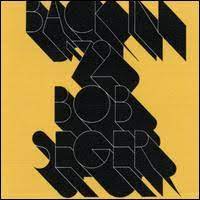
Turn The Page is the definitive "life on the road" ballad, originally appearing on the 1973 album Back in '72 but reaching legendary status via the 1976 live album Live Bullet.
Written by Seger, the song is famous for Alto Reed’s haunting saxophone intro, which was designed to mimic the sound of a truck passing on a lonely highway. While it was never a major pop hit as a single, it is one of the most played songs in the history of rock radio.
An official music video was finally produced in 1996 for his Greatest Hits release, featuring a cinematic narrative of a truck driver. Interestingly, the song was famously covered by Metallica in 1998, which introduced the track to a whole new generation of rock fans. Seger wrote the lyrics after a particularly draining experience at a truck stop in Wisconsin, capturing the isolation of fame perfectly.
Chords And Strumming
Played in standard tuning I use a down down up down up down up and repeat with a steady shuffle pattern. Just a few riffs in the rhythm with the chords Em, D, A and a C.
Guitar Lesson Detail - (chords & lyrics sheet incl with lesson)
Chords & LyricsJump To Top
Understanding - Learn To Play On Guitar
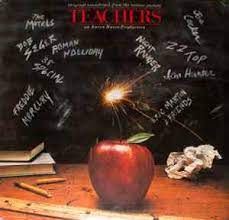
Understanding is a powerful and soulful ballad that was released in 1984 as a single from the soundtrack of the film Teachers. Written by Seger, the song reached number 17 on the Billboard Hot 100 and became a significant late-career hit. The track is recognized for its emotive vocal performance and a lush, orchestral arrangement that fit the dramatic tone of the film.
The music video features footage from the movie interspersed with scenes of Seger in the studio, which helped it become a staple of the early MTV era.
The song deals with themes of empathy and communication in a troubled world, a subject that Seger felt was particularly relevant to the film's educational setting. Its success proved that he could still deliver a chart-topping, emotionally resonant hit well into the 1980s.
Chords And Strumming
The chords here are G, C/G, C, D, Bm, Am7 and D7 played in standard tuning with no lead. For rhythm play a down down up down up down up and repeat pattern.
Guitar Lesson Detail - (chords & lyrics sheet incl with lesson)
Chords & LyricsJump To Top
We've Got Tonight - Learn To Play On Guitar
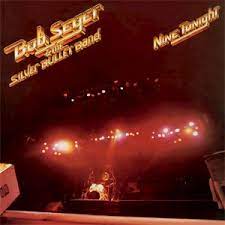
We've Got Tonight is one of the most successful and enduring ballads of the 1970s, serving as the third single from the 1978 album Stranger in Town. Written by Seger, the song reached number 13 on the Billboard Hot 100 and has since become a global romantic standard.
The track is recognized for its intimate piano opening and its heartfelt plea for a temporary refuge from the world. Interestingly, the song was inspired by a scene in the film The Sting, and Seger originally titled it "We've Got Tonight" after a line in the movie. While no formal music video was made in 1978, various live television performances have become iconic.
The song achieved further fame through massive covers by Kenny Rogers and Sheena Easton, and later by Ronan Keating, proving the timelessness of its melody and message.
Chords And Strumming
This one is in atandard tuning with no lead and in standard tuning with the chords A, E, D, Dmaj7, Esus, E/Ab, D/Gb, A/E and an F. For rhythm you can use a root down root down and repeat as you move thru this one due to the piano.
Guitar Lesson Detail - (chords & lyrics sheet incl with lesson)
Chords & LyricsJump To Top
You'll Accompany Me - Learn To Play On Guitar
You'll Accompany Me is a melodic and optimistic folk-rock track that served as the third single from the 1980 album Against the Wind. Written by Seger, the song reached number 14 on the Billboard Hot 100 and became a staple of adult-oriented rock radio.
The track is recognized for its breezy acoustic arrangement and its sincere, romantic lyric about a man’s confidence that he will eventually win over the woman he loves. While no high-budget music video was produced, the song’s success helped the album stay at the top of the charts for six weeks.
The recording features a more acoustic, "gentle" sound that reflected the maturity Seger was reaching in his songwriting during the early 1980s. It remains a fan favorite for its warmth and its portrayal of persistent, hopeful love, frequently played at weddings and romantic celebrations.
Chords And Strumming
I play a capo 2nd fret here in standard tuning with no lead required and the chords C, G and F. For rhythm just a steady shuffle pattern.
Guitar Lesson Detail - (chords & lyrics sheet incl with lesson)
Chords & LyricsJump To Top
Thank you for dropping by my Bob Seger greatest hits songs page and I hope the info found here was helpful.
If you liked this Bob Seger greatest hits songs page, you might also like ... (click images)
Bob Seger Documentary
Acoustic Versions Of Rock Songs
Latest 100 Tutorials
© 2019–2026 KirbysGuitarLessons.com — All Rights Reserved