Learn How to Play Dean Martin Songs on Guitar
(Page Updates Coming)

Dean Martin's smooth voice and classic charm made him one of the most unforgettable singers of all time.
Browse 11 professionally arranged Dean Martin guitar lessons, each including an HD video lesson, printable PDF and instant download.
Whether you're strumming along to That's Amore, swinging through Sway, or slowing things down with Return to Me, these lessons will help you master the rhythm and feel of Dean Martin’s timeless hits.
🎸 Watch the Dean Martin Guitar Lessons Overview
performance clips taken directly from the complete lesson videos.
Click Play, then drag the timeline to preview any song featured below.
Note: Every arrangement has been personally created, recorded and taught by Kirby
using teaching methods refined through decades of acoustic guitar instruction.
What's Included With Every Lesson
📦 Your Lesson Package Includes
✓ 8–12 minute HD video lesson
✓ Printable chords & lyrics PDF

✓ Instant download after purchase
✓ Learn at your own pace on any device
Dean Martin Guitar Lessons Included On This Page
Ain't That A Kick In The Head Guitar LessonEverybody Loves Somebody Guitar Lesson
Little Ole Wine Drinker Me Guitar Lesson
Mambo Italiano Guitar Lesson
Memories Are Made Of This Guitar Lesson
My Rifle My Pony And Me Guitar Lesson
Release Me Guitar Lesson
Return To Me Guitar Lesson
Sway Guitar Lesson
That's Amore Guitar Lesson
We'll Sing In The Sunshine Guitar Lesson
You Belong To Me Guitar Lesson
🎁 Watch a Free Performance Demo
Scroll down to check out a completely free demo on Dean Martin’s “Mambo Italiano”Ain't That A Kick In The Head - Learn To Play On Acoustic Guitar
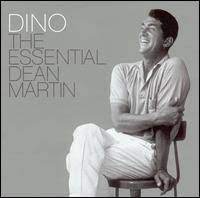
Ain't That A Kick In The Head was written in 1960 by the legendary songwriting team of Jimmy Van Heusen and Sammy Cahn specifically for the original Ocean's 11 film starring Frank Sinatra, Dean Martin and the Rat Pack.
Early production notes even referred to the song as "Ain't That a Kick in the Seat" before the final title was adopted. Dean Martin recorded the swinging big-band arrangement with Nelson Riddle's Orchestra, and the song was memorably performed during a casino scene in the film. Although Martin's original single failed to chart, it steadily grew in popularity through later compilation albums and became one of his signature recordings.
The song has since been covered by numerous artists, including Westlife on their 2004 tribute album ...Allow Us to Be Frank.
Ain't That A Kick In The Head Chords And Strumming
The rhythm is what gives Ain't That A Kick In The Head its distinctive vibe playing this one with a capo 2nd fret and with a root down root up down up and repeat rhythm pattern. Some lead here as you play through the chords C, G7, Adim, Dm7, G, E7, A7 and D7.
Guitar Lesson Details - (chords & lyrics sheet incl with lesson)
Back To Song List
Everybody Loves Somebody
- Learn To Play On Acoustic Guitar
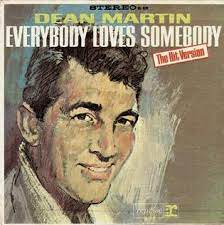
Everybody Loves Somebody was originally written in 1947 by Sam Coslow, Irving Taylor and Ken Lane, and was recorded by several artists over the following years, including Frank Sinatra, before Dean Martin made it his own.
Released in 1964 as the title track from the album Everybody Loves Somebody, Martin's version became an international hit and reached No. 1 on the Billboard Hot 100. In a remarkable chart achievement, it knocked The Beatles' "A Hard Day's Night" from the top of the charts, ending the group's remarkable run at No. 1.
The recording went on to become Dean Martin's signature song, surpassing earlier favourites such as That's Amore, and remains one of the most recognizable vocal performances of his career.
Everybody Loves Somebody Chords And Strumming
The chord progression in Everybody Loves Somebody is built around the chords A7 +7, D, Daug, G, B7, Em, C, A7, Gbm, Fm, A7/A#, Em/D, D7, Gb/D and an E7 in standard tuning. For rhythm play a root up down up root up down up and repeat pattern and this one has some picking to learn.
Guitar Lesson Details - (chords & lyrics sheet incl with lesson)
Back To Song List
Little Ole Wine Drinker Me - Learn To Play On Acoustic Guitar
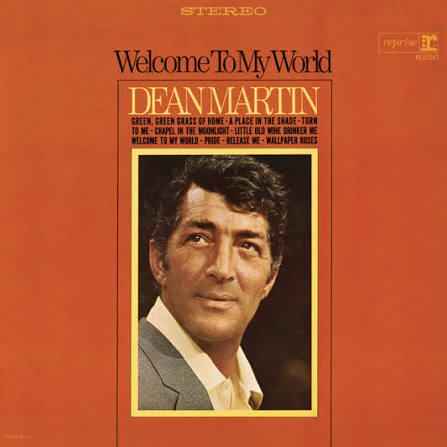
Little Ole Wine Drinker Me was written by Hank Mills and first recorded by country singer Robert Mitchum in 1967, but it was Dean Martin's easygoing rendition that turned the song into a memorable hit.
Released later that year as a single, it climbed to No. 9 on the Billboard Easy Listening chart and reached the Top 40 on the Billboard Hot 100. The song also appeared on Dean Martin's 1967 album Happiness Is Dean Martin.
With its relaxed country-pop feel and humorous tale of heartbreak eased by a glass of wine, the recording became one of Martin's best-loved late-career hits and remains a favorite among fans of his warm, laid-back vocal style.
Little Ole Wine Drinker Me Chords And Strumming
The rhythm is what gives Little Ole Wine Drinker Me its distinctive character as you play a root up down up or root up down up bass up down up patter. The chords here are E, A and B7 for the first part and then a one fret chord change playing a C7 followed by an F, A# and a C. I have a short picking break in this one which is a bit longer than the harmonica break in the original song.
Guitar Lesson Details - (chords & lyrics sheet incl with lesson)
Back To Song List
Mambo Italiano - Learn To Play On Acoustic Guitar
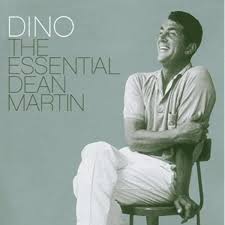
Mambo Italiano was written by Bob Merrill in 1954 under an unusually tight deadline. According to the popular story, Merrill was sitting in an Italian restaurant when inspiration struck, and he quickly scribbled the lyrics on a paper napkin before calling a pianist waiting in the recording studio to sing the melody over the telephone.
The song was first recorded by Rosemary Clooney, whose lively version became a No. 1 hit in 1954 and one of her biggest career successes. Dean Martin released his own swinging interpretation the following year, and although it did not chart in the United States, it reached No. 2 in Australia in 1955.
While never included on one of Martin's original studio albums, the recording has since appeared on numerous greatest hits and compilation collections, including The Essential Dean Martin.
Mambo Italiano Chords And Strumming
Once you become familiar with the chord changes in Mambo Italiano which include Em, Am, B7, C, Gb, G, E7, D7, Em/D#, Em/D, Db/E and a C7, you'll catch the vibe of the song. Some lead work blended into the rhythm in standard tuning with the rhythm pattern of root down up down up root up down up with a few chops throughout.
Guitar Lesson Details - (chords & lyrics sheet incl with lesson)
Back To Song List
Memories Are Made Of This - Learn To Play On Acoustic Guitar
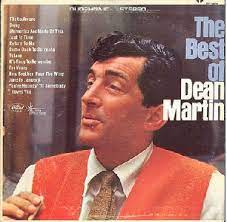
Memories Are Made Of This was written by Richard Dehr, Terry Gilkyson and Frank Miller, members of the folk trio The Easy Riders, who also provided the backing vocals on Dean Martin's recording.
Released in late 1955, the song became one of the biggest hits of Martin's career, reaching No. 1 in both the United Kingdom and on the U.S. Billboard charts in early 1956. It remains Dean Martin's only chart-topping single in the UK. The song's popularity quickly spread around the world and inspired numerous cover versions by artists including The Everly Brothers, The Drifters, Johnny Cash, and many others.
Interestingly, the best-selling recording overall was not Dean Martin's version but a hugely successful German-language adaptation titled "Heimweh" by Freddy Quinn, which became one of Germany's biggest post-war hits.
Memories Are Made Of This Chords And Strumming
A relaxed tempo helps bring out the emotion in Memories Are Made Of This by playing a root down up up down up and repeat rhythm pattern in standard tuning. No lead work here with the chords E, B7, A, E7 and Gb.
Guitar Lesson Details - (chords & lyrics sheet incl with lesson)
Back To Song List
My Rifle My Pony And Me - Learn To Play On Acoustic Guitar
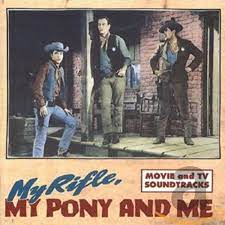
My Rifle My Pony And Me was written by Dimitri Tiomkin (music) and Paul Francis Webster (lyrics) for the classic 1959 Western film Rio Bravo. The movie starred John Wayne, Dean Martin, Ricky Nelson, Walter Brennan, and Angie Dickinson, with Dean Martin and Ricky Nelson performing the song together in one of the film's most memorable scenes.
Martin later recorded a solo version, which has since become one of his best-known Western recordings. Although never released as a major chart single, the song remains closely associated with both Dean Martin and Rio Bravo, and is often affectionately referred to by fans as "Dean Martin's Rio Bravo song."
Its gentle melody and nostalgic cowboy theme have helped make it a lasting favourite among classic Western music enthusiasts.
My Rifle My Pony And Me Chords And Strumming
A smooth strumming pattern helps recreate the feel of My Rifle My Pony And Me by strumming lightly for the first bit and then play a root down up root up down up pattern. I use a capo 1st fret here and no lead in this one while playing the chords C, F, G, Am, C7 and Em.
Guitar Lesson Details - (chords & lyrics sheet incl with lesson)
Back To Song List
Release Me - Learn To Play On Acoustic Guitar
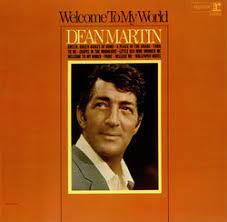
Release Me was written by Eddie Miller, Robert Yount and James Pebworth, with the song first published and recorded in 1949. Over the years it was covered by numerous country and pop artists before both Dean Martin and Engelbert Humperdinck recorded their own versions in 1967.
While Dean Martin's smooth interpretation appeared on his album Happiness Is Dean Martin, it was Humperdinck's recording that became one of the biggest-selling singles of the decade. The song spent 56 weeks on the UK Singles Chart and famously kept The Beatles' "Penny Lane / Strawberry Fields Forever" from reaching No. 1.
Today, Release Me remains one of the defining recordings of Engelbert Humperdinck's career while also standing as one of Dean Martin's memorable late-career ballads.
Release Me Chords And Strumming
Most guitarists find the chords in Release Me easier than most other songs from Dean Martin. For chord here you'll need to play D, A, G, B7, Em, Ddim and an A7 and you'll play a few riffs and do some lead work while in standard tuning. The rhythm here is a root down root up down up and repeat pattern.
Guitar Lesson Details - (chords & lyrics sheet incl with lesson)
Back To Song List
Return To Me
- Learn To Play On Acoustic Guitar
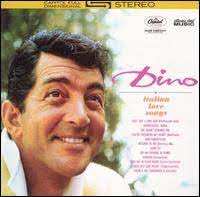
Return To Me was written by Carmen Lombardo and Danny Di Minno and released as a single by Dean Martin in 1958.
Featuring its memorable blend of English and Italian lyrics, the romantic ballad quickly became one of Martin's biggest international hits. The recording reached No. 4 on the U.S. Billboard charts, climbed to No. 2 in the United Kingdom, and spent an impressive 22 weeks on the UK chart while also reaching No. 1 in the Netherlands.
The song's enduring popularity led Dean Martin to record it again in 1961 for his album Dino: Italian Love Songs, released the following year. Over the decades, Return to Me has remained one of Martin's most recognizable recordings and a timeless favourite among fans of traditional pop and romantic ballads.
Return To Me Chords And Strumming
Guitarists new to Return To Me often discover is sounds great by playing it with drop D tuning. Some lead required here while playing a root down bass up down up and repeat rhythm pattern with the chords A7, D, G and an E.
Guitar Lesson Details - (chords & lyrics sheet incl with lesson)
Back To Song List
Sway
- Learn To Play On Acoustic Guitar
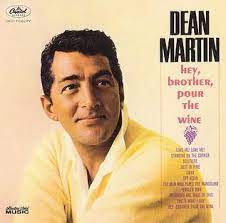
Sway began life as the Mexican bolero-mambo "¿Quién será?", written by Luis Demetrio and Pablo Beltrán Ruiz in 1953. The song was later recorded by legendary Mexican singer Pedro Infante, before lyricist Norman Gimbel created an entirely new set of English lyrics that transformed it into the international standard known today.
Dean Martin recorded his smooth, swinging version in 1954 with Dick Stabile's Orchestra, helping introduce the song to English-speaking audiences. His recording became a major hit, reaching No. 6 on the UK Singles Chart and No. 15 on the U.S. Billboard Best Sellers chart.
Since then, Sway has become one of Martin's signature recordings and has been covered by countless artists, including Michael Bublé, whose modern interpretation introduced the classic to a new generation.
Sway Chords And Strumming
Keeping a steady rhythm is the biggest key to playing Sway on acoustic guitar. Play a root down up down up root up down up and repeat rhythm pattern. Some lead is required in this number played in standard tuning with the chords A7, Dm, A+, Dm, C and F.
Guitar Lesson Details - (chords & lyrics sheet incl with lesson)
Back To Song List
That's Amore
- Learn To Play On Acoustic Guitar
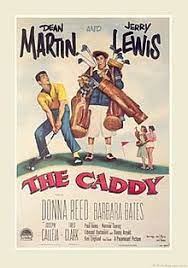
That's Amore was written by composer Harry Warren and lyricist Jack Brooks for the 1953 comedy film The Caddy, starring Dean Martin and Jerry Lewis.
Hoping to create a memorable hit for the movie, producer Hal Wallis commissioned the songwriting team to write several songs for Martin, with "That's Amore" emerging as the standout success. The recording became one of Dean Martin's signature songs, earning an Academy Award nomination for Best Original Song and reaching No. 2 on the U.S. Billboard charts.
The title comes from the Italian word "amore," meaning "love," perfectly reflecting the song's playful celebration of Italian culture. More than seventy years later, That's Amore remains one of the most recognizable and beloved recordings of Dean Martin's career.
That's Amore Chords And Strumming
The groove behind That's Amore is surprisingly straightforward once you get it but it changes from it's begining intro. Play a shuffle rhythm in the beginning and then use root down down or root down up down up and repeat once the song gets moving. No lead and for chords you'll need a Am, Dm, E7, A, B7, Db, Gb, D, F, A#, C7, Eb and Ebm in standard tuning.
Guitar Lesson Details - (chords & lyrics sheet incl with lesson)
Back To Song List
We'll Sing In The Sunshine - Learn To Play On Acoustic Guitar
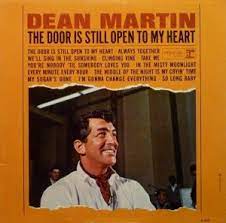
We'll Sing In The Sunshine was written and recorded by New Zealand-born singer-songwriter Gale Garnett in 1964. The folk-pop anthem became her signature recording, reaching No. 4 on the Billboard Hot 100, No. 1 on the Adult Contemporary chart, and earning Garnett a Grammy Award for Best Folk Recording.
Its popularity quickly led to recordings by a wide range of artists, including Sonny & Cher, Wanda Jackson, Helen Reddy, and Dolly Parton. Dean Martin recorded his own smooth interpretation later that same year for the album The Door Is Still Open to My Heart.
Although Martin never released it as a single, his version introduced the contemporary folk hit to his traditional pop audience and remains a favourite among collectors of his 1960s recordings.
We'll Sing In The Sunshine Chords And Strumming
Once the rhythm feels natural, We'll Sing In The Sunshine becomes a breeze to play on guitar. I use a capo 2nd on this one with a root down up root up down up and repeat pattern with some arpeggio blended in but no lead. The chords you'll need are C, Em, F, G, Dm7, G7 and a C7.
Guitar Lesson Details - (chords & lyrics sheet incl with lesson)
Back To Song List
You Belong To Me - Learn To Play On Acoustic Guitar
You Belong To Me was written by Chilton Price, Pee Wee King and Redd Stewart and became one of the biggest songs of 1952. Before Dean Martin recorded his version, the song had already been released by several artists, including Patti Page, Joni James and Jo Stafford, whose recording made history as the first No. 1 hit by a female artist on the Billboard charts.
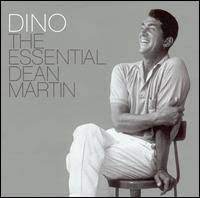
Dean Martin released his smooth interpretation in August 1952, and despite the strong competition, it climbed to No. 12 on the U.S. charts. Although the recording did not appear on one of Martin's original studio albums, it has since been featured on numerous Dean Martin greatest hits collections, including The Essential Dean Martin.
Over the years, the timeless standard has also been recorded by artists such as Bob Dylan and Jason Wade, introducing the classic to new generations of listeners.
You Belong To Me Chords And Strumming
The goal of this arrangement is to capture the feel of You Belong To Me with a single acoustic guitar. I play this one in standard tuning with a root up down up and repeat rhythm pattern ina relaxed strum but some mellow lead is required. The chords here are C, Cm, G, D/Gb, Em, A7, D7, Bm, Am7 and a Dm.
Guitar Lesson Details - (chords & lyrics sheet incl with lesson)
Back To Song List
About These Arrangements
- Every lesson features Kirby's own acoustic arrangement.
- Lessons are designed for solo acoustic guitar.
- Each download includes an HD MP4 lesson and printable PDF.
- All preview videos on this page demonstrate the actual arrangement taught in the lesson.
FAQ
1. What is included?
Each purchase includes a zip file containing an .mp4 video file approx (8-12 min) depending on the song ... Intro to the song, the lesson of my arrangement and a demo of me playing the song from start to finish)
2. Can I watch on iPad?
Yes all videos are .mp4 video format which can be played universally on most devices including IPads.
3. Can I print the PDF?
Yes
4. Instant download?
Yes links are automatically sent to your email after purchase ... download the file within 24hrs of receiving as the download link expires after that time ... one you have the file download, it never expires.
These Dean Martin guitar songs are perfect for relaxing evenings, romantic sing-alongs, or adding some Rat Pack style to your setlist. With just a few simple chords and the right rhythm, you’ll bring Dean’s magic to life. Scroll up to choose a song and start playing today.
Explore More Rat Pack & Showroom Legends ... (click image)
Las Vegas Guitar Songs
Latest 100 Tutorials
© 2019–2026 KirbysGuitarLessons.com — All Rights Reserved