Don Williams - You're My Best Friend (Acoustic Guitar Lessons)
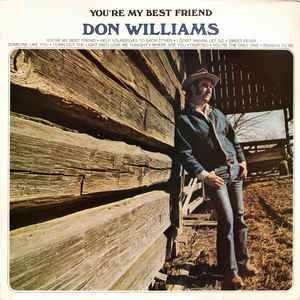
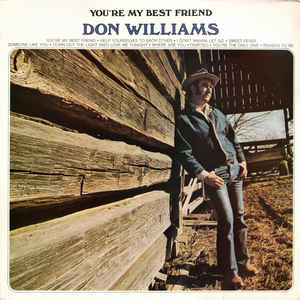
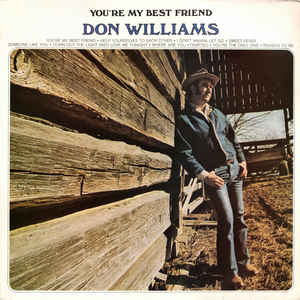
Released in 1975, the You're My Best Friend album is arguably the most pivotal record in Don Williams’ career, delivering two back-to-back #1 hits that defined the "Gentle Giant" sound for a global audience.

This collection is a primary resource for acoustic guitarists, anchored by the iconic title track "You're My Best Friend" and the rhythmic masterclass of "(Turn Out the Light and) Love Me Tonight." At this stage in his career, Don’s production style had reached its peak of refined simplicity—utilizing dry, clean acoustic textures that allowed his baritone voice and steady-thumb rhythm to take center stage.
In these lessons, I break down the specific chord voicings and the relaxed, behind-the-beat pocket that made these mid-70s recordings timeless. Whether you are a beginner looking for melodic clarity or an intermediate player mastering the "Don Williams Bounce," this album provides the essential blueprint.
🎸 Overview Video -
“Watch This Preview of My
Don Williams You're My Best Friend Album”
Vol 1 Album Here
Vol 2 Album here
Vol 3 Album Here
Country Boy Album Here
Visions Album Here
Cellar Tapes Album Here
More Don Williams Here
Don Williams Inspired Throw Pillow Collection


I may be able to create a custom pillow design just for you.
Don Williams Guitar List
Help Yourselves to Each Other
I Don't Wanna Let Go
Reason to Be
Someone Like You
Sweet Fever
Tempted
Turn Out the Light And Love Me Tonight
Where Are You
You're My Best Friend
You're The Only One
Help Yourselves to Each Other - Learn To Play On Guitar
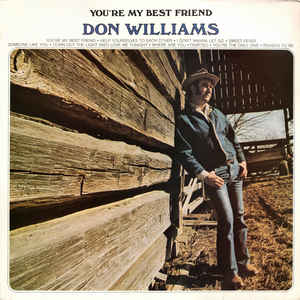
Help Yourselves To Each Other is the quintessential collaboration between Don Williams and his core creative team, songwriters Bob McDill and Allen Reynolds. This track perfectly captures the mid-70s philosophy of community and kindness that Don championed throughout his career.
While it was never released as a single, the song carries a heavy reputation among traditionalists and was notably covered by both The Kendalls and Bobby Bare. It remains a fan favorite because it embodies that warm, inclusive spirit that made Don’s JMI Records era feel so personal and inviting to listeners around the world.
Chords And Strumming
This one I play with a capo 2nd fret in standard tuning with a root up down up and repeat rhythm pattern. No picking required here as you play the chords A, D and an E or you can play the D chord with an A in the bass.
Guitar Lesson Details - (chords & lyrics sheet incl with lesson)
Back To Song List
I Don't Wanna Let Go - Learn To Play On Guitar
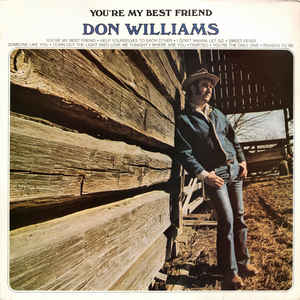
I Don't Wanna Let Go is a deeply melodic ballad that showcases the sensitive side of the Nashville sound. Written by the legendary Wayland Holyfield—who was responsible for many of Don's most iconic hits—this song is a masterclass in emotional restraint.
Although Don didn't release this specific track as a single, its quality was recognized by his peers, most notably by Waylon Jennings, who recorded his own version for the The Taker/Tulsa album.
The song serves as a beautiful example of how a simple romantic sentiment can be elevated through the sincere, baritone delivery that became Don's trademark.
Chords And Strumming
In this one you'll play a root down up down up and repeat for rhythm with the chords D, G and an A in standard tuning. A few riffs in this one for the picking segment.
Guitar Lesson Details - (chords & lyrics sheet incl with lesson)
Back To Song List
Reason to Be - Learn To Play On Guitar
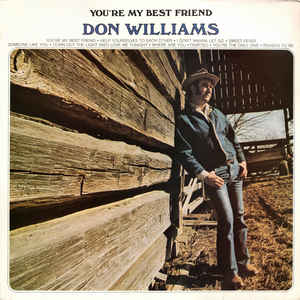
Reason To Be stands out as a hidden gem that reveals the more vulnerable side of Don’s vocal range.
This song was never sent to radio as a single and remains largely un-covered by other major artists, which makes it a unique "collector’s track" for true fans of the album.
It is one of the few moments in the 1975 sessions where the production takes a backseat to the lyrical questioning of the song, providing a moment of quiet reflection that balances out the more rhythmic hits found elsewhere on the record.
Chords And Strumming
I play a capo 2nd fret for this one with a G, C and a D chord with a decending bass line built in. You'll play a down up down down up down up and repeat and you move through the chords in this one. No lead break as the moving bass line kinda is the picking break.
Guitar Lesson Details - (chords & lyrics sheet incl with lesson)
Back To Song List
Someone Like You - Learn To Play On Guitar
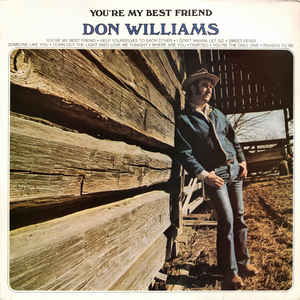
Someone Like You is a beautiful testament to the songwriting prowess of Dickey Lee, the man who also penned the country classic "She Thinks I Still Care." This track is a masterclass in musical economy, using a lean arrangement to let the central message of devotion stand on its own.
While it remained an album track for Don, his frequent collaborator and fellow country legend Emmylou Harris recognized the song’s brilliance and recorded her own version. This song represents the high standard of songwriting present during the You're My Best Friend sessions, where even the non-singles were strong enough to be covered by Hall of Fame artists.
Chords And Strumming
For this one I have a capo on the 4th which is the original key while playing a G, C and D. For rhythm play a root down up root up down up and repeat. There is a picking segment in this number.
Guitar Lesson Details - (chords & lyrics sheet incl with lesson)
Back To Song List
Sweet Fever - Learn To Play On Guitar
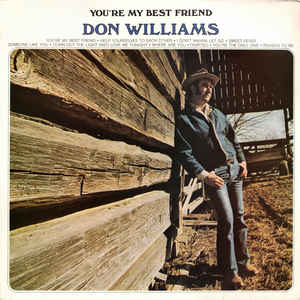
Sweet Fever brings a shot of rhythmic energy to the album, capturing the dizzying, almost "paralyzed" feeling of falling head-over-heels in love.
This track is a rare example of a song that feels upbeat and infectious without losing the "Gentle Giant" mellow touch. It never saw a release as a single and has remained a relatively exclusive part of Don's discography with few commercial covers.
Trivia buffs will note that the lyrics deal with a physical reaction to love—the "funny feeling" and "weak knees"—which was a recurring and relatable theme in Don’s mid-70s material.
Chords And Strumming
The chords here are a C, F and G but you'll need a a low vocal or add a capo to the fretboard. Play a root down root up down up and repeat for the required rhythm pattern. Just a few riffs and a picking break needed for this tune.
Guitar Lesson Details - (chords & lyrics sheet incl with lesson)
Back To Song List
Tempted - Learn To Play On Guitar
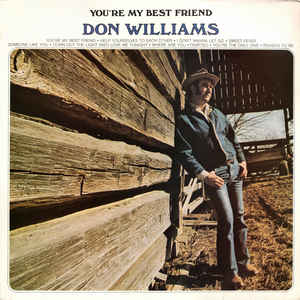
Tempted was written by Al Turney, the songwriter behind the classic "I'm Not Ready Yet," the song "Tempted" is a standout example of 1970s country-folk phrasing.
The track is built on a sense of building tension that perfectly mirrors the lyrical theme of resisting a new attraction. Although Don didn't take this one to the charts as a single, the legendary Marty Robbins saw the potential in the song and recorded his own version.
It remains a significant track for those who appreciate the storyteller side of Don's repertoire, where the narrative of the song is just as important as the melody.
Chords And Strumming
The original key is a capo 2nd fret but I have a capo 5th because Don's voice was low. The chords here are G, C and a D while playing a root down root up down up and repeat. A short picking break followed a bit later by a longer break.
Guitar Lesson Details - (chords & lyrics sheet incl with lesson)
Back To Song List
Turn Out the Light And Love Me Tonight - Learn To Play On Guitar
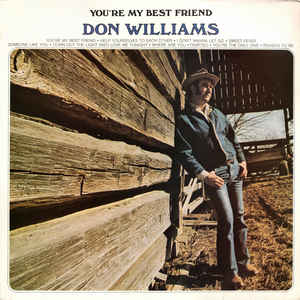
Turn Out The Light And Love Me Tonight is one of the most significant milestones in Don Williams’ career. Released as a single in 1975, it soared to #1 on the Billboard Hot Country Songs chart, becoming his second career chart-topper and proving that his understated style was a massive commercial force.
The song has been covered by heavyweights like Conway Twitty and Ty Herndon, cementing its status as a country standard. Interestingly, this track solidified the "Gentle Giant" persona in the eyes of the public, showcasing a sensual yet respectful romanticism that was unique in the Nashville scene at the time.
Chords And Strumming
This one is in standard tuning with a root down root up down up and repeat rhythm pattern in the original key of D while playing the chords D, G and an A. Some picking required here but you find you need a capo unless you have a deep voice as this one goes quite low in the verses.
Guitar Lesson Details - (chords & lyrics sheet incl with lesson)
Back To Song List
Where Are You - Learn To Play On Guitar
Where Are You provides a haunting, melancholic contrast to the warmer tracks on the album. This song is an exercise in mood, focusing on the stark sense of loss and longing that comes when a loved one is gone.
It was never released as a single and has seen very few covers, which preserves the intimacy of Don’s original version.
One unique piece of trivia for this track is the production; it’s one of the few moments on the album where the signature "dry" studio sound is swapped for a slightly more atmospheric, reverb-heavy vocal mix to emphasize the loneliness of the lyrics.
Chords And Strumming
This one is in the original key in standard tuning played with with a root up down up and repeat while playing the chords G, Am, C and D. Or for rhythm you can play a root followed by an arpeggio note as you strum through the chord. Some picking required in this one.
Guitar Lesson Details - (chords & lyrics sheet incl with lesson)
Back To Song List
You're My Best Friend - Learn To Play On Guitar
You're My Best Friend is the song that transformed Don Williams into an international icon. Released as a single in 1975, it hit #1 in both the US and the UK, and eventually earned the CMA Song of the Year honors in 1976.
This song is so beloved that it has been covered by a diverse range of artists, from Waylon Jennings and Anne Murray to Petula Clark.
A fascinating piece of trivia is that this song is often credited with sparking the "Don Williams craze" in Africa and Europe, where its simple, universal message of friendship and love resonated across all cultural boundaries.
Chords And Strumming
This one is in the original with a capo 1st fret while playing a root down root up down up and repeat for rhythm or play a root down bass up down up. The chords here are C, F and G. No lead in here but a few riffs.
Guitar Lesson Details - (chords & lyrics sheet incl with lesson)
Back To Song List
You're The Only One - Learn To Play On Guitar
You're The Only One serves as the perfect closing sentiment for the 1975 album sessions. While Don’s version was a beautiful album track that wasn't released as a single, the song was so undeniably strong that Dolly Parton recorded it just a few years later in 1979 and took it all the way to #1 on the charts.
A song that was an "understated" track for Don became a massive crossover hit for another legend. It stands as a testament to the incredible quality of material Don was selecting during this golden era of his recording career.
Chords And Strumming
I play a capo 2nd fret here with the chords G, C and D which still puts me in the original while in standard tuning. Play a root down root up down up and repeat or play a root down bass up down up for the rhythm. Some picking in this number.
Guitar Lesson Details - (chords & lyrics sheet incl with lesson)
Back To Song List
Mastering the tracks on the You're My Best Friend album requires a focus on rhythmic discipline and the "less is more" philosophy. From the melodic simplicity of "Someone Like You" to the steady, driving groove of "The Ties That Bind," each song demonstrates how a minimalist acoustic arrangement can carry immense emotional weight. These tutorials are designed to help you capture that intimate, front-porch feel by focusing on clean transitions and consistent right-hand timing. By adding these 1975 classics to your repertoire, you are not just learning hits; you are mastering the art of the "Gentle Giant’s" acoustic accompaniment. Grab your guitar, find your groove, and let’s keep building your archive of the most influential acoustic country ever recorded.
If you liked this Don Williams My Best Friend page you might also like ... (click images)
Don Williams Interview
Very Easy Country Guitar Songs
Latest 100 Tutorials
© 2019–2026 KirbysGuitarLessons.com — All Rights Reserved