Elton John Best Of Songs
On The Acoustic

On this Elton John best of songs page are several guitar lessons featuring Elton John hit on the acoustic you can easily learn.
Watch my free demos on each and help yourself to the free chord sheets.If you need the full instructional tutorials, they are available for a small fee. See the homepage for even cheaper discounts.
🎸 Overview Video -
“Watch This Preview of My
Elton John Best Guitar Songs”
Soon
Elton John Guitar List
Bennie And The JetsCapt Fantastic
Country Comfort
Crocodile Rock
Daniel
Don't Let The Sun Go Down On Me
Empty Garden
Friends
Goodbye Yellow Brick
Harmony
Honky Cat
Mama Cant Buy You Love
Mona Lisas And Mad Hatters
Nikita
Philadelphia Freedom
Rocket Man
Runaway Train
Sacrifice
Sad Songs
Sartorial Eloquence
Saturday Night's Alright For Fighting
Someone Saved My Life Tonight
Something About The Way You Look Tonight
Sorry Seems To Be The Hardest Word
Talking Old Soldiers
Teacher I Need You
Tiny Dancer
Bennie And The Jets - Learn To Play On Guitar
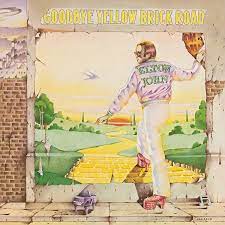
Bennie And The Jets stands as one of the most identifiable tracks in the history of glam rock, serving as a pillar of the 1973 double album Goodbye Yellow Brick Road. This Elton John and Bernie Taupin composition was released as a single in early 1974 and became a monumental success, topping the Billboard Hot 100 and reaching number one in Canada.
Interestingly, the song features a simulated live atmosphere with canned audience applause and a distinctive, heavy piano chord opening that became a trademark of Elton's live sets. Though it was initially intended as a satire of the mid-70s music industry, it became a massive crossover hit on R&B radio, a rare feat for a British rock artist at the time.
The song has seen various covers and was famously performed by Elton with Soul Train dancers, cementing its status as a cultural phenomenon.
Chords And Strumming
- Drop D Tuning:No
- Capo: No
- Rhythm: use mainly downstrokes
- Picking: No just a few riffs
- Chords: Gmaj7, Fmaj7, Am, D7, G, Gdim, D, Em, C, C7
Guitar Lesson Detail - (chords & lyrics sheet incl with lesson)
Chords & LyricsJump To Top
Capt Fantastic - Learn To Play On Guitar
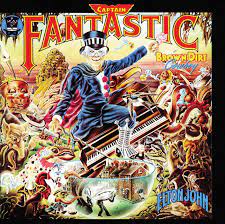
Captain Fantastic is the ambitious title track of the 1975 autobiographical concept album Captain Fantastic and the Brown Dirt Cowboy. This record made history by being the first album ever to debut at number one on the US Billboard 200, a testament to Elton’s peak commercial power.
The song itself serves as a lyrical roadmap of the early career struggles of Elton (Captain Fantastic) and Bernie Taupin (the Brown Dirt Cowboy) as they navigated the London music scene of the late 1960s. While it was not released as a commercial single, the track is celebrated by critics for its intricate narrative and the way it anchors the album’s overarching story.
The production highlights the tight-knit chemistry of the classic Elton John Band lineup, featuring Davey Johnstone, Dee Murray, and Nigel Olsson at the height of their musical synchronicity.
Chords And Strumming
- Drop D Tuning: No
- Capo: No
- Rhythm: root down root up down up and repeat
- Picking: Yes little
- Chords: G, C, Em, G6, D, Cm, A#, F, Am, Dm
Guitar Lesson Detail - (chords & lyrics sheet incl with lesson)
Chords & LyricsJump To Top
Country Comfort - Learn To Play On Guitar
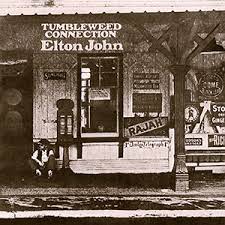
Country Comfort is a gentle, Americana-influenced ballad that appears on the 1970 album Tumbleweed Connection. Though the album was recorded in London, the song was deeply inspired by the roots-rock sound of The Band and the lyrical imagery of the American West.
While Elton did not release it as a single in the UK or the US, it saw a single release in Australia, Brazil, and New Zealand, where it reached the top fifteen. The song gained wider recognition through various high-profile covers, most notably by Rod Stewart on his Gasoline Alley album, which helped establish it as a staple of the early 1970s folk-rock era.
The track is recognized for its organic, acoustic-driven arrangement and remains a favorite for fans who appreciate the "rural" side of the Elton John and Bernie Taupin partnership.
Chords And Strumming
- Drop D Tuning: No
- Capo: No
- Rhythm: down up down up down up and repeat
- Picking: Yes
- Chords: G, F, C, Am, D7, Eb
Guitar Lesson Detail - (chords & lyrics sheet incl with lesson)
Chords & LyricsJump To Top
Crocodile Rock - Learn To Play On Guitar
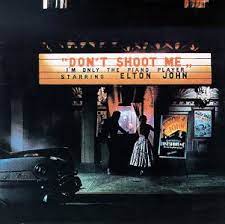
Crocodile Rock provided Elton with his first ever number-one single in the United States, serving as a high-energy tribute to the early days of rock and roll.
Released in late 1972 from the album Don't Shoot Me I'm Only the Piano Player, the song dominated the airwaves in early 1973, staying at the top of the Billboard Hot 100 for three weeks. The track was heavily influenced by the Australian hit "Eagle Rock" and the nostalgic sounds of the 1950s, featuring a distinctive Farfisa organ riff and a playful falsetto chorus.
Despite its massive commercial success, Elton famously expressed a love-hate relationship with the song in later years due to its derivative, novelty nature.
Chords And Strumming
- Drop D Tuning: No
- Capo: No
- Rhythm: You can use a steady up and down or use downstrokes or down down down up down up and repeat
- Picking: No
- Chords: G, Em, C, D, Bm, Em, A, E7
Guitar Lesson Detail - (chords & lyrics sheet incl with lesson)
Chords & Lyrics SoonJump To Top
Daniel - Learn To Play On Guitar
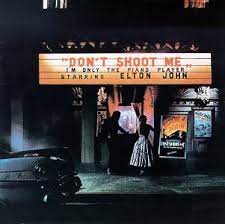
Daniel is a poignant, understated ballad that served as the lead single for the 1973 album Don't Shoot Me I'm Only the Piano Player. Written by Elton and Bernie Taupin, the song was a massive global hit, peaking at number two on the Billboard Hot 100 and reaching number one in Canada and on the Adult Contemporary charts.
The lyrics were inspired by a magazine article about a Vietnam veteran returning to his quiet home life, though the song’s meaning has been frequently debated due to the removal of a final verse that clarified the narrative.
The track is known for its smooth ARP synthesizer backing and warm, Everly Brothers-style harmonies, which gave it a distinctive "calypso" feel.
Chords And Strumming
- Drop D Tuning: No
- Capo: No
- Rhythm: down down up down up down up will work
- Picking: Yes
- Chords: C, F, G, Dm, Am, E7, Ab, A7
Guitar Lesson Detail - (chords & lyrics sheet incl with lesson)
Chords & LyricsJump To Top
Don't Let The Sun Go Down On Me - Learn To Play On Guitar
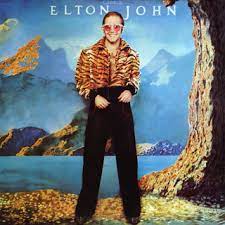
Don't Let The Sun Go Down On Me is a powerful, gospel-tinged anthem that originally appeared on the 1974 album Caribou. As the lead single from that record, it reached number two in the United States and became a staple of FM radio during the mid-70s.
The track is notable for its lush production, featuring backing vocals by Carl Wilson and Bruce Johnston of the Beach Boys, which added a distinctive wall-of-sound quality to the chorus.
While the original recording was a massive success, the song achieved an even higher level of fame in 1991 when a live duet version with George Michael reached number one in both the UK and the US. This version helped introduce the song to a new generation and remains one of the most famous live collaborations in the history of pop music.
Chords And Strumming
- Drop D Tuning: No
- Capo: No
- Rhythm: down down down down up down up and repeat will work
- Picking: No
- Chords: C, C/A#, Am, F, G, D7, Dm7, Em, G#
Guitar Lesson Detail - (chords & lyrics sheet incl with lesson)
Chords & LyricsJump To Top
Empty Garden - Learn To Play On Guitar
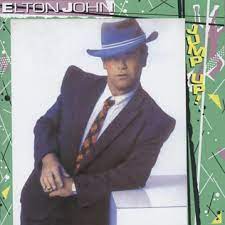
Empty Garden is a deeply personal and moving tribute to John Lennon, released on the 1982 album Jump Up!. Written by Elton and Bernie Taupin shortly after Lennon’s death, the song uses the metaphor of an "empty garden" to describe the void left at Madison Square Garden and in the world of music.
Released as a single in early 1982, it reached the top fifteen in the US and remains one of Elton's most emotionally resonant performances. The lyrics are filled with direct references to their friendship and the times they shared on stage together, making it a definitive piece of Elton’s 1980s catalog.
Despite its beauty, Elton has rarely performed the song live over the decades, often stating that the emotional weight of the tribute makes it a difficult piece to revisit.
Chords And Strumming
- Drop D Tuning: No
- Capo: 2nd fret = original key
- Rhythm: down down up down up down up and repeat
- Picking: No
- Chords: Gsus, G, D, A, Bm, Em, D7
Guitar Lesson Detail - (chords & lyrics sheet incl with lesson)
Chords & LyricsJump To Top
Friends - Learn To Play On Guitar
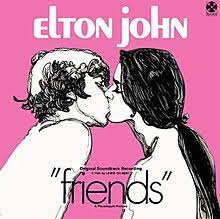
Friends served as the title track and theme song for the 1971 film of the same name, predating much of the work that would make Elton a global superstar.
Released as a single in early 1971, the song reached number 34 on the Billboard Hot 100 and was a significant hit in Canada and Italy. It is a rare entry in his catalog as it was part of a full soundtrack album composed by Elton and Paul Buckmaster, showcasing his early skill at cinematic scoring.
The track is known for its delicate, orchestral arrangement and a message of simple companionship that fit the innocent tone of the film perfectly. While it was eventually overshadowed by the success of his later 70s albums, "Friends" remains a cherished piece of his early repertoire for fans who follow his transition from a session musician to a solo artist.
Chords And Strumming
- Drop D Tuning: No
- Capo: 3rd fret
- Rhythm: down down down up and then use a steady up and down shuffle
- Picking: No
- Chords: Em, A7, D, C, G, A7sus, G/C, F
Guitar Lesson Detail - (chords & lyrics sheet incl with lesson)
Chords & LyricsJump To Top
Goodbye Yellow Brick Road - Learn To Play On Guitar
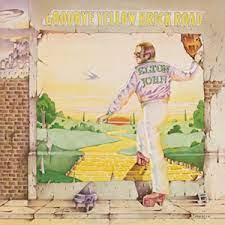
Goodbye Yellow Brick Road is the legendary title track of the 1973 double album of the same name, often cited as the pinnacle of the Elton John and Bernie Taupin partnership.
Released as the album's second single in late 1973, it became a monumental hit, reaching number two on the Billboard Hot 100 and spending several weeks at the top of the Canadian charts.
The song is a cinematic masterpiece, with lyrics that reflect Bernie Taupin’s desire to return to his rural roots and escape the overwhelming pressures of fame.
The track is celebrated for its intricate vocal harmonies and the grand, operatic quality of Elton’s piano arrangement. Elton chose to name his massive multi-year farewell tour after the song, cementing its status as one of the most important recordings in the history of rock music.
Chords And Strumming
- Drop D Tuning: No
- Capo: 3rd fret
- Rhythm: down down up down up down up and repeat
- Picking: No
- Chords: D, A/Db, Bm, Bm/A, G , A7, Em, C, A#, F, Gm, Gb, B7
Guitar Lesson Detail - (chords & lyrics sheet incl with lesson)
Chords & LyricsJump To Top
Harmony - Learn To Play On Guitar
Harmony is the sweeping closing track of Elton John’s 1973 masterpiece Goodbye Yellow Brick Road, is a masterclass in melodic transition and lush vocal arrangement. While often overshadowed by the album’s massive singles, "Harmony" has become a cult favorite for its sophisticated chord structure and poignant lyrics.
For the acoustic guitarist, the challenge and the beauty lie in translating the rich piano-driven textures into a solo guitar arrangement. The song moves through a series of evocative chord changes that require precise finger placement and a delicate touch to capture the original’s melancholic yet hopeful atmosphere.
Mastering this track is about more than just the notes; it’s about understanding the harmonic flow and dynamic builds that made the John/Taupin partnership the gold standard of 1970s songwriting.
Chords And Strumming
Played in standard tuning you'll need a down down down up down up and repeat rhythm pattern with no lead required here. The original key is a capo 1st fret with the chords, play a Dm, C, Gm, F, A, G, D, A, Em, Bm and a Gb.
Guitar Lesson Detail - (chords & lyrics sheet incl with lesson)
Jump To Top
Honky Cat - Learn To Play On Guitar
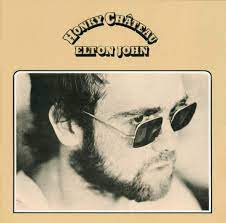
Honky Cat is a high-energy, New Orleans-influenced track that served as the lead single for the 1972 album Honky Château. Written by Elton and Bernie Taupin, the song reached number eight on the Billboard Hot 100 and was a major hit across Europe and Canada.
The track is recognized for its infectious brass arrangement and a driving, honky-tonk piano style that showcased Elton’s early interest in the R&B sounds of the American South.
The lyrics tell the story of a "city boy" being warned about the lures of the big city, reflecting a recurring theme in Bernie Taupin’s early writing. Interestingly, the song was recorded at the famous Château d'Hérouville in France, the same location that would give the album its title.
Chords And Strumming
- Drop D Tuning: No
- Capo: No
- Rhythm: root down up down up and repeat
- Picking: Yes a few riffs
- Chords: D7, G, B7, E
Guitar Lesson Detail - (chords & lyrics sheet incl with lesson)
Chords & LyricsJump To Top
Mama Can't Buy You Love - Learn To Play On Guitar
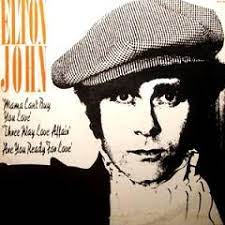
Mama Can't Buy You Love is a rhythmic and soulful track that marked a rare departure for Elton, as it was one of the few hits not written with his longtime partner Bernie Taupin.
Written by Leroy Bell and Casey James, the song was recorded in 1977 during sessions with legendary Philly Soul producer Thom Bell but was not released until 1979 on The Thom Bell Sessions EP. Upon its release, the song became a major hit, peaking at number nine on the Billboard Hot 100 and reaching number one on the Adult Contemporary chart.
The track is recognized for its smooth, Philadelphia-soul production and the way Elton adapted his vocal style to fit the disco and R&B trends of the late 70s. It stands as a testament to his versatility and his ability to find success outside of his primary creative partnership.
Chords And Strumming
- Drop D Tuning: No
- Capo: 3rd fret
- Rhythm: down down up down up down - down up down up down up and repeat
- Picking: No just some descending bass into the rhythm
- Chords: D, D/C, D/B, D/A#, G, Bm, D/Gb, Em., A, Gbm, Gmaj7, Bm/A
Guitar Lesson Detail - (chords & lyrics sheet incl with lesson)
Chords & LyricsJump To Top
Mona Lisas And Mad Hatters - Learn To Play On Guitar
Mona Lisas And Mad Hatters is a hauntingly beautiful and poignant ballad from the 1972 album Honky Château. Written by Elton and Bernie Taupin, the song was inspired by Bernie’s first visit to New York City and the realization that the city was a blend of both beauty and harsh reality.
While it was never released as a commercial single, the track has achieved legendary status and is often cited by both Elton and his fans as one of the greatest songs he has ever recorded. It is known for its delicate piano melody and an evocative lyric that references the Ben E. King classic "Spanish Harlem."
The song saw a major resurgence in popularity after being featured prominently in the film Almost Famous.
Chords And Strumming
- Drop D Tuning: No
- Capo: No
- Rhythm: down down up down up down up
- Picking: No
- Chords: C, F, E7, Am, Am/G, Dm, G, A#, D7
Guitar Lesson Detail - (chords & lyrics sheet incl with lesson)
Chords & LyricsJump To Top
Nikita - Learn To Play On Guitar - Learn To Play On Guitar
Nikita is a massive international hit that appeared on the 1985 album Ice on Fire. Released as a single in late 1985, the song became a global success, reaching number seven on the Billboard Hot 100 and hitting the top three in the UK.
The track is recognized for its smooth, 80s pop production and its narrative of a man falling in love with a female border guard at the Berlin Wall. Interestingly, the song features backing vocals by George Michael and Nik Kershaw, and the iconic music video was directed by Ken Russell.
The song’s title refers to a name that can be either male or female in Russian culture, though the video clearly depicts a romantic interest.
Chords And Strumming
- Drop D Tuning: No
- Capo: No
- Rhythm: down up down up down down up down up down down and repeat
- Picking: No
- Chords: G, Bm, C, G6#11(no3), D7sus, D7, D, F, A#, D#, G#, Cm, G6, Am7
Guitar Lesson Detail - (chords & lyrics sheet incl with lesson)
Chords & LyricsJump To Top
Philadelphia Freedom - Learn To Play On Guitar
Philadelphia Freedom is a soulful, high-energy anthem that was originally released as a stand-alone single in 1975 before being included on his Greatest Hits Volume II collection.
Written by Elton and Bernie Taupin as a tribute to their close friend, tennis star Billie Jean King, and her professional tennis team, the Philadelphia Freedoms, the song became a monumental success, topping the Billboard Hot 100 for two weeks. The track is famous for its lush, Philadelphia-soul-inspired arrangement and its infectious, orchestral "wall of sound."
Despite its title and upbeat feel, the lyrics do not actually mention tennis or King directly, allowing the song to become a broader anthem for the Bicentennial era in America.
Chords And Strumming
- Drop D Tuning: No
- Capo: No
- Rhythm: downstrokes
- Picking: No
- Chords: A, G, D, B, C, Gb, Bm, G7, A/Db, F, Dbm, B7, E, Db7, Gbm
Guitar Lesson Detail - (chords & lyrics sheet incl with lesson)
Chords & LyricsJump To Top
Rocket Man - Learn To Play On Guitar
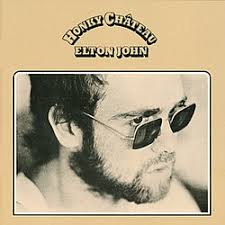
Rocket Man is one of the most culturally significant songs in the history of rock music, serving as the lead single for the 1972 album Honky Château.
Written by Elton and Bernie Taupin, the song was inspired by a short story by Ray Bradbury and explores the loneliness of a futuristic astronaut who views his job as just another "nine to five."
Released in April 1972, the song reached number six on the Billboard Hot 100 and number two in the UK, becoming a definitive anthem of the space-age era. The track is recognized for its atmospheric production and the distinctive slide guitar work of Davey Johnstone.
Its enduring legacy has led to various covers and its use as the title for Elton's 2019 biopic, cementing its status as his most famous and enduring recording.
Chords And Strumming
Soon.
Guitar Lesson Detail - (chords & lyrics sheet incl with lesson)
Chords & LyricsJump To Top
Runaway Train - Learn To Play On Guitar
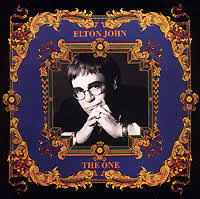
Runaway Train is a high-octane, rhythmic collaboration that features a rare and powerful duet between Elton and his close friend, the legendary Eric Clapton. Released in 1992 as a single from the album The One, the song reached the top ten in several countries and became a significant hit on both rock and adult contemporary radio.
The track is recognized for its driving beat and the distinctive guitar work of Clapton, which provides a perfect counterpoint to Elton’s energetic piano and vocals. Interestingly, the song was recorded during a period of professional and personal renewal for both artists, and its success helped propel the album to platinum status.
Chords And Strumming
- Drop D Tuning: No
- Capo: 3rd fret
- Rhythm: a steady up and down shuffle
- Picking: Yes
- Chords: Em, Am, B, C, B7, G, D
Guitar Lesson Detail - (chords & lyrics sheet incl with lesson)
Chords & LyricsJump To Top
Sacrifice - Learn To Play On Guitar
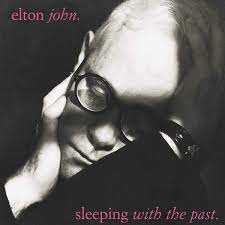
Sacrifice is a beautifully understated and emotionally complex ballad that first appeared on the 1989 album Sleeping with the Past. While the song initially saw modest success upon its release, it achieved massive global fame in 1990 when it was re-released as a double A-side with "Healing Hands."
This re-release became Elton’s first-ever solo number-one single in the United Kingdom, spending five weeks at the top of the charts and reaching the top twenty in the US. Written by Elton and Bernie Taupin, the song deals with the difficult realities of a failing marriage, delivered with a mature and restrained vocal style that reflected the album’s tribute to 1960s soul music.
Chords And Strumming
- Drop D Tuning: No
- Capo: 1st fret
- Rhythm: 1-2-3- up down up down up where 1-2-3 are arpeggio notes within the chord
- Picking: No
- Chords: C, Em, F, Dm, G, Am, Gsus
Guitar Lesson Detail - (chords & lyrics sheet incl with lesson)
Chords & LyricsJump To Top
Sad Songs - Learn To Play On Guitar
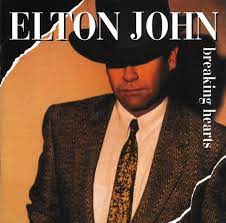
Sad Songs is an infectious, up-tempo anthem that celebrates the cathartic power of music during difficult times. Released in 1984 as the lead single from the album Breaking Hearts, the song became a major hit, peaking at number five on the Billboard Hot 100 and reaching the top ten in several other countries.
Written by Elton and Bernie Taupin, the track was inspired by the idea that "sad songs" can actually provide comfort and clarity when life is at its most challenging. Interestingly, the song’s music video featured Elton and his band in a colorful, 80s-inspired setting, helping it become a staple of the early MTV era.
Chords And Strumming
- Drop D Tuning: No
- Capo: No
- Rhythm: down up stop up down up stop and repeat
- Picking: No
- Chords: C, F, G, C7, G7
Guitar Lesson Detail - (chords & lyrics sheet incl with lesson)
Chords & LyricsJump To Top
Sartorial Eloquence - Learn To Play On Guitar
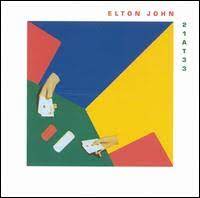
Sartorial Eloquence is a sophisticated and soulful track from the 1980 album 21 at 33. This song marked a notable moment in Elton’s career as it was co-written with Tom Robinson rather than his longtime partner Bernie Taupin. Released as a single in late 1980, the song reached the top forty on the Billboard Hot 100 and performed well on the adult contemporary charts.
The track is recognized for its elegant, orchestral production and a lyric that explores the complexities of image and identity in the music industry. Interestingly, the song features backing vocals by various members of the Beach Boys and Joe Chemay, adding a distinctive harmonic layer to the arrangement.
Chords And Strumming
- Drop D Tuning: No
- Capo: 1st fret
- Rhythm: down down up down up down - down up down up ... and repeat
- Picking: No
- Chords: C, G, Dm, F, Gsus, Csus, Em, Fm, A7, G6
Guitar Lesson Detail - (chords & lyrics sheet incl with lesson)
Chords & LyricsJump To Top
Saturday Nights Alright For Fighting - Learn To Play On Guitar
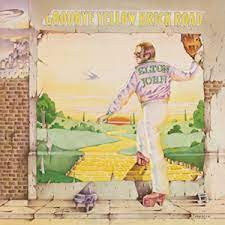
Saturday Night's Alright For Fighting is a raucous, high-energy rock anthem that served as the lead single for the 1973 double album Goodbye Yellow Brick Road. Written by Elton and Bernie Taupin, the song was inspired by Bernie’s memories of rowdy weekend nights at a local pub in his youth.
Released in July 1973, the song reached the top twenty in both the UK and the US and became an immediate staple of rock radio. The track is famous for its driving, guitar-heavy arrangement and Elton’s aggressive piano playing, which showcased a tougher side of his musical persona.
Interestingly, the song has been covered by numerous heavy rock acts, including Nickelback and W.A.S.P., proving its enduring appeal as one of the great rock and roll "brawling" songs.
Chords And Strumming
- Drop D Tuning: No
- Capo: No
- Rhythm: down up stop up down up stop up
- Picking: No
- Chords: G, F, C, Dm, A#
Guitar Lesson Detail - (chords & lyrics sheet incl with lesson)
Chords & LyricsJump To Top
Someone Saved My Life Tonight - Learn To Play On Guitar
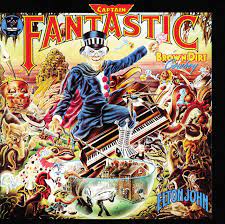
Someone Saved My Life Tonight is a deeply personal and epic ballad from the 1975 autobiographical album Captain Fantastic and the Brown Dirt Cowboy.
As the only single released from the album, it reached number four on the Billboard Hot 100 and is widely considered one of Elton’s finest vocal and songwriting achievements. The lyrics tell the true story of a 1968 suicide attempt by Elton during a disastrous engagement, with the "someone" of the title referring to blues musician Long John Baldry, who convinced Elton to break off the wedding and pursue his career.
The track is recognized for its grand, multi-layered arrangement and a powerful, emotional delivery that captured the life-changing moment perfectly.
Chords And Strumming
- Drop D Tuning: No
- Capo: No
- Rhythm: down down up down up down up and repeat
- Picking: No
- Chords: G, C, C/G, G6, F, Cm, A7, D, Am, B7, Am/G, Bm
Guitar Lesson Detail - (chords & lyrics sheet incl with lesson)
Chords & LyricsJump To Top
Something About The Way You Look Tonight - Learn To Play On Guitar
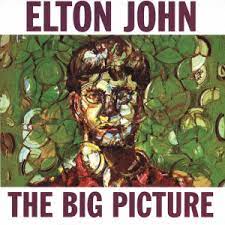
Something About The Way You Look Tonight is a lush and romantic ballad that first appeared on the 1997 album The Big Picture.
While the song is a masterpiece in its own right, it achieved unprecedented historical significance when it was released as a double A-side with the tribute version of "Candle in the Wind" following the death of Princess Diana.
This single became the best-selling physical single of all time, topping the charts in dozens of countries and staying at number one for months. Written by Elton and Bernie Taupin, the track is recognized for its elegant production and a vocal performance that recalled the classic ballads of his 1970s peak.
Chords And Strumming
- Drop D Tuning: No
- Capo: 4th fret
- Rhythm: down down down up down up and repeat
- Picking: No
- Chords: G, A, D, Gb, Bm, Bm/A, Em, A7, B7, F
Guitar Lesson Detail - (chords & lyrics sheet incl with lesson)
Chords & LyricsJump To Top
Sorry Seems To Be The Hardest Word - Learn To Play On Guitar
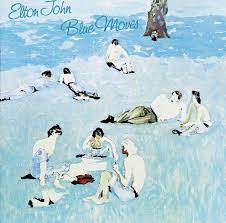
Sorry Seems To Be The Hardest Word is a masterclass in melancholy and understated vocal delivery, released in late 1976 as the lead single from the album Blue Moves.
Written primarily by Elton (who also wrote most of the lyrics for this specific track), the song became a major success, reaching number six on the Billboard Hot 100 and reaching the top ten in the UK.
The track is recognized for its delicate, acoustic-driven arrangement and a poignant melody that perfectly captured the theme of romantic regret.
Interestingly, the song achieved a second life in 2002 when it was covered by the boy band Blue as a duet with Elton, reaching number one on the UK Singles Chart.
Chords And Strumming
- Drop D Tuning: Yes
- Capo: 3rd fret
- Rhythm: down down up down up down up and repeat
- Picking: a few riffs in rhtyhm
- Chords: Em/D, Em/Db, C, Em, Am, B7, D, G, Am, G/Gb, Em/F, A7
Guitar Lesson Detail - (chords & lyrics sheet incl with lesson)
Chords & LyricsJump To Top
Talking Old Soldiers - Learn To Play On Guitar
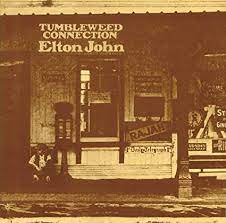
Talking Old Soldiers is a stark and powerful piano ballad from the 1971 album Tumbleweed Connection. Unlike the more lushly produced tracks on the album, this song features only Elton and his piano, creating an intimate and evocative atmosphere.
Written by Elton and Bernie Taupin, the song tells the story of a chance meeting in a bar between a young man and an aging war veteran who is mourning the loss of his comrades.
While it was never released as a single, the track is highly regarded by critics and fans for its narrative depth and its portrayal of loneliness and shared humanity. Interestingly, the song has been covered by Bettye LaVette, who brought a soulful and gritty perspective to the storytelling.
Chords And Strumming
- Drop D Tuning: No
- Capo: 3rd fret
- Rhythm: down down down down up and repeat
- Picking: No
- Chords: Am, Am/G, Fmaj7, E7sus, E7, D/Gb, D
Guitar Lesson Detail - (chords & lyrics sheet incl with lesson)
Chords & LyricsJump To Top
Teacher I Need You - Learn To Play On Guitar
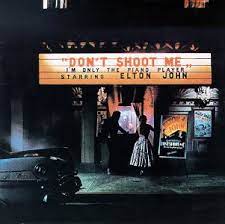
Teacher I Need You is a playful, 1950s-influenced track that appears on the 1973 album Don't Shoot Me I'm Only the Piano Player.
Written by Elton and Bernie Taupin, the song is a nostalgic look at a childhood crush on a schoolteacher, featuring a rhythmic piano style and a high-energy arrangement that echoed the early days of rock and roll. While it was not released as a commercial single, the track became an immediate favorite on rock radio and is recognized for its infectious melody and lighthearted lyrical tone.
Interestingly, the song was recorded during the same sessions that produced the massive hit "Crocodile Rock," and it shares much of that song’s retro-rock DNA.
Chords And Strumming
- Drop D Tuning: No
- Capo: 3rd fret
- Rhythm: down up down up down up
- Picking: No
- Chords: D, C, G, A, Gbm, Bm, Em, A7
Guitar Lesson Detail - (chords & lyrics sheet incl with lesson)
Chords & LyricsJump To Top
Tiny Dancer - Learn To Play On Guitar
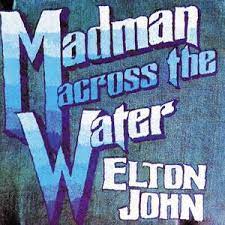
Tiny Dancer is one of the most beloved and culturally significant songs in the history of popular music, originally appearing on the 1971 album Madman Across the Water.
Written by Elton and Bernie Taupin, the song was inspired by Bernie’s first trip to Los Angeles and the spirit of the California music scene. Though it was only a modest hit upon its initial release in early 1972, reaching number 41 on the Billboard Hot 100, it has achieved legendary status over the decades.
The track is famous for its grand, multi-layered production and a sprawling six-minute arrangement that builds into a powerful, orchestral chorus. Its resurgence in popularity after being featured in the film Almost Famous in 2000 cemented its place in the American songbook.
Chords And Strumming
- Drop D Tuning: No
- Capo: No
- Rhythm: down down up down up down up and repeat
- Picking: just a few riffs
- Chords: C, F, G, Am, Em, F, D7, G#, A#, Gm, Cm, G7, Dm
Guitar Lesson Detail - (chords & lyrics sheet incl with lesson)
Chords & LyricsJump To Top
Thanks for stopping by this Elton John best of songs page and I hope you found some useful info here. Visit the other Elton page below.
If you liked this Elton John best of songs page you might also like ... (click images)

Elton At 70
Acoustic Versions Of Rock Songs
Latest 100 Tutorials
© 2019–2026 KirbysGuitarLessons.com — All Rights Reserved