Learn to Play the Greatest Guitar Songs by America
America songs are a natural fit for acoustic guitar, combining folk-rock rhythms, memorable chord progressions and the smooth harmonies that helped define the band's sound.
On this page you'll find eight America guitar lessons, including A Horse With No Name, Sister Golden Hair, Tin Man and Ventura Highway.
Most are beginner-friendly arrangements, while a few introduce bass runs, signature riffs, rhythmic muting and lead work for players ready to take the next step.
🎸 Watch the America Band Guitar Lessons Overview
performance clips taken directly from the complete lesson videos.
Click Play, then drag the timeline to quickly preview any America lesson featured on this page.
Note: Every arrangement has been personally created, recorded and taught by Kirby
using teaching methods refined through decades of acoustic guitar instruction.
What's Included With Every Lesson
📦 Your Lesson Package Includes
✓ 8–12 minute HD video lesson so you can learn each song step-by-step.
✓ Printable chords & lyrics PDF for easy practice away from the screen.

✓ Instant download—start playing in minutes.
✓ Learn at your own pace on any device.
New to America?
If you're new to playing America songs on acoustic guitar, start with A Horse With No Name. The basic arrangement uses only two chords and a repeating rhythm, making it a great place to get comfortable with the band's acoustic style. You can leave out the optional lead break until you're ready for a bigger challenge.
From there, try I Need You or Lonely People to work on additional chord changes while maintaining a steady rhythm. Move next to Daisy Jane for two rhythm patterns and some bass movement, then Tin Man to practise creating a choppy groove with your fretting hand.
Continue with Sister Golden Hair, where you'll work with related chord shapes farther up the fretboard and a rhythmic stop-and-start pattern. Return to A Horse With No Name and add the optional lead break when you're comfortable with faster sliding and descending riffs.
Finish with Ventura Highway, the most challenging arrangement on the page, where Drop D tuning, a faster shuffle, signature riffs and singing while blending a riff into the rhythm bring several skills together.
America Band Guitar Lessons Included On This Page
A Horse With No Name Guitar Lesson
Daisy Jane Guitar Lesson
I Need You Guitar Lesson
Lonely People Guitar Lesson
Sister Golden Hair Guitar Lesson
Tin Man Guitar Lesson
Ventura Highway Guitar Lesson
You Can Do Magic Guitar Lesson
🎁 Free Lesson Preview
Scroll down to check out a completely free demo on America’s “I Need You” and "Sister Golden Hair"A Horse With No Name - Learn To Play On Acoustic Guitar
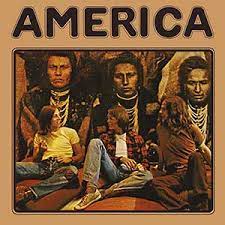
A Horse With No Name became America’s breakthrough hit after being released as a single in late 1971 in Europe and early 1972 in the United States. Written and sung by Dewey Bunnell, the song reached No. 1 on the Billboard Hot 100, replacing Neil Young’s Heart of Gold at the top of the chart.
Built around a hypnotic acoustic rhythm and vivid desert imagery, the song became closely associated with America’s early folk-rock sound. Interestingly, it was not included on the original UK release of the band’s self-titled debut album, but its success led to the song being added to later editions. Its unusual two-chord foundation also helped make A Horse With No Name one of America’s most recognizable and approachable songs for acoustic guitar players.
What You'll Learn From This Lesson
A Horse With No Name is played in standard tuning using just two chord shapes, Em and A6/9. The main rhythm is a down-up, pause, up-down-up, pause-up pattern that repeats throughout the song and creates that steady, hypnotic groove. There are also a few sliding bass runs blended into the rhythm to add some movement between the chords.
There is a dedicated lead break played up around the 12th fret that begins with a series of sliding riffs. From there, you'll play a quick descending picking riff that brings you back down the neck and into the Em chord.
I'd rate the basic rhythm version beginner-friendly. If you choose to include the complete lead break, the arrangement moves into intermediate territory because the sliding riffs and descending picking run happen fairly quickly. Start by learning the two simple chord shapes and concentrate on getting the pauses in the rhythm pattern in the right places. Next, work in the sliding bass riffs. Once the rhythm is comfortable, tackle the lead break if you want to play the complete arrangement.
Guitar Lesson Details - (chords & lyrics sheet incl with lesson)
Back To Song List
Daisy Jane - Learn To Play On Acoustic Guitar
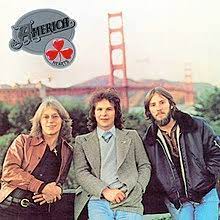
Daisy Jane appeared on America’s 1975 album Hearts and was released as a single, reaching No. 20 on the Billboard Hot 100. Written and sung by Gerry Beckley, the song showcases the softer, more reflective side of America’s sound, with a gentle melody, rich vocal harmonies and an orchestral arrangement.
Produced by legendary Beatles producer George Martin, Daisy Jane blends America’s familiar acoustic style with piano and subtle string arrangements, giving the song a more polished feel than some of the band’s earlier folk-rock recordings. Its nostalgic lyrics and understated performance helped make it one of the memorable ballads from Hearts, the same album that produced the No. 1 hit Sister Golden Hair.
What You'll Learn From This Lesson
Daisy Jane is played in standard tuning using the chords Cmaj7, Gmaj7, F, A#, C, Am, Dm, Am7 and Gsus. There are two rhythm patterns to learn. The first is a down, down-up, up-down-up pattern that gives the song its gentle ballad feel. Later, the rhythm changes to more of a shuffle using a down, down-up, down-up, down-up, down-up pattern. There is no dedicated lead picking in this arrangement, although you'll work a few bass riffs into the rhythm to help connect the chords and add some movement.
I'd rate this arrangement beginner-friendly. Start by learning the chords, and don't be intimidated by some of the chord names as the shapes themselves are manageable. Next, get comfortable with the two rhythm patterns and where the change occurs in the song. Once those are flowing smoothly, work in the bass riffs to complete the arrangement.
Guitar Lesson Details - (chords & lyrics sheet incl with lesson)
Back To Song List
I Need You - Learn To Play On Acoustic Guitar
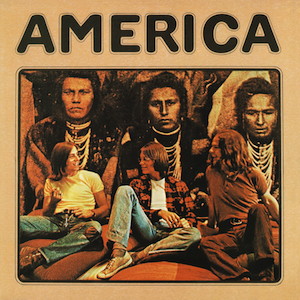
I Need You appeared on America’s self-titled debut album and became the band’s second major U.S. hit when it was released as a single in 1972, reaching No. 9 on the Billboard Hot 100. Written and sung by Gerry Beckley, the ballad showed a softer and more openly romantic side of the group following the success of A Horse With No Name.
Built around a simple, memorable melody and close vocal harmonies, I Need You helped demonstrate that America’s early success wasn't dependent on a single breakthrough song. Its gentle arrangement and direct lyrics gave the band another strong radio hit and helped establish Beckley as one of America's principal songwriters alongside Dewey Bunnell and Dan Peek.
What You'll Learn From This Lesson
I Need You is played in standard tuning using the chords A, Amaj7, D, G, C, E, Bm, Em, F, D7, Cmaj7 and Am. The main rhythm is a down, down-up, down-up, down-up pattern that repeats through most of the song, giving you that smooth, relaxed acoustic feel. There is no lead work required in this arrangement. Near the end of the song, you'll add a short shuffle to the rhythm on the words “I Need You” to help capture the feel of the original.
I'd rate this arrangement beginner-friendly. There are quite a few chords to learn, but none of the shapes are particularly difficult. Get comfortable moving through the chord progression first, then add the main rhythm pattern and work on keeping it smooth and steady. Once you can play through the song comfortably, add the short shuffle near the end to complete the arrangement.
Guitar Lesson Details - (chords & lyrics sheet incl with lesson)
Back To Song List
Lonely People - Learn To Play On Acoustic Guitar
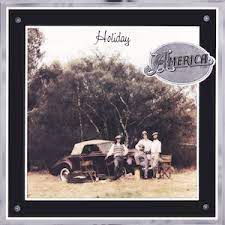
Lonely People became one of America’s biggest hits from the Holiday album, climbing to No. 5 on the Billboard Hot 100 in 1975. Written by Dan Peek and his wife Catherine, the song delivers an uplifting message of hope and perseverance, encouraging lonely or discouraged listeners not to give up.
Its bright acoustic sound, memorable harmonies and catchy chorus helped make it one of America’s most enduring hits. Holiday also marked the beginning of the band’s successful collaboration with legendary Beatles producer George Martin, whose polished production helped refine America’s folk-rock sound without losing its acoustic character. Lonely People became Dan Peek’s biggest songwriting success with the group and remains one of the best-known songs from America’s original three-member era.
What You'll Learn From This Lesson
Lonely People is played in standard tuning using the chords G, Bm, D, C, D/Gb, Em, B, Am, Gb and F. For the rhythm, I use a root-down, root-up-down-up pattern, although you can also play root-up, root-up-down-up if that feels more comfortable. Either pattern will give you the steady acoustic groove needed for the song. There is no lead work in this arrangement, but you'll add a few bass runs between the chords to create smoother transitions and keep the progression moving.
I'd rate this arrangement beginner-friendly. There are several chords to learn, so get comfortable with those first and then settle into whichever of the two rhythm variations works best for you. Once you can maintain a steady pattern through the chord changes, add the bass runs to connect the chords and complete the arrangement.
Guitar Lesson Details - (chords & lyrics sheet incl with lesson)
Back To Song List
Sister Golden Hair - Learn To Play On Acoustic Guitar
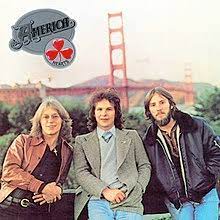
Sister Golden Hair gave America their second No. 1 single when it topped the Billboard Hot 100 in 1975. Written and sung by Gerry Beckley and included on the album Hearts, the song blends the band’s folk-rock sound with a noticeable country influence and one of their most recognizable guitar introductions.
Beckley has cited Jackson Browne as an influence on the song’s conversational writing style, while the title itself was inspired by the mothers of the three members of America, who were all blondes. The lyrics deal with a man who cares deeply for someone but isn't quite ready to make a full commitment. Produced by George Martin, Sister Golden Hair became one of America’s signature recordings and remains one of the band’s most recognizable guitar-driven hits.
What You'll Learn From This Lesson
Sister Golden Hair is played in standard tuning using the chords Dbm, A, E, B and Gbm. There is essentially one rhythm pattern throughout the song: down-up, mute/stop, up-down-up, mute/stop, up. Those short stops help create the driving rhythmic feel of the arrangement. The song also begins with one quick riff, but there is no dedicated lead work to learn.
One useful approach is to play the E chord using the last three fingers of your fretting hand. From that position, the remaining chord shapes can be found farther up the fretboard using slight variations of the same basic shape, which makes the progression easier to visualize and move through.
I'd rate this arrangement beginner-friendly. Start by getting comfortable with the chord shapes and how they relate to each other along the fretboard. Next, work on maintaining the main rhythm and getting those muted stops clean and consistent. Finally, learn the quick opening riff and blend it into the rhythm to complete the arrangement.
Guitar Lesson Details - (chords & lyrics sheet incl with lesson)
Back To Song List
Tin Man - Learn To Play On Acoustic Guitar
Tin Man became another major hit for America in 1974, reaching No. 4 on the Billboard Hot 100 after its release from the album Holiday. Written and sung by Dewey Bunnell, the song continued the band’s run of melodic folk-rock hits while introducing some of the more abstract lyrics found in their catalog.
The title and memorable line about the Tin Man were inspired by The Wizard of Oz, a film Bunnell had enjoyed since childhood. Rather than retelling the story, he used the familiar character as part of the song’s imaginative wordplay, including the observation that Oz never gave the Tin Man anything he didn't already have. With its acoustic foundation, layered harmonies and George Martin production, Tin Man became one of America’s signature mid-1970s recordings.
What You'll Learn From This Lesson
Tin Man is played in standard tuning using the chords D7sus, D, Bm, Em/G and D7. The rhythm is a steady down-up, down-up shuffle, but the key to capturing the feel of the song happens with your fretting hand. During the verses, you'll repeatedly fret and release the chords while maintaining the steady shuffle with your strumming hand, creating that distinctive choppy rhythmic sound.
The song begins with D7sus moving into D before settling into the main shuffle. When you reach the Em section, you'll let the strings ring out before returning to the choppier rhythm. I also show you two ways to play the Em — one farther down the fretboard and another higher up the neck — so you can choose whichever position works best for you. There are no bass runs or lead guitar sections required in this arrangement.
I'd rate Tin Man beginner-friendly. Learn the chord shapes first and get comfortable with the steady shuffle. Then concentrate on fretting and releasing the chords with your left hand while keeping your right hand moving consistently. Once you can create that choppy rhythm without disrupting the shuffle, you've got the main technique needed to play the song.
Guitar Lesson Details - (chords & lyrics sheet incl with lesson)
Back To Song List
Ventura Highway - Learn To Play On Acoustic Guitar
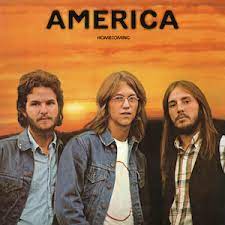
Ventura Highway brought America another Top 10 hit in 1972, climbing to No. 8 on the Billboard Hot 100 following its release from the album Homecoming. Written and sung by Dewey Bunnell, the song is instantly recognizable for its bright acoustic guitar interplay, smooth harmonies and relaxed, open-road feel.
Bunnell traced the title back to a childhood trip through California when his family experienced car trouble near Ventura. While waiting beside the road, the highway signs and surrounding landscape made an impression that later found its way into the song. Despite the title, there is no officially named “Ventura Highway.” With its distinctive guitar riff and images of sunshine, freedom and escape, the song remains one of America’s signature recordings and a classic example of their acoustic folk-rock sound.
What You'll Learn From This Lesson
Ventura Highway is played in Drop D tuning, which I use to give the acoustic arrangement a fuller sound. I teach the song's signature opening riff along with another riff that is blended into the rhythm during the first verse. I recommend including that second riff there because it's such a recognizable part of the song, but I don't continue playing it through the remaining verses. Leaving it out after the first verse allows you to settle into the steady, driving rhythm without making the arrangement too busy.
The main rhythm is a fairly fast shuffle using a down-up, down-up, down — hold — up-down-up, down-up-down-up pattern. That brief hold is important to the feel, and when you practise the pattern slowly you'll hear where it belongs. In a few places, including the “I know...” sections, you'll switch to all downstrokes to accent the vocal. The chords used are Dmaj7, G, Gbm and Em.
I'd rate this arrangement intermediate. The chords themselves aren't difficult, but the picking sequences move quickly, and blending the verse riff into the rhythm while singing adds another level of coordination. Learn the chords and main rhythm first, then work separately on the opening riff. Finally, decide whether you're ready to add the embedded riff while singing the first verse.
Guitar Lesson Details - (chords & lyrics sheet incl with lesson)
Back To Song List
You Can Do Magic - Learn To Play On Acoustic Guitar
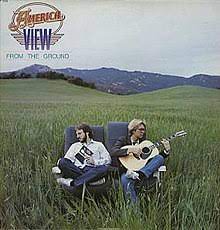
You Can Do Magic returned America to the upper reaches of the charts in 1982, reaching No. 8 on the Billboard Hot 100 and giving the band its first Top 10 hit in several years. The song was included on the album View from the Ground and was written by British songwriter and musician Russ Ballard, who also produced the track.
With its polished early-1980s production, layered vocals and instantly memorable chorus, the song sounds noticeably different from the acoustic folk-rock that defined America's early years while retaining the strong melodies and harmonies associated with the band.
Its success introduced America to a new generation of listeners and provided one of the biggest hits of their later career, demonstrating that the group could adapt its sound to a changing musical landscape.
What You'll Learn From This Lesson
You Can Do Magic is played in standard tuning using the chords Em, Bm, Cmaj7, D and Dsus. There is no lead work in my arrangement because the chords move fairly quickly and there isn't much room to comfortably blend riffs or lead phrases into the rhythm. Instead, you'll use a down-up, stop/pause, up — down-up, stop/pause, up pattern that repeats through most of the song.
The chord progression also repeats through much of the arrangement, with the main change occurring in the bridge section. From a playing standpoint, the chords and rhythm are quite manageable. The bigger challenge may actually be the vocals, as the song sits fairly high in the key of E.
I'd rate this arrangement beginner-friendly. Learn the five chord shapes first and then work on keeping the repeating rhythm steady while making those quicker chord changes. Once you have the progression and rhythm working together, concentrate on the bridge change and then add the vocals. With a little practice — and some high pipes — you should get this one together fairly quickly.
Guitar Lesson Details - (chords & lyrics sheet incl with lesson)
Back To Song List
America Guitar Lessons FAQ
Are America songs easy to play on acoustic guitar?
Many America songs work very well for beginner acoustic players. Lessons such as A Horse With No Name, I Need You, Lonely People, Daisy Jane, and Tin Man use manageable chord shapes and repeating rhythm patterns. Some arrangements become more challenging when bass runs, riffs or lead work are added.
What is the easiest America song to learn on guitar?
A Horse With No Name is a great starting point because the basic arrangement uses only Em and A6/9 with a repeating rhythm pattern. Beginners can play the song without the lead section and add the faster sliding and descending riffs later as their picking improves.
Do I need a capo or alternate tuning to play these America songs?
Most of the lessons on this page are played in standard tuning without requiring a capo. Ventura Highway is the exception in this collection, where Drop D tuning helps create a fuller acoustic sound.
Which America songs are best for practising acoustic rhythm guitar?
Tin Man is useful for learning how the fretting hand can create a choppy rhythmic effect while the strumming hand maintains a steady shuffle. Sister Golden Hair introduces rhythmic stops, while Daisy Jane gives you two different rhythm patterns to work with.
Which America guitar lesson is the most challenging?
Ventura Highway is the most challenging complete arrangement on this page. It combines Drop D tuning, a faster shuffle, the signature opening riff and another riff blended into the rhythm while singing. A Horse With No Name also moves into intermediate territory if you choose to include its faster lead break.
Do these America guitar lessons include lead guitar?
Most of these arrangements concentrate on chords, rhythm and acoustic accompaniment rather than dedicated lead guitar. A Horse With No Name includes an optional lead break with sliding riffs and a quick descending run, while Ventura Highway incorporates signature picking and riffs into the acoustic arrangement.
These eight America guitar lessons offer a great progression for acoustic players, from the simple repeating rhythms of A Horse With No Name and I Need You to bass runs, rhythmic muting, signature riffs and more involved arrangements such as Ventura Highway. Most of the songs are beginner-friendly, giving newer players plenty of opportunities to build confidence while developing rhythm, chord changes and acoustic accompaniment skills.
Work through the songs at your own pace and use the suggested learning path above if you're not sure where to begin. As you progress, you'll move from straightforward rhythm playing into fuller arrangements that capture more of America's distinctive folk-rock and soft-rock sound.
If You Enjoyed These America Guitar Lessons, You Might Also Like... (click images)


Acoustic Versions Of Rock Songs
Latest 100 Tutorials
© 2019–2026 KirbysGuitarLessons.com — All Rights Reserved