60s Guitar Songs by Black Artists
(Page Updates Coming)
The 1960s gave rise to some of the most powerful voices and unforgettable melodies in popular music — and Black artists were at the heart of that revolution.

On this page, you'll find guitar tutorials for 10 essential tracks from the decade, including soul, R&B, and psychedelic rock hits by Jimi Hendrix, Otis Redding, Clyde McPhatter, Percy Sledge, and more.
Whether you're strumming a deep ballad or riffing through a fuzz-drenched classic, these lessons celebrate both the artistry and the impact of these musical pioneers.
🎸 Overview Video - “60s Guitar Songs By Black Artists”
Watch this short overview to hear snippets from every 60S black artist arrangement
featured on this page before exploring the individual lessons below.
60s Guitar Songs By Black Artists List
Dorothy Moore - Misty Blue
Gary US Bonds - This Little Girl Is Mine
George Benson - On Broadway
Jimi Hendrix - Angel, Waterfall
Otis Redding - Sittin On The Dock, These Arms
Percy Sledge - When A Man Loves A Woman
R.B. Greaves - Take A Letter Maria
Clyde PcPhatter Songs - Learn To Play On Guitar
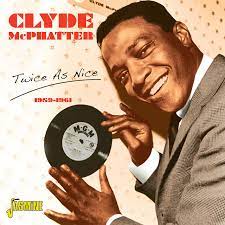
You're Moving Me is a deep cut in the catalog of Clyde McPhatter, the legendary R&B tenor who founded The Drifters.
Unlike his massive hits such as "A Lover's Question," this song did not chart as a major single, making it something of a hidden gem for soul enthusiasts. It showcases the gospel-tinged delivery that McPhatter was famous for—a style that heavily influenced later icons like Jackie Wilson and Smokey Robinson.
Because it is a rarer track, it hasn't been widely covered, leaving the original recording as the definitive version for students of early R&B.
Chords And Strumming
This one I play with a capo on the 4th fret for the original key and a Drop D Tuning which of course is always optional. There is a walking bass component in this one with the chords D, G7, Em, G, D7 and an A7. You can play a steady down up down up pattern with some down strokes and shuffle rhythm in places. No lead in this one.
Guitar Lesson Details - (chords & lyrics sheet incl with lesson)
Back To Song List
Dorothy Moore Songs - Learn To Play On Guitar
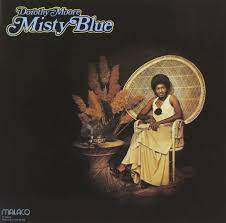
Misty Blue serves as the title track for her 1976 album Misty Blue, this song became a massive soul standard, reaching #3 on the US Billboard Hot 100 and #2 on the R&B chart.
While Dorothy Moore delivered the most famous version, the song was actually a cover; it was originally a country song recorded by Wilma Burgess and later by Eddy Arnold.
Moore’s soulful interpretation resurrected the track, earning her a Grammy nomination. Since then, it has been covered by artists ranging from Etta James to Boyz II Men, cementing its cross-genre appeal.
Chords And Strumming
Play this one using the chords C, Cmaj7, Caug, Dm, G, Em and an F. I use a down down up down down pause pause rhythm pattern here in standard turning and a capo on the 3rd for the original key. A bit of picking here blended into the rhythm.
Guitar Lesson Details - (chords & lyrics sheet incl with lesson)
Back To Song List
Gary US Bonds Songs - Learn To Play On Guitar
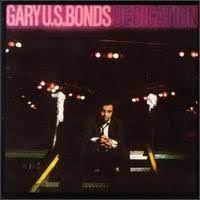
This Little Girl Is Mine, often officially titled simply "This Little Girl," was a 1981 hit and marked a major comeback for Gary U.S. Bonds. It appeared on the album Dedication and reached #11 on the US charts.
The song was written by Bruce Springsteen, who was a massive fan of Bonds. Springsteen not only wrote it but also played guitar on the track and provided backing vocals alongside Steven Van Zandt.
The song’s lyrics "This little girl is mine" often lead to confusion with the Ray Charles classic "This Little Girl of Mine," but they are different songs entirely.
Chords And Strumming
For this one you'll want to play a steady up and down rhythm pattern for the most part as you'll be playing some walking bass throughout and some shuffle rhythm. The key is higher by two frets but too high for my range in standard with chords Em, G, C, D, D7 and a Bm. A few picking slides in here as well.
Guitar Lesson Details - (chords & lyrics sheet incl with lesson)
Back To Song List
George Benson Songs - Learn To Play On Guitar
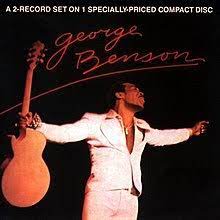
On Broadway is taken from the 1978 live album Weekend in L.A.. This smooth jazz-funk masterpiece earned George Benson a Grammy Award and reached #7 on the US Hot 100.
It is a cover of a 1963 song by The Drifters, but Benson completely reinvented it with his signature scat-singing and guitar improvisation. The track found a second life in cinema when it was featured prominently in the opening montage of the Bob Fosse film All That Jazz.
It remains one of the most recognizable guitar instrumentals (with vocals) in the jazz-pop canon.
Chords And Strumming
These isn't any lead work in this one in standard tuning and it uses all down strokes for the rhythm as you'll see. Using the chords Gb, E, B, A, Db, G, F, C, Ab, D, B and an Eb, this song changes key by half steps as you progress.
Guitar Lesson Details - (chords & lyrics sheet incl with lesson)
Back To Song List
Jimi Hendrix Songs - Learn To Play On Guitar
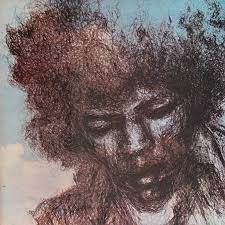
Angel was first recorded back in 1967 but was not released to the public at that time. Hendrix wrote the song and had planned on putting it on his 4th album "The Cry Of Love".
The song did end up on the album in 1971 just after his death in Sept of 1970. The song was released as a single A side in the UK where it reached #59.
He mentioned in an interview that the song was about his mom he had in a dream as a child.
Chords And Strumming
There is some lead in this one with a down down up down up down up and repeat rhythm pattern. In standard tuning and with a ton of chords such as E, Bmaj7 sus4 (9)/G♭- E, Asus2, Bsus4, Gb, Db, Abm, Bbm, B, Bsus, C, A, D, D#, Eb, Db and a C.
Guitar Lesson Details - (chords & lyrics sheet incl with lesson)
Back To Song List
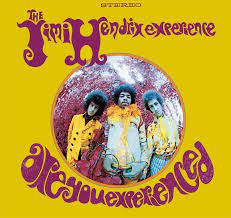
Waterfall, officially titled "May This Be Love," appears on Jimi Hendrix's debut album, Are You Experienced (1967).
Fans and guitarists frequently refer to it as "Waterfall" due to the opening lyrics ("Waterfall, nothing can harm me at all..."). It was never released as a single. The track features drummer Mitch Mitchell playing a distinct, soft beat that anchors Hendrix's heavily phased guitar solo—a tone achieved using an Octavia pedal.
While not as famous as "Purple Haze," it was covered by The Pretenders on their 1990 album Packed!. is also known as "May This Be Love" and hails from his 1967 debut album entitled "Are You Experienced".
This song was not released as a single as the album only produced one single release and that was a song called "Foxy Lady".
Chords And Strumming
There is a bit of lead here following the vocal phrasing of the song playing a down down up down up down up pattern or you can just play down strokes though most of this one. In standard tuning the chord here are E, A, Esus, D, B and a Gbm.
Guitar Lesson Details - (chords & lyrics sheet incl with lesson)
Back To Song List
Otis Redding Songs - Learn To Play On Guitar
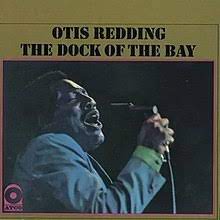
Sittin On The Dock Of The Bay was recorded just days before Otis Redding's tragic death in a plane crash. This song became the first posthumous single to ever reach #1 on the US charts in 1968. It appears on the album The Dock of the Bay.
Otis Redding wrote it while staying on a houseboat in Sausalito, California. The famous whistling solo at the end was originally just a placeholder because Redding couldn't think of a final verse (or "fadeout rap") at the time, but it was left in and became iconic.
It has been covered by everyone from Sammy Hagar to Pearl Jam.
Chords And Strumming
Rhythm pattern for this one is a down down up down down up down up and repeat with some down strokes in standard tuning. No lead here as you move through the chords G, B7, C, A7, A, E7, D, F and a D7.
Guitar Lesson Details - (chords & lyrics sheet incl with lesson)
Back To Song List
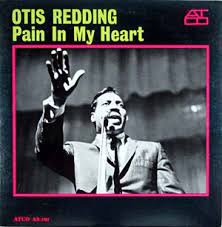
These Arms of Mine features on Otis Redding’s debut album, Pain in My Heart, released in 1964. Although issued as a single in 1962, it took time to gain traction, eventually climbing to number 20 on the Billboard R&B chart and number 85 on the Hot 100.
The song’s creation is legendary; Redding was working as a driver for musician Johnny Jenkins and only got the chance to record the ballad because there was unused studio time at the end of Jenkins’ session.
This track marked the beginning of Redding’s rise as a soul icon.
Chords And Strumming
You can play all down strokes for rhythm here or play a down down down up down up and repeat in standard tuning. A little lead work playing the chords D7, G, D, C, C7, G/Eb, G/E and a G7. Original key is a capo 3rd but I'm in a capo 2nd fret here.
Guitar Lesson Details - (chords & lyrics sheet incl with lesson)
Back To Song List
Percy Sledge Songs - Learn To Play On Guitar

When A Man Loves A Woman was the 1966 debut single by Percy Sledge and hit #1 on both the Billboard Hot 100 and R&B charts.
It is one of the defining songs of the Muscle Shoals sound. Interestingly, the song has no guitar intro; it is driven entirely by the organ played by Spooner Oldham.
Sledge improvised the lyrics at a gig after a breakup, originally calling it "Why Did You Leave Me Baby."
Decades later, Michael Bolton released a cover version in 1991 that also hit #1, winning a Grammy and introducing the song to a new generation.
Chords And Strumming
For some reason I was calling Percy, Perry in the video. The rhythm pattern here is a down down up down up down down and repeat in standard tuning. No lead break in the original but I added a small one in here play the chords C, G6, Am, Am/G, F, C7, D7 and an Fm at the end. Capo 1st is the original key.
Guitar Lesson Details - (chords & lyrics sheet incl with lesson)
Back To Song List
R.B. Greaves Songs - Learn To Play On Guitar
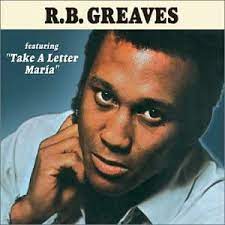
Take A Letter Maria was released by RB Greaves on his self-titled 1969 debut album.
The song was a smash hit for R.B. Greaves, reaching #2 on the Billboard Hot 100. The song tells the story of a man who catches his wife cheating and dictates a breakup letter to his secretary, Maria, eventually asking Maria out to dinner at the end. R.B. Greaves was the nephew of the legendary Sam Cooke.
The song has a distinct Latin-pop flair and has been covered by country artists like Conway Twitty and Anthony Armstrong Jones, proving its versatility across genres.
Chords And Strumming
This song is in A so capo up two frets for the original key. There is no lead in here but there is a horn riff which we can capture so I play this one lower in G. The chords here are G, C and F in standard tuning.
Guitar Lesson Details - (chords & lyrics sheet incl with lesson)
Back To Song List
From gritty rock and roll to heartfelt soul, these 60s guitar songs by Black artists offer a rich palette of playing styles and emotional depth.
If you’ve enjoyed diving into these timeless tracks, you might also want to explore our other themed pages spotlighting legendary 60s performers, underrated one-hit wonders, and classic rhythm-based guitar gems.
Each tutorial here not only teaches you how to play — it honors the artists who helped shape the sound of an entire generation.
If you liked this 60s guitar songs by black artists page you might also like ... (click images)
Popular Songs From The 60s
Latest 100 Tutorials
© 2019–2026 KirbysGuitarLessons.com — All Rights Reserved