The Greatest Guitar Songs by Bad Company

Bad Company delivered a powerful blend of bluesy rock and heartfelt ballads that still resonate today. On this page, you’ll find nine of their most iconic songs arranged for acoustic guitar, each with rhythm tips, chord guidance, and video snippets to help you get started.
Whether you're working on your strumming technique or looking to master rock standards like “Shooting Star” or “Feel Like Making Love,” these lessons will walk you through it step by step.
🎸 Watch Bad Company Guitar Lessons Overview
performance clips taken directly from the complete lesson videos.
Click Play, then drag the timeline to quickly preview any Bad Company lesson featured on this page.
Note: Every arrangement has been personally created, recorded and taught by Kirby
using teaching methods refined through decades of acoustic guitar instruction.
What's Included With Every Lesson
📦 Your Lesson Package Includes
✓ 8–12 minute HD video lesson so you can learn each song step-by-step.
✓ Printable chords & lyrics PDF for easy practice away from the screen.

✓ Instant download—start playing in minutes.
✓ Learn at your own pace on any device.
Bad Company Guitar Lessons Included On This Page
Bad Company Guitar Lesson
Can't Get Enough Guitar Lesson
Feel Like Making Love Guitar Lesson
Oh Atlanta Guitar Lesson
Rock Steady Guitar Lesson
Shooting Star Guitar Lesson
Silver Blue And Gold Guitar Lesson
Alright Now (Free) - Learn To Play On Acoustic Guitar
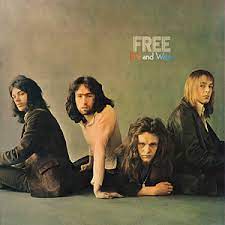
Alright Now is a legendary blues-rock anthem originally released by the band Free in 1970, but it became a staple of the Bad Company repertoire due to lead singer Paul Rodgers’ shared history with both groups.
Written by Rodgers and bassist Andy Fraser, the song reached number four on the Billboard Hot 100 and topped the charts in over twenty countries. While it never appeared on a Bad Company studio album, it is a centerpiece of their live recordings, most notably on the 2002 multi-platinum DVD and album In Concert: Merchants of Cool.
The track is recognized for its iconic guitar riff and Rodgers’ commanding vocal delivery. Performance clips from their stadium tours highlight the massive crowd participation the song always generates, cementing its status as one of the most enduring anthems in rock history.
What You'll Learn From This Lesson
It's played in standard tuning with the three chords A, D and G with some lead required. The rhythm pattern is down strokes with a bit of shuffle rhythm in places.
Guitar Lesson Details - (chords & lyrics sheet incl with lesson)
Back To Song List
Bad Company - Learn To Play On Acoustic Guitar
Bad Company is the atmospheric and haunting title track of the band’s 1974 debut album, Bad Company. Co-written by Paul Rodgers and drummer Simon Kirke, the song was inspired by a book on Victorian morals, lending a dark, cinematic quality to the lyrics.
While it was not released as a commercial single, the track became an immediate FM radio staple and a cornerstone of their live identity. The recording is famous for its distinctive piano opening and the evocative use of a "howling wind" sound effect at the beginning, which helped establish the band's "outlaw" persona.
Interestingly, the band chose to name themselves, the album, and the song all with the same title, a rare trifecta in rock history. Performance footage from their 1970s tours remains the primary visual connection for this legendary anthem.
What You'll Learn From This Lesson
I play this with a capo 1st fret in standard tuning with a down down up down down up down up and eventually down strokes rhythm pattern. There is some lead with the chords Dm, C, G and F.
Guitar Lesson Details - (chords & lyrics sheet incl with lesson)
Back To Song List
Can't Get Enough - Learn To Play On Acoustic Guitar
Can't Get Enough is the definitive hard rock anthem that introduced the world to Bad Company, serving as the lead single from their 1974 self-titled debut album, Bad Company.
Written by guitarist Mick Ralphs, the song was originally intended for his previous band, Mott the Hoople, but was shelved because it didn't fit their style; Ralphs later brought it to Paul Rodgers, and history was made. Released in May 1974, the track became a massive global hit, peaking at number five on the Billboard Hot 100 and reaching number one on the Cash Box Top 100.
The song is famous for its "shuffling" guitar riff and Rodgers' powerhouse vocal delivery. Interestingly, a promotional performance clip serves as the primary visual for the track, capturing the band’s raw stage energy during their meteoric rise.
What You'll Learn From This Lesson
I use a drop D tuning for my version here and with the guitar tuned down two frets to keep me in the original key of C. But this tuning allows me to play the lead harmony guitars in this D chord structure where it's not as easy to do if you were to play this one in C standard tuning. I'm playing the chords D, C, G, A, F and and augmented chord on the 5th fret.. Some lead required with a down up down up down up and repeat rhythm pattern as well as some shuffle strumming and walking bass notes.
You'll want to learn the chords in this drop D tuning first. Then the down up down up and shuffle rhythm. Next I'd suggest learn the walking bass and finally the lead break.
Guitar Lesson Details - (chords & lyrics sheet incl with lesson)
Back To Song List
Feel Like Making Love - Learn To Play On Acoustic Guitar
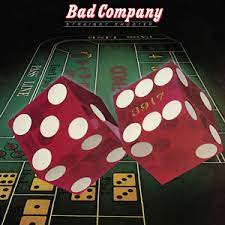
Feel Like Makin Love is a quintessential classic rock ballad that appeared as the second single from the 1975 album Straight Shooter. This track was a collaborative effort between Paul Rodgers and Mick Ralphs, featuring a dynamic arrangement that moves from a gentle acoustic verse to a heavy, electric chorus.
Released in August 1975, the song reached number ten on the Billboard Hot 100 and was a top twenty hit in the UK. A unique production detail involves the song's origins, as Rodgers began writing the lyrics at the young age of nineteen while touring with his former band, Free.
Though it was released years before the MTV era, the band filmed a performance-based promotional video that has since become a staple of classic rock retrospectives, showcasing their sophisticated approach to the blues-rock genre.
What You'll Learn From This Lesson
I play this one with drop D tuning with a steady shuffle rhythm pattern using the chords D, C, G and B. There is some lead required for this version.
Guitar Lesson Details - (chords & lyrics sheet incl with lesson)
Back To Song List
Oh Atlanta - Learn To Play On Acoustic Guitar
Oh Atlanta is a high-energy, soulful track that first appeared on the band’s 1979 album Desolation Angels. Written by guitarist Mick Ralphs, the song was never released as a commercial single, but it became a significant favorite on FM rock radio and a highlight of their live sets.
The track features a driving, piano-led arrangement that showcases the band's appreciation for American R&B and soul influences. Interestingly, the song was covered by Little Feat just a few years later, which helped introduce the composition to a different segment of the rock audience.
While no narrative music video exists, the song is frequently associated with the band's high-energy live performances in the American South. The recording captures the polished yet powerful sound the band achieved at the end of the 1970s before their first hiatus.
What You'll Learn From This Lesson
You can use muted down strokes for the rhythm in this one and some lead is required in standard tuning. The chords needed are G, C7, D, A, Em, G6, Am, F and C.
Guitar Lesson Details - (chords & lyrics sheet incl with lesson)
Back To Song List
Ready For Love - Learn To Play On Acoustic Guitar
Ready For Love is a soulful and heavy blues-rock track from the 1974 debut album, Bad Company.
Like their first hit, this song was written by Mick Ralphs during his time with Mott the Hoople and was originally recorded for their 1972 album All the Young Dudes. Bad Company’s version significantly slowed down the tempo and added a more resonant, hard-rock edge that suited Paul Rodgers' baritone perfectly.
While it was never released as a commercial single, the track became a staple of rock radio and a fan favorite for its slow-burn arrangement and Ralphs' melodic guitar solo. Performance footage from the band’s 1970s stadium tours serves as the primary visual for the track. Interestingly, Ralphs also provided the piano work on the recording, showcasing the multi-instrumental talent that helped define the band's "supergroup" status.
What You'll Learn From This Lesson
Play a down down up down up down up rhythm for the verse and a shuffle pattern as you mover into the chorus in standard tuning. Some lead required with the chords Am, C, D, G, F, G6 ,G/A and a Dm near the end.
Guitar Lesson Details - (chords & lyrics sheet incl with lesson)
Back To Song List
Rock Steady - Learn To Play On Acoustic Guitar
Rock Steady is a driving, rhythmic rock track featured on the 1974 debut album, Bad Company. Written by Paul Rodgers, the song was never released as a commercial single, but its steady, locomotive beat made it a favorite for rock radio programmers and a fixture in their live repertoire.
The recording is notable for its raw, live-in-the-studio feel, captured during the band's sessions at Headley Grange using the Rolling Stones Mobile Studio. The lyrics celebrate the simple power of rock and roll, delivered with Rodgers' signature soulful grit. While no official music video was produced during the 1970s, the song has seen a resurgence in popularity through various live performance clips that showcase the rhythm section’s tight chemistry.
It stands as a prime example of the band's ability to create a high-octane anthem with a straightforward, no-nonsense arrangement.
What You'll Learn From This Lesson
I play this in standard tuning using the chords C6, D6, C, D, F, G and Am with some lead required. For rhythm play down down down up and repeat with a few down strokes.
Guitar Lesson Details - (chords & lyrics sheet incl with lesson)
Back To Song List
Shooting Star - Learn To Play On Acoustic Guitar
Shooting Star is a poignant and cautionary rock narrative featured on the 1975 album Straight Shooter. Written solely by Paul Rodgers, the lyrics tell the tragic story of a fictional rock star named Johnny who dies of an overdose, a theme Rodgers stated was influenced by the real-life deaths of Jimi Hendrix and Janis Joplin.
Despite being one of their most beloved and frequently played songs on classic rock radio, it was never released as an official single. The track is recognized for its gradual build from a simple acoustic melody to a soaring, guitar-heavy climax.
While no high-budget music video was produced during the 1970s, the song’s legacy has been preserved through various live performance clips that highlight Rodgers' emotive storytelling and the band’s tight musical chemistry.
What You'll Learn From This Lesson
Another one played in standard tuning with no lead but a few riffs and hammer on's throughout with the chords A, E, G, D, Gb and B. I'm playing a down down up up down down up and repeat rhythm pattern.
Guitar Lesson Details - (chords & lyrics sheet incl with lesson)
Back To Song List
Silver Blue And Gold - Learn To Play On Acoustic Guitar
Blue Silver And Gold is a lush and melodic ballad from the 1976 album Run with the Pack.
Written by Paul Rodgers, the song is a rare example of a track that became a massive radio hit despite never being released as a commercial single. The recording is recognized for its clean acoustic arrangement and the evocative, romantic imagery of its lyrics, which stood in contrast to the band’s grittier hard-rock output. Interestingly,
Rodgers has often cited this as one of his favorite songs he has ever written. While no formal music video was made in 1976, the track has become a staple of adult-oriented rock radio and is frequently accompanied in digital spaces by performance footage from their mid-70s world tours. The song captures a more sensitive side of the band's sound, proving their versatility within the rock genre.
What You'll Learn From This Lesson
Played with a capo 1st to keep the original key, there is some lead work in places during this number. The chords are Gsus, G, F, C and G6 with a down down up down up down up and repeat rhythm pattern and the pattern changes to a chop pattern in the chorus.
Guitar Lesson Details - (chords & lyrics sheet incl with lesson)
Back To Song List
From the soulful “Ready For Love” to the gritty swagger of “Rock Steady,” Bad Company’s catalog is packed with emotionally charged and guitar-friendly classics.
These lessons are designed to help you capture the spirit of their songs on acoustic guitar — no electric required. Once you’ve worked through these, be sure to check out more 70s rock pages for similar artists and even deeper cuts.
If you liked this Bad Company biggest hits page you might like ... (click images)



Acoustic Versions Of Rock Songs

Kirby Swinemar is an acoustic guitar instructor, performer and song arranger who has taught online for 21 years and created more than 4,000 original acoustic guitar lessons. He specialises in song-based acoustic guitar instruction, rhythm guitar techniques, and creating full-sounding solo arrangements that help beginner and intermediate players move beyond basic strumming.
Explore his work at Kirby's Guitar Lessons and on social media on his social media YouTube Channel and his Facebook Page. Learn more about Kirby on his About Me page.
Latest 100 Tutorials
© 2019–2026 KirbysGuitarLessons.com — All Rights Reserved