Top Songs By Bob Dylan
On The Acoustic
(Page Updates Coming)
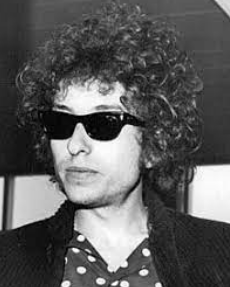
Welcome to my top songs by Bob Dylan page where I have several Bob Dylan songs you can easily learn on acoustic. Help yourself to the free demos and chord sheets. If you'd like to purchase a full tutorial lesson and support the channel, there are links below.
🎸 Overview Video -
“Watch This Preview of My
Top Bob Dylan Guitar Songs”
Soon
Bob Dylan Guitar List
Abandoned Love
All Along The Watchtower
Blind Willie McTell
Blowin In The Wind
Country Pie
Forever Young
Gotta Serve Somebody
If You See Her Say Hello
Jokerman
Just Like A Woman
Knocking On Heaven's Door
Lay Lady Lay
License To Kill
Like A Rolling Stone
My Back Pages
Not Dark Yet
Positively 4th Street
Shelter From The Storm
Sweetheart Like You
Tangled Up In Blue
The Man In Me
The Times They Are A Changing
Thunder On The Mountain
With God On Our Side
You Ain't Goin Nowhere
You're Gonna Make Me Lonesome When You Go
🎁 Free Lesson Preview
Scroll down to check out a completely free demo on Bob Dylan’s “Blowin In The Wind” and "You're Gonna Make Me Lomesome When You Go"Abandoned Love - Learn To Play On Guitar
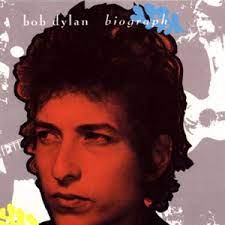
Abandoned Love was first recorded in 1975 and was intended for the "Desire" album, but was shelved for 10 years. It became a track for his 1985 album "Biograph".
The song was never a single release and there is only one known live performance of the song by Dylan which was in Greenwich Village in 1975 at The Bitter End Cafe.
Chords And Strumming
This one I play with a capo 3rd fret in standard tuning with a root down root up down up and repeat rhythm pattern. Some picking required here playing the chords G, C, D, Em and Bm.
Guitar Lesson Detail - (chords & lyrics sheet incl with lesson)
Chords & LyricsJump To Top
All Along The Watchtower - Learn To Play On Guitar
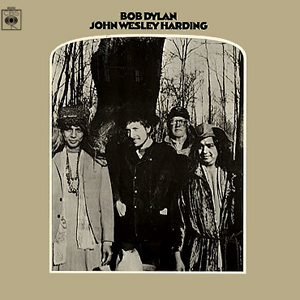
All Along The Watchtower is a concise, haunting masterpiece featured on the 1967 album John Wesley Harding. Written by Dylan following a period of reclusion after a motorcycle accident, the song was released as a single in 1968 and reached the top 40 in the UK.
While Dylan’s original version is celebrated for its sparse, acoustic-driven intensity, the song achieved a legendary status through the Jimi Hendrix Experience cover released just months later. Hendrix’s interpretation was so definitive that Dylan famously began performing the song live with an arrangement closer to Hendrix’s electric style.
Although no music video was filmed in 1967, a 2021 official lyric video was released featuring evocative desert landscapes. The track is recognized for its cyclical lyrical structure, which starts at the end of the narrative and circles back, creating a timeless, apocalyptic atmosphere.
Chords And Strumming
The original chords are Am, G and F with a capo 4th, but I changed it to an Em, D and C to fit my vocals. Use a down down down up down up down up rhythm pattern with some improvised lead throughout.
Guitar Lesson Detail - (chords & lyrics sheet incl with lesson)
Chords & LyricsJump To Top
Blind Willie McTell - Learn To Play On Guitar
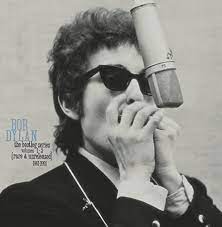
Blind Willie McTell is a somber, piano-led tribute to the legendary bluesman of the same name, recorded during the sessions for the 1983 album Infidels. Remarkably,
Dylan chose to leave the track off the final album, and it remained unreleased until 1991 when it appeared on the box set The Bootleg Series Volumes 1–3 (Rare & Unreleased) 1961–1991. Written by Dylan, the song is often cited by critics as one of his greatest compositions of the 1980s, layered with imagery of the American South and slavery. While no traditional music video was produced, the song has been visually paired in documentaries with archival footage of the Great Depression.
The recording is notable for featuring Mark Knopfler on 12-string guitar, providing a delicate accompaniment to Dylan’s weary, evocative vocal and piano performance.
Chords And Strumming
Play this one with a capo 1st fret in standard tuning with the chords Dm, A7, G, C and A#. You will pick a little in the rhythm while playing a down down up down up down up and repeat rhythm pattern.
Guitar Lesson Detail - (chords & lyrics sheet incl with lesson)
Chords & LyricsJump To Top
Blowin In The Wind - Learn To Play On Guitar
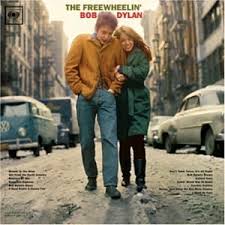
Blowin In The Wind is the definitive protest anthem of the 1960s, serving as the opening track of the 1963 album The Freewheelin' Bob Dylan. Written by Dylan in 1962, the song became a global phenomenon and a pillar of the Civil Rights Movement, though Peter, Paul and
Mary’s version reached the charts before Dylan’s own recording. While it was not a major pop hit for Dylan himself as a single, his version became the blueprint for folk-rock storytelling. Interestingly, the melody was adapted from an old African American spiritual titled "No More Auction Block."
There is no official music video from the 1960s, but televised performances from the March on Washington have become the song's primary visual legacy. It remains a cornerstone of Dylan’s career, having been inducted into the Grammy Hall of Fame in 1994.
Chords And Strumming
For chords here you'll need a C, F, G, Dm, Am and G6 in standard tuning. The rhythm pattern is a root down up down up down up and repeat rhythm pattern with some lead work required.
Guitar Lesson Detail - (chords & lyrics sheet incl with lesson)
Jump To Top
Country Pie - Learn To Play On Guitar
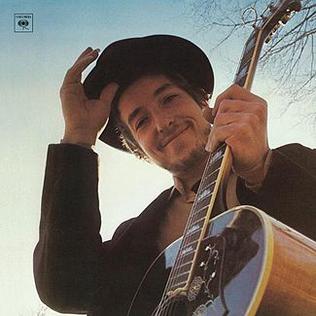
Country Pie is a breezy, playful departure from Dylan’s more complex lyrical works, appearing on the 1969 country-rock album Nashville Skyline. Written by Dylan, the song features a lighthearted focus on simple pleasures and food, reflecting the relaxed, family-oriented life he was leading in Woodstock at the time.
While it was never released as a single, it gained a significant following as a "deep cut" and became a staple of his live performances with The Band during the 1969 Isle of Wight Festival. The recording is notable for its polished Nashville production and a guest appearance by Charlie Daniels on guitar.
No music video exists for the track, but it captures the specific vocal "coo" Dylan adopted for this era. The song’s whimsical nature provided a stark contrast to the heavy political material of his earlier albums.
Chords And Strumming
Play this with a down down up down up and repeat rhythm pattern and a capo on the 2nd fret. Picking required here with the chords G, C, Em, A7, D7, E7, B7 and a D.
Guitar Lesson Detail - (chords & lyrics sheet incl with lesson)
Chords & LyricsJump To Top
Forever Young - Learn To Play On Guitar
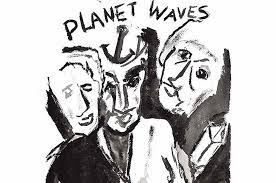
Forever Young written by Bob Dylan in 1966 for his son Jesse, appeared on the 1974 album "Planet Waves" in both fast and slow versions, recorded with The Band. Dylan performed it live with Bruce Springsteen and on Letterman in 1993.
Though not released as a single in the US, a live version from a 1978 Tokyo concert was released in Europe. Rod Stewart's similarly titled song shared royalties with Dylan. Joan Baez's 1974 cover hit #13, and Louisa Johnson's version reached #9 in the UK.
Paul Rogers also created a book with the song's lyrics and illustrations, likely available online.
Chords And Strumming
I play this one in drop D tuning with the chords D, A/Db, Bm, G, Asus, A7 and an A. There is lead in her with the rhythm pattern of down down down up down up and repeat.
Guitar Lesson Detail - (chords & lyrics sheet incl with lesson)
Chords & LyricsJump To Top
Gotta Serve Somebody - Learn To Play On Guitar
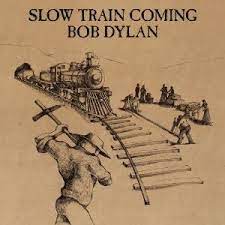
Gotta Serve Somebody is a powerful, gospel-rock track that served as the lead single for the 1979 album Slow Train Coming. Written during Dylan’s high-profile conversion to Christianity, the song reached number 24 on the Billboard Hot 100 and won him his first-ever Grammy Award for Best Male Rock Vocal Performance.
The track features a funky, bluesy arrangement and a direct lyrical message that everyone, regardless of status, must answer to a higher power. Interestingly, John Lennon wrote a "parody" response song titled "Serve Yourself" after hearing the track. While no formal music video was produced, Dylan’s high-energy performances on Saturday Night Live in 1979 remain the definitive visual record of this era.
The song marked a major stylistic shift that divided his fanbase but remains a highlight of his live repertoire.
Chords And Strumming
This one has a down down down up down up and repeat rhythm pattern in a quick shuffle while in standard tuning. A bit of picking with the chords G, C7 and D7.
Guitar Lesson Detail - (chords & lyrics sheet incl with lesson)
Chords & LyricsJump To Top
If You See Her Say Hello - Learn To Play On Guitar
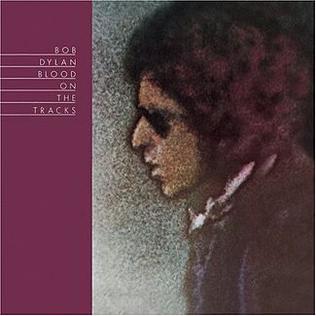
If You See Her Say Hello is an emotionally raw and vulnerable ballad featured on the 1975 masterpiece Blood on the Tracks. Written during the dissolution of his marriage to Sara Lownds, the song explores themes of regret and lingering affection with a maturity that redefined the singer-songwriter genre.
Although it was not a charting single, it is widely considered one of the emotional anchors of the album. There is no official music video, but the track is often associated with the intimate, acoustic recording sessions in New York City. A unique bit of trivia is that Dylan re-recorded several versions of the song, including a version with more aggressive lyrics that eventually leaked on bootlegs.
The final album version is prized for its quiet, melodic restraint and its portrayal of the quiet pain of a finished relationship.
Chords And Strumming
This will you'll play with a 1-2-3 up down up down up where 1-2-3 are arpeggio notes of the chord your on in standard tuning. The chords here are D, A, G, Bm, C and a D7. No lead work here.
Guitar Lesson Detail - (chords & lyrics sheet incl with lesson)
Chords & LyricsJump To Top
Jokerman - Learn To Play On Guitar
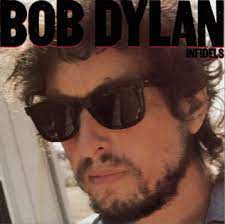
Jokerman is a sophisticated and biblically-laden track that served as the lead single for the 1983 album Infidels. Written by Dylan and produced by Mark Knopfler, the song reached number 12 on the Billboard Mainstream Rock chart and became one of his most recognizable hits of the 1980s.
The music video is a creative, collage-style production directed by George Lois and Larry "Ratso" Sloman, featuring images of classical art, political figures, and Dylan himself in a various settings. Interestingly, the lyrics were heavily influenced by Dylan’s time in the Caribbean, blending religious allegory with political social commentary.
The recording features a notable reggae-influenced rhythm section consisting of Sly Dunbar and Robbie Shakespeare, which gave the track a modern, international sound. It stands as a prime example of Dylan’s ability to reinvent himself in the digital era.
Chords And Strumming
Use a capo 3rd fret here with a bit of picking in the rhythm while in standard tuning. A down down down up down up and repeat rhythm pattern will work here with the chords G, Gmaj7, Am7, D7, C/G, D, C, D/Gb, Em and a Bm.
Guitar Lesson Detail - (chords & lyrics sheet incl with lesson)
Chords & LyricsJump To Top
Just Like A Woman - Learn To Play On Guitar
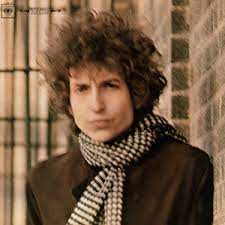
Just Like A Woman is a classic folk-rock ballad that appeared on the landmark 1966 double album Blonde on Blonde.
Released as a single in mid-1966, the song reached number 33 on the Billboard Hot 100 and became one of his most covered compositions, with versions by artists like Jeff Buckley and Richie Havens. Written by Dylan, the lyrics have been a subject of intense debate for decades, with some critics viewing them as affectionate and others as patronizing. The recording is recognized for its unique "thin, wild mercury sound" and its delicate, melodic structure.
While no music video exists from the 1960s, a 2021 official video was released to celebrate the album's anniversary. Interestingly, Dylan has performed the song over 900 times in concert, making it one of the most frequently played tracks in his entire career.
Chords And Strumming
I play this one with Drop D Tuning and a capo 3rd fret using the chords D, G, A7, Bm and Gb. A down down down up down up and repeat rhythm pattern will work with a little picking in the rhythm.
Guitar Lesson Detail - (chords & lyrics sheet incl with lesson)
Chords & LyricsJump To Top
Knocking On Heavens Door - Learn To Play On Guitar
Knocking On Heavens Door is a globally recognized anthem written by Dylan for the soundtrack of the 1973 film Pat Garrett and Billy the Kid. Released as a single in August 1973, it reached number 12 on the Billboard Hot 100 and became one of his most enduring and universal hits.
The track was written to underscore a specific scene where a sheriff dies in the arms of his wife, a moment that gives the simple lyrics their profound emotional weight. While no music video was made in 1973, the film scene itself serves as the definitive visual for the song.
The track achieved a second wave of massive fame through the 1991 cover by Guns N' Roses. Interestingly, the song features backing vocals by various stars, including Donna Weiss and Brenda Patterson, adding a gospel-like depth to the chorus.
Chords And Strumming
Play a down down down up down up and repeat rhythm pattern for this one in standard tuning. A bit of lead work with the chords G, D, Am and C.
Guitar Lesson Detail - (chords & lyrics sheet incl with lesson)
Chords & LyricsJump To Top
Lay Lady Lay - Learn To Play On Guitar
Lay Lady Lay from Bob Dylan's 1969 album "Nashville Skyline," peaked at #7 in the US and #5 in the UK. It was intended for the "Midnight Cowboy" soundtrack but missed the deadline. Dylan revealed in 1971 that the song was written for Barbra Streisand.
After a 1960s gig, Dylan sang the song to The Everly Brothers, who found it too sexual and passed on it, though they recorded it 15 years later. Kris Kristofferson, then a janitor at Columbia Studios, held the cowbell and bongos during the recording, explaining the distant drum sound. Charlie Daniels played guitar on the track.
Notable covers include versions by The Byrds, Ramblin' Jack Elliott, Buddy Guy, The Everly Brothers, Ministry, Duran Duran, The Flaming Lips, and more.
Chords And Strumming
This song has a down down up down up down up and repeat rhythm pattern in standard tuning with the chords A, Abm, G, Bm, E and a Gbm. No lead work in this one.
Guitar Lesson Detail - (chords & lyrics sheet incl with lesson)
Chords & LyricsJump To Top
License To Kill - Learn To Play On Guitar
License To Kill is a somber and politically charged track from the 1983 album Infidels. Written by Dylan, the song explores themes of environmental destruction and the hubris of man’s technological progress, delivered with a weary, observational grit.
While it was not a major charting single, it remains a favorite for fans of his mid-career work. There was no high-budget music video for the release, but Dylan performed a memorable version of the song on Late Night with David Letterman in 1984, which featured a raw, rock-infused arrangement.
The recording was produced by Mark Knopfler, whose subtle guitar work provides a perfect counterpoint to Dylan’s cynical and prophetic lyrics. Interestingly, the song was later covered by Tom Petty and the Heartbreakers at the 30th Anniversary Concert Celebration, highlighting its lasting impact on his peers in the rock community.
Chords And Strumming
Played with a capo on the 4th fret with the chords D, Bm, A, G, Em and A7, you will have some lead work in this song. Play this one with a down down up down up down up and repeat rhythm pattern with a few chops in the rhythm.
Guitar Lesson Detail - (chords & lyrics sheet incl with lesson)
Chords & LyricsJump To Top
Like A Rolling Stone - Learn To Play On Guitar
Like A Rolling Stone is a monumental achievement in rock history that served as the lead single for the 1965 album Highway 61 Revisited. Written by Dylan as a sprawling poem before being edited down, the song reached number two on the Billboard Hot 100 and effectively changed the parameters of what a pop single could be.
The track is famous for Al Kooper’s improvised organ riff and Dylan’s snarling, confrontational vocal delivery. Interestingly, an official interactive music video was released in 2013, nearly 50 years after the song’s debut, which allows viewers to surf through 16 different channels of people lip-syncing the lyrics.
This video won several awards for its innovation and brought the song to a new generation. Rolling Stone magazine named it the greatest song of all time in 2004, cementing its status as a cultural turning point.
Chords And Strumming
Play this one in standard tuning with the chords C, F, Dm, Em and G with no picking required. Play a down down up down up down up and repeat rhythm pattern.
Guitar Lesson Detail - (chords & lyrics sheet incl with lesson)
Chords & LyricsJump To Top
My Back Pages
- Learn To Play On Guitar
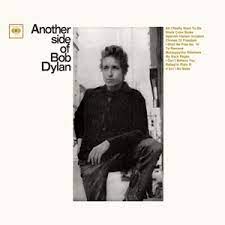
My Back Pages was first released back in 1964 from the album "Another Side Of Bob Dylan". It can also be found on "The 30th Anniversary Concert Celebration" album from 1993.
The song does not appeared to have been released as a single. The song was never performed live by Dylan until 1988, almost 25 years after it was written.
Artists who have cover versions of this song include Keith Jarrett, The Ramones, The Nice, Steve Earle, Eric Johnson, The Hollies, The Box Tops, America, Jackson Browne, Po!, Joan Osnorne, Marshall Crenshaw, Anna Nalick, Dick Gaughan, La Mancha de Rolando and The Byrds. The 1967 version by The Byrds was their last US top 40 hit song.
Chords And Strumming
Play a down down up down up down up and repeat rhythm pattern for this one with a capo 2nd fret in standard tuning. I have a bit of picking in this one using the chords D, G, A7, A7sus, Bm and a Gbm.
Guitar Lesson Detail - (chords & lyrics sheet incl with lesson)
Chords & LyricsJump To Top
Not Dark Yet
- Learn To Play On Guitar
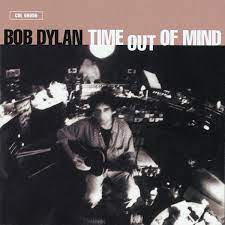
Not Dark Yet was a song from Bob Dylan's 1998 album "Time Out Of Mind." While it was released as a single, it didn't make it onto any music charts.
The song's style changed during recording, going from a faster tune to something more like a Civil War ballad. A music video for the song was made in Memphis in 1997. Many other singers and bands have performed their own versions of "Not Dark Yet" over the years.
The track has also been used in several movies and TV shows, including "Wonder Boys" and "The Passion Of The Christ." This shows how Dylan's music has influenced both other musicians and the entertainment world.
Chords And Strumming
Play this one in standard tuning with the chords C, Ab and F using down down down up down up and repeat with a riff near the end of the verses.
Guitar Lesson Detail - (chords & lyrics sheet incl with lesson)
Chords & LyricsJump To Top
Positively 4th Street
- Learn To Play On Guitar
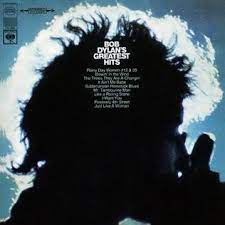
Positively 4th Street was a popular song released in 1965. It did well on music charts in different countries, reaching number one in Canada.
Interestingly, the song's title isn't mentioned in its words. People have often wondered who Dylan was singing about, with some thinking it was about critics who didn't believe in him early on. The song was recorded for one album but ended up on a different one called "Bob Dylan Greatest Hits."
It was also used in a movie made in 2007. Many other musicians have performed their own versions of the song over the years.
Chords And Strumming
Play root down up root up down up rhythm pattern with chords G, Am, C, D, E and a C/G with some lead. The original has no lead break, but I have two in this one played in standard tuning.
Guitar Lesson Detail - (chords & lyrics sheet incl with lesson)
Chords & LyricsJump To Top
Shelter From The Storm - Learn To Play On Guitar
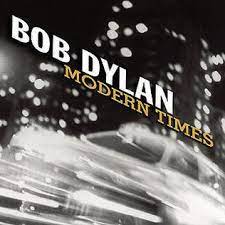
Shelter From The Storm is a poignant and evocative narrative featured on the 1975 album Blood on the Tracks. Written during a period of intense personal turmoil for Dylan, the song uses religious and mythical imagery to describe a narrator finding refuge with a mysterious woman. While it was not released as a single, the track is regarded by critics as one of the highlights of his 1970s output.
No official music video exists, but the song was prominently featured in the 1996 film Jerry Maguire, which sparked a resurgence in its popularity with younger audiences.
The recording is notable for its simple, acoustic arrangement, although a more aggressive, electric version was performed during the 1976 Hard Rain tour. Interestingly, the song’s lyrics were famously parodied by the comedian Steve Martin during his early stand-up routines.
Chords And Strumming
I play this one with a capo 1st fret using the A, E and D chords. No lead but a few riffs throughout while playing a down down up down up down - down up down up down up rhythm pattern and repeat in a quick shuffle.
Guitar Lesson Detail - (chords & lyrics sheet incl with lesson)
Chords & LyricsJump To Top
Sweetheart Like You - Learn To Play On Guitar
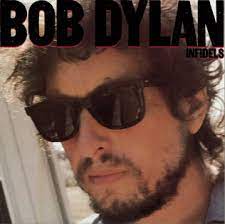
Sweetheart Like You is a melodic and controversial ballad that served as the second single from the 1983 album Infidels. Written by Dylan and co-produced by Mark Knopfler, the song reached number 55 on the Billboard Hot 100 and performed well on rock radio.
The music video is a significant artifact of Dylan’s career, as it was one of the first times he appeared in a traditional music video format; it features him and a band performing in a deserted nightclub while a woman mops the floor. Interestingly, the lyrics sparked a debate among critics for their perceived gender roles, though many fans view the track as a sincere, if cynical, romantic observation.
The recording features a polished, early-80s production that helped re-establish Dylan as a contemporary force in the era of MTV and FM rock radio.
Chords And Strumming
Chords needed here are D, Bm, A, G, Em and A/Db with a capo 2nd fret in standard tuning. For rhythm play a down down up down down up and repeat pattern and some lead work required.
Guitar Lesson Detail - (chords & lyrics sheet incl with lesson)
Chords & LyricsJump To Top
Tangled Up In Blue - Learn To Play On Guitar
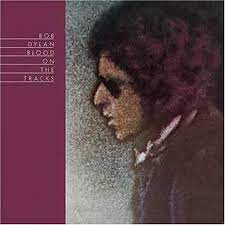
Tangled Up In Blue is the sprawling, multi-perspective opening track of the 1975 album Blood on the Tracks. Released as a single in early 1975, the song reached the top 40 on the Billboard Hot 100 and remains one of Dylan’s most celebrated narrative achievements.
Written by Dylan, the lyrics move through different time periods and locations, with the narrator shifting between the first and third person. Interestingly, Dylan has frequently changed the lyrics during live performances over the decades to alter the story's emotional focus.
There is no official 1970s music video, but various filmed performances from the Rolling Thunder Revue tour capture the song’s kinetic energy. The track is recognized for its intricate, shifting narrative and its portrayal of a restless search for meaning and connection across a changing American landscape.
Chords And Strumming
No lead in this one played in standard tuning with the chords G, C, F, Em and D. A root down up down up down up and repeat rhythm pattern will work for this one.
Guitar Lesson Detail - (chords & lyrics sheet incl with lesson)
Chords & LyricsJump To Top
The Man In Me
- Learn To Play On Guitar
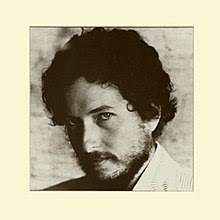
The Man In Me is a soulful and gentle track featured on the 1970 album New Morning. Written by Dylan during a period where he was embracing family life and moving away from the "voice of a generation" persona, the song features backing vocals that give it a gospel-inspired warmth.
While it was never released as a single and did not chart, it achieved immense cult status decades later after being featured prominently in the opening credits of the 1998 Coen Brothers film The Big Lebowski. No music video was ever made for the song, but its association with the "The Dude" character has made it one of his most recognizable tracks for modern audiences.
The recording is celebrated for its unpretentious, joyous melody and Dylan’s relaxed vocal performance, which marked a notable departure from his more cryptic 1960s work.
Chords And Strumming
You play a down down up down up down up and repeat pattern for rhythm with a capo on the 1st fret for the original key.Use the chords G, Am,C and D with a bit of lead work required.
Guitar Lesson Detail - (chords & lyrics sheet incl with lesson)
Chords & LyricsJump To Top
The Times They Are A Changing - Learn To Play On Guitar
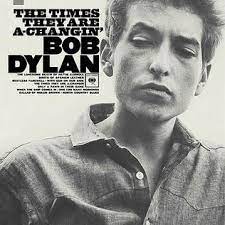
The Times They Are A Changing is a legendary protest anthem that serves as the title track of Dylan’s 1964 album The Times They Are A-Changin'. Written by Dylan as a deliberate attempt to capture the spirit of social change in the early 1960s, the song became a global success, though it was only released as a single in the UK where it reached the top ten. Interestingly,
Dylan has often stated that he wrote the song with the intention of creating a "big anthem" that would transcend the folk world. While no formal music video exists from 1964, his performance on the television show The Quest is the most famous visual record of the era.
The song’s lyrics were famously referenced by Steve Jobs during the launch of the Macintosh in 1984, proving its enduring relevance as a symbol of cultural shifts.
Chords And Strumming
The chords here are G, Em, C, Am and a D in standard tuning using a down down up down up and repeat rhythm pattern. A bit of lead in this one.
Guitar Lesson Detail - (chords & lyrics sheet incl with lesson)
Chords & LyricsJump To Top
Thunder On The Mountain - Learn To Play On Guitar
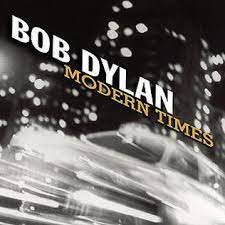
Thunder On The Mountain is a high-energy, rockabilly-infused track that served as the lead single for the 2006 album Modern Times. Written by Dylan, the song reached the top ten on the Billboard Adult Alternative Songs chart and was his first single to be released as a digital download.
The music video is a fast-paced, archival-style production that features a mix of vintage footage and animation, though Dylan himself does not appear in new footage. Interestingly, the lyrics include a direct reference to the pop singer Alicia Keys, which Dylan stated was inspired by her performance at the Grammys.
The recording is notable for its driving beat and Dylan’s rhythmic, half-spoken vocal style, which became a hallmark of his late-career "old, weird America" sound. Its success helped the album debut at number one on the Billboard 200.
Chords And Strumming
I play this one with a capo 3rd fret using a down up down up down up down up and repeat rhythm pattern in standard tuning. Some lead in this one while you play the chords C7, G, D, and C.
Guitar Lesson Detail - (chords & lyrics sheet incl with lesson)
Chords & LyricsJump To Top
With God On My Side - Learn To Play On Guitar
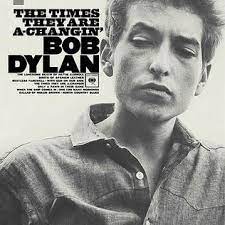
With God On Our Side is a biting and historical protest song featured on the 1964 album The Times They Are A-Changin'. Written by Dylan, the song moves through American history, from the massacre of Native Americans to the Cold War, questioning the idea that God favors any one nation’s military conflicts.
While it was never released as a single, it became a cornerstone of the 1960s anti-war movement and was famously covered by Joan Baez. Interestingly, the melody was adapted from the traditional Irish song "The Merry Month of May." No official music video exists, but Dylan’s live performance at the 1963 Newport Folk Festival is the most iconic visual representation of the track.
The song is recognized for its unrelenting and provocative lyrical structure, which challenged the prevailing patriotic narratives of the early 1960s.
Chords And Strumming
Another one played in standard tuning with a down down up down up and repeat rhythm pattern with some picking required. Use the chords C, F, Dm, Em and G for this one.
Guitar Lesson Detail - (chords & lyrics sheet incl with lesson)
Chords & LyricsJump To Top
You Ain't Goin' Nowhere - Learn To Play On Guitar
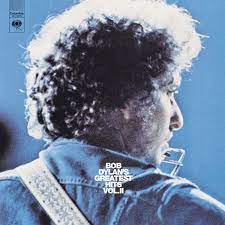
You Ain't Goin' Nowhere is a breezy, melodic country-folk track originally recorded during the 1967 "Basement Tapes" sessions but first released officially on the 1971 album Bob Dylan's Greatest Hits Vol. II.
Written by Dylan while he was recovering from his motorcycle accident, the song features nonsensical, playful lyrics that reflected the relaxed atmosphere of the sessions with The Band. The song became a major hit for The Byrds in 1968, helping to pioneer the country-rock genre.
While no official music video was made for the 1971 release, a lyric video was produced for the 2014 box set release of The Bootleg Series Vol. 11. Interestingly, Dylan re-recorded the song with Happy Traum in 1971, adding a more polished, traditional folk feel to the arrangement. It remains one of his most covered and enduringly optimistic compositions.
Chords And Strumming
The chords for this one and they are G, Am and a C in standard tuning. I play a root down up root up down up and repeat rhythm pattern and some lead work required.
Guitar Lesson Detail - (chords & lyrics sheet incl with lesson)
Chords & LyricsJump To Top
You're Gonna Make Me Lonesome When You Go - Learn To Play On Guitar
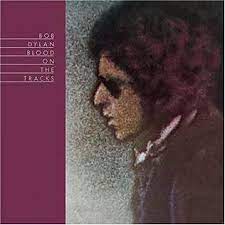
You're Gonna Make Me Lonesome When You Go is an upbeat but bittersweet track featured on the 1975 album Blood on the Tracks. Written by Dylan, the song features a rhythmic, folk-style arrangement that contrasts with the heavier, more somber ballads found on the rest of the album.
While it was not released as a commercial single, the song is highly regarded for its intimate and conversational lyrics about the anticipation of heartbreak. No music video was produced during the 1970s, but the song saw a major resurgence in 2012 when Miley Cyrus recorded a cover for a human rights tribute album.
Cyrus’s version was accompanied by a cinematic music video that introduced the song to a new generation of listeners. Interestingly, the track is one of the few on the album that features Dylan playing harmonica in a prominent, rhythmic role.
Chords And Strumming
This lesson is played in standard tuning with the chords C, B, Am, F and G. There is some lead with a root down root up down up and repeat rhythm pattern.
Guitar Lesson Detail - (chords & lyrics sheet incl with lesson)
Jump To Top
Common Questions About Bob Dylan
1. What was Dylan's biggest all-time hit?
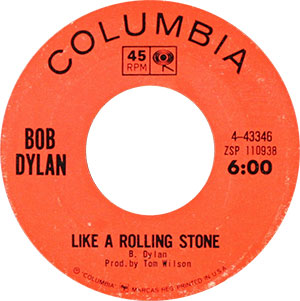
Bob Dylan's biggest all-time hit was "Like a Rolling Stone." This song was released in 1965 and became a major success. It reached number 2 on the US Billboard Hot 100 chart and is often considered one of the greatest songs of all time.
"Like a Rolling Stone" was revolutionary for its length (over 6 minutes) and its blend of folk and rock music. It helped define Dylan's transition from acoustic folk to electric rock and had a big impact on popular music.
The song is known for its powerful lyrics and Dylan's distinctive vocal style, making it a standout in his career and in music history.
2. What did Bob Dylan say was the best song ever written?
Dylan said “Wichita Lineman” written by Jimmy Webb was “the greatest song ever written.”
3. What Bob Dylan song won an Oscar?
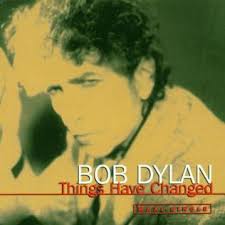
Bob Dylan won an Oscar for his song "Things Have Changed." He wrote this song for a movie called "Wonder Boys" that came out in 2000. Dylan got the award for Best Original Song at the Oscars in 2001.
This was the first and only time he's won an Oscar so far. The song also won a Golden Globe award. It's a bluesy rock song with thoughtful lyrics that fit the movie well. Winning an Oscar was a big deal for Dylan, adding to his other awards like Grammys.
It showed that even after many years of making music, Dylan could still write great songs that people loved, even for movies.
4. What is Bob Dylan good at?
Bob Dylan will go down as one of the great song writers of his time having sold tens of millions of albums, he has penned more than 500 songs that have been recorded by more than 2000 artists. He was awarded the Nobel Prize for Literature in 2016.
Thank you for dropping by my top songs by Bob Dylan page. I hope the info found here was helpful.
If you liked this top songs by Bob Dylan page you might also like ... (click images)
Fun Folk Songs To Sing
Latest 100 Tutorials
© 2019–2026 KirbysGuitarLessons.com — All Rights Reserved