Best Anne Murray Guitar Songs
(Page Updates Coming)
Welcome to my Best Anne Murray Guitar Songs page! Here, you'll find Anne Murray guitar chords and lyrics in a downloadable PDF with each lesson, along with acoustic demo video rhythm information to help you learn some of her most beloved classics.

Whether you're a beginner or an experienced player, these lessons will guide you through the chords, strumming patterns, and techniques to bring Anne Murray’s timeless hits to life on your guitar.
🎸 Anne Murray Guitar Lessons – Songs Overview
performance clips taken directly from the complete lesson videos.
Click Play, then drag the timeline to quickly preview any Anne Murray lesson featured on this page.
Note: Every arrangement has been personally created, recorded and taught by Kirby
using teaching methods refined through decades of acoustic guitar instruction.
What's Included With Every Lesson
📦 Your Lesson Package Includes
✓ 8–12 minute HD video lesson so you can learn each song step-by-step.
✓ Printable chords & lyrics PDF for easy practice away from the screen.

✓ Instant download—start playing in minutes.
✓ Learn at your own pace on any device.
🎁 Free Demo Preview
Want to see a full demo? Scroll down to check out a completely free demo on Anne Murray’s “What About Me”
Anne Murray Guitar Lessons Included On This Page
Broken Hearted Me Guitar Lesson
I Can See Arkansas Guitar Lesson
I Can See Clearly Now Guitar Lesson
I Just Fall In Love Again Guitar Lesson
Just Another Woman In Love Guitar Lesson
Love Song Guitar Lesson
Put Your Hand In The Hand Guitar Lesson
Snowbird Guitar Lesson
The Call Guitar Lesson
What About Me Guitar Lesson
You Needed Me Guitar Lesson
Biden My Time - Learn To Play On Acoustic Guitar

Biden My Time is a soulful folk-pop track that appeared on Anne’s 1969 breakthrough album This Way Is My Way.
Written by Gene MacLellan, the song highlights the early creative partnership between the singer and the songwriter that would define her early career. While it was not the lead single, it was eventually released as the B-side to "Snowbird" in 1970, gaining significant airplay on its own merits and reaching the top of the Canadian RPM Country Tracks chart.
The recording features a distinctive horn and string arrangement by Rick Wilkins, adding a sophisticated layer to Anne’s naturally warm and resonant vocals.
Interestingly, the song was auto-generated for various modern digital platforms due to its enduring popularity as a foundational piece of her discography, though no formal music video was produced during its original release era.
What You'll Learn From This Lesson
Soon.
Guitar Lesson Details - (chords & lyrics sheet incl with lesson)
Back To Song List
Broken Hearted Me - Learn To Play On Acoustic Guitar
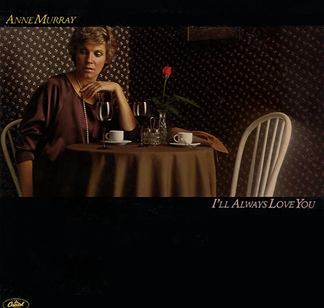
Broken Hearted Me is a standout soft-rock ballad from the 1979 album I'll Always Love You. Written by Randy Goodrum, the song was released as a single in September 1979 and became a massive success, reaching number one on both the Billboard Hot Country Singles and Adult Contemporary charts.
The track also achieved significant crossover appeal, peaking at number twelve on the Billboard Hot 100. Anne even recorded a version of the song in Spanish to cater to her international audience, which was released on vinyl and later on CD. The production, handled by Jim Ed Norman, emphasizes a lush, melodic arrangement that perfectly complements Anne's emotional delivery.
While no high-budget cinematic video exists, the song remains one of her most recognized hits, frequently appearing in live televised performances and career-spanning retrospectives.
What You'll Learn From This Lesson
This one is played with a capo 1st fret and has some piano in the beginning and that is explained in the full lesson tutorial. You start off playing just down strokes but eventually you play a down down up down up and repeat rhythm pattern. No lead except for that piano riff but a lot of chords including C, CG#, Am/G, Am7, Gsus, G, C7, F, Am, Dm, D/Gb, Fm, Em, E, Esus, F/C#. Learn to play this heartfelt ballad with easy-to-follow chord progressions and a smooth arpeggio/rhythm guitar style.
Guitar Lesson Details - (chords & lyrics sheet incl with lesson)
Back To Song List
I Can See Arkansas
- Learn To Play On Acoustic Guitar
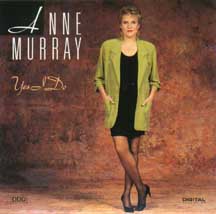
I Can See Arkansas is a vivid narrative track released in 1992 as the third single from the album Yes I Do. Written by James Nihan and Wood Newton, the song reached number nine on the Canadian RPM Country Tracks chart, proving Anne’s continued relevance in the country genre into the early 90s.
The song was originally recorded by Steve Wariner in 1990, but Anne’s version brought a fresh perspective to the story of longing and distance. Interestingly, the track was also covered by Jamaican performer Ninjaman under the title "Mississippi," showing the wide reach of the song's melody.
A music video was produced for the release, featuring Anne in various reflective settings that emphasize the song's themes of geography and memory. The production by Jerry Crutchfield ensures a clean, contemporary country sound that allowed her vocals to remain the centerpiece.
What You'll Learn From This Lesson
You can play this one without a capo but if you're a guy trying to sing this, it may not be in the correct key vocally, so I put a capo on the 2nd and sang it a bit low here. You can play a down down up down up followed by a down up down up down up and repeat that pattern. Some melody lead in this one with the chords Fmaj7, C, G, C7, G6 and Am and played in standard tuning. Master the gentle country rhythm and soothing chord transitions of this classic Anne Murray tune.
Guitar Lesson Details - (chords & lyrics sheet incl with lesson)
Back To Song List
I Can See Clearly Now
- Learn To Play On Acoustic Guitar

I Can See Clearly Now is an uplifting cover of the Johnny Nash classic, featured on the 1999 album What A Wonderful World. Produced by Anne herself along with Tommy West, the track was part of a larger project of inspirational and spiritual songs that highlighted her vocal versatility later in her career.
While it was not released as a commercial radio single, the song became a staple of her live gospel and inspirational sets, featuring backing vocals from Amy Sky and Dawn Cumberbatch. The arrangement stays true to the optimistic spirit of the original 1972 hit but adds Anne’s signature sophisticated pop-country polish.
No official music video was made for this specific recording, but the track is frequently used in retrospective packages to showcase her ability to breathe new life into timeless standards from the pop and soul genres.
What You'll Learn From This Lesson
You'll need to play a shuffle rhythm here to make this work so play a down down up with a muted up down up down and then play the up stroke. In some places you'll also play a steady shuffle pattern. In standard tuning and no lead with the chords C, F, G, A#, D#, Bm and Am. Strum along to this uplifting classic with a simple yet catchy chord pattern and light rhythm.
Guitar Lesson Details - (chords & lyrics sheet incl with lesson)
Back To Song List
I Just Fall In Love Again
- Learn To Play On Acoustic Guitar
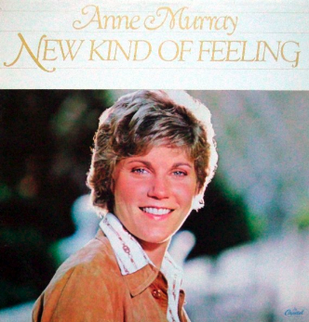
I Just Fall In Love Again is one of Anne’s most enduring romantic anthems, serving as the lead single for the 1979 album New Kind of Feeling.
Written by the powerhouse team of Steve Dorff, Larry Herbstritt, Harry Lloyd, and Gloria Sklerov, the song was originally recorded by The Carpenters and Dusty Springfield, but Anne’s version became the definitive hit. It reached number one on the Billboard Hot Country Singles and Adult Contemporary charts, while peaking at number twelve on the Hot 100.
The track is recognized for its sweepingly romantic arrangement and was named the Number One Country Hit of 1979 by Billboard. While there is no official 1970s-era music video, a 2007 "duet" version was created using archival footage to pair Anne’s vocals with those of Dusty Springfield, honoring the song’s history across multiple legendary performers.
What You'll Learn From This Lesson
This is another one with piano in the intro and outro an played in standard tuning. You'll play a down down down up down pattern for the most part but you can shuffle the pattern in a few places. Only lead is the piano part while playing the chords C, D7, Dm7, Gsus, G, C, Adim, F, Em, Am, Dm7, E, Esus and a Dsus. Capture the soft, romantic feel of this song with beautiful chord voicings and gentle strumming.
Guitar Lesson Details - (chords & lyrics sheet incl with lesson)
Back To Song List
Just Another Woman In Love
- Learn To Play On Acoustic Guitar
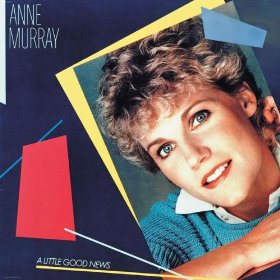
Just Another Woman In Love is a rhythmic, mid-tempo hit that was released in the spring of 1984 as the third single from the gold-certified album A Little Good News. Written by Wanda Mallette and Patti Ryan, the song was a commercial triumph, reaching number one on both the Billboard Hot Country Singles and Adult Contemporary charts, as well as the RPM charts in Canada.
Produced by Jim Ed Norman, the track features a polished, early-80s country-pop sound that suited Anne’s vocal range perfectly. Interestingly, the song’s success helped solidify her status as a crossover star during a period of significant change in the Nashville sound.
While no formal narrative music video was produced, the song became a cornerstone of her live television appearances throughout the 1980s, celebrated for its relatability and its infectious, melodic hook.
What You'll Learn From This Lesson
The song has two rhythm patterns with the first being a 1-2-3 up down up down up where 1-2-3 are the arpeggio notes of the chords your one. And then once you hit the chorus you'll switch to a root up down up root up down up rhythm. No lead in this one with the chords G, Am, D, G7, C, B7 and an Em.
Guitar Lesson Details - (chords & lyrics sheet incl with lesson)
Back To Song List
Love Song - Learn To Play On Acoustic Guitar

Love Song marked another successful collaboration between Anne Murray and the songwriting talents of Kenny Loggins. Originally recorded by Loggins & Messina for their 1973 album Full Sail, the song was written by Loggins and Dona Lyn George.
Following her earlier success with Danny's Song, Murray recorded her own interpretation, released in December 1973. The gentle country-pop ballad became a major crossover hit in 1974, reaching #1 on Canada's pop, country and adult contemporary charts.
In the United States, it climbed to #12 on the Billboard Hot 100 and #5 on the country chart. The recording also earned Murray the 1975 Grammy Award for Best Female Country Vocal Performance.
What You'll Learn From This Lesson
This song starts off with arpeggio notes in the first verse and then moves to root down up down up down up down up rhythm pattern. The song is in standard tuning and played with a capo on the 3rd fret. It is played with the three chords G, Am and D and then the rhythm changes briefly midway through to a down down up down up and repeats, as the song changes key and the additional chords Em, C, B7, E, A and a Dbm are introduced. There is no lead playing in the song.
Guitar Lesson Details - (chords & lyrics sheet incl with lesson)
Back To Song List
Put Your Hand In The Hand - Learn To Play On Acoustic Guitar

Put Your Hand In The Hand is a gospel-pop standard written by Gene MacLellan and first recorded by Anne for her 1970 album Honey, Wheat and Laughter.
While her version served as the introduction for the song, it became a massive global hit for the Canadian band Ocean a year later. Anne’s original recording is notable for its acoustic-driven, folk-influenced arrangement that captured the early 70s interest in spiritual and uplifting themes.
Though she did not release it as a single initially, the song remains a vital piece of her legacy as it was the first recording of a track that would eventually be inducted into the Canadian Songwriters Hall of Fame. The track is frequently cited as a prime example of her early work with producer Brian Ahern, which helped establish the "Canadian Sound" on the international stage during the folk-pop boom.
What You'll Learn From This Lesson
This one is played in standard tuning with a simple down up down up rhythm pattern with a quick shuffle in the chorus to add a drum shuffle with the chords G, D, Am, Dm, Edim, A7 and an Em.
Guitar Lesson Details - (chords & lyrics sheet incl with lesson)
Back To Song List
Snowbird
- Learn To Play On Acoustic Guitar
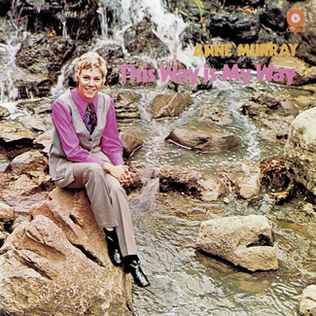
Snowbird is the legendary song that turned Anne Murray into an international superstar, originally appearing on the 1969 album This Way Is My Way.
Written by Gene MacLellan in just twenty minutes while walking on a beach, the song was released as a single in 1970 and became a monumental success. It was the first American Gold record ever awarded to a Canadian solo female artist, reaching number eight on the Billboard Hot 100 and spending six weeks at number one on the Adult Contemporary chart. Interestingly,
Anne and MacLellan met while they were regulars on the CBC series Singalong Jubilee, which provided the platform for her to debut the track. While a formal music video didn't exist in 1970, various filmed performances from her television specials have become the de facto visual representation of the song, cementing its status as her signature recording.
What You'll Learn From This Lesson
This one only has 5 chords and they are C, Em, Dm, G and an F near the end of the song. Played in standard tuning with a root down up down up down up rhythm pattern you'll pick a bit of lead in the middle of this one. Learn the signature strumming style that brings out the gentle melody of Anne Murray’s breakout hit.
Guitar Lesson Details - (chords & lyrics sheet incl with lesson)
Back To Song List
The Call - Learn To Play On Acoustic Guitar
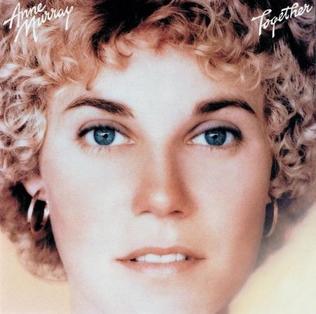
The Call is a hauntingly beautiful track written by Gene MacLellan that Anne recorded twice during her career. Her most famous version was released in January 1976 as a single from the album Together, though she first recorded it for her 1970 album Honey, Wheat and Laughter.
The 1976 version, produced by Tom Catalano, reached number five on the Canadian country charts and number six on the U.S. Adult Contemporary chart. The song is recognized for its introspective and slightly melancholic tone, showcasing Anne’s ability to handle complex emotional narratives.
While no high-budget music video was released for the song, it was a frequent highlight of her mid-70s television appearances. Interestingly, MacLellan's own version of the song had been a modest hit in 1970, but Anne’s polished, orchestral interpretation became the definitive version for many fans across North America.
What You'll Learn From This Lesson
For this number I'm playing a capo 3rd fret with steady root down up root up down up and repeat. No picking in the original but I put one in my version here with the chords G, Am, D and a D7.
Guitar Lesson Details - (chords & lyrics sheet incl with lesson)
Back To Song List
What About Me
- Learn To Play On Acoustic Guitar

What About Me is a poignant track written by Scott McKenzie that serves as the title song for Anne’s 1968 debut album. While the original version established her as a rising star in Canada, a live version recorded for her 1973 album Danny's Song was released as a single and became a significant hit.
This 1973 version reached number one on the Canadian Adult Contemporary chart and number two on the U.S. Adult Contemporary chart. The song is recognized for its vulnerable and questioning lyric, which Anne delivered with a sincerity that resonated deeply with her early audience.
Interestingly, the song’s success helped her bridge the gap between her early folk-inspired roots and the more polished country-pop sound she would later perfect. No formal music video was produced, but the track remains a vital piece of her early discography, marking the very beginning of her historic career.
What You'll Learn From This Lesson
I play this one with a capo 1st because it's a bit too low vocally with the chords G, D, C, Em and an A7. This one has a steady rhythm with root down up down up down up and repeat pattern and some lead required in standard tuning. Strum through the up-beat chords and rhythmic flow of this introspective number.
Guitar Lesson Details - (chords & lyrics sheet incl with lesson)
Back To Song List
You Needed Me
- Learn To Play On Acoustic Guitar
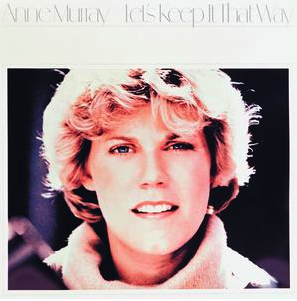
You Needed Me is perhaps Anne’s most globally recognized ballad, serving as the lead single for the 1978 album Let's Keep It That Way.
Written by Randy Goodrum, the song was a monumental achievement, reaching number one on the Billboard Hot 100 and winning Anne a Grammy Award for Best Female Pop Vocal Performance. Interestingly, Anne initially had to fight to have the song released as a single, as her label was hesitant about its unconventional structure.
The track is recognized for its honest and selfless lyrics, which struck a chord with millions of listeners. While a traditional music video was not made in 1978, various filmed live performances have become iconic, and the song saw a major resurgence in 1999 when it was covered by the boy band Boyzone, reaching number one in the UK. It remains a definitive masterpiece of 1970s pop-country.
Chords And Strumming
This one has a combo pattern of arpeggio and rhythm by playing a 1-2 up down up and repeat or play a 1-2 down up down up will also work for the rhythm. No lead and in standard tuning you'll need to play an A, D/A, Esus, E, Dbm, D, B7, Abm, C#7, Gbm, A/Db and a Gb7 near the end. Play this timeless hit with easy-to-learn chord progressions and a heartfelt strumming pattern.
Guitar Lesson Details - (chords & lyrics sheet incl with lesson)
Back To Song List
Thanks for stopping by my best Anne Murray guitar songs page and I hope the info here was useful in helping you learn how to play of these Anne Murray hits on the guitar.
Anne Murray Official Website
If you liked this best Anne Murray guitar songs page you might also like ... (click images)


Very Easy Country Guitar Songs

Kirby Swinemar is an acoustic guitar instructor, performer and song arranger who has taught online for 21 years and created more than 4,000 original acoustic guitar lessons. He specialises in song-based acoustic guitar instruction, rhythm guitar techniques, and creating full-sounding solo arrangements that help beginner and intermediate players move beyond basic strumming.
Explore his work at Kirby's Guitar Lessons and on social media on his social media YouTube Channel and his Facebook Page. Learn more about Kirby on his About Me page.
Latest 100 Tutorials
© 2019–2026 KirbysGuitarLessons.com — All Rights Reserved