Best Beach Boys Guitar Songs to Learn
Discover the breezy California sound of The Beach Boys with this collection of easy-to-play acoustic guitar lessons. From early surf rock anthems like "Surfin’ Safari" and "Fun, Fun, Fun" to later hits like "Kokomo", each of these 9 songs is broken down into approachable tutorials for acoustic players.
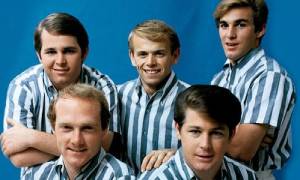
You’ll get rhythm tips, strumming patterns, and an inside look at the chord progressions that brought The Beach Boys’ signature harmonies to life.
Whether you're jamming solo or bringing summer vibes to your next beach fire, these lessons are designed to help you master the timeless surf-rock sound.
🎸 Overview Video - “Best Beach Boys Songs”
Watch this short overview to hear snippets from every Beach Boys arrangement
featured on this page before exploring the individual lessons below.
The Beach Boys Guitar List
Fun Fun Fun
Hawaii
Help Me Rhonda
Kokomo
Sloop John B
Surfer Girl
Surfin Safari
Surfin USA
🎁 Free Lesson Preview
Scroll down to check out a completely free demo on The Beach Boy’s “Kokomo.”Barbara Ann - Learn To Play On Guitar
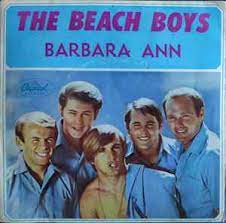
Barbara Ann is the raucous hit from the 1965 acoustic album Beach Boys' Party!. Released as a single, it shot to number 2 on the Billboard Hot 100.
While it sounds like a casual jam session, the recording famously features Dean Torrence of Jan & Dean sharing lead vocals with Brian Wilson. The song was actually a cover of a 1961 doo-wop track by The Regents.
At the end of the track, you can hear Carl Wilson say, "Thanks, Dean," acknowledging the uncredited guest star who helped turn this impromptu recording into one of the band's most enduring anthems.
Chords And Strumming
Just three chords here and they are E, A and a B but some lead required in standard tuning with a capo 2nd fret. For rhythm play a down up down up down up rhythm pattern.
Guitar Lesson Details - (chords & lyrics sheet incl with lesson)
Back To Song List
Fun Fun Fun - Learn To Play On Guitar
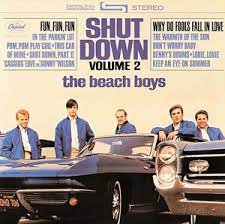
Fun Fun Fun kicks off the 1964 album Shut Down Volume 2. It was a smash hit, peaking at number 5 on the Billboard Hot 100.
The lyrics were inspired by a real-life event involving Dennis Wilson's friend, Shirley Englund, who lied to her father about studying at the library to borrow his Ford Thunderbird for a joyride. Musically, the song is famous for its driving intro, which was heavily influenced by Chuck Berry's guitar style.
It remains one of the quintessential songs about California car culture and teenage rebellion, solidifying the band's image as purveyors of the endless summer.
Chords And Strumming
I use a capo 2nd fret here in standard tuning with a down up down up down up down up and repeat rhythm pattern. Some lead work with the chords D, G, A, D/Gb, A7 and a D/E.
Guitar Lesson Details - (chords & lyrics sheet incl with lesson)
Back To Song List
Hawaii - Learn To Play On Guitar
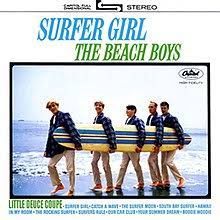
Hawaii appears on the 1963 album Surfer Girl. While it was not released as a single in the United States, it became a significant fan favorite and was a staple of their early live sets.
The song features a distinct "island" vibe with its ukulele-style guitar strumming and lush vocal harmonies. It gained further prominence when a live version was included on the 1964 chart-topping album Beach Boys Concert.
The lyrics express a longing to escape to the islands, fitting perfectly with the surf-rock aesthetic the band was cultivating during their initial rise to fame.
Chords And Strumming
Here I play a capo 1st fret with a down down down up down up down up and repeat rhythm pattern and some lead work. The chords in this one are Am, D, G, C, Em and an A.
Guitar Lesson Details - (chords & lyrics sheet incl with lesson)
Back To Song List
Help Me Rhonda - Learn To Play On Guitar
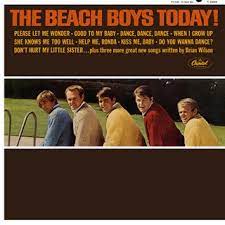
Help Me Rhonda (often spelled "Help Me, Ronda" on early pressings) is the standout track from the 1965 album Summer Days (And Summer Nights!!). It reached number 1 on the Billboard Hot 100, becoming the band’s second chart-topper.
Unusually for a Beach Boys single, the lead vocal was handled by guitarist Al Jardine rather than Mike Love or Brian Wilson. There are actually two versions; an earlier, slower recording appeared on The Beach Boys Today!, but Brian Wilson wasn't satisfied with it.
He re-recorded it with a faster tempo and a tighter arrangement, creating the smash hit version we know today.
Chords And Strumming
Some lead in this one played in standard tuning with a capo 1st fret. Play a down up down up rhythm pattern with a riff and picking blended in using the chords C, Dm7, Am, F, D7 and a G.
Guitar Lesson Details - (chords & lyrics sheet incl with lesson)
Back To Song List
Kokomo - Learn To Play On Guitar
Kokomo was released in 1988 on the Cocktail movie soundtrack and later on the album Still Cruisin'. It was a miraculous comeback, reaching number 1 on the Billboard Hot 100—their first chart-topper in 22 years.
Notably, this is the only number-one hit by the band that does not feature Brian Wilson, who was not involved in its production. Written by Mike Love, Scott McKenzie, Terry Melcher, and John Phillips, the lyrics list several tropical locations.
Despite the song’s popularity, "Kokomo" is a fictional island resort name, though it was likely inspired by various real Caribbean spots.
Chords And Strumming
For chords here you'll need a C, F, G, Cmaj7, Gm, D7, Fm and C7 played in standard tuning with no lead work. For rhythm play a root down up root up down up and repeat pattern.
Guitar Lesson Details - (chords & lyrics sheet incl with lesson)
Back To Song List
Sloop John B - Learn To Play On Guitar
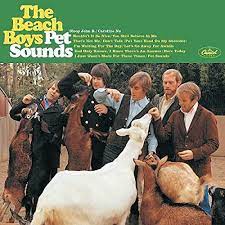
Sloop John B is a masterpiece from the seminal 1966 album Pet Sounds. Released as a single, it performed well, reaching number 3 on the Billboard Hot 100.
The song is actually a traditional Bahamian folk song that Al Jardine suggested to Brian Wilson. While Wilson initially resisted, he eventually created a dense, baroque-pop arrangement that completely transformed the simple folk tune.
The recording process was incredibly complex, involving over a dozen studio musicians. It stands as one of the few cover songs on Pet Sounds and highlights the sophisticated production style that defined the band's mid-60s era.
Chords And Strumming
I play a drop D tuning here with down strokes to start and then a root down up down up root up down up rhythm pattern. No lead but a few riffs as you play through the chords G, D, C, G7, Am and a D7.
Guitar Lesson Details - (chords & lyrics sheet incl with lesson)
Back To Song List
Surfer Girl - Learn To Play On Guitar
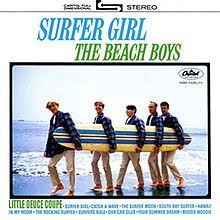
Surfer Girl is the title track of the 1963 album Surfer Girl. It reached number 7 on the Billboard Hot 100.
Brian Wilson wrote the song while driving his car, humming the melody to himself, and it stands as the first song he ever wrote solely by himself.
It is a ballad that showcases the romantic side of the surf lifestyle, heavily influenced by the melody of "When You Wish Upon a Star." Released as the B-side to "Little Deuce Coupe," it proved the band could handle slow, complex harmonies just as well as high-energy rock and roll.
Chords And Strumming
This one is played in standard tuning with a down down up down up down down and repeat rhythm pattern but no lead work. The chords you'll need are D, Bm, G, A7, Dmaj7, D7, Gm, Em, D7, Gbm, Bm and an E.
Guitar Lesson Details - (chords & lyrics sheet incl with lesson)
Back To Song List
Surfin Safari
- Learn To Play On Guitar
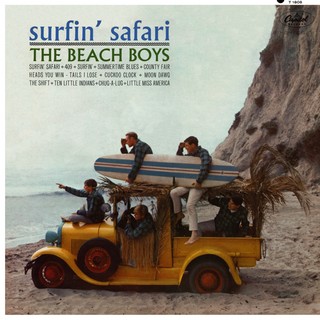
Surfin Safari is the title track of the band's 1962 debut album, Surfin' Safari. It was their first single released on Capitol Records and their first national hit, reaching number 14 on the Billboard Hot 100.
The song essentially launched the surf music craze in the mainstream. The lyrics list various surfing spots around California, establishing the "geography" of the surf scene for listeners across America.
Interestingly, the song was originally released on a small label called Candix before Capitol picked it up, saving the band from obscurity and launching a legendary career.
Chords And Strumming
This one is played in standard tuning with the chords A, D, E and a B7 using a steady down up down up down down down up and repeat pattern with some lead in the middle of the song.
Guitar Lesson Details - (chords & lyrics sheet incl with lesson)
Back To Song List
Surfin USA - Learn To Play On Guitar
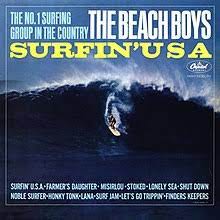
Surfin USA opens the 1963 album of the same name. It was a massive hit, peaking at number 3 on the Billboard Hot 100. The song is famous for its melody, which is virtually identical to Chuck Berry's "Sweet Little Sixteen."
This similarity led to a copyright dispute, and eventually, Chuck Berry was given writing credit on the track. Despite the legal issues, the song is an undeniable classic, transforming the band from regional stars into national icons.
The lyrics, which mention surf spots across the US and Australia, turned surfing into a global phenomenon.
Chords And Strumming
Only three chords here consisting of D, A and G using a down up down up down up and use a rock and roll riff. Some lead in this one and I'm playing with drop D Tuning.
Guitar Lesson Details - (chords & lyrics sheet incl with lesson)
Back To Song List
If you’ve always wanted to bring the California coast into your guitar playing, these Beach Boys songs are a perfect start. Their catchy melodies, simple chords, and upbeat rhythms make them ideal for acoustic guitar.
Whether you’re just starting out or adding surf rock classics to your repertoire, these lessons will get you strumming with style. Don’t forget — your full lesson purchase includes the chord sheet and rhythm breakdown to make learning even easier.
If you liked this best Beach Boys guitar songs page, you might also like ... (click images)
Popular Songs From The 60s
Latest 100 Tutorials
© 2019–2026 KirbysGuitarLessons.com — All Rights Reserved