Best 60s Rock Guitar Songs to Play on Acoustic
(Page Updated Coming)

The 1960s were a golden era for unforgettable melodies and guitar-driven rock classics. On this page, you'll find a handpicked selection of 60s rock guitar songs that still sound fresh today — and are fun to play on acoustic guitar.
From the soulful harmonies of The Mamas & The Papas to the jangly folk-rock tones of Buffalo Springfield, each tutorial includes strumming tips, chord shapes, and tuning advice tailored for intermediate players.
Whether you're drawn to Blind Faith's bluesy riffs or the radio-ready hooks of Jay and The Americans and The Raspberries, you’ll find practical guidance to help you master these timeless tracks. Perfect for home practice, gig sets, or nostalgic jam sessions.
🎸 Overview Video - “Best 60s Rock Guitar Songs”
Watch this short overview to hear snippets from every Best 60s rock guitar songs arrangement
featured on this page before exploring the individual lessons below.
Best 60s Rock Guitar Songs List
Blind Faith - Can't Find My Way Home
Jay And The Americans - Come A Little Bit Closer, She Cried
The Mamas & The Papas - California Dreaming, Creeque Alley, Monday Monday
The Raspberries - Go All The Way, Let's Pretend, Should I Wait
Billy Joe Royal Songs - Learn To Play On Guitar

Cherry Hill Park became one of Billy Joe Royal’s biggest late-1960s hits when it was released as a single in June 1969 from the album Cherry Hill Park.
Written by Robert Nix and Billy Gilmore and produced by Buddy Buie and Bill Lowery, the song told the story of the mysterious Mary Hill, whose adventures in the park were hinted at through clever and slightly mischievous lyrics. The record climbed to No. 15 on the Billboard Hot 100 and reached No. 8 in Canada, giving Royal his highest-charting pop hit since “Down in the Boondocks.”
Although no official music video was produced in that era, the song received heavy radio exposure. Its catchy melody and memorable storyline helped make it a favorite among fans of late-1960s pop and Southern rock.
Chords And Strumming
Played in standard tuning you can play a down down up down up down up for the rhythm pattern with a quick riff thrown in. No lead work otherwise as you play through the chords Gm, C, a#, A7, G, D, D7 and an F.
Guitar Lesson Details - (chords & lyrics sheet incl with lesson)
Back To Song List
Blind Faith Songs - Learn To Play On Guitar

Can't Find My Way Home recorded in 1969 for Blind Faith’s self-titled album, became one of the group’s most enduring tracks.
Although not released as a major single in the U.S., it became a staple on FM radio and is often considered one of Steve Winwood’s finest vocal performances.
No official music video was produced, but live footage from the band’s 1969 Hyde Park concert is frequently circulated. The song has been widely covered — including notable versions by Bonnie Raitt (1971), Ellen McIlwaine (1972), and Joe Cocker (1991). Clapton played the acoustic guitar part even though Winwood originally wrote the song on electric.
Chords And Strumming
I play a Drop D Tuning on this one with a simple down up down up shuffle rhythm pattern. No lead required with the chords C, G6, C/A#, D, F, G, A7 and Em.
Guitar Lesson Details - (chords & lyrics sheet incl with lesson)
Back To Song List
Jay And The Americans - Learn To Play On Guitar
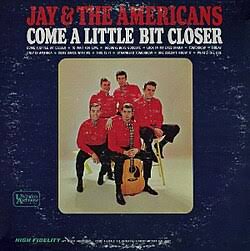
Come A Little Bit Closer became the signature hit for Jay & The Americans after its release on the group's 1964 album of the same name. Written by Tommy Boyce, Bobby Hart, and Wes Farrell, the song tells a dramatic story of romance, jealousy, and a narrow escape in a Mexican cantina.
Its distinctive Latin rhythm, memorable chorus, and storytelling style helped it stand apart from many other pop hits of the era. The recording became one of the group's biggest successes and has remained popular for decades, introducing new generations to its catchy melody through films, television, and classic oldies radio. It continues to be a favourite among fans of 1960s vocal harmony.
Chords And Strumming
The original key here is with a capo on the 1st fret, but vocally this one is really super high so you'll need some pipes. For rhythm you'll play a root down up down up down up and it switches to a down up down up and repeat pattern when you reach the chorus. For chords you'll play a D, G, A7 and an A with a bit of picking in one spot played around the chords.
Guitar Lesson Details - (chords & lyrics sheet incl with lesson)
Back To Song List

She Cried was released in 1962 and became the breakout hit for Jay and the Americans, reaching #5 on the Billboard Hot 100.
With its haunting melody, dramatic build-up, and emotionally charged vocals, the song captured the heartbreak of lost love in a way that resonated deeply with teen audiences of the early 60s.
The band's signature blend of doo-wop and orchestral pop is on full display here, laying the foundation for their string of hits to follow. A great choice for guitar players looking to explore expressive chord changes and simple, powerful rhythm work.
Chords And Strumming
Play this one in standard tuning with the chords G, G, D# and an A with a little bit of picking. The rhythm here here is a down up up down bass note and repeat.
Guitar Lesson Details - (chords & lyrics sheet incl with lesson)
Back To Song List
The Mamas & The Papas Songs - Learn To Play On Guitar
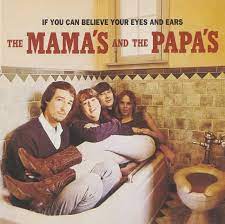
California Dreaming an iconic song released in 1965, has become synonymous with The Mamas and The Papas' signature sound. It was featured on their album "If You Can Believe Your Eyes and Ears," released the same year. T
he song achieved remarkable success on the music charts, reaching the 4th position on the Billboard Hot 100 in the United States and the 23rd position on the UK singles chart.
Over the years, "California Dreamin'" has been covered by a multitude of artists and bands, attesting to its timeless appeal. Notable covers include renditions by Barry McGuire, Bobby Womack, José Feliciano, and even the Beach Boys.
Chords And Strumming
I play a capo 3rd fret on this number in standard tuning. Some lead required with the chords Am, Esus, G, F, E, C and an E7. For rhythm play a down down up down up down up rhythm pattern. You can throw in an upstroke also as you'll see me do in the demo.
Guitar Lesson Details - (chords & lyrics sheet incl with lesson)
Back To Song List

Creeque Alley released in 1967 as part of their album "Deliver," is a distinctive song in The Mamas and The Papas' repertoire. Unlike their chart-topping singles, "Creeque Alley" wasn't released as a single and didn't chart separately. However, it played a crucial role on their "Deliver" album, which reached No. 2 on the Billboard 200 chart, showcasing the album's commercial success.
Written by John Phillips and Michelle Phillips, two integral members of the band, "Creeque Alley" is an autobiographical narrative that offers a candid glimpse into the formation and early experiences of The Mamas and The Papas.
Chords And Strumming
This one is played in standard tuning with no lead and the chords B7, E, Gb and a D. For rhythm play a simple root down bass up down up and repeat pattern.
Guitar Lesson Details - (chords & lyrics sheet incl with lesson)
Back To Song List
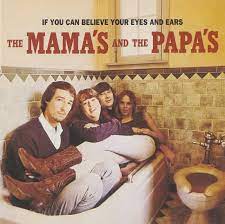
Monday Monday released in 1966, was featured on the group’s album If You Can Believe Your Eyes and Ears and quickly became one of their signature songs. Issued as a single, it reached No. 1 on the Billboard Hot 100 and won the Grammy for Best Pop Performance by a Duo or Group.
The track wasn’t accompanied by an official music video, but televised appearances helped cement its popularity. Several artists have covered it — including Petula Clark and The 5th Dimension — though none matched the original’s chart impact.
Denny Doherty admitted he didn’t think the song was strong when they first rehearsed it, only to watch it become their biggest hit.
Chords And Strumming
For rhythm here play a down down up down down up down up and repeat pattern in standard tuning and no lead. The chords here are G, C, F, A#, D7, Gadd11 and an A.
Guitar Lesson Details - (chords & lyrics sheet incl with lesson)
Back To Song List
The Raspberries Songs - Learn To Play On Guitar
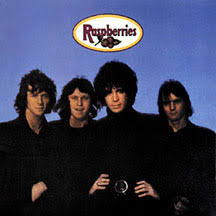
Go All The Way appears on The Raspberries’ 1974 album Starting Over, though it wasn’t released as a single. While it didn’t chart, the track is admired by fans for its blend of power-pop hooks and Eric Carmen’s emotional vocal delivery.
No official video exists, but a few live recordings from tour dates circulate online.
The song wasn’t widely covered, although several modern power-pop bands have performed it in tribute concerts. The Starting Over album marked a heavier, more guitar-driven shift for the band, influenced by producer Jimmy Lenner and the emerging hard-rock sound of the mid-’70s.
Chords And Strumming
Played with a capo 2nd fret for the original key the chords here are G, C, C/G, F, A#, Gm, Cm, Am, D7, Em, D, Bm, E7, D#, A, Em/D#, Em/D and a Em/C#. For rhythm play a down up pause up down up pause up pattern with a bit of lead in standard tuning.
Guitar Lesson Details - (chords & lyrics sheet incl with lesson)
Back To Song List
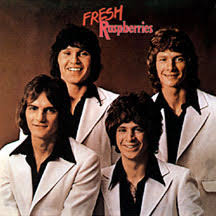
Let's Pretend was on their second album, "Fresh," released in 1972. This song didn't do as well on the charts, but it still reached number 35 in the US.
It's a softer love song that shows off the band's skill with melodies. The song helped make The Raspberries famous for their power pop sound, which mixed rock energy with pop catchiness. This song are still played on radio stations today and are remembered as classic examples of 1970s power pop music.
Chords And Strumming
I play this one in standard tuning with a down down up down up down up rhythm pattern with a few down stroke chops here and there. No lead but for chords you'll need a G, C/G, Am7, D7, Bm, Em, D, C, F and a B7.
Guitar Lesson Details - (chords & lyrics sheet incl with lesson)
Back To Song List

Should I Wait appeared on The Raspberries’ 1973 album Side 3, a record that marked a slightly tougher and more adventurous direction for the Cleveland power-pop group. Written and sung by bassist Dave Smalley rather than the band’s usual frontman Eric Carmen, the song blended melodic rock with subtle country influences, revealing another side of the group’s songwriting talent.
Although it was never released as a single and did not chart independently, it became a standout album track for listeners who appreciated the band’s rich harmonies and Beatles-inspired sound. No promotional video was created, which was typical for many album cuts of the period.
Over the years, Side 3 has earned praise from critics and collectors, and “Should I Wait” remains one of the album’s overlooked gems.
Chords And Strumming
I play a drop D tuning for this one and a capo 2nd fret. Some lead work here with the chords G, C, D, D/Gb, Em, B7 and A7 while playing a root down up root up down up and repeat rhythm pattern.
Guitar Lesson Details - (chords & lyrics sheet incl with lesson)
Back To Song List

Whether you're revisiting your favorite 60s rock classics or discovering them for the first time, these songs offer the perfect blend of melody, nostalgia, and guitar-friendly arrangements.
Each lesson comes with helpful tips for strumming, chord transitions, and rhythm patterns so you can sound great — even without a full band. With overview videos and the option to purchase full song tutorials, you'll have everything you need to improve your playing and expand your acoustic repertoire.
If you're looking for more 60s guitar songs, be sure to explore other pages across our site featuring classic rock, pop, and folk from this unforgettable decade.
If you liked this best 60s rock guitar songs page, you might also like ... (click images)


Popular Songs From The 60s
Latest 100 Tutorials
© 2019–2026 KirbysGuitarLessons.com — All Rights Reserved