The Best Beatles Love Songs
For The Acoustic
(Page Updates Coming)
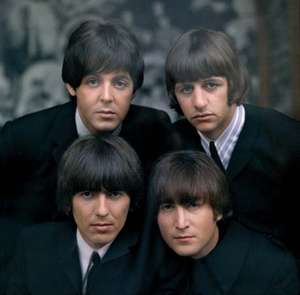
Few artists have captured every stage of romance quite like The Beatles. From the excitement of first love and youthful optimism to heartfelt ballads and more reflective songs, John Lennon and Paul McCartney created a remarkable catalogue that continues to inspire musicians more than half a century later.
This collection brings together twelve of their most memorable love songs, each arranged for acoustic guitar with easy-to-follow lessons, chord sheets and performance tips. Whether you're learning these timeless classics for your own enjoyment or to perform for family and friends, these arrangements celebrate the melodies, harmonies and songwriting that helped define an entire generation.
🎸 Overview Video - “The Beatles Love Songs”
performance clips taken directly from the complete lesson videos.
Click Play, then drag the timeline to quickly preview any Beatles lesson featured on this page.
Note: Every arrangement has been personally created, recorded and taught by Kirby
using teaching methods refined through decades of acoustic guitar instruction.
What's Included With Every Lesson
📦 Your Lesson Package Includes
✓ 8–12 minute HD video lesson so you can learn each song step-by-step.
✓ Printable chords & lyrics PDF for easy practice away from the screen.

✓ Instant download—start playing in minutes.
✓ Learn at your own pace on any device.
Early Beatles Songs On Guitar
Mid 60s Beatles Songs On Guitar
Late 60s Beatles Songs On Guitar
John Lennon | Paul McCartney | George Harrison | Ringo Starr
Beatles Guitar Lessons Included On This Page
Can't Buy Me Love Guitar Lesson
For No One Guitar Lesson
From Me To You Guitar Lesson
Girl Guitar Lesson
I Saw Her Standing There Guitar Lesson
I Want To Hold Your Hand Guitar Lesson
It's Only Love Guitar Lesson
Love Me Do Guitar Lesson
Michelle Guitar Lesson
Oh Darling Guitar Lesson
Something Guitar Lesson
The Long And Winding Road Guitar Lesson
Til There Was You Guitar Lesson
Yesterday Guitar Lesson
You've Got To Hide Your Love Away Guitar Lesson
Can't Buy Me Love - Learn To Play On Acoustic Guitar
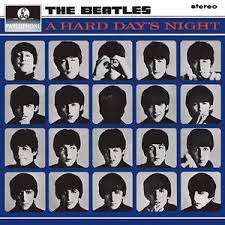
Can't Buy Me Love features on the 1964 album A Hard Day's Night. It was a trans-Atlantic smash, hitting number 1 on both the UK and US charts. In a historic achievement, when this song topped the Billboard Hot 100, the Beatles held the entire top five positions on the chart.
The track was recorded at the Pathé Marconi Studios in Paris, France, while the band was on tour. Trivia fans often point to the "jump" scene in the A Hard Day's Night movie, where the band frolics in a field to this song, as an early precursor to the modern music video.
What You'll Learn From This Lesson
The chords here are Gm, Bm, Em, A7, D7, G7 and a D with some lead. Play a down down down up down up and repeat rhythm pattern with a capo 2nd fret and drop D tuning.
Guitar Lesson Details - (chords & lyrics sheet incl with lesson)
Back To Song List
For No One - Learn To Play On Acoustic Guitar
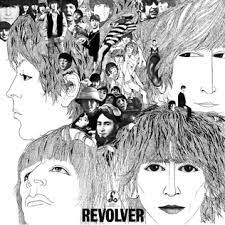
For No One is a baroque pop masterpiece found on the 1966 album Revolver. It was not released as a single.
Written by Paul McCartney about the end of a relationship (likely with Jane Asher), the song is famous for its classical instrumentation. It features a difficult French horn solo played by Alan Civil, the principal horn player for the Philharmonia Orchestra.
Paul hummed the melody to Civil, who initially deemed it impossible to play because it went outside the instrument's normal range, but he eventually nailed the "high F" note, adding a mournful elegance to the track.
What You'll Learn From This Lesson
For chords in this one you'll need an A, A/Ab, Gbm, Gbm/E, D, G, Bm Gb7, Esus, E and an A. Played with a capo on the 1st fret with a simple root down down down rhythm pattern and just the odd riff blended in.
Guitar Lesson Details - (chords & lyrics sheet incl with lesson)
Back To Song List
From Me You You - Learn To Play On Acoustic Guitar
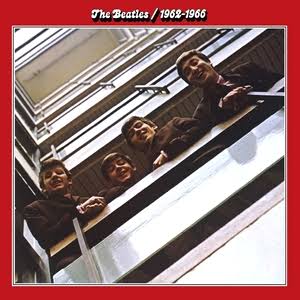
From Me to You was released by The Beatles as a stand-alone single in April 1963 and was written by John Lennon and Paul McCartney.
Recorded during the sessions between their debut album and their rise to worldwide fame, the song became the group's first number-one single on the UK Singles Chart, establishing them as Britain's leading pop act. Its infectious melody, close vocal harmonies, and memorable harmonica passages captured the youthful optimism that would soon define Beatlemania.
Although it never appeared on the original UK studio albums, the song became one of the Beatles' early signature hits and helped pave the way for the remarkable international success that followed.
What You'll Learn From This Lesson
This one is played in standard tuning and is a bit of a high sing, at least for me. You can play a root down up root up down up rhythm pattern or a root down down root up down up pattern. No lead but a few riffs as you move through the chords C, Am, G, F, Gbm, C7, D7 and a Gaug.
Guitar Lesson Details - (chords & lyrics sheet incl with lesson)
Back To Song List
Girl - Learn To Play On Acoustic Guitar
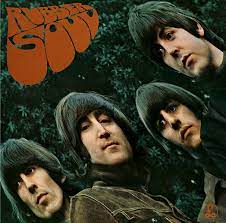
Girl is a sophisticated, folk-influenced track from the 1965 album Rubber Soul. It was not released as a single. Written by John Lennon, the song explores the concept of the "dream girl" who is also a source of pain.
The recording is famous for a subtle studio joke; during the backing vocals on the chorus, Paul and George are repeatedly singing "tit-tit-tit-tit," which they slipped past the censors and producer George Martin.
Additionally, the song features a sharp, audible intake of breath by Lennon during the verses, adding an intimate, almost percussive element to the vocal delivery.
What You'll Learn From This Lesson
This one I play with a capo on the 3rd fret while playing a root up down up and repeat pattern with the chords Am, E7, Dm, C, G6, Em, G7, C, Em, A7 and an F. There is a change in the rhythm where down strokes are played and this one has a picking break of sorts but its a series of riffs played as chords.
Guitar Lesson Details - (chords & lyrics sheet incl with lesson)
Back To Song List
I Saw Her Standing There - Learn To Play On Acoustic Guitar

I Saw Her Standing There acts as the explosive opening track on the debut album Please Please Me (1963). In the United States, it was released as the B-side to "I Want to Hold Your Hand" and still managed to chart at number 14 on the Billboard Hot 100.
Paul McCartney originally wrote the opening line as "She was just seventeen, never been a beauty queen," but John Lennon laughed at it, calling it a bad rhyme.
They changed it to "you know what I mean," which became one of the most suggestive and iconic opening lyrics in rock history.
What You'll Learn From This Lesson
I play this one in standard tuning with an odd rhythm pattern which is a down up down up steady rhythm but then I play a series of up strokes to hit the 7th chords but you can either play all down strokes for rhythm, or play the steady down up down up and repeat pattern. For chords here you'll need an E, A7, B7 and a C. There is some lead required in this number.
Guitar Lesson Details - (chords & lyrics sheet incl with lesson)
Back To Song List
I Want To Hold Your Hand - Learn To Play On Acoustic Guitar

I Want To Hold Your Hand was a non-album single in the UK, though it appeared on Meet the Beatles! in the US. This is the song that broke the band in America, skyrocketing to number 1 on the Billboard Hot 100 and triggering Beatlemania.
Written in the basement of Jane Asher’s parents' house, John and Paul composed it "eyeball to eyeball" on a piano. It was specifically written to crack the US market, incorporating elements of American gospel and surf music.
When Bob Dylan first heard it, he mistook the line "I can't hide" for "I get high," assuming the clean-cut band was singing about marijuana.
What You'll Learn From This Lesson
Another one in standard tuning while playing a root down up down up root up down up and repeat rhythm pattern but there are also some down strokes here in places. Chords in this one are C, C#, D, G, Em, B, Dm, G7, Am and a B7 but no picking required.
Guitar Lesson Details - (chords & lyrics sheet incl with lesson)
Back To Song List
It's Only Love - Learn To Play On Acoustic Guitar
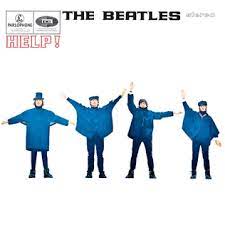
It's Only Love appears on the UK album Help! and the US version of Rubber Soul, released in 1965. It was not released as a single.
The song is a short, acoustic-driven track that John Lennon wrote to fill a quota for the album. In later years, Lennon was notoriously harsh on this composition, calling it a "lousy song" and criticizing his own lyrics as superficial.
Despite his dislike, fans often praise the track for its catchy melody and the unique, tremolo-heavy guitar sound that gives the recording a shimmering, dreamy quality.
What You'll Learn From This Lesson
This one has a bunch of chords you'll need including C, Am, B, A#, F, G and a Gaug while playing a down down up down up down up rhythm pattern and repeat. Played in standard tuning and no lead work required.
Guitar Lesson Details - (chords & lyrics sheet incl with lesson)
Back To Song List
Love Me Do - Learn To Play On Acoustic Guitar
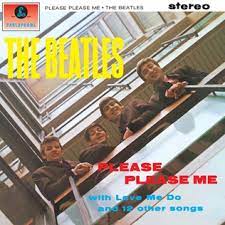
Love Me Do appears on the debut album Please Please Me. As the band's debut single in 1962, it peaked at number 17 in the UK, but when released in the US in 1964 during the height of Beatlemania, it hit number 1.
The song’s recording history is complex; there are three different versions with three different drummers. The first featured Pete Best, the second (the single version) featured Ringo Starr, and the third (the album version) featured session drummer Andy White, with Ringo relegated to playing the tambourine.
It stands as a raw, bluesy introduction to the band's sound.
What You'll Learn From This Lesson
This one is played in standard tuning the G7, C7, D7, G, D and a C chord. No lead in this one as you play root down up down up down up rhythm pattern.
Guitar Lesson Details - (chords & lyrics sheet incl with lesson)
Back To Song List
Michelle - Learn To Play On Acoustic Guitar
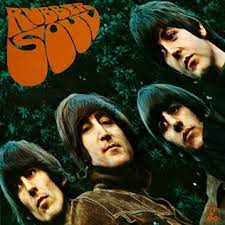
Michelle is a Grammy-winning ballad from the 1965 album Rubber Soul. While not released as a single in the UK or US at the time (where it was an album track), it was a massive number 1 hit in select European countries and won the Grammy for Song of the Year.
Paul McCartney started the song as a joke in the late 1950s to mock French art-school students at parties. Years later, John Lennon suggested he turn the "French thing" into a real song.
Paul consulted a friend's wife, a French teacher, to get the correct translation for "these are words that go together well."
What You'll Learn From This Lesson
This song I play with a capo 3rd fret and a down down up down up down up rhythm pattern. For chords here you'll need a D, Gbm, C, Fdim, A7, A#, Dm and an A. No picking required here.
Guitar Lesson Details - (chords & lyrics sheet incl with lesson)
Back To Song List
Oh Darlin' - Learn To Play On Acoustic Guitar
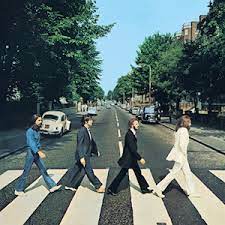
Oh Darlin is a swamp-pop ballad from the 1969 album Abbey Road. It was not released as a single in the UK or US during the band's career, though it later appeared as a single in other territories.
Paul McCartney was determined to make his voice sound ravaged and raw for the recording. To achieve this, he arrived at the studio early every morning for a week to scream through the song before the other members arrived, intentionally straining his vocal cords to capture the desperate, blistering sound of a live rock and roll singer.
What You'll Learn From This Lesson
I play this one with a capo 2nd fret with the chords Bb-5, G, D, Em, C, Am, G7, D#, A, D7, C7 and a G# at the end. If you play a down down up down up down up rhythm pattern you can jam in some arpeggio notes and a few slides. No lead in here while in standard tuning.
Guitar Lesson Details - (chords & lyrics sheet incl with lesson)
Back To Song List
Something - Learn To Play On Acoustic Guitar
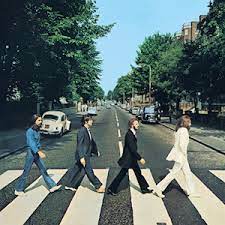
Something is the standout ballad from the 1969 album Abbey Road. It was released as a double A-side single with "Come Together," hitting number 1 on the Billboard Hot 100.
This was the first George Harrison composition to be released as a Beatles A-side, finally earning him equal standing with Lennon and McCartney. Frank Sinatra famously covered the song, calling it "the greatest love song of the past 50 years," though he mistakenly introduced it as a Lennon/McCartney song for years.
The promotional video features all four Beatles with their wives, walking through the grounds of Tittenhurst Park.
What You'll Learn From This Lesson
Another one with lots of chords and played in standard tuning with one rhythm pattern which is down down down up down up and later you can play a down up down up and some shuffle strumming in a few parts. Some picking required in this one as you play through the chords F, A#, G6, C, Cmaj7, C7, D7, G, Am, Am/Gb, Am/F, Am/ E, A, Amaj7, Gbm, and a Gbm/E.
Guitar Lesson Details - (chords & lyrics sheet incl with lesson)
Back To Song List
The Long And Winding Road - Learn To Play On Acoustic Guitar
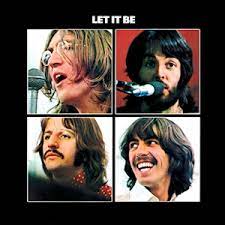
The Long And Winding Road is the penultimate track on the 1970 album Let It Be. It was released as a single in the US and became the group's twentieth and final number 1 hit on the Billboard Hot 100.
The song was at the center of the band's breakup drama; Paul McCartney was furious that producer Phil Spector added a lush orchestral choir and strings to his simple piano ballad without his permission.
McCartney cited this production interference as one of the primary reasons for legally dissolving the Beatles' partnership later that year.
What You'll Learn From This Lesson
I play a capo 1st fret in standard tuning with a bit of lead in the rhythm. Play mainly down strokes for rhythm with the chords Bm, Bnote, D/Gb, G, Gbm, Bm, Em, A7, Am7, D7, D and a Dmaj7.
Guitar Lesson Details - (chords & lyrics sheet incl with lesson)
Back To Song List
Til There Was You - Learn To Play On Acoustic Guitar
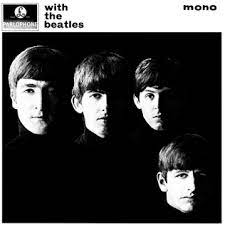
Til There Was You is a cover song featured on the band's second album, With the Beatles, released in 1963. It was not a single, but it played a crucial role in their history.
Written by Meredith Willson for the musical The Music Man, this Broadway standard allowed the Beatles to appeal to older audiences who were skeptical of rock and roll.
It was famously the second song they played during their history-making performance on The Ed Sullivan Show in 1964, proving their versatility to millions of American viewers.
What You'll Learn From This Lesson
This one is played with a capo 3rd fret but you could take it lower if needed. For rhythm play a root down up down up down and repeat. Some picking in this one with the chords D, Adim, Em, A7, Gm, Gbm, Fm, B7, E7, A7/F, A# and a Dmaj7.
Guitar Lesson Details - (chords & lyrics sheet incl with lesson)
Back To Song List
Yesterday - Learn To Play On Acoustic Guitar
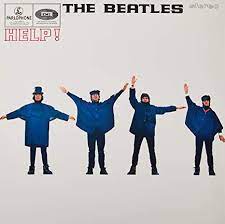
Yesterday is one of The Beatles' most celebrated songs, written primarily by Paul McCartney and credited to the Lennon–McCartney partnership.
Released on the 1965 album Help!, the melody famously came to McCartney in a dream, with temporary placeholder lyrics beginning "Scrambled Eggs" until the final words were completed.
The finished recording features McCartney accompanied only by an acoustic guitar and a string quartet, making it a striking departure from the band's usual rock sound. Its timeless melody, universal theme of lost love, and elegant simplicity have made Yesterday one of the most covered songs in popular music history and an enduring Beatles masterpiece.
What You'll Learn From This Lesson
This one is played in standard tuning with a down down up down down up down up and repeat pattern. This changes a bit when you hit the chorus and the chords change quickly so you can play down strokes there. No picking in this one but for chords you'll play a F, Em, A7, Dm, Dm/C A#, C, F/E, Em7, Gm and a G/E.
Guitar Lesson Details - (chords & lyrics sheet incl with lesson)
Back To Song List
You've Got To Hide Your Love Away - Learn To Play On Acoustic Guitar
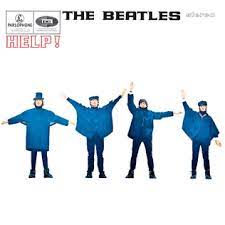
You've Got To Hide Your Love Away appears on the 1965 album Help!. It was not released as a single. This track marks the first time the Beatles hired outside studio musicians for a specific solo, featuring a flute quartet in the coda.
John Lennon wrote the song during his "Dylan period," channeling Bob Dylan’s acoustic, introspective style.
While officially about a generic romance, many biographers and fans speculate the song was a subtle nod to the band's manager, Brian Epstein, who had to hide his homosexuality, which was illegal in Britain at the time.
What You'll Learn From This Lesson
Use a down down up down up and repeat rhythm pattern here in standard tuning with the chords G, D, F, C and a Dsus. A few melody picking notes near the end.
Guitar Lesson Details - (chords & lyrics sheet incl with lesson)
Back To Song List
The Beatles proved that a great love song never goes out of style, and these twelve classics remain as meaningful today as when they were first recorded. From the youthful charm of Love Me Do and I Want To Hold Your Hand to the beautiful maturity of The Long And Winding Road and For No One, every song offers its own unique lesson in melody, emotion and acoustic guitar playing.
As new Beatles arrangements continue to be added, this collection will keep growing, making it a wonderful resource for anyone who enjoys timeless songs built on unforgettable melodies and enduring songwriting.
If you liked this Beatles love songs page you might like these ... (click images)
Popular Songs From The 60s
Latest 100 Tutorials
© 2019–2026 KirbysGuitarLessons.com — All Rights Reserved