Late 60s Beatles Songs on Guitar
(Page Updates Coming)
Welcome to my late 60s Beatles songs on guitar ....
🎸 Watch the Late 60s Beatles Guitar Lessons Overview
performance clips taken directly from the complete lesson videos.
Click Play, then drag the timeline to quickly preview any late 60s Beatles lessons featured on this page.
Note: Every arrangement has been personally created, recorded and taught by Kirby
using teaching methods refined through decades of acoustic guitar instruction.
What's Included With Every Lesson
📦 Your Lesson Package Includes
✓ 8–12 minute HD video lesson so you can learn each song step-by-step.
✓ Printable chords & lyrics PDF for easy practice away from the screen.

✓ Instant download—start playing in minutes.
✓ Learn at your own pace on any device.
Early Beatles Songs On Guitar
Mid 60s Beatles Songs On Guitar
Beatles Love Songs
John Lennon | Paul McCartney | George Harrison | Ringo Starr
Late 60s Beatles Guitar Lessons Included On This Page
A Day In The Life Guitar Lesson
Across The Universe Guitar Lesson
Come Together Guitar Lesson
Don't Let Me Down Guitar Lesson
Fixing A Hole Guitar Lesson
Get Back Guitar Lesson
Here Comes The Sun Guitar Lesson
Hey Jude Guitar Lesson
Honey Pie Guitar Lesson
I Am The Walrus Guitar Lesson
Let It Be Guitar Lesson
Lovely Rita Guitar Lesson
Lucy In The Sky With Diamonds Guitar Lesson
Mean Mr. Mustard / Polythene Pam Guitar Lesson
Ob-La-Di, Ob-La-Da Guitar Lesson
Octopus's Garden Guitar Lesson
Revolution Forever Guitar Lesson
Rocky Raccoon Guitar Lesson
She Came In Through The Bathroom Window Guitar Lesson
The Ballad Of John And Yoko Guitar Lesson
The Continuing Story Of Bungalow Bill Guitar Lesson
While My Guitar Gently Weeps Guitar Lesson
A Day In The Life - Learn To Play On Acoustic Guitar
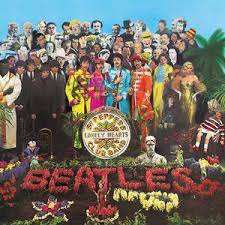
A Day In The Life is the climactic finale of the 1967 masterpiece Sgt. Pepper's Lonely Hearts Club Band. It was never released as a commercial single at the time, yet it is widely regarded as one of the group's greatest achievements.
The track is famously a fusion of two separate songs—John Lennon wrote the verses about reading the news, while Paul McCartney contributed the middle "woke up, fell out of bed" section.
A 40-piece orchestra was hired to create the chaotic crescendo, a sound so overwhelming that the BBC banned the song, claiming the lyrics promoted drug use.
What You'll Learn From This Lesson
Soon
Guitar Lesson Details - (chords & lyrics sheet incl with lesson)
Back To Song List
Across The Universe - Learn To Play On Acoustic Guitar
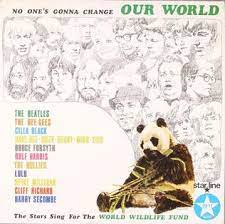
Across The Universe appears on the final studio album Let It Be, released in 1970, though an earlier version debuted on a charity album in 1969.
While not released as a single during the band's active years, it remains one of John Lennon’s most poetic compositions. The chorus features the mantra "Jai Guru Deva Om," a phrase the band learned during their time in India.
Lennon famously complained that Paul McCartney sabotaged the recording by not taking it seriously, though he later admitted the lyrics were arguably the best he ever wrote. The "Phil Spector" version slows the track down and adds orchestral overdubs.
What You'll Learn From This Lesson
Soon.
Guitar Lesson Details - (chords & lyrics sheet incl with lesson)
Back To Song List
Come Together - Learn To Play On Acoustic Guitar
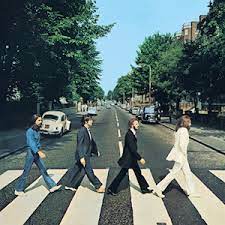
Come Together opens the 1969 masterpiece Abbey Road. Released as a double A-side single with "Something," it topped the Billboard Hot 100 at number 1. The song began as a campaign slogan for Timothy Leary’s failed run for governor of California.
It is famous for its "swampy" bass line and the hushed vocal "shoot me," which is often misheard. The track eventually led to a lawsuit from Morris Levy, the publisher of Chuck Berry’s music, who claimed the opening line and rhythm were too similar to Berry’s "You Can't Catch Me," resulting in a settlement.
What You'll Learn From This Lesson
Soon.
Guitar Lesson Details - (chords & lyrics sheet incl with lesson)
Back To Song List
Don't Let Me Down - Learn To Play On Acoustic Guitar
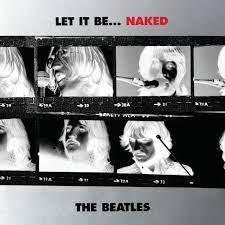
Don't Let Me Down was released in 1969 as the B-side to the "Get Back" single, reaching number 35 on the Billboard Hot 100. It is a raw, emotional plea from John Lennon to Yoko Ono, written during a period of intense personal vulnerability.
The song was a highlight of the famous rooftop concert, the band's final public performance.
While it was left off the original Let It Be album (though a different edit appeared on Let It Be... Naked decades later), the track showcases the band playing live with Billy Preston on electric piano, capturing their return to stripped-back rock and roll.
What You'll Learn From This Lesson
Soon
Guitar Lesson Details - (chords & lyrics sheet incl with lesson)
Back To Song List
Fixing A Hole - Learn To Play On Acoustic Guitar
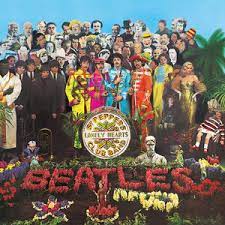
Fixing A Hole is a reflective track from the 1967 album Sgt. Pepper's Lonely Hearts Club Band. It was not released as a single.
While many fans analyzed the lyrics for drug references—assuming "fixing a hole" meant heroin use—Paul McCartney has consistently stated it was about home improvement and the freedom of letting his mind wander.
The legend goes that Paul was inspired after spotting a literal hole in the roof of his Scottish farm, though another story suggests he wrote it after seeing a fan standing outside his gate, "fixing" him with a stare.
What You'll Learn From This Lesson
Soon
Guitar Lesson Details - (chords & lyrics sheet incl with lesson)
Back To Song List
Get Back - Learn To Play On Acoustic Guitar
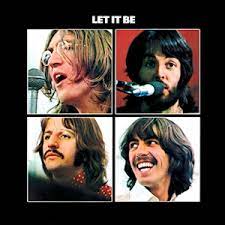
Get Back closes the 1970 album Let It Be, though the single version released in 1969 was a different mix that hit number 1 on the Billboard Hot 100. It was the first Beatles release to credit another artist, billed as "The Beatles with Billy Preston."
The song originated from a satirical jam session mocking anti-immigration rhetoric, but the final lyrics are a vague, driving rock anthem.
It was famously the final song played during the rooftop concert, ending with John Lennon’s quip: "I'd like to say thank you on behalf of the group and ourselves, and I hope we passed the audition."
What You'll Learn From This Lesson
Soon
Guitar Lesson Details - (chords & lyrics sheet incl with lesson)
Back To Song List
Here Comes The Sun - Learn To Play On Acoustic Guitar
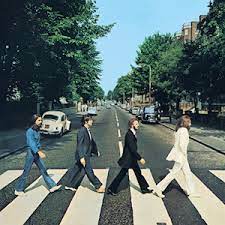
Here Comes The Sun is one of the most beloved tracks on the 1969 album Abbey Road. It was not released as a single during the band's lifespan, which makes its enduring popularity even more impressive; it is currently the most streamed Beatles song on Spotify.
George Harrison wrote the song in Eric Clapton's garden while skipping a boring business meeting at the Apple Corps offices.
The relief of missing the meeting and the arrival of spring sunshine inspired the optimistic acoustic melody, which features a Moog synthesizer, a new instrument for the band at the time.
What You'll Learn From This Lesson
This one is played with a capo 7th fret in standard tuning and some lead required. For rhythm I play a down up down up as you play the melody line with the chords D, G, A7, E7, D/Gb, Em, F and C.
Guitar Lesson Details - (chords & lyrics sheet incl with lesson)
Back To Song List
Hey Jude - Learn To Play On Acoustic Guitar
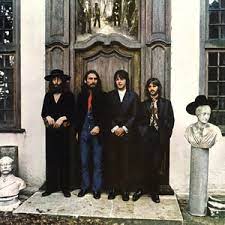
Hey Jude was released as a non-album single in 1968 and became the band's biggest hit, spending nine weeks at number 1 on the Billboard Hot 100.
Paul McCartney wrote it as "Hey Jules" to comfort John Lennon’s son, Julian, during his parents' divorce. At over seven minutes long, it smashed the convention that radio singles had to be short, three-minute tracks.
The song features a 36-piece orchestra and is famous for its extended "na-na-na" coda, which takes up nearly four minutes of the runtime, encouraging a communal sing-along that remains powerful decades later.
What You'll Learn From This Lesson
Soon.
Guitar Lesson Details - (chords & lyrics sheet incl with lesson)
Jump To Top
Honey Pie - Learn To Play On Acoustic Guitar
Honey Pie is a nostalgic track from the 1968 self-titled double album, commonly known as The White Album. It was not released as a single.
The song is Paul McCartney’s direct homage to the British music hall style of the 1920s that his father loved. To capture that authentic, old-timey sound, the producer added a crackling record effect to the opening line, "Now she's hit the big time!" Unusually for a Beatles track,
John Lennon plays the lead guitar solo, offering a jazzy, Django Reinhardt-style performance that contrasts sharply with his usual rock approach.
What You'll Learn From This Lesson
Using the chords Em, Am, Cm, G, A7, D7, D#, E7 and a C, you'll play a root down root up down up rhythm pattern in standard tuning. Be prepared for a little picking here.
Guitar Lesson Details - (chords & lyrics sheet incl with lesson)
Back To Song List
I Am The Walrus - Learn To Play On Acoustic Guitar
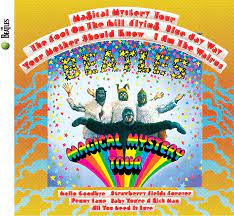
I Am The Walrus is a psychedelic staple from the Magical Mystery Tour soundtrack, released in 1967. It served as the B-side to "Hello, Goodbye" and reached number 56 on the Billboard Hot 100.
John Lennon wrote the song specifically to confuse music critics and scholars who were over-analyzing Beatles lyrics. He combined three separate song ideas and nonsensical imagery inspired by Lewis Carroll’s The Walrus and the Carpenter.
The track also features a live BBC radio feed of King Lear that was accidentally tuned in during the mixing process, adding to the sonic chaos.
What You'll Learn From This Lesson
Soon.
Guitar Lesson Details - (chords & lyrics sheet incl with lesson)
Back To Song List
Let It Be - Learn To Play On Acoustic Guitar
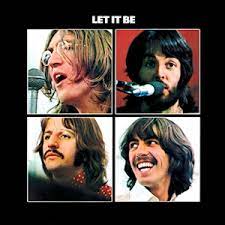
Let It Be was written primarily by Paul McCartney and recorded during The Beatles' Get Back/Let It Be sessions in 1969. McCartney later explained that the song was inspired by a dream about his late mother, Mary, whose reassuring presence helped inspire its message of comfort during a difficult period.
Released as a single in March 1970, it became one of the band's most enduring recordings and reached No. 1 on the Billboard Hot 100. A different mix later appeared on the Let It Be album, released in May 1970, with production by Phil Spector.
Featuring McCartney's memorable piano and George Harrison's expressive guitar work, the song remains one of The Beatles' most recognizable and frequently covered ballads.
What You'll Learn From This Lesson
Let It Be in it's original key is in C, but vocally it's much too high for me, so my version here is in G with the chords, G, D, Em and C. The intro has a short riff and then the song launches. For rhythm you can play a down down up down up down up pattern as you move between the chords. You can accent the song in places within the chorus mainly with some down strokes or even some shuffle strums. There is an improvised lead break in this number.
If you have a high vocal range you can transpose the key to a C and try that original key or play a capo 5th fret with the above chords. Learn the chords and the one rhythm pattern and finally learn my lead break or create an improvised one for yourself.
Guitar Lesson Details - (chords & lyrics sheet incl with lesson)
Back To Song List
Lovely Rita - Learn To Play On Acoustic Guitar
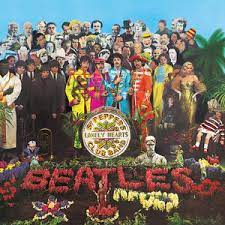
Lovely Rita appears on the seminal 1967 album Sgt. Pepper's Lonely Hearts Club Band. It was not released as a single. The lyrics tell the whimsical story of a "meter maid," a term for a traffic warden that was actually American slang and not common in the UK at the time.
Paul McCartney wrote the song after getting a parking ticket from a warden named Meta Davis outside Abbey Road Studios.
The recording features a bizarre solo that sounds like kazoos but is actually the band humming through combs covered in toilet paper.
What You'll Learn From This Lesson
In standard tuning this one has a steady down up down up rhythm pattern in standard tuning and with quick changes but no lead work. You'll need the chords A, G, D, C, Bm, E, F, and a Gsus near the end.
Guitar Lesson Details - (chords & lyrics sheet incl with lesson)
Back To Song List
Lucy In The Sky With Diamonds - Learn To Play On Acoustic Guitar
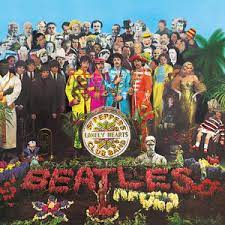
Lucy In The Sky With Diamonds is a centerpiece of the 1967 album Sgt. Pepper's Lonely Hearts Club Band. It was not released as a single.
The song ignited a firestorm of controversy due to the abbreviation of its title (LSD), leading to a ban by the BBC. However, John Lennon vehemently denied the drug connection, maintaining that the title came from a drawing his son Julian brought home from school, depicting his classmate Lucy O'Donnell "in the sky with diamonds."
Musically, the track is famous for its shifting time signatures and the surreal, dreamlike imagery of "tangerine trees."
What You'll Learn From This Lesson
I play this one in standard tuning and for rhythm some arpeggio then down strokes then down down up down up down up down up down up. No lead required and for chords play an A, A/G, Gbm, Amaj7#, Dm, C, G and a D.
Guitar Lesson Details - (chords & lyrics sheet incl with lesson)
Back To Song List
Mean Mr Mustard - Polythene Pam
- Learn To Play
On Acoustic Guitar
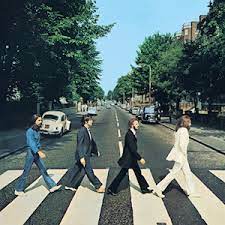
Mean Mr Mustard - Polythene Pam are joined together as part of the famous medley on Side Two of the 1969 album Abbey Road. Neither was released as a separate single. "Mean Mr. Mustard" was written by John Lennon in India and was inspired by a newspaper story about a miser who hid his money.
It transitions seamlessly into "Polythene Pam," a fast-paced rocker also by Lennon, sung in a heavy Scouse accent. The "Pam" character was loosely based on a fan from the band's early Cavern Club days who was known for eating polythene (plastic).
What You'll Learn From This Lesson
Soon.
Guitar Lesson Details - (chords & lyrics sheet incl with lesson)
Back To Song List
Ob BLa Di Ob BLa Da - Learn To Play On Acoustic Guitar
Ob BLa Di Ob BLa Da is found on the 1968 double album The Beatles (The White Album). It was not released as a single in the UK or US by the band, though a cover version by The Marmalade hit number 1 in the UK.
The song’s title and chorus came from a Nigerian conga player named Jimmy Scott, who used the phrase to mean "life goes on."
The recording sessions for this track were notoriously tense; Paul McCartney demanded take after take, driving the other band members crazy. John Lennon eventually got so frustrated he loudly banged out the opening piano intro just to get it over with.
What You'll Learn From This Lesson
This I play in drop D tuning with a root down root up down and repeat in a fast play rhythm pattern with no lead required. For chords play a D, G, C and an Em.
Guitar Lesson Details - (chords & lyrics sheet incl with lesson)
Back To Song List
Octopus's Garden - Learn To Play On Acoustic Guitar
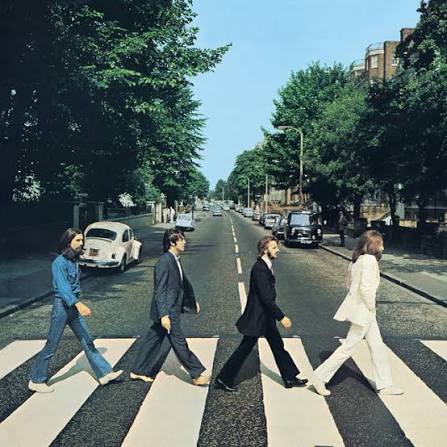
Octopus's Garden is a lighthearted song by The Beatles, written by Ringo Starr and featured on the band's 1969 album Abbey Road. Inspired by a conversation with a sailor about octopuses collecting shiny objects to decorate their underwater homes, the song reflects Starr's desire for a peaceful escape during a turbulent period for the band.
George Harrison contributed ideas during its development, while the finished recording featured imaginative production, including bubbly underwater sound effects and rich vocal harmonies.
Although often viewed as one of Ringo's most playful compositions, Octopus's Garden has become a beloved Beatles classic, appreciated for its charm, optimism, and whimsical storytelling.
What You'll Learn From This Lesson
Soon
Guitar Lesson Details - (chords & lyrics sheet incl with lesson)
Back To Song List
Revolution - Learn To Play On Acoustic Guitar
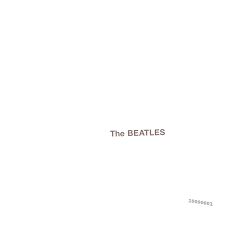
Revolution appeared in two famous forms: the fast, hard-rocking single version (the B-side to "Hey Jude") and the slower "Revolution 1" on the White Album (1968).
The single version reached number 12 on the Billboard Hot 100. It was John Lennon's direct response to the political turbulence of 1968.
The distorted guitar sound on the single was achieved by plugging the guitars directly into the recording console and overloading the preamps, a technique that horrified the EMI engineers but created exactly the "dirty" sound Lennon wanted to match his anger.
What You'll Learn From This Lesson
Played in standard tuning with a down down up down up and repeat and with a few chops in the rhythm. Some lead required with the chords G, C, D, D7, Am, B7 and E7.
Guitar Lesson Details - (chords & lyrics sheet incl with lesson)
Back To Song List
Rocky Raccoon - Learn To Play On Acoustic Guitar
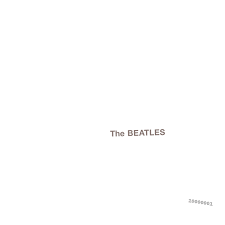
Rocky Raccoon is a folk-pastiche track from the 1968 White Album. It was not released as a single. The song features Paul McCartney adopting a mock-American accent to tell a cowboy story set in the Dakota Black Hills.
It was written while the band was studying meditation in India. The character's name was originally "Rocky Sassoon," but Paul changed it to "Raccoon" because he thought it sounded more like a cowboy.
The honky-tonk piano on the track was played by producer George Martin, adding to the saloon-style atmosphere.
What You'll Learn From This Lesson
Soon,
Guitar Lesson Details - (chords & lyrics sheet incl with lesson)
Back To Song List
She Came In Through The Bathroom Window - Learn To Play On Acoustic Guitar
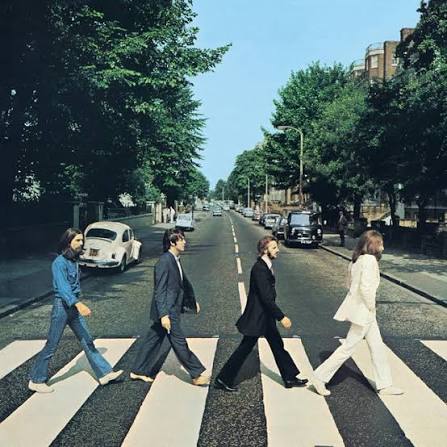
She Came In Through The Bathroom Window is a rock song by The Beatles from their landmark 1969 album Abbey Road. Written primarily by Paul McCartney and credited to the Lennon–McCartney partnership, the lyrics were inspired by an incident in which enthusiastic fans entered McCartney's London home through an upstairs bathroom window.
The song forms part of the famous Abbey Road medley on Side Two, flowing seamlessly into the surrounding tracks. Its driving rhythm, inventive bass line, and tight vocal harmonies showcase the band's remarkable musicianship during their final recording sessions together.
Over the years, the song has become a favourite among Beatles fans for its energetic performance and memorable storytelling.
What You'll Learn From This Lesson
Soon.
Guitar Lesson Details - (chords & lyrics sheet incl with lesson)
Back To Song List
The Ballad Of John And Yoko - Learn To Play On Acoustic Guitar
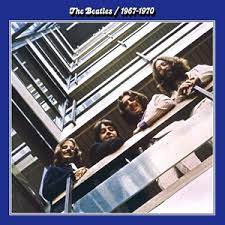
The Ballad Of John And Yoko was a non-album single released in 1969, which shot to number 1 in the UK and number 8 in the US. The song is a literal musical diary of John Lennon’s marriage to Yoko Ono and their subsequent "Bed-In" for peace.
Uniquely, only John and Paul play on the recording; George was on vacation and Ringo was filming a movie, so Paul played drums, bass, and piano while John played guitars and sang.
The song was banned by several US radio stations due to the lyric, "Christ, you know it ain't easy."
What You'll Learn From This Lesson
With the chords E, E7, A and a B7 in standard tuning, use a root down root up down up for the most part. There are lots of riffs in this one so rhythm will change in places to fit those into the rhythm. No lead work however.
Guitar Lesson Details - (chords & lyrics sheet incl with lesson)
Back To Song List
The Continuing Story Of Bungalow Bill
- Learn To Play
On Acoustic Guitar
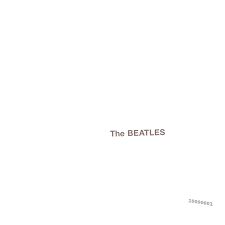
The Continuing Story Of Bungalow Bill appears on the 1968 White Album. It was not released as a single. The song was written by John Lennon about a wealthy American named Richard Cooke III, who was visiting the same meditation camp in India as the Beatles.
Cooke went on a tiger hunt during his spiritual retreat, which Lennon found hypocritical.
The track is notable for being the only Beatles song to feature a co-lead vocal line sung by a woman—Yoko Ono sings the line "Not when he looked so fierce" in the chorus.
What You'll Learn From This Lesson
Soon.
Guitar Lesson Details - (chords & lyrics sheet incl with lesson)
Back To Song List
While My Guitar Gently Weeps - Learn To Play On Acoustic Guitar
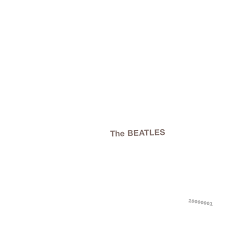
While My Guitar Gently Weeps is one of George Harrison's greatest songwriting achievements, appearing on The Beatles' self-titled 1968 album, commonly known as the White Album.
Harrison wrote the song after reflecting on the idea that everything in life is connected, expressing disappointment with the world's growing lack of compassion. The recording is especially notable for its celebrated lead guitar performance by Eric Clapton, who was invited by Harrison to play on the session—an unusual collaboration for a Beatles recording.
Blending heartfelt lyrics with emotional musicianship, the song has earned lasting acclaim as one of the finest compositions in The Beatles' remarkable catalogue.
What You'll Learn From This Lesson
Played in standard tuning I'm playing a down up down up down and then muted strings and continue this pattern as I descend for the verses. The chords here are Am, Am/G, Am/F, F, G, D, E7, C, A, Dbm, Gbm and a Bm. There is some picking required here that is blended into the chords and the strumming turns into a quick shuffle strum which is explained in the video lesson.
Guitar Lesson Details - (chords & lyrics sheet incl with lesson)
Back To Song List
Thanks for stopping by my Beatles songs on the guitar page. I hope you found what you were looking for.
If you liked this late 60s Beatles songs on the guitar page you might like these ... (click images)
Homepage
Popular Songs From The 60s
Latest 100 Tutorials
© 2019–2026 KirbysGuitarLessons.com — All Rights Reserved