Mid 60s Beatles Songs on Guitar
(Page Updates Coming)
Welcome to my mid 60s Beatles songs on guitar page ...
🎸 Watch the Mid 60s Beatles Guitar Lessons Overview
performance clips taken directly from the complete lesson videos.
Click Play, then drag the timeline to quickly preview any mid 60s Beatles lesson featured on this page.
Note: Every arrangement has been personally created, recorded and taught by Kirby
using teaching methods refined through decades of acoustic guitar instruction.
What's Included With Every Lesson
📦 Your Lesson Package Includes
✓ 8–12 minute HD video lesson so you can learn each song step-by-step.
✓ Printable chords & lyrics PDF for easy practice away from the screen.

✓ Instant download—start playing in minutes.
✓ Learn at your own pace on any device.
Early Beatles Songs On Guitar
Late 60s Beatles Songs On Guitar
Beatles Love Songs
John Lennon | Paul McCartney | George Harrison | Ringo Starr
Mid 60s Beatles Guitar Lessons Included On This Page
Drive My Car Guitar Lesson
Eleanor Rigby Guitar Lesson
Here, There And Everywhere Guitar Lesson
I'm Only Sleeping Guitar Lesson
Norwegian Wood Guitar Lesson
Nowhere Man Guitar Lesson
Penny Lane Guitar Lesson
Rain Guitar Lesson
She Said She Said Guitar Lesson
Strawberry Fields Forever Guitar Lesson
We Can Work It Out Guitar Lesson
When I'm Sixty-Four Guitar Lesson
With A Little Help From My Friends Guitar Lesson
You Won't See Me Guitar Lesson
Drive My Car - Learn To Play On Acoustic Guitar
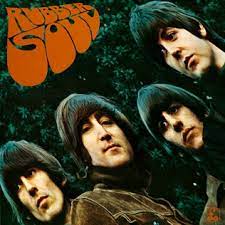
Drive My Car kicks off the UK version of the 1965 album Rubber Soul (appearing on Yesterday and Today in the US). It was not released as a single.
The song is a humorous, upbeat rocker with a twist ending: the girl offering the job of chauffeur doesn't actually have a car. Paul McCartney and John Lennon struggled with the lyrics until they decided to make it a satire about a starlet seeking fame.
The heavy bottom-end bass and the "beep beep" backing vocals were an attempt to mimic the fun, punchy sound of Otis Redding and the Stax Records studio band.
What You'll Learn From This Lesson
Soon
Guitar Lesson Details - (chords & lyrics sheet incl with lesson)
Back To Song List
Eleanor Rigby - Learn To Play On Acoustic Guitar
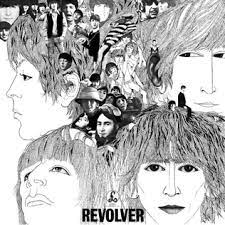
Eleanor Rigby is a landmark track from the 1966 album Revolver. Released as a double A-side single with "Yellow Submarine," it reached number 11 on the Billboard Hot 100.
Uniquely, none of the Beatles play instruments on the recording; the backing is entirely a double string quartet arranged by George Martin. The lyrics explore themes of isolation and loneliness, a stark departure from standard pop love songs.
While there is a grave for an Eleanor Rigby in the churchyard where John and Paul first met, McCartney has maintained that the name was chosen subconsciously and the character is fictional.
What You'll Learn From This Lesson
This one has down strokes with riffs blended in for rhythm in standard tuning. C, Em, Em7, Em6 and Cmaj7 are the chords required here.
Guitar Lesson Details - (chords & lyrics sheet incl with lesson)
Back To Song List
Here There And Everywhere - Learn To Play On Acoustic Guitar
Here There And Everywhere features on the 1966 album Revolver. It was not released as a single, but it holds a special place in the band's history:
Paul McCartney and producer George Martin both cited it as one of their favorite McCartney compositions. Paul wrote the song while sitting by the pool at John Lennon’s house, waiting for John to wake up.
Heavily influenced by the harmonic complexities of The Beach Boys' Pet Sounds album, the track features distinct barbershop-style backing vocals and remains a masterclass in romantic balladry.
What You'll Learn From This Lesson
Soon.
Guitar Lesson Details - (chords & lyrics sheet incl with lesson)
Back To Song List
I'm Only Sleeping - Learn To Play On Acoustic Guitar
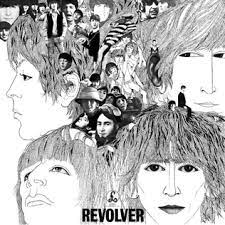
I'm Only Sleeping is a psychedelic highlight from the 1966 album Revolver. It was not released as a single.
John Lennon wrote the song as an ode to the joys of staying in bed, arguably reflecting his own laziness or, as some suggest, a drug-induced lethargy.
The track is historically significant for featuring the first-ever backward guitar solo on a pop record. George Harrison spent hours carefully composing the solo, which was then recorded and the tape reversed to create the disorienting, dreamlike swooshing sounds that perfectly match the song's drowsy theme.
What You'll Learn From This Lesson
This song is tuned one fret below pitch with the chords Em, Am, G, C, B7, Bm and an E7. You'll play a down down up don up down up rhythm pattern with a shuffle in a few places and a few riffs.
Guitar Lesson Details - (chords & lyrics sheet incl with lesson)
Back To Song List
Norwegian Wood - Learn To Play On Acoustic Guitar
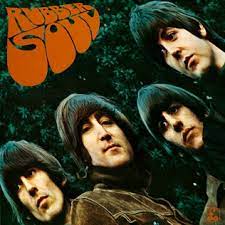
Norwegian Wood (This Bird Has Flown) appears on the 1965 album Rubber Soul. It was not released as a single.
The song is historically significant as the first pop record to prominently feature the sitar, played by George Harrison, introducing Indian classical instrumentation to Western rock music.
Lyrically, John Lennon wrote it as a cryptic confession of an extramarital affair, disguising the details so his wife, Cynthia, wouldn't find out. The title phrase "Norwegian Wood" referred to the cheap pine wood paneling that was popular in 1960s London apartments.
What You'll Learn From This Lesson
I play this one in drop D Tuning with some lead while playing a down down up down up and repeat rhythm pattern with a melody riff and some lead required. For chords I use a D, Dm, Dmmaj7, Dm7, Em, A7 and a G.
Guitar Lesson Details - (chords & lyrics sheet incl with lesson)
Back To Song List
Nowhere Man - Learn To Play On Acoustic Guitar
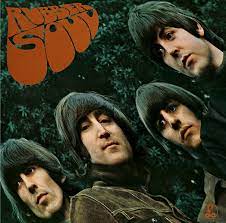
Nowhere Man is a featured track on the 1965 album Rubber Soul. Released as a single in the US, it reached number 3 on the Billboard Hot 100.
It stands out as one of the first Beatles songs unrelated to romance or love; instead, it is a philosophical reflection on insecurity.
John Lennon wrote it after spending five hours trying to write a song and coming up with nothing. He eventually gave up, lay down, and the song came to him instantly—a song about a man who is going nowhere, perfectly capturing his own writer's block.
What You'll Learn From This Lesson
Soon.
Guitar Lesson Details - (chords & lyrics sheet incl with lesson)
Back To Song List
Penny Lane - Learn To Play On Acoustic Guitar
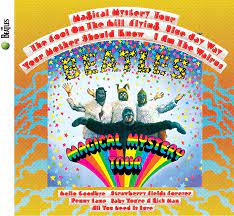
Penny Lane was released as a double A-side single with "Strawberry Fields Forever" in 1967 and later appeared on the US Magical Mystery Tour album. It reached number 1 on the Billboard Hot 100.
The song serves as Paul McCartney's nostalgic tour of his childhood in Liverpool, referencing real landmarks like the barber shop and the bank.
The distinctive, high-pitched trumpet solo was performed by David Mason; Paul decided he wanted that sound after seeing a performance of Bach's Brandenburg Concertos on television the night before the session.
What You'll Learn From This Lesson
Soon.
Guitar Lesson Details - (chords & lyrics sheet incl with lesson)
Back To Song List
Rain - Learn To Play On Acoustic Guitar
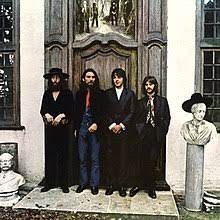
Rain was released in 1966 as the B-side to the "Paperback Writer" single, reaching number 23 on the Billboard Hot 100.
Despite being a B-side, it is considered a pioneering track in psychedelic rock. It marks the first time backward vocals were used on a Beatles record—John Lennon claimed he discovered the effect by accidentally loading the tape backward at home while stoned.
Ringo Starr often cited this performance as his best drumming with the band, featuring complex fills that drove the song’s sluggish, heavy texture.
What You'll Learn From This Lesson
Soon
Guitar Lesson Details - (chords & lyrics sheet incl with lesson)
Back To Song List
She Said She Said - Learn To Play On Acoustic Guitar
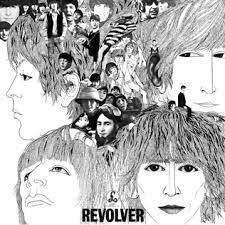
She Said She Said is a psychedelic rock song by The Beatles, appearing on the groundbreaking 1966 album Revolver.
Written primarily by John Lennon and credited to Lennon–McCartney, the song was inspired by a conversation Lennon had with actor Peter Fonda during a gathering in Los Angeles, where Fonda repeatedly remarked that he knew what it was like to be dead. The unsettling exchange became the basis for one of Lennon's most introspective and experimental lyrics.
Featuring shifting time signatures, imaginative guitar work by George Harrison, and an adventurous arrangement, She Said She Said is widely regarded as one of the defining recordings of The Beatles' innovative psychedelic period.
What You'll Learn From This Lesson
This one has a bit of a strange time signature but the chords are easy in standard tuning with an A, G, D, Dmaj7, Em and an A7. You'll play a down down up down down up down up for most of it but there are also some chops in the rhythm, but no lead work here.
Guitar Lesson Details - (chords & lyrics sheet incl with lesson)
Back To Song List
Strawberry Fields Forever - Learn To Play On Acoustic Guitar
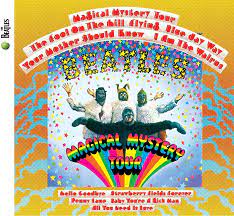
Strawberry Fields Forever was released as a double A-side single with "Penny Lane" in 1967 and is included on the US Magical Mystery Tour album. It peaked at number 8 on the Billboard Hot 100.
John Lennon wrote the song while filming a movie in Spain, reminiscing about a Salvation Army children's home near his childhood house in Liverpool.
The final recording is a technical marvel; it is actually two different takes (one slower with cellos, one faster with a rock band) in different keys that were slowed down and sped up to match, then spliced together.
What You'll Learn From This Lesson
Soon.
Guitar Lesson Details - (chords & lyrics sheet incl with lesson)
Back To Song List
We Can Work It Out
- Learn To Play On
Acoustic Guitar
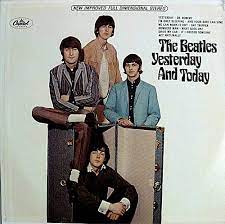
We Can Work It Out was released as a double A-side single with "Day Tripper" in 1965, hitting number 1 on the Billboard Hot 100. It is a prime example of the Lennon-McCartney collaboration;
Paul wrote the optimistic verses ("We can work it out"), while John contributed the cynical middle eight ("Life is very short, and there's no time").
The track features a harmonium, a pedal-operated reed organ, which John played to give the song its distinctive, wheezing drone, suggesting a folk or sea-shanty influence amidst the pop melody.
What You'll Learn From This Lesson
For rhythm in this one you'll play a down down up down up down up in a quick shuffle pattern and then you can chop it into down strokes in various sections. For chord you'll need a D, Dsus, C, Bm, Bm/A, G, Gbsus, Gb, Bm/G, and a Bm/Gb.
Guitar Lesson Details - (chords & lyrics sheet incl with lesson)
Back To Song List
When I'm 64 - Learn To Play On Acoustic Guitar
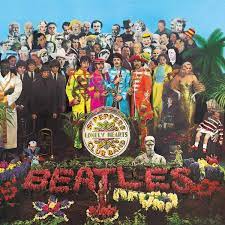
When I'm 64 is a charming music hall-style track from the 1967 album Sgt. Pepper's Lonely Hearts Club Band. It was not released as a single.
Paul McCartney actually wrote the melody when he was just 16 years old, waiting nearly a decade to record it for his father’s 64th birthday. To make the song sound more whimsical and youthful, the track was sped up during mixing, which raised the pitch of Paul’s voice.
The arrangement features a trio of clarinets, emphasizing the old-fashioned, vaudeville atmosphere that contrasts with the psychedelic rock found elsewhere on the album.
What You'll Learn From This Lesson
I play this one in standard tuning with a capo 1st fret and using a root down root up down up rhythm pattern. Some lead with the chords C, Dm, G7, G, C7, F, Fm, A7, D7, Am, E7 and E.
Guitar Lesson Details - (chords & lyrics sheet incl with lesson)
Jump To Top
With A Little Help From My Friends - Learn To Play On Acoustic Guitar
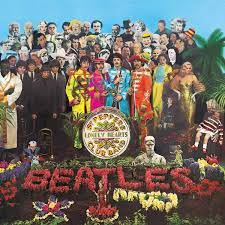
With A Little Help From My Friends is the second track on Sgt. Pepper's Lonely Hearts Club Band, segueing directly from the title track. It was not released as a single by the Beatles, though Joe Cocker later had a massive hit with a radical rearrangement.
Written specifically for Ringo Starr to sing, the song was originally titled "Bad Finger Boogie" because John Lennon composed the melody with an injured finger.
Ringo famously refused to sing the original opening line, "Would you stand up and throw tomatoes at me?" fearing that fans would actually throw tomatoes at him during live concerts.
Chord sheet and video lesson/demo contained in the zip file below.
What You'll Learn From This Lesson
For this song you can play a steady down down up down up and repeat rhythm pattern in standard tuning. For chords I'm playing a D, C, G, Em, A, A7, A7sus, Bm, A# and an E7. A bit of picking in my version here.
Guitar Lesson Details - (chords & lyrics sheet incl with lesson)
Back To Song List
You Won't See Me - Learn To Play On Acoustic Guitar
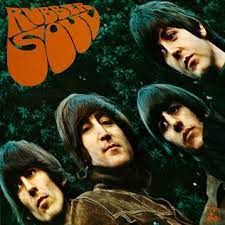
You Won't See Me is found on the 1965 album Rubber Soul. It was not released as a single. The song reflects the strained relationship between Paul McCartney and his girlfriend Jane Asher, who was not returning his calls—a theme of disconnection that permeates the lyrics.
Clocking in at 3:22, it was the longest track recorded for the Beatles up to that point. Roadie Mal Evans makes a rare musical contribution to the track, credited with playing the Hammond organ, although he simply held down a single "A" note throughout the end of the song.
What You'll Learn From This Lesson
The rhythm pattern here is down down up down up down up and repeat but no lead work. For chords you'll play a D, A, B7, Dm, E7 and A7.
Guitar Lesson Details - (chords & lyrics sheet incl with lesson)
Back To Song List
Thanks for stopping by my Beatles songs on the guitar page. I hope you found what you were looking for.
If you liked this Beatles songs on the guitar page you might like these ... (click images)
Homepage
Popular Songs From The 60s
Latest 100 Tutorials
© 2019–2026 KirbysGuitarLessons.com — All Rights Reserved