The Who Best Guitar Songs
Play These Legendary Rock Hits
Welcome to my The Who guitar songs page, where you’ll find some of their most iconic hits you can easily learn on acoustic guitar. Whether you're into the powerful storytelling of "Behind Blue Eyes", the classic rock energy of "Pinball Wizard", or the melodic strumming of "You Better You Bet", these lessons will help you capture The Who’s signature sound.
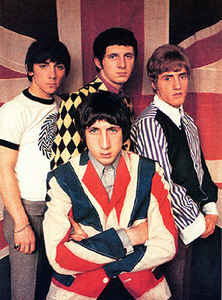
Each lesson includes a free chord sheet, rhythm tips, lesson and a demo video to get you started. On this page are some chord and rhythm tips on the songs I teach by The Who.
The songs on this page is designed to help you learn iconic songs by The Who on acoustic guitar. You'll find free resources, including chord sheets, rhythm tips, and demo videos, to get you started.
If you need a more in-depth breakdown, step-by-step video tutorials are available for a small fee.
🎸 Overview Video - “The Who Guitar Songs”
Watch this short overview to hear snippets from every Who arrangement
featured on this page before exploring the individual lessons below.
The Who Guitar List
Behind Blue Eyes
Don't Let Go The Coat
Goin Mobile
It's Hard
Let My Love Open The Door
Love Ain't For The Keeping
Pinball Wizard
So Sad About Us
Squeeze Box
Waiting For A Friend
Without Your Love
You Better You Bet
🎁 Free Lesson Preview
Scroll down to check out a completely free demo on The Who’s “Don't Let Go The Coat”.Bargin
- Learn To Play On Guitar
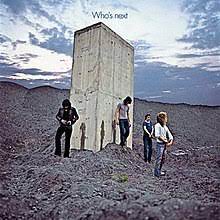
Bargain appears on the seminal 1971 album Who's Next. While it was never released as a single and therefore did not chart, it remains a massive fan favorite and a staple of classic rock radio.
The trivia here is quite spiritual: while it sounds like a love song to a woman, Pete Townshend wrote it as a devotional song about losing one's ego to find God (specifically his guru, Meher Baba).
The line "I'd gladly lose me to find you" encapsulates this theme perfectly.
Chords And Strumming
I play a capo 3rd fret here with a down down up down up down up and repeat rhythm pattern with some riffs. Some lead in here in standard tuning with the chords Gsus, G, F, C, D#, G6, A# and a D.
Guitar Lesson Details - (chords & lyrics sheet incl with lesson)
Back To Song List
Behind Blue Eyes - Learn To Play On Guitar
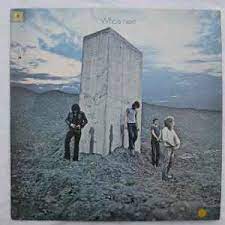
Behind Blue Eyes was released on Who's Next (1971). This power ballad charted at #34 in the US and #24 in the UK.
Originally written for Townshend’s abandoned Lifehouse sci-fi rock opera, the lyrics were meant to be sung by the main villain,"Jumbo," expressing his loneliness behind a tough facade.
Interestingly, a cover version by Limp Bizkit in 2003 became a massive hit in Europe, actually charting higher in many countries than The Who’s original version.
Chords And Strumming
The chords you'll need here are Em, G, D, C, A, Bm, E and B in standard tuning and no lead work required. For rhythm use arpeggio to get started and then combine it with some down up down up strumming.
Guitar Lesson Details - (chords & lyrics sheet incl with lesson)
Back To Song List
Don't Let Go The Coat - Learn To Play On Guitar
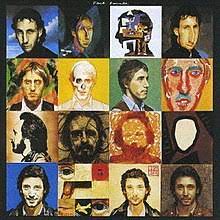
Don't Let Go The Coat is found on the 1981 album Face Dances. It was a minor hit, reaching #47 in the UK and #84 in the US.
The song features a distinct country-rock influence that was prevalent in Townshend's writing at the time.
The lyrics are deeply personal, inspired by Townshend's reliance on his spiritual beliefs (and his guru) to keep him grounded while dealing with the pressures of fame and addiction during the band's tumultuous post-Keith Moon era.
Chords And Strumming
A capo 3rd fret is the original key with some picking in the rhythm while playing a down down up down up down up and repeat rhythm pattern. For chords you'll play a G, Gmaj7, C, D/Gb, D, Em and a Bm.
Guitar Lesson Details - (chords & lyrics sheet incl with lesson)
Back To Song List
Goin' Mobile
- Learn To Play On Guitar
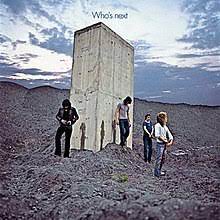
Goin Mobile is a deep cut from Who's Next (1971), The song was never released as a single and did not chart.
The most interesting piece of trivia is that lead singer Roger Daltrey does not appear on this track at all.
Pete Townshend handles all the vocals. Additionally, the unique "quacking" sound on the lead guitar wasn't a pedal, but the guitar being fed into an envelope follower on an ARP synthesizer, giving it that distinct "underwater" fuzz tone.
Chords And Strumming
Standard tuning here with some down strokes and them some down up down up with a few quick shuffles in places (see demo). No picking but for chords you'll need an E, Gbm, D, G, D/Gb, C, Cmaj7, Dsus, Gb and a B.
Guitar Lesson Details - (chords & lyrics sheet incl with lesson)
Back To Song List
It's Hard
- Learn To Play On Guitar
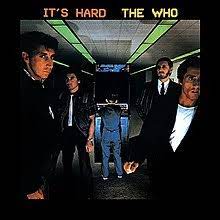
It's Hard was the title track from the 1982 album It's Hard and this song was released as a single but failed to chart on the main US Hot 100, though it did reach #39 on the Billboard Mainstream Rock chart.
It served as a statement of resilience for the band, who were on the verge of breaking up at the time.
This was the last single of new material The Who released on vinyl for over two decades until their comeback tracks in 2004.
Chords And Strumming
Play this one in standard tuning with a down down up down up down up and repeat rhythm pattern and some lead. The chords here are Dm, C, A#, G, D, C, Cm, Dsus and an A.
Guitar Lesson Details - (chords & lyrics sheet incl with lesson)
Back To Song List
Let My Love Open The Door
- Learn To Play On Guitar
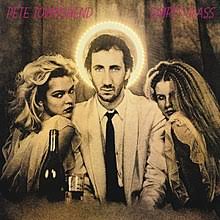
Let My Love Open The Door was released on Pete Townshend's solo album Empty Glass (1980),
This song was a genuine smash hit, reaching #9 in the US (making it Townshend's most successful solo single). Although it is a sweet, bouncy pop song, Townshend originally considered it "just a ditty" and was surprised by its success.
In 1996, a slower, melancholy ballad version known as the "E. Cola Mix" was released, which has since become a popular alternate version used in many films and TV shows. .
Chords And Strumming
Only a few chords here and they are A, D, E, Gbm, Bm and an Esus but played with a capo 3rd. No lead here and you can play a steady down up down up rhythm pattern throughout.
Guitar Lesson Details - (chords & lyrics sheet incl with lesson)
Back To Song List
Love Ain't For The Keeping
- Learn To Play On Guitar
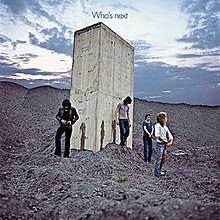
Love Ain't For The Keeping is a featured on Who's Next (1971) and this acoustic track was not a charting single.
It is the shortest song on the album and involves a radical change in style: the original version recorded in New York was a heavy electric rock song featuring guest lead guitarist Leslie West from the band Mountain.
The band scrapped that heavy version in favor of the gentle, folk-rock acoustic version that made the final album, giving the record a moment of calm.
Chords And Strumming
For chords in this one I play a G, A, D and a C with some lead work required in standard tuning. The rhythm here is a down down up down down down up down and repeat pattern.
Guitar Lesson Details - (chords & lyrics sheet incl with lesson)
Back To Song List
Pinball Wizard - Learn To Play On Guitar

Pinball Wizard was a breakout hit from the rock opera Tommy (1969),
It reached #4 in the UK and #19 in the US and is arguably one of the most recognizable guitar intros in rock history.
Townshend wrote the song purely to get a good review from rock critic Nik Cohn, who was a fan of pinball.
Townshend quickly incorporated the game into the plot of Tommy to please Cohn, who immediately declared the album a masterpiece.
Chords And Strumming
Lots of chords in this one and they include Am, Asus, A, Gsus, G, Fsus, F, Esus, E, C, D, A+, F, A+sus, C, Csus, A+, G+sus, G+, Ab and an Absus. Played in standard tuning but no lead work required. Play some arpeggio and quick shuffle strumming and then down strokes for rhythm.
Guitar Lesson Details - (chords & lyrics sheet incl with lesson)
Back To Song List
So Sad About Us
- Learn To Play On Guitar
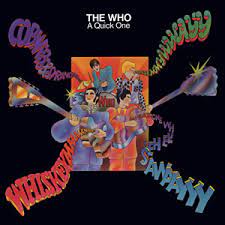
So Sad About Us appeared on the 1966 album A Quick One, This track was never released as a single and therefore did not chart.
Despite its lack of commercial release, it is widely considered a prototype for the Power Pop genre and became a musician's favorite.
An interesting fact is that Pete Townshend originally wrote it for a band called The Merseys, but after their version flopped, The Who reclaimed it. It has since become a cult classic, famously covered by The Jam and The Breeders.
Chords And Strumming
No lead to worry about here in standard tuning and with the chords G, Em, C, D, Am, Cmaj7, Dsus, A, Gbm, Bm and an Esus. I play a steady up and down and or down strokes for rhythm.
Guitar Lesson Details - (chords & lyrics sheet incl with lesson)
Back To Song List
Squeeze Box
- Learn To Play On Guitar
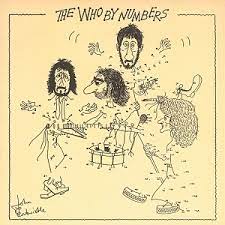
Squeeze Box was a surprise hit and hails from The Who by Numbers (1975) album and reached #10 in the UK and #16 in the US.
It features instruments rarely used by the band, specifically a banjo and an accordion.
While the lyrics innocently describe a woman playing music, the entire song is a cheeky double entendre for sex. The band famously performed this country-tinged track on their variety TV special, seemingly enjoying the fact that the dirty joke went right over the censors' heads.
Chords And Strumming
Three chords and they are G, C and D but with some lead work in standard tuning. For rhythm play a down down up and repeat patter or you could play all down strokes.
Guitar Lesson Details - (chords & lyrics sheet incl with lesson)
Back To Song List
Waiting For A Friend
- Learn To Play On Guitar
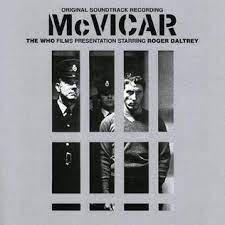
Waiting For A Friend can be found on the soundtrack for the film McVicar (1980), This number is a Roger Daltrey solo track that was released only as a promotional single and did not chart.
The song was written by Billy Nicholls, a longtime collaborator with The Who, rather than Daltrey himself.
It is frequently confused with The Rolling Stones' hit "Waiting On A Friend," which came out a year later, though the two are entirely unrelated. The track features appearances by Daltrey’s bandmates, including Pete Townshend and John Entwistle.
Chords And Strumming
I use a capo 3rd fret here in standard tuning with a root down up root up down up and repeat rhythm pattern. For chords play a Bm, A, G, D, E, A, Gb and B.
Guitar Lesson Details - (chords & lyrics sheet incl with lesson)
Back To Song List
Without Your Love
- Learn To Play On Guitar
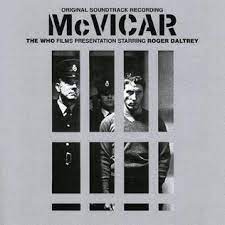
Without Your Love is another standout from the McVicar soundtrack (1980), and this Roger Daltrey solo single was a significant success, reaching #20 in the US and #55 in the UK.
Written by Billy Nicholls, the soft, piano-driven ballad stands in stark contrast to Daltrey's typical hard-rock persona.
The music video is notable for featuring Daltrey in character as real-life bank robber John McVicar, stripping away his rock star image to deliver a gentle, vulnerable performance that resonated deeply with American audiences.
Chords And Strumming
This one is in standard tuning with a capo 3rd fret and a little picking blended into the chords. A few chords in this one and they are C, Fmaj7, G6, A#, F, F/A, F/G, E7, Am, Am/G and G. For rhythm I play a 1-2-3 up down up down up where 1-2-3 are arpeggio notes in the chords.
Guitar Lesson Details - (chords & lyrics sheet incl with lesson)
Back To Song List
You Better You Bet
- Learn To Play On Guitar
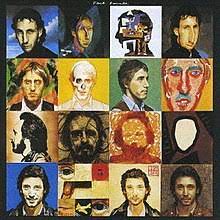
You Better You Bet was released as the lead single from Face Dances (1981) and hit #9 in the UK and #18 in the US.
It holds the distinction of being the last top-20 single The Who achieved in the United States. Pete Townshend wrote the song as a love letter to his girlfriend at the time, Jacqueline Vickers, and the lyrics candidly reference his own drinking habits.
The music video was historically significant, as it was the fourth video ever played on MTV when the channel launched in 1981.
Chords And Strumming
The chords needed here in standard tuning are C, F, G, Am, Gm, A#, Ab, Gsus, Am, Dm, Eb, Bm, A and a D with a few riffs blended into the chords. For rhythm play a down up stop up down up stop and repeat pattern.
Guitar Lesson Details - (chords & lyrics sheet incl with lesson)
Back To Song List
Whether you’re a longtime fan of The Who or just discovering their classic rock sound, these songs will add timeless energy to your guitar playing. From rock anthems to heartfelt ballads, each lesson is designed to help you play along with confidence.
Check out the full lesson tutorials for a deep dive into each song. Keep rockin' and enjoy learning these legendary Who guitar songs!
If you liked The Who guitar songs page, you might also like ... (click images)

Popular Songs From The 60s
Latest 100 Tutorials
© 2019–2026 KirbysGuitarLessons.com — All Rights Reserved