Early Beatles Songs on Guitar
(Page Updates Coming)
Welcome to my early Beatles songs on guitar page where y ....
🎸 Overview Video - “Early Beatles Songs On Guitar”
performance clips taken directly from the complete lesson videos.
Click Play, then drag the timeline to quickly preview any early 60s Beatles lessons featured on this page.
Note: Every arrangement has been personally created, recorded and taught by Kirby
using teaching methods refined through decades of acoustic guitar instruction.
What's Included With Every Lesson
📦 Your Lesson Package Includes
✓ 8–12 minute HD video lesson so you can learn each song step-by-step.
✓ Printable chords & lyrics PDF for easy practice away from the screen.

✓ Instant download—start playing in minutes.
✓ Learn at your own pace on any device.
Mid 60s Beatles Songs On Guitar
Late 60s Beatles Songs On Guitar
Beatles Love Songs
John Lennon | Paul McCartney | George Harrison | Ringo Starr
Early Beatles Guitar Lessons Included On This Page
Anna (Go To Him) Guitar Lesson
Do You Want To Know A Secret Guitar Lesson
Help! Guitar Lesson
Honey Don't Guitar Lesson
I Feel Fine Guitar Lesson
I Should Have Known Better Guitar Lesson
I'll Cry Instead Guitar Lesson
I'll Follow The Sun Guitar Lesson
I'm In Love Guitar Lesson
I've Just Seen A Face Guitar Lesson
Kansas City Guitar Lesson
Mr. Postman Guitar Lesson
Please Please Me Guitar Lesson
The Night Before Guitar Lesson
What You're Doing Guitar Lesson
You're Going To Lose That Girl Guitar Lesson
Anna - Learn To Play On Acoustic Guitar
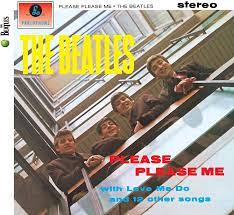
Anna (Go to Him) is a featured cover song on the 1963 debut album Please Please Me. It was not released as a single.
The original was written and performed by Arthur Alexander, a soul artist greatly admired by the band. John Lennon delivers a passionate vocal performance despite suffering from a severe cold during the marathon recording session for the album.
This track serves as a prime example of the band's early R&B roots, showcasing their ability to take a relatively obscure American soul ballad and inject it with a distinct Merseybeat energy and emotional depth.
What You'll Learn From This Lesson
Soon
Guitar Lesson Details - (chords & lyrics sheet incl with lesson)
Back To Song List
Do You Want To Know A Secret - Learn To Play On Acoustic Guitar
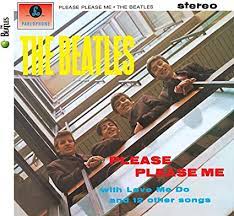
Do You Want To Know A Secret appears on the band's debut album, Please Please Me, released in 1963. In the United States, it was issued as a single by Vee-Jay Records and climbed to number 2 on the Billboard Hot 100.
The song was written by John Lennon, inspired by a line from the Disney movie Snow White and the Seven Dwarfs ("Wanna know a secret? Promise not to tell?").
It was given to George Harrison to sing, serving as his first lead vocal on a Beatles single, helping to establish a fan base for the "Quiet Beatle" early on.
What You'll Learn From This Lesson
This one is played in standard tuning with a root down up root up down up and repeat rhythm pattern and no lead. For chords you'll need an Em, Am, G, F, B7, E, Abm, Gm, Gbm, B, Dbm, A and an E6 .
Guitar Lesson Details - (chords & lyrics sheet incl with lesson)
Back To Song List
Help - Learn To Play On Acoustic Guitar
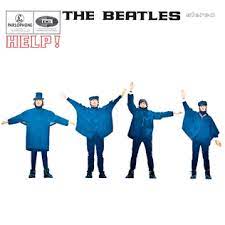
Help serves as the title track for the 1965 album and the accompanying motion picture. Released as a single, it soared to number 1 on the Billboard Hot 100.
While it is an upbeat pop-rock anthem on the surface, John Lennon later revealed the lyrics were a genuine cry for help. He was feeling overwhelmed by the band's sudden, massive fame and his own personal insecurities (what he called his "Fat Elvis" period).
Lennon often cited this as one of his favorite Beatles songs because of its honesty, despite the fast tempo masking the pain.
What You'll Learn From This Lesson
Soon
Guitar Lesson Details - (chords & lyrics sheet incl with lesson)
Back To Song List
Honey Don't - Learn To Play On Acoustic Guitar
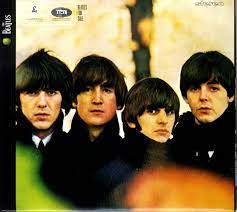
Honey Don't appears on the 1964 album Beatles for Sale. It was released as a B-side in the US but did not chart independently. The song is a cover of a rockabilly classic by Carl Perkins, one of the band's biggest heroes.
While John Lennon sang it during live shows, the studio version features Ringo Starr on lead vocals. It became Ringo’s signature spotlight number for that era, showcasing the band’s deep love for American rockabilly.
In the intro, you can hear Ringo calling out to George Harrison ("Rock on, George, for Ringo, one time!") before the guitar solo.
What You'll Learn From This Lesson
Soon.
Guitar Lesson Details - (chords & lyrics sheet incl with lesson)
Back To Song List
I Feel Fine - Learn To Play On Acoustic Guitar
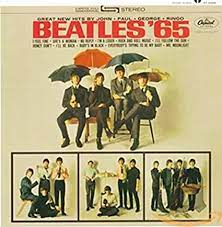
I Feel Fine was a standalone single released in 1964 that topped the Billboard Hot 100. It is historically significant for the opening note—a buzzing, sustained guitar feedback.
John Lennon claimed this was the first time feedback was intentionally used on a pop record, achieved by leaning his acoustic-electric guitar against the amplifier.
The song features a complex, bluesy riff that drives the melody. The promotional films for this track are often cited as early precursors to modern music videos, showing the band miming in a gymnasium and eating fish and chips.
What You'll Learn From This Lesson
For rhythm here play a root up in standard tuning and some lead required. down up down up down up and repeat with some riffs. The chords here are D, C7, G, D7 and a Bm.
Guitar Lesson Details - (chords & lyrics sheet incl with lesson)
Back To Song List
I Should Have Known Better - Learn To Play On Acoustic Guitar
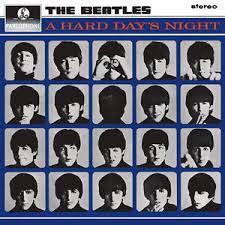
I Should Have Known Better is a key track from the 1964 album A Hard Day's Night. In the United States, it was released as the B-side to the "A Hard Day's Night" single, reaching number 53 on the Billboard Hot 100.
The song is heavily influenced by Bob Dylan, marking the first time the band prominently used a harmonica in a key other than the song's tonic, creating a distinct, folksy sound.
During the filming of the movie scene for this song, the band members were famously hysterical with laughter, reportedly due to exhaustion and a bit of drinking.
What You'll Learn From This Lesson
For chords here play a G, D, Em, C, B7 and G7 with just a few riff and in standard tuning. I use a capo 3rd fret while playing a down down up down up down up and repeat rhythm pattern.
Guitar Lesson Details - (chords & lyrics sheet incl with lesson)
Back To Song List
I'll Cry Instead - Learn To Play On Acoustic Guitar
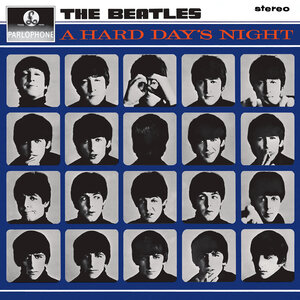
I'll Cry Instead appears on the 1964 album A Hard Day's Night in the UK and the Something New album in the US. Released as a single in the United States, it reached number 25 on the Billboard Hot 100.
John Lennon wrote the song specifically for the "breakout" sequence in the A Hard Day's Night film, but director Richard Lester rejected it in favor of "Can't Buy Me Love."
The track leans heavily into the country and western genre, a style the band—particularly Ringo and George—adored, featuring a rockabilly rhythm that drives the short, punchy tune.
What You'll Learn From This Lesson
For this one play a root down up down up down up rhythm pattern in standard tuning with the chords G, D7, C7, Bm, A, E7 and an A7. No lead required.
Guitar Lesson Details - (chords & lyrics sheet incl with lesson)
Back To Song List
I'll Follow The Sun - Learn To Play On Acoustic Guitar
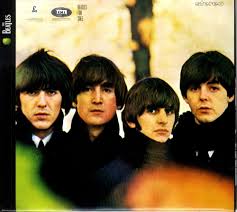
I'll Follow The Sun appears on the 1964 album Beatles for Sale. It was not released as a single. This track is a fascinating example of the band digging into their archives;
Paul McCartney actually wrote the song in the late 1950s when he was still a teenager, long before the band became famous.
It is a short, tender ballad that features a unique percussion sound—Ringo Starr did not play a full drum kit, but instead slapped his knees (or a guitar case, accounts vary) to create the soft, rhythmic tapping effect.
What You'll Learn From This Lesson
This one I play in standard tuning with one riff while playing a down down up down up down up and repeat rhythm pattern. For chords play a C, F, G, Gaug, D, B, C7, Dm and an Fm.
Guitar Lesson Details - (chords & lyrics sheet incl with lesson)
Back To Song List
I'm In Love - Learn To Play On Acoustic Guitar
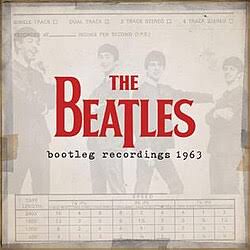
I'm In Love dates from 1963 and was written primarily by John Lennon during the Beatles’ early songwriting period. Although the Beatles recorded a demo of the song, they never released their own studio version at the time. Instead, Lennon and Paul McCartney gave the song to fellow Liverpool group The Fourmost, whose recording was released as a single in November 1963 and reached the UK Top 20.
The Beatles’ own demo eventually surfaced decades later, giving fans a glimpse of another Lennon-McCartney composition from the height of the group’s early Merseybeat years. With its straightforward romantic theme and unmistakably early-Beatles melodic style, “I’m In Love” fits naturally alongside the band’s 1963–65 material.
What You'll Learn From This Lesson
Soon.
Guitar Lesson Details - (chords & lyrics sheet incl with lesson)
Back To Song List
I've Just Seen A Face - Learn To Play On Acoustic Guitar
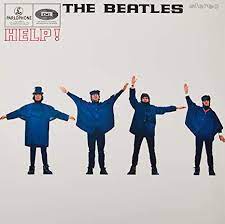
I've Just Seen A Face is a high-tempo acoustic track from the UK version of the 1965 album Help!, though it opened the US version of Rubber Soul. It was not released as a single.
The song is one of Paul McCartney’s most distinct country-influenced compositions, featuring a skiffle rhythm and no drums until the very end. It was recorded on the same day as "I'm Down" and "Yesterday," showcasing McCartney's incredible versatility.
The lack of a bass-heavy arrangement gives it a folk-rock feel that fit perfectly with the emerging sounds of the American mid-60s.
What You'll Learn From This Lesson
Soon
Guitar Lesson Details - (chords & lyrics sheet incl with lesson)
Back To Song List
Kansas City - Learn To Play On Acoustic Guitar
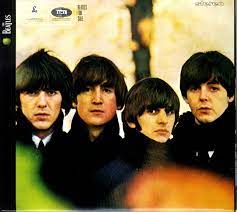
Kansas City is a high-energy medley found on the 1964 album Beatles for Sale. It was not released as a single. The track combines the Leiber and Stoller standard "Kansas City" with Little Richard's own "Hey-Hey-Hey-Hey!"
Paul McCartney provides one of his rawest, most powerful vocal performances here, attempting to match the intensity of his idol, Little Richard.
Remarkably, the band nailed this complicated medley in just one take (Take 1), proving how tight their live performance skills were after years of playing these exact songs in the clubs of Hamburg.
What You'll Learn From This Lesson
This one has a steady down up down up rhythm pattern with some shuffle strumming in places while in standard tuning. You'll need the A, D7, E7 and A7 with a bit of lead to fill this one out.
Guitar Lesson Details - (chords & lyrics sheet incl with lesson)
Back To Song List
Mr Postman - Learn To Play On Acoustic Guitar
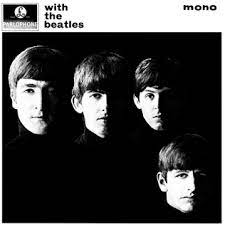
Mr Postman is a cover song featured on the band's second album, With the Beatles (1963). It was not released as a single by the group. Originally a number-one hit for The Marvelettes, this was the first Motown song the Beatles ever recorded for EMI.
John Lennon takes the lead vocal, delivering a gritty, desperate performance that cuts through the band’s "Wall of Sound" arrangement. The track demonstrates how the Beatles were instrumental in popularizing Motown music to white audiences in the UK and US during the early 1960s.
What You'll Learn From This Lesson
I'm playing with a capo here but it's still a bit low playing the chords G, Em, C and D. The rhythm pattern is quick shuffle using a root down up down up root up down up in standard tuning. There is no lead here.
Guitar Lesson Details - (chords & lyrics sheet incl with lesson)
Back To Song List
Please Please Me - Learn To Play On Acoustic Guitar
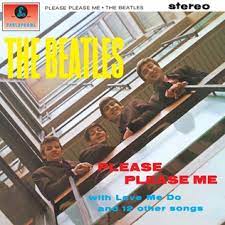
Please Please Me serves as the title track for their 1963 debut album. It was their first single released in the US (on Vee-Jay records), eventually reaching number 3 on the Billboard Hot 100 during the 1964 invasion.
Originally, John Lennon wrote it as a slow, bluesy ballad inspired by Roy Orbison. Producer George Martin famously convinced them to speed it up to a frantic pace. After the final take,
Martin spoke from the control booth, telling the band, "Congratulations, gentlemen, you have just recorded your first Number One," a prediction that came true on most UK charts.
What You'll Learn From This Lesson
This one has a few chords that change quickly which are D, C, A, G, Em, Bm, D7, F and A#. Played in standard tuning you'll need a down stroke pattern as well as a down up pause up down up pause up pattern. Just a few riffs here but no lead work.
Guitar Lesson Details - (chords & lyrics sheet incl with lesson)
Back To Song List
The Night Before - Learn To Play On Acoustic Guitar
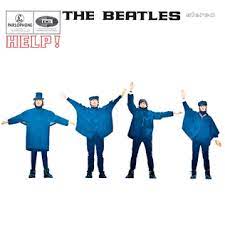
The Night Before appears on the 1965 album and soundtrack Help!. It was not released as a single. Paul McCartney sings the lead and plays a distinct electric piano solo that drives the song's rhythm.
The track features the classic call-and-response vocal style that the band had perfected by this point.
In the Help! movie, the band is shown performing this song on Salisbury Plain, surrounded by tanks and soldiers, under the protection of the army—a surreal setting that contrasts with the straightforward pop-rock nature of the tune.
What You'll Learn From This Lesson
Play this one in standard tuning with a down down up down up down up and repeat rhythm pattern. You'll have some picking in here while playing the chords D7, F, G, A7, D, C, Bm, Gm, Am and E7.
Guitar Lesson Details - (chords & lyrics sheet incl with lesson)
Back To Song List
What You're Doing - Learn To Play On Acoustic Guitar
What You're Doing is a deep cut from the 1964 album Beatles for Sale. It was not released as a single.
While often overlooked, the track is musically forward-thinking for 1964. It opens with a heavy, syncopated drum intro by Ringo Starr that foreshadows the psychedelic rhythms of "Tomorrow Never Knows."
Paul McCartney's arrangement also features a jangly 12-string electric guitar riff that sounds remarkably similar to the style The Byrds would popularize just a year later, leading many to believe this track was a key influence on the American folk-rock movement.
What You'll Learn From This Lesson
This one is played in standard tuning with some arpeggio notes picked as you play rhythm with a down up pause up pattern you'll repeat. For chords you'll need a D, Em, G, Bm, E7 D7 and an A7 and a few riffs.
Guitar Lesson Details - (chords & lyrics sheet incl with lesson)
Back To Song List
You're Gonna Lose That Girl - Learn To Play On Acoustic Guitar
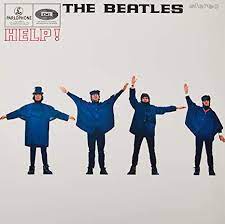
You're Gonna Lost That Girl is an upbeat pop song by The Beatles from their 1965 album Help!. Written primarily by John Lennon and credited to the Lennon–McCartney partnership, the song offers a playful warning to a young man who fails to appreciate the girl in his life.
Driven by Lennon's confident lead vocal, the recording is enhanced by memorable harmony responses from Paul McCartney and George Harrison, giving it an infectious call-and-response feel. The track also appeared in the Beatles' film Help!, where the band is shown performing it in the recording studio.
Its catchy melody and spirited performance have made it a favourite among fans of the group's mid-1960s recordings.
What You'll Learn From This Lesson
In this one I play a down down up down up down up and repeat rhythm pattern in standard tuning. A small picking break needed here as you move through the chords E, Dbm, Gbm, B7, Ab, D, G, C, F and an A.
Guitar Lesson Details - (chords & lyrics sheet incl with lesson)
Back To Song List
Thanks for stopping by my Beatles songs on the guitar page. I hope you found what you were looking for.
If you liked this Beatles songs on the guitar page you might like these ... (click images)
Homepage
Popular Songs From The 60s
Latest 100 Tutorials
© 2019–2026 KirbysGuitarLessons.com — All Rights Reserved