Best Of Conway Twitty Songs
On The Acoustic
PAGE IS BEING UPDATED
Welcome to my best of Conway Twitty songs page where you'll find free demos and chord sheets covering several Conway Twitty best songs.
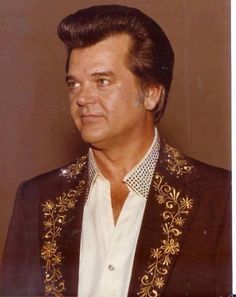
Help yourself to the free pdf chord sheets, view some full demos and sample demos. If you require full tutorial lessons for these songs below, there is a purchase link for a small fee.
Deeper discounts available from the homepage.
🎸 Overview Video -
“Watch This Preview of My
Best Of Conway Twitty Guitar Songs”
Soon.
The Essential Conway Twitty Hits
The Essential Conway Twitty Hits
Goodbye Time
Hello Darlin
It's Only Make Believe
Slow Hand
That's My Job
Tight Fittin Jeans
Classic 70s & Ballads
Don't Cry Joni
Don't Take It Away
Fifteen Years Ago
I'd Love To Lay You Down
I've Already Loved You In My Mind
Linda On My Mind
80s Hits & Upbeat Favorites
Boogie Grass BandDesperado Love
Don't Call Him A Cowboy
More Conway Favorites & Deeper Cuts
Darlin You Know I Wouldn't Lie
I Can't See Me Without You
Making Believe
Play Guitar Play
She Needs Someone To Hold When She Cries
Somebody's Needin Somebody
The Clown
The Legend And The Man
To See My Angel Cry
True True Love Never Dies
You've Never Been That Far Before
The Essential Conway Twitty Hits
Goodbye Time - Learn To Play On Guitar
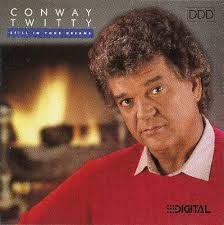
Goodbye Time came out in 1988 and is a powerhouse ballad that proves Conway’s voice only got better with age.
Later covered famously by Blake Shelton, the original version features a stunning, high-soaring chorus that requires immense vocal control.
The lyrics describe the painful realization that a relationship is truly over and it's time to walk away.
The production is polished and dramatic, fitting the emotional weight of the song, which stands as one of the finest breakup anthems of the 80s.
Chords And Strumming
Soon.
Guitar Lesson Details - (chords & lyrics sheet incl with lesson)
Back To Song List
Hello Darlin - Learn To Play On Guitar
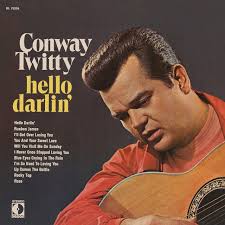
Hello Darlin is Conway Twitty’s 1970 signature song and arguably one of the most famous opening lines in country music history.
Spending four weeks at number one, the song is iconic for its spoken-word intro and the slow, swaying 6/8 time signature.
It was the song he opened almost every concert with, creating an immediate, intimate connection with his audience.
If you learn only one Conway Twitty song, this is the one—it is the definitive standard of his career.
Chords And Strumming
Soon.
Guitar Lesson Details - (chords & lyrics sheet incl with lesson)
Back To Song List
It's Only Make Believe - Learn To Play On Guitar
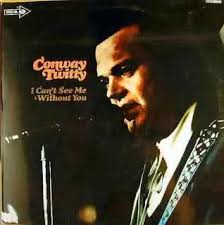
It's Only Make Believe is the song that started it all. Released in 1958, "It's Only Make Believe" was a massive crossover hit, topping both Pop and Country charts.
At the time, Conway was a rockabilly artist, and many listeners initially mistook his voice for Elvis Presley.
The song features a slow-building intensity, culminating in a powerful, shouting crescendo that displayed his raw vocal talent.
It remains a rock and roll standard and the foundation of his legendary career.
Chords And Strumming
Soon
Guitar Lesson Details - (chords & lyrics sheet incl with lesson)
Back To Song List
Slow Hand - Learn To Play On Guitar
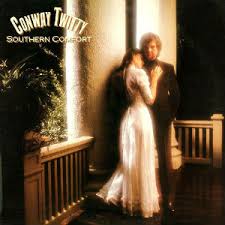
Slow Hand hails from 1982, when Conway took this song—which was a huge pop hit for The Pointer Sisters—and turned it into a number one country smash.
It was a bold move that paid off perfectly. The song’s theme of a lover who takes his time fit Conway’s brand seamlessly.
His version replaces the R&B groove with a country-politan smoothness, proving his ability to adapt contemporary pop songs into the country format without losing their essence.
Chords And Strumming
Soon
Guitar Lesson Details - (chords & lyrics sheet incl with lesson)
Back To Song List
That's My Job - Learn To Play On Guitar
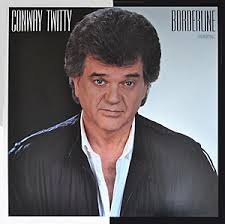
That's My Job was a 1987 release and is one of the most emotional songs in Conway’s catalog.
Unlike his many romance hits, this song focuses on the relationship between a father and son. It tracks the son’s life from childhood fears to adulthood, with the father constantly reassuring him that taking care of him is "his job."
It was a massive fan favorite and remains a popular choice for funerals and Father’s Day tributes due to its poignant message of unconditional parental love.
Chords And Strumming
Soon.
Guitar Lesson Details - (chords & lyrics sheet incl with lesson)
Back To Song List
Tight Fittin Jeans - Learn To Play On Guitar
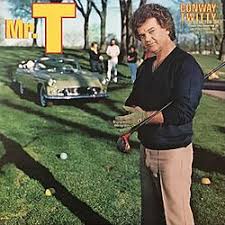
Tight Fittin Jeans from 1981, is an upbeat story-song became a massive number one hit and a line-dancing staple.
The lyrics tell the story of a wealthy woman who tires of high society and visits a country bar in simple denim to drink beer and enjoy herself.
It’s a fun, rhythmic track that celebrates the "country girl" aesthetic and features a catchy, sing-along chorus.
It remains one of his most energetic and recognizable radio hits.
Chords And Strumming
Soon.
Guitar Lesson Details - (chords & lyrics sheet incl with lesson)
Back To Song List
Classic 70s & Ballads
Don't Cry Joni - Learn To Play On Guitar
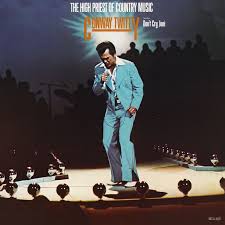
Don't Cry Joni was a 1975 release and this is one of Conway’s most beloved duets, performed with his then 16-year-old daughter, Joni Lee.
The song is a tragic teenage romance story about a girl named Joni who loves a boy (Jimmy) who is too old for her. Years later, when Jimmy returns to find her, he discovers she has moved on.
The catchy pop-country melody contrasts with the heartbreaking "missed connection" narrative, making it a memorable and unique entry in Twitty’s discography.
Chords And Strumming
Soon
Guitar Lesson Details - (chords & lyrics sheet incl with lesson)
Back To Song List
Don't Take It Away- Learn To Play On Guitar
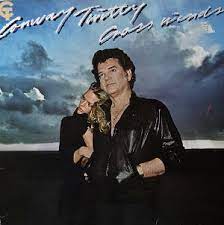
Don't Take It Away hails from 1979 and was a number one hit and is instantly recognizable by its opening drum beat and walking bassline.
"Don't Take It Away" is a mid-tempo love song where the narrator pleads with his partner not to remove the love that is holding him together.
It perfectly bridges the gap between traditional country and the smoother, string-laden "Countrypolitan" sound of the late 70s.
Conway’s vocal performance ranges from a low baritone rumble to soaring high notes, demonstrating his incredible range.
Chords And Strumming
I play a capo 2nd fret on this one in standard tuning while playing a root down root up down up rhythm pattern. Sone lead in here with the chords D. G6. A. A7. C. D/Gb and an E.
Guitar Lesson Details - (chords & lyrics sheet incl with lesson)
Back To Song List
Fifteen Years Ago - Learn To Play On Guitar
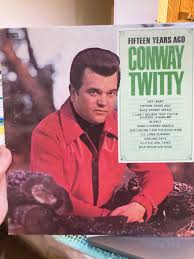
Fifteen Years Ago was released in 1970 and is widely considered one of Conway Twitty’s greatest vocal performances.
The song tells the story of a man encountering an old flame and realizing the pain of their separation is just as fresh as it was a decade and a half prior.
Reaching number one, the track features a lush arrangement and an emotive melody that allows Twitty to display his mastery of phrasing.
It remains a standard for country vocalists and a testament to enduring heartache.
Chords And Strumming
Soon
Guitar Lesson Details - (chords & lyrics sheet incl with lesson)
Back To Song List
I'd Love To Lay You Down - Learn To Play On Guitar
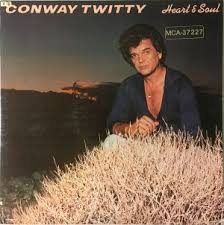
Lay You Down was officially titled "I'd Love to Lay You Down and this 1980 hit is one of Conway’s most upbeat and infectious love songs.
The track features a rolling, rhythmic acoustic guitar riff and a catchy melody.
Unlike his heartbreak ballads, this is a celebration of a long-term relationship, with the narrator expressing his desire to be with his partner through all of life’s stages, even into old age.
It became a massive number one hit and remains a staple of country radio.
Chords And Strumming
Soon.
Guitar Lesson Details - (chords & lyrics sheet incl with lesson)
Back To Song List
I've Already Loved You In My Mind - Learn To Play On Guitar
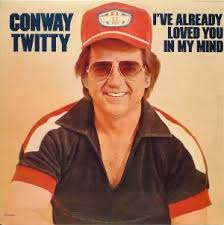
I've Already Loved You In My Mind is from 1977 when Conway Twitty was the master of the "sensual country ballad," and this number one hit is a prime example.
The lyrics deal with the anticipation of intimacy, a theme Conway handled with a unique mix of directness and class. It solidified his reputation as the "romance novelist" of country music, speaking directly to the female demographic.
The song features a laid-back groove and his signature spoken-word bridge.
Chords And Strumming
Soon.
Guitar Lesson Details - (chords & lyrics sheet incl with lesson)
Back To Song List
Linda On My Mind - Learn To Play On Guitar
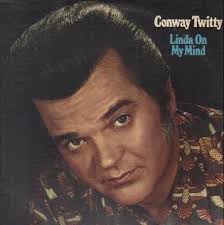
Linda On My Mind hit the airwaves in 1975 and is a classic "cheating song" that hit number one on the charts.
The lyrics depict a man lying in bed next to his wife but unable to sleep because he is thinking about another woman, Linda.
It captures the complex guilt and longing of a love triangle.
The production is pure mid-70s country, with weeping steel guitar and a straightforward 4/4 shuffle that drives the storytelling forward.
Chords And Strumming
Soon.
Guitar Lesson Details - (chords & lyrics sheet incl with lesson)
Back To Song List
80s Hits & Upbeat Favorites
Boogie Grass Band - Learn To Play On Guitar
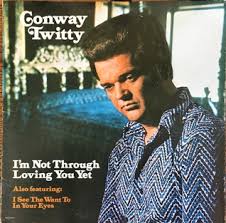
Boogie Grass Band was released in 1974, "Boogie Grass Band" is a fun, energetic departure from Conway Twitty’s usual heavy ballads.
Blending country boogie with bluegrass elements, the song features a driving rhythm and highlights the skills of a fictional band playing in a local park. It reached number one on the Billboard country charts, showcasing Conway's ability to tackle faster tempos and lighter subject matter.
The track is a favorite among guitarists for its catchy licks and toe-tapping fusion of genres.
Chords And Strumming
Soon.
Guitar Lesson Details - (chords & lyrics sheet incl with lesson)
Back To Song List
Desperado Love - Learn To Play On Guitar
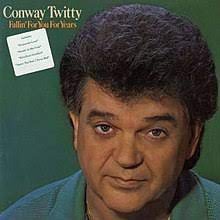
Desperado Love came out n 1986, "Desperado Love" was Conway’s 40th number one single on the Billboard country chart.
The song has a breezy, "good-timing" feel with a distinctly 80s production, including prominent synthesizers and a laid-back beat. The lyrics compare a man’s wandering heart to an outlaw that has finally been captured and tamed by a woman’s love.
It remains a fan favorite for its catchy chorus and the relaxed, confident vocal delivery that defined Twitty’s later career.
Chords And Strumming
I play this one in standard tuning with a root down up root up down up repeat rhythm pattern and some lead is required. Use the chords G, C, D, D7 and F.
Guitar Lesson Details - (chords & lyrics sheet incl with lesson)
Back To Song List
Don't Call Him A Cowboy - Learn To Play On Guitar
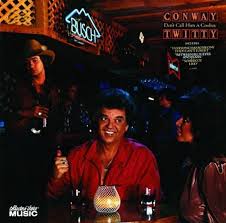
Don't Call Him A Cowboy hit the airwaves in 1985 at the height of the "Urban Cowboy" craze, this song is a defense of the authentic western lifestyle against the "ten-gallon phonies" found in city bars.
Hitting number 0ne, it resonated with traditionalists who felt the country image was being co-opted by pop culture. The track features a solid, driving beat and lyrics that distinguish between wearing the hat and actually living the hard life of a cowboy.
It’s a great anthem for those who appreciate the grit behind the glamour.
Chords And Strumming
Soon.
Guitar Lesson Details - (chords & lyrics sheet incl with lesson)
Back To Song List
More Conway Favorites & Deeper Cuts
Darlin You Know I Wouldn't Lie - Learn To Play On Guitar
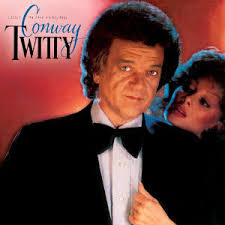
Darlin You Know I Wouldn't Lie is a 1983 release that became yet another number one hit for "The High Priest of Country Music."
It is a classic example of the "plea" song, where the narrator tries to convince his partner of his faithfulness despite suspicious circumstances.
With its smooth, mid-tempo groove and Conway’s signature vocal growl, it captures the charming, slightly roguish persona he perfected in the 80s. The song features a key change that lifts the emotional intensity, a trademark of his production style during this era.
Chords And Strumming
Soon.
Guitar Lesson Details - (chords & lyrics sheet incl with lesson)
Back To Song List
I Can't See Me Without You - Learn To Play On Guitar
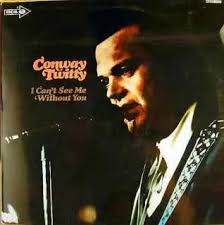
I Can't Se Me Without You was a 1972 hit that displays the orchestral, "Wall of Sound" style that Conway utilized heavily in the early 70s.
Reaching number one, the song is a dramatic declaration of total dependence on a lover.
The intro features a distinct string arrangement that leads into Conway’s powerful delivery.
It showcases his ability to take a simple sentiment of devotion and turn it into a grand, cinematic musical moment.
Chords And Strumming
Soon.
Guitar Lesson Details - (chords & lyrics sheet incl with lesson)
Back To Song List
Making Believe - Learn To Play On Guitar
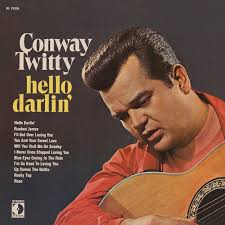
Making Believe was originally a breakout hit for Kitty Wells in the 1950s, Conway Twitty recorded a memorable version of "Making Believe" that became a hit for him as well.
It is a song about denial, where the narrator pretends they are over a lost love while secretly still holding on. Conway’s version updates the classic melody with his smooth baritone, respecting the traditional roots of the song while making it his own.
It’s a great example of his ability to interpret country standards.
Chords And Strumming
Soon.
Guitar Lesson Details - (chords & lyrics sheet incl with lesson)
Back To Song List
Play Guitar Play - Learn To Play On Guitar
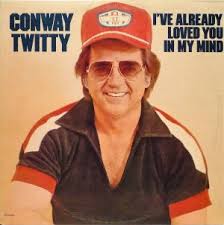
Play Guitar Play from 1977, is a somber, meta-fictional song about the loneliness of a musician.
The narrator is an entertainer on stage, singing his heart out while watching the woman he loves dance with another man in the crowd.
Reaching number one, the song features prominent guitar fills that answer the vocal lines, effectively making the guitar a character in the story.
It’s a brilliant look at the heartbreak hidden behind the spotlight.
Chords And Strumming
Soon.
Guitar Lesson Details - (chords & lyrics sheet incl with lesson)
Back To Song List
She Needs Someone To Hold Her When She Cries - Learn To Play On Guitar
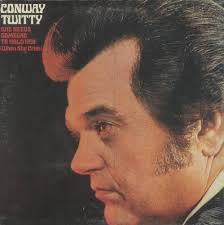
She Needs Someone To Hold Her When She Cries reached number one in 1972 (often titled "She Needs Someone To Hold Her"), this song highlights Conway’s sensitive side.
The lyrics describe a woman who doesn't ask for material things or grand gestures, but simply needs emotional support and physical comfort.
It resonated deeply with listeners for its simple message of emotional availability. The waltz-tempo arrangement and string backing give it a timeless, classic country feel.
Chords And Strumming
Soon.
Guitar Lesson Details - (chords & lyrics sheet incl with lesson)
Back To Song List
Somebody's Needin Somebody - Learn To Play On Guitar
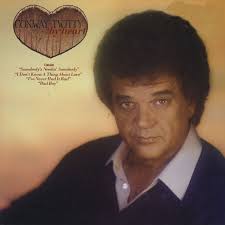
Somebody's Needin Somebody came out in 1984 and this track reached number one and showcases the lighter, pop-influenced side of 80s country.
The song is an optimistic anthem about the universal search for companionship and love. With a catchy chorus and a breezy production style, it stands out from his heavier "torch songs."
It captures a moment in country music where the genre was expanding its sound to reach a broader, more modern audience.
Chords And Strumming
Soon.
Guitar Lesson Details - (chords & lyrics sheet incl with lesson)
Back To Song List
The Clown - Learn To Play On Guitar
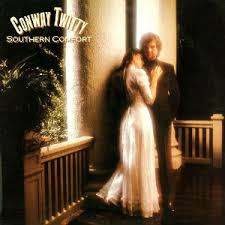
The Clown hit #1 in 1987 and is a masterclass in storytelling.
The narrator describes himself as a clown performing in a circus, using the makeup to hide the pain of his wife leaving him. It features a dramatic spoken-word section where he describes seeing her in the crowd.
The metaphor of the sad clown is a classic trope, but Conway executes it with such sincerity and vocal power that it feels fresh and heartbreakingly real.
Chords And Strumming
Soon.
Guitar Lesson Details - (chords & lyrics sheet incl with lesson)
Back To Song List
The Legend And The Man
- Learn To Play On Guitar
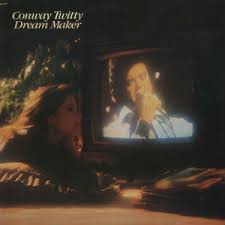
The Legend And The Man appeared on his 1982 album Dream Maker, this song is a lesser-known but powerful track.
It often serves as a reflection on the duality of fame—the difference between the public "legend" and the private "man."
Given Conway's massive stature in the industry, the song feels almost autobiographical, exploring the human side of a superstar. Musically, it fits the polished, ballad-heavy style of his early 80s output.
Chords And Strumming
Soon.
Guitar Lesson Details - (chords & lyrics sheet incl with lesson)
Back To Song List
To See My Angel Cry - Learn To Play On Guitar
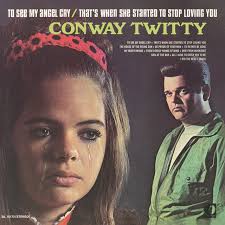
To See My Angel Cry was released in 1969 and was one of Conway’s early country number ones.
It is a sorrowful ballad about a man who realizes the pain he has caused his partner.
The "angel" imagery emphasizes her purity and patience compared to his mistakes.
The song features a traditional, steel-guitar-driven arrangement and a vocal performance that drips with regret and guilt, themes that Conway mastered early in his country transition.
Chords And Strumming
Soon.
Guitar Lesson Details - (chords & lyrics sheet incl with lesson)
Back To Song List
True True Love Never Dies
- Learn To Play On Guitar
True True Love Never Dies (Often associated with his duet work or classic covers like "True Love"), this title represents the timeless romantic sentiment that anchored Conway’s entire career.
Whether referring to his duet with Loretta Lynn or a specific album cut, the theme fits his persona as the ultimate balladeer.
Conway specialized in songs that insisted love could outlast hardship, a message that kept his fans loyal for decades.
Chords And Strumming
Soon.
Guitar Lesson Details - (chords & lyrics sheet incl with lesson)
Back To Song List
You've Never Been This Far Before - Learn To Play On Guitar
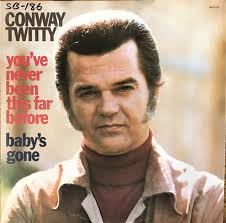
You've Never Been This Far Before was a 1973 release and hitting number one and it was considered quite controversial and risqué for its time.
The lyrics describe a level of intimacy that crosses a new line for the partner, accompanied by a distinctive "bomp-bomp-bomp" heart-beating rhythm effect.
Despite—or perhaps because of—the controversy, it became a massive crossover smash. It is the definitive "Conway Twitty" song: seductive, pushing boundaries, and sung with absolute conviction.
Chords And Strumming
Soon.
Guitar Lesson Details - (chords & lyrics sheet incl with lesson)
Back To Song List
Thanks for stopping by my best of Conway Twitty songs page and I hope the info here was helpful.
If you liked this Best Of Conway Twitty Songs you might also like (click images)
Very Easy Country Guitar Songs
Latest 100 Tutorials
© 2019–2025 KirbysGuitarLessons.com — All Rights Reserved