How To Play the Best Songs by Smokie on Guitar
Smokie emerged in the 1970s as one of Britain’s most recognizable soft rock bands, known for their catchy melodies, emotional lyrics, and distinct vocal style.
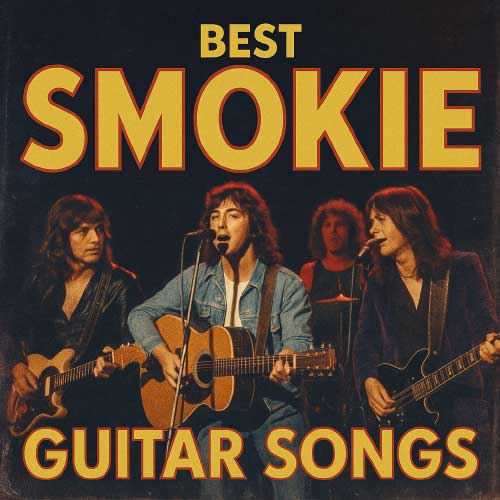
This page features 8 of their biggest songs — including two solo hits from lead singer Chris Norman — all arranged for acoustic guitar.
Whether you're strumming along to the timeless "Living Next Door to Alice" or digging into the slower ballads like "No Arms Can Ever Hold You," these lessons will help you bring Smokie’s signature sound to life with just a few chords and the right rhythm.
🎸 Overview Video - “Watch This Preview of My Best Smokie Guitar Songs”
Soon.
Smokie Guitar Song List
A Few Dollars MoreIf You Think You Know How To Love Me
Lay Back In The Arms Of Someone
Living Next Door To Alice
Mexican Girl
No Arms Can Ever Hold You
Oh Carol
Sun Is Rising
A Few Dollars More - Learn To Play On Guitar
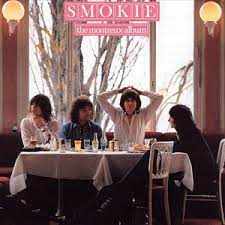
A Few Dollars More was released by Smokie in 1978 as the lead single from their studio album The Montreux Album. Written by the hit-making team of Nicky Chinn and Mike Chapman, the song became one of the band’s biggest European successes, reaching No. 2 in Germany and earning strong airplay across the continent.
A promotional video was produced and helped cement Smokie’s polished late-1970s image. Built around a dramatic storyline inspired by the Sergio Leone western of the same name, the song tells of a man leaving home in search of fortune and freedom.
Chris Norman’s distinctive lead vocal gives the recording much of its emotional weight. In 2000, Norman revisited the song on his solo album Full Circle, introducing it to a new generation of listeners.
Chords And Strumming
This one I play in standard tuning with a down up stop up down up stop up and repeat rhythm pattern. A little bit of lead with the chords G, Am, C and D.
Guitar Lesson Details - (chords & lyrics sheet incl with lesson)
Chords & LyricsBack To Song List
If You Think You Know How To Love Me - Learn To Play On Guitar
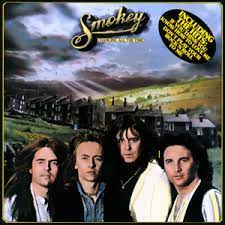
If You Think You Know How To Love Me introduced Smokie to an international audience when it was released in 1975 as the opening single from their second album, Changing All the Time. Written by Nicky Chinn and Mike Chapman, the song climbed to No. 3 in the UK and became a major hit throughout Europe and Australia.
A promotional film featuring the band performing outdoors was produced during the early days of music video promotion. With its gentle country-rock feel and Chris Norman’s warm vocal, the song showed a softer side than many glam-era hits of the period. Saint Etienne later sampled the chorus in their 1995 single “He’s on the Phone.”
More than any other early Smokie release, this song established the sound that would define the band’s international success.
Chords And Strumming
Another song with the same chords of G, Em, C and D played in standard tuning with a capo 2nd fret. Play a little arpeggio with some up down up down up rhythm and eventually just root up down up down up down up. No lead here to be concerned.
Guitar Lesson Details - (chords & lyrics sheet incl with lesson)
Chords & LyricsBack To Song List
Lay Back In The Arms Of Someone - Learn To Play On Guitar
Lay Back In The Arms Of Someone was issued in 1977 as the first single from Smokie’s album Bright Lights & Back Alleys. Penned by Nicky Chinn and Mike Chapman, the song became one of the band’s strongest chart performers, reaching No. 12 in the UK and topping charts in several European countries.
A promotional video was filmed and received heavy rotation on music programs across Europe. Blending rock, pop, and country influences, the song tells of a weary traveler longing to return to someone who offers comfort and stability. Chris Norman’s husky voice gave the recording its unmistakable character.
The song has since been recorded by several European artists, but Smokie’s original remains the best known and continues to be a highlight of the band’s live performances.
Chords And Strumming
For rhythm here play a down down up down up down up and repeat for rhythm with the chords G, D, A, Bm and an Em. Played in standard tuning with a bit of lead involved.
Guitar Lesson Details - (chords & lyrics sheet incl with lesson)
Chords & LyricsBack To Song List
Living Next Door To Alice - Learn To Play On Guitar
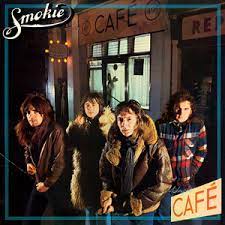
Living Next Door To Alice became Smokie’s signature song after its release in 1976 on the album Midnight Café. Written by Nicky Chinn and Mike Chapman, the single reached No. 5 in the UK and later sold millions worldwide.
An official promotional video was produced, showing the band performing against a simple studio backdrop. The story follows a man who realizes too late that he has loved his neighbor Alice for twenty-four years. Its memorable chorus helped turn the song into a global singalong favorite.
Smokie revived it in 1995 with comedian Roy Chubby Brown, creating a humorous version that returned the song to the charts. The original remains one of the most recognizable recordings of the 1970s.
Chords And Strumming
Played with a capo 2nd fret and use arpeggio until you get into it then a root up down up down up will work here. Standard tuning with no lead and the chords G, C and D.
Guitar Lesson Details - (chords & lyrics sheet incl with lesson)
Chords & LyricsBack To Song List
Mexican Girl - Learn To Play On Guitar
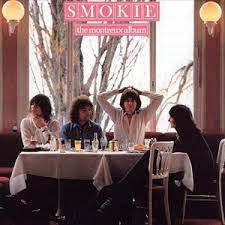
Mexican Girl was released in late 1978 as the third single from Smokie’s The Montreux Album. Written by Nicky Chinn and Mike Chapman, the song became another major European success, reaching No. 3 in Germany and performing strongly in many other countries.
A promotional video was produced and helped reinforce Smokie’s popularity during the height of their career. The lyric tells of a brief but unforgettable romance south of the border, carried by Chris Norman’s expressive lead vocal and the band’s polished pop-rock arrangement.
Although it was not a major hit in the UK, the song became especially popular in continental Europe and remains a concert favorite. Its catchy melody and colorful storytelling make it one of Smokie’s most enduring late-1970s recordings.
Chords And Strumming
I play a capo 3rd fret with an up stroke with some arpeggio ... root down up down up root up down up -- using a quick shuffle on the first part of the chord in the chorus for rhythm. Some picking with the chords D, G, A7 and a D7.
Guitar Lesson Details - (chords & lyrics sheet incl with lesson)
Chords & LyricsBack To Song List
No Arms Can Ever Hold You - (Chris Norman) - Learn To Play On Guitar

No Arms Can Ever Hold You was released by Chris Norman in 1986 from his solo album Some Hearts Are Diamonds. Written and produced by Dieter Bohlen, the ballad reached No. 52 in Germany and became especially popular in the Philippines, where it is still widely played.
An official music video was created to promote the single throughout Europe. Norman’s heartfelt vocal and the song’s tender lyric about enduring love helped make it one of his best-known solo recordings after leaving Smokie. The track followed the massive success of “Midnight Lady” and showed that Norman could thrive as a solo artist.
Over the years, many singers have performed it live, but his original version remains the definitive recording.
Chords And Strumming
I play this one a bit lower but with a capo on the 2nd fret with the chords D, G, A, Gbm, Bm, E7, Em and an A7 you'll be in the original key. No lead in this one in standard tuning and played with a down down up down up down up down and repeat rhythm pattern.
Guitar Lesson Details - (chords & lyrics sheet incl with lesson)
Chords & LyricsBack To Song List
Oh Carol
- Learn To Play On Guitar
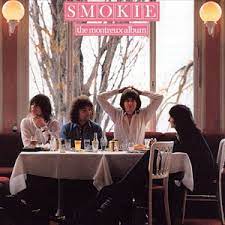
Oh Carol followed “A Few Dollars More” as Smokie’s second 1978 single from The Montreux Album. Written by Nicky Chinn and Mike Chapman, the song reached No. 3 in Germany and cracked the Top 5 in Australia.
A colorful promotional video was filmed, matching the song’s playful ragtime-inspired rhythm and upbeat mood. Despite sharing a title with Neil Sedaka’s classic hit, this is an entirely different composition. Chris Norman’s lively vocal and the band’s tight harmonies helped make it one of Smokie’s most recognizable recordings.
Norman later recorded a solo version for his 2000 album Full Circle, giving longtime fans a fresh interpretation while preserving the charm that made the original such a popular international success.
Chords And Strumming
Play this one in standard tuning with the chords G, D, D7 and a C. Some lead required as you play a root down root up down up and repeat rhythm pattern.
Guitar Lesson Details - (chords & lyrics sheet incl with lesson)
Chords & LyricsBack To Song List
Sun Is Rising - (Chris Norman) - Learn To Play On Guitar
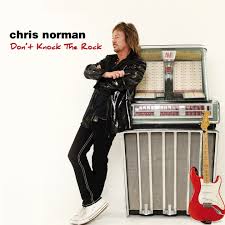
Sun Is Rising was released by Chris Norman in 2017 as a single from his studio album Don't Knock the Rock. Written by Norman, the song was accompanied by an official music video that reflected the optimistic message found in the lyrics.
Although it did not chart internationally, the recording was warmly received by fans who appreciated its uplifting tone and modern production. The song speaks about hope, renewal, and the promise of better days, themes that have appeared often in Norman’s later work.
By this point in his career, he had already spent more than five decades in music, first with Smokie and then as a solo artist. Sun Is Rising shows that his voice and songwriting remained strong well into the 21st century.
Chords And Strumming
I play a capo 2nd fret here in standard tuning as does Chris Norman with the chords G, Am, D, C and a Dm. You'll play a down down up down up down up rhythm pattern and repeat. Some lead work required.
Guitar Lesson Details - (chords & lyrics sheet incl with lesson)
Back To Song List
Smokie’s catalog offers the perfect mix of upbeat anthems and heartfelt ballads for acoustic players of all levels. Each lesson on this page comes with a full video demo and optional PDF chord sheet, making it easy to follow along and build your skills.
If you enjoy this collection, be sure to check out other soft rock classics from the ‘70s and ‘80s — or explore more songs from Chris Norman’s solo career.
If you liked this best Smokie guitar songs page you might also like ... (click images)

Smokie Documentary
Acoustic Versions Of Rock Songs
Latest 100 Tutorials
© 2019–2026 KirbysGuitarLessons.com — All Rights Reserved