Best Three Dog Night Songs
On The Acoustic
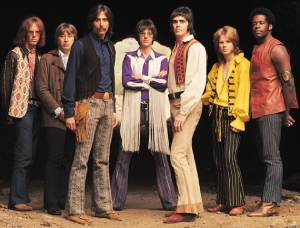
Welcome to my best Three Dog Night songs page where you'll find several Three Dog Night video demos, free chord sheets in .pdf format and full guitar lessons for a small fee if you require them. I'll be adding more Three Dog Night top songs to this page as time goes on.
🎸 Overview Video - “Best Three Dog Night Guitar Songs”
performance clips taken directly from the complete lesson videos.
Click Play, then drag the timeline to quickly preview any Three Dog Night lesson featured on this page.
Note: Every arrangement has been personally created, recorded and taught by Kirby
using teaching methods refined through decades of acoustic guitar instruction.
What's Included With Every Lesson
📦 Your Lesson Package Includes
✓ 8–12 minute HD video lesson so you can learn each song step-by-step.
✓ Printable chords & lyrics PDF for easy practice away from the screen.

✓ Instant download—start playing in minutes.
✓ Learn at your own pace on any device.
Three Dog Night Guitar Lessons Included On This Page
Just An Old Fashioned Love Song Guitar Lesson
Mama Told Me Not To Come Guitar Lesson
Never Been To Spain Guitar Lesson
One Guitar Lesson
Pieces Of April Guitar Lesson
Shambala Guitar Lesson
The Show Must Go On Guitar Lesson
🎁 Free Lesson Preview
Scroll down to check out a completely free demo on Three Dog Night’s “Shambala”Joy To The World - Learn To Play On Acoustic Guitar
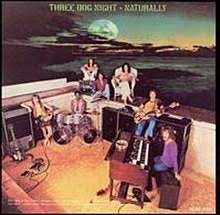
Joy To The World became one of Three Dog Night's biggest hits when it reached #1 in both the United States and Canada in 1971. Written by country singer-songwriter Hoyt Axton, the song appeared on the band's 1970 album Naturally, alongside the singles Liar and One Man Band.
Its unforgettable opening line, “Jeremiah was a bullfrog,” helped make it an instant singalong favourite. Interestingly, Axton originally wrote the song with a different opening, but the bullfrog reference became its defining feature.
With its upbeat rhythm, playful lyrics and enthusiastic vocals led by Chuck Negron, the recording spent six weeks atop the Billboard Hot 100 and became one of the band's signature songs.
What You'll Learn From This Lesson
Joy To The World has a high vocal component to it so I'm singing this one on the low end. The rhythm has a slide component to it and then you can play a steady down up down up or you can play a more aggressive down strokes with hammer ons to give it that rock and roll vibe. The chords you;ll need are D, C, G, C#, A and an E. There is a break section where the rhythm changes and the vocals go much higher when the song transitions to the E, D and A section and the rhythm gets chopped and accented. I have a lead break also in my version.
Learn the chords and the sliding chord section and then the hammer ons with the other chords with the hammer on sequence. Then come back to learn the lead section.
Guitar Lesson Detail - (chords & lyrics sheet incl with lesson)
Back To Song List
Just An Old Fashioned Love Song - Learn To Play On Acoustic Guitar
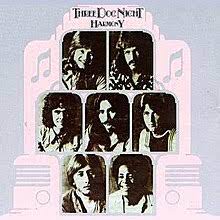
Just An Old Fashioned Love Song appeared on Three Dog Night's 1971 album Harmony and became another major success for the group.
Written by Paul Williams, the song celebrates the timeless appeal of romance through a warm melody and an infectious singalong chorus. Williams, who also wrote hits for artists such as the Carpenters, originally recorded the song himself before Three Dog Night brought it to a wider audience.
Their version featured Chuck Negron on lead vocals and reached #1 on the US Cash Box chart, #2 in Canada and #3 in New Zealand. Its blend of pop, rock and soulful harmonies helped make it one of the band's most recognizable recordings.
What You'll Learn From This Lesson
This song has one component for rhythm in the verse and another for the chorus. Played in standard tuning the chords here are Gm, F, D#, D, A# and a C. The first rhythm section is with an arpeggio 1-2 down up and repeat in the verse. Then when you hit the chorus the rhythm turns into a chop with a down down up down up pattern. There is no lead in this one but there is a bass riff you'll want to add.
Learn the chords and then the the two rhythm patterns and then work on the bass riff.
Guitar Lesson Detail - (chords & lyrics sheet incl with lesson)
Back To Song List
Mama Told Me Not To Come - Learn To Play On Acoustic Guitar
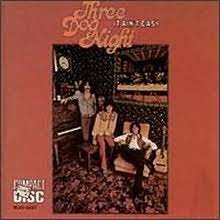
Mama Told Me Not To Come gave Three Dog Night one of their biggest hits in 1970, reaching #1 in the United States, #2 in Canada and #3 in the United Kingdom.
Featured on the band's It Ain't Easy album, the song was written by Randy Newman, who originally composed it for Eric Burdon. Its humorous storyline follows a bewildered young man attending a wild party where everything seems completely out of control. Cory Wells handled the lead vocals, bringing a wonderfully sarcastic edge to the performance.
The band's funky rhythm and distinctive arrangement helped turn Newman's quirky composition into a rock classic and one of Three Dog Night's most memorable recordings.
What You'll Learn From This Lesson
This one is in standard tuning with a 1-2-up 1-2 up arpeggio component in the verses and then a down up down up rhythm pattern in the chorus with some quick shuffles thrown in for good measure. There is no lead in this song but there is a bass riff required. For chords you'll play a G and G7 alternating between then in the verses and then a C/B, C, C# and a D note or you could play the D chord briefly.
Learn the chords and the two rhythm patterns then add in the bass riff.
Guitar Lesson Detail - (chords & lyrics sheet incl with lesson)
Back To Song List
Never Been To Spain - Learn To Play On Acoustic Guitar
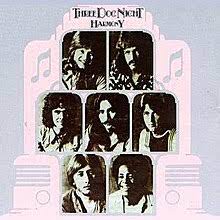
Never Been To Spain became another major hit for Three Dog Night when the band recorded Hoyt Axton's composition for their 1971 album Harmony.
Released as a single later that year, it climbed to #5 in the United States, #3 in Canada and #34 in Australia. Axton had previously recorded the song for his 1971 album Joy to the World. Despite its title, the lyrics aren't really about travelling but rather a playful fascination with places the narrator has never visited.
Cory Wells delivered the powerful lead vocal, supported by the band's driving rhythm and harmonies. Elvis Presley also performed the song, helping establish it as a lasting rock favourite.
What You'll Learn From This Lesson
I play this one with a capo 2nd which puts the song in the original key of E. And I'm also playing a drop D tuning to get a bit of bass as well as it helps in the lead section. The chords here are D, G and A with a quite riff to start the song along with low vocals. Then the song takes off with some shuffle rhythm throughout and some open bass notes. There is also a lead section in this version.
Learn the chords, and opening riff and then the driving shuffle rhythm. Then come back and add in the lead break.
Guitar Lesson Detail - (chords & lyrics sheet incl with lesson)
Back To Song List
One - Learn To Play On Acoustic Guitar
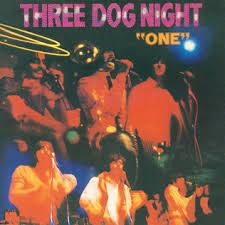
One became Three Dog Night's breakthrough hit in 1969, reaching #5 in the United States and #4 in Canada. Written and originally recorded by Harry Nilsson, the song appeared on the band's self-titled debut album and was the most successful of its three singles.
According to the well-known story, Nilsson was inspired to write the opening melody after hearing a telephone busy signal. Its famous opening line, “One is the loneliest number,” captures the loneliness and heartbreak at the centre of the song.
Chuck Negron's powerful lead vocal, combined with the band's dramatic arrangement, transformed Nilsson's original recording into a major pop-rock success and helped launch Three Dog Night into the spotlight.
What You'll Learn From This Lesson
This songs original key is with a capo 1st fret, but much too high vocally for me, so I'm playing a capo 4th fret and singing on the low end. For rhythm you'll down stroke and chop the chords and eventually play a steady down up down up shuffle rhythm. There is one short riff at the Em position as well, For chords you'll play an Em, G, A, C, B7, D/Gb and a Cm. No lead in this one.
Learn the chords first, followed by the two rhythm patterns and then the riff.
Guitar Lesson Detail - (chords & lyrics sheet incl with lesson)
Back To Song List
Pieces Of April
- Learn To Play On Acoustic Guitar
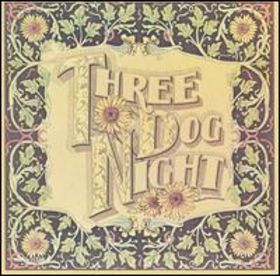
Pieces Of April brought a softer, more reflective sound to Three Dog Night's catalogue when it appeared on their 1972 album Seven Separate Fools.
Written by Dave Loggins, who later enjoyed solo success with Please Come to Boston, the song was released as a single and reached #19 on the Billboard Hot 100 in early 1973. Unlike many of the band's energetic rock hits, this recording features a gentle melody and a nostalgic storyline about looking back on a lost relationship. Chuck Negron handled the lead vocals, giving the song a tender, emotional quality.
Its understated arrangement demonstrated the band's versatility and their ability to connect with listeners through quieter, more sentimental material.
What You'll Learn From This Lesson
This one in standard tuning with a capo 1st fret has an arpeggio pattern blended with rhythm by playing a 1-2 up 1-2- up down up or you can play a down down up down down up down up. Later in the song you'll play down strokes with a light shuffle pattern near the end of the song. There is a riff and short lead break with the chords A, D, Amaj7, G, E Esus, Bm and a Gbm.
Learn the chords and choose the best rhythm pattern of the two and learn the shuffle pattern at the end of the song. Then go back and work in the riff and the lead section.
Guitar Lesson Detail - (chords & lyrics sheet incl with lesson)
Back To Song List
Shambala - Learn To Play On Acoustic Guitar
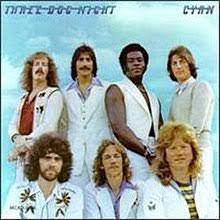
Shambala became one of Three Dog Night's most recognizable hits in 1973, although theirs wasn't the first recording released that year.
Written by Daniel Moore, the song was initially recorded by B.W. Stevenson, whose version appeared shortly before Three Dog Night's interpretation. Featured on the band's Cyan album, their recording climbed to #3 in the United States, #4 in Canada and #1 in New Zealand.
Sometimes referred to as The Road to Shambala, the song draws on the idea of a peaceful, spiritual paradise where happiness and harmony prevail. Its uplifting message, infectious rhythm and soulful vocals by Cory Wells helped establish it as an enduring favourite of 1970s rock radio.
What You'll Learn From This Lesson
I play a capo 2nd fret here with drop D tuning and starting off with an arpeggio and bass played across the D, C and G chords. You'll play a 1-2-3 up and repeat rhythm pattern with some a bass run on the way back to the D chord. On the chorus you can play all down stokes and the song does have some quick lead riffs blended into the chords for that section.
Learning to sing and playing the bass at the same time is the challenge here so learn the chords and the rhythm with bass before trying to sing and play this one at the same time. Then come back to the lead break.
Guitar Lesson Detail - (chords & lyrics sheet incl with lesson)
Back To Song List
The Show Must Go On - Learn To Play On Acoustic Guitar

The Show Must Go On marked the end of an impressive run of Top 10 hits for Three Dog Night when it appeared on their 1974 album Hard Labor.
Originally written and recorded by British singer-songwriter Leo Sayer, the song became a major international success for the American group, reaching #4 in the United States, #2 in Canada and #6 in the Netherlands. Its theatrical arrangement, complete with circus-style instrumentation, gave the recording a distinctive sound.
Chuck Negron handled the lead vocals, bringing energy and drama to a song about the pressures of performing and maintaining a public image. Despite its playful musical presentation, the lyrics reveal a more serious message about life in the spotlight.
What You'll Learn From This Lesson
This song was originally recorded with a capo 6th fret in standard tuning but Chuck Negron now sings it with a capo 5thm but he is vocally on the high end of this key. I'm on the low end of the 5th fret here in my version. This song has that famous circus intro and it's used in the middle and end of the song. For rhythm you'll start off with a root down root down and later it becomes a root down bass down pattern. For chords you'll play an A#, B, C, G, Am and F.
Learn the chord and two rhythm patterns first and then come back and tackle the circus picking pattern.
Guitar Lesson Detail - (chords & lyrics sheet incl with lesson)
Back To Song List
Thanks for stopping by my best Three Dog Night songs page. I hope the info here has been helpful.
If you liked this best of Three Dog Night page you might also like ... (click images)
Acoustic Versions Of Rock Songs

Kirby Swinemar is an acoustic guitar instructor, performer and song arranger who has taught online for 21 years and created more than 4,000 original acoustic guitar lessons. He specialises in song-based acoustic guitar instruction, rhythm guitar techniques, and creating full-sounding solo arrangements that help beginner and intermediate players move beyond basic strumming.
Explore his work at Kirby's Guitar Lessons and on social media on his social media YouTube Channel and his Facebook Page. Learn more about Kirby on his About Me page.
Latest 100 Tutorials
© 2019–2026 KirbysGuitarLessons.com — All Rights Reserved