Don Gibson Guitar Lessons: Classic Songs You Can Play
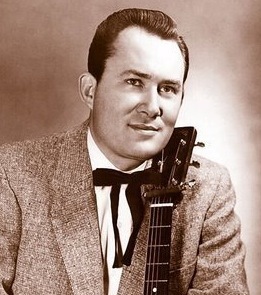
Learn to play classic country songs by Don Gibson, the legendary Nashville singer-songwriter, with seven step-by-step acoustic guitar lessons featuring his memorable melodies and timeless heartbreak ballads.
Nicknamed the “Sad Poet” of Nashville, Don Gibson wrote some of country music's most enduring songs, including I Can't Stop Loving You, which Ray Charles took to No. 1, and Sweet Dreams, later famously recorded by Patsy Cline. His own recording of Oh Lonesome Me helped define the emerging Nashville Sound and established him as one of country music's influential performers and songwriters.
On this page, you'll find seven Don Gibson guitar lessons featuring his best-known classics and several later favorites. Each arrangement covers the chords and strumming patterns, along with any bass runs, intro riffs, or lead guitar picking breaks included in the song. Whether you're learning your first country ballad or looking to combine rhythm with melody, these lessons will help you build a complete solo acoustic performance.
Don Gibson Guitar Lessons — Video Previews
performance clips taken directly from the complete lesson videos.
Click Play, then drag the timeline to quickly preview any Don Gibson country lesson featured on this page.
Note: Every arrangement has been personally created, recorded and taught by Kirby
using teaching methods refined through decades of acoustic guitar instruction.
What's Included With Every Lesson
📦 Your Lesson Package Includes
✓ 8–12 minute HD video lesson so you can learn each song step-by-step.
✓ Printable chords & lyrics PDF for easy practice away from the screen.

✓ Instant download—start playing in minutes.
✓ Learn at your own pace on any device.
New to Don Gibson? Start Here
If you're new to playing Don Gibson songs on acoustic guitar, these lessons offer a great introduction to his smooth country rhythms, memorable melodies, and classic Nashville sound. Whether you're learning basic accompaniment or looking to combine rhythm with lead guitar, there's something here for every stage of your playing.
1. Start with Sweet Dreams
A good starting point for developing your classic country rhythm. Concentrate on the main strumming pattern, smooth chord changes, and connecting bass runs. Once you're comfortable, try the optional shuffle rhythm introduced later in the lesson.
2. Build Your Melody Playing with I Can't Stop Loving You
This lesson introduces a short opening riff and a recognizable chorus melody picking break. It's an excellent next step for learning how to combine steady rhythm guitar with melodic playing.
3. Develop Your Bass Runs with Sea of Heartbreak
Take your country accompaniment a little further by incorporating bass runs between chord changes. The arrangement also includes a lead guitar break and an optional Drop D tuning that adds depth to the bass notes.
4. Challenge Yourself with Oh Lonesome Me
Ready for something more energetic? This upbeat classic features a faster country strumming pattern, connecting bass runs, and a lead guitar picking break. There's also some optional muted strumming for additional rhythmic variety.
Where to Go Next
Once you're comfortable with these four songs, explore I'd Be a Legend in My Time for its recurring guitar riff, Touch the Morning for blending lead picking with rhythm, and Yesterday Just Passed My Way Again for its flowing accompaniment, bass runs, and mid-song picking section.
You don't have to learn these songs in any particular order. Start with a favorite, work through the techniques at your own pace, and enjoy building a collection of classic Don Gibson arrangements you can play on your own.
Don Gibson Country Guitar Lessons Included On This Page
I'd Be A Legend In My Time Guitar Lesson
Oh Lonesome Me Guitar Lesson
Sea Of Heartbreak Guitar Lesson
Sweet Dreams Guitar Lesson
Touch The Morning Guitar Lesson
Yesterday Just Passed My Way Again Guitar Lesson
I Can't Stop Loving You - Learn To Play On Acoustic Guitar

I Can't Stop Loving You was written on a day when Don Gibson couldn’t have felt any lower. Living in a trailer park north of Knoxville on June 7, 1957, with little money and fewer prospects, he wrote this song and “Oh Lonesome Me” in a single sitting.
He said he set out to write a lost-love ballad, noticed the phrase “I can’t stop loving you” in his own lines, and rewrote the song around it. Gibson recorded it for RCA with Chet Atkins in December 1957, and it became the flip side of “Oh Lonesome Me,” a No. 7 country hit on its own.
Ray Charles took it to No. 1 on the Hot 100 for five weeks in 1962, and more than 700 artists have recorded it since.
What You'll Learn From This Lesson
In this acoustic guitar lesson for I Can't Stop Loving You by Don Gibson, you'll learn how to play this classic country ballad using C, C7, F and G chords, with an optional G7, all in standard tuning.
We'll cover a short opening riff, a steady root-down-up-root-up-down-up strumming pattern, and a chorus melody picking break that adds a recognizable touch to the arrangement. The emphasis is on smooth chord changes, relaxed timing, and combining rhythm with melody for a complete solo acoustic performance.
Practice Tip: Start by getting comfortable with the chords and rhythm pattern. Once those are flowing smoothly, learn the opening riff before moving on to the chorus melody picking break. This step-by-step approach will help you build confidence without trying to learn everything at once.
Guitar Lesson Details - (chords & lyrics sheet incl with lesson)
Back To Song List
I'd Be A Legend In My Time - Learn To Play On Acoustic Guitar
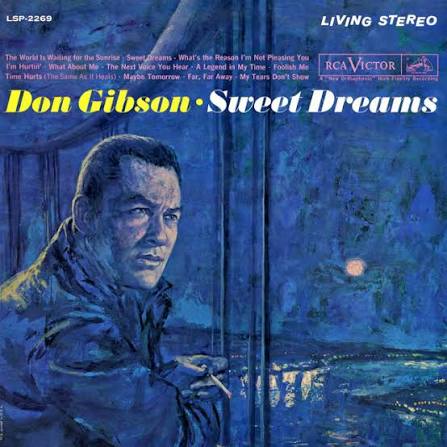
I'd Be A Legend In My Time is a waltz about the kind of fame nobody wants: if heartache earned awards, the singer says, everyone would already know his name.
Don Gibson wrote and recorded it in 1960 as the B-side of “Far, Far Away,” and he cut it again for his 1972 album Country Green. Roy Orbison recorded it twice, in 1961 and again for his 1967 tribute album Roy Orbison Sings Don Gibson, and Sammy Davis Jr. charted with it in 1973.
The version most people know belongs to Ronnie Milsap, who released it in November 1974, switched it from waltz time to 4/4 and took it to No. 1 on the country chart. His album of the same name won CMA Album of the Year.
What You'll Learn From This Lesson
In this acoustic guitar lesson for I'd Be a Legend in My Time by Don Gibson, you'll learn to play this classic country ballad using C, F, G, E, A7 and D7 chords. The arrangement is played in standard tuning in the key of C, with the option of placing a capo on the 2nd fret to match the original recording's key of D.
We'll work through a smooth root-up-down-up rhythm pattern that gives the song its relaxed country feel, along with an opening guitar riff that returns during the middle of the arrangement. You'll also learn how to keep the chord changes flowing naturally while maintaining a steady rhythm beneath the vocal.
Practice Tip: Begin by learning the chords and getting comfortable with the repeating root-up-down-up pattern. Once the rhythm feels natural, tackle the opening riff, then experiment with a slight variation when it returns in the middle of the song.
Guitar Lesson Details - (chords & lyrics sheet incl with lesson)
Back To Song List
Oh Lonesome Me - Learn To Play On Acoustic Guitar
Oh Lonesome Me gave Don Gibson his first No. 1 hit, and it came out of his rock-bottom moment in Knoxville. He wrote it on June 7, 1957, the same day as “I Can’t Stop Loving You,” and recorded both that December in Nashville with Chet Atkins producing.
Backed by little more than rhythm guitar, bass, drums and Floyd Cramer’s piano, the spare record is often credited as one of the first examples of the Nashville Sound. It spent eight weeks at No. 1 on the country chart in 1958 and reached No. 7 on the Hot 100, Gibson’s only pop top-10 hit.
Neil Young covered it in 1970, and The Kentucky Headhunters took it into the top 10 in 1990.
What You'll Learn From This Lesson
In this acoustic guitar lesson for Oh Lonesome Me by Don Gibson, you'll learn to play this upbeat country classic in standard tuning using D, A, D7, G and E chords. The arrangement features a fast-paced root-down-up-down-up-down-up rhythm pattern that creates the lively, driving country feel of the song.
We'll cover several connecting bass runs, a lead guitar picking break, and some optional muted strumming during the final verse for added rhythmic variety. Since the original recording fades out, you'll also learn how to finish the song with a bluesy D chord shape, giving your solo acoustic performance a proper ending.
Practice Tip: Start by learning the chords and getting comfortable with the repeating rhythm pattern. Next, work on blending the bass runs into your strumming without losing the beat. Once those transitions feel natural, move on to the main picking break and add the optional muted strumming when you're ready.
Guitar Lesson Details - (chords & lyrics sheet incl with lesson)
Back To Song List
Sea Of Heartbreak - Learn To Play On Acoustic Guitar

Sea Of Heartbreak is proof that Don Gibson could make anybody’s song sound like his own. Paul Hampton and Hal David, the lyricist famous for his work with Burt Bacharach, wrote it, and Gibson recorded it at RCA Studio B in Nashville on April 5, 1961, with Chet Atkins producing.
RCA released it that May with “I Think It’s Best (To Forget Me),” a Gibson original, on the flip side. The single reached No. 2 on the country chart and crossed over to No. 21 on the Hot 100, and it also made the top 20 in Britain.
Kenny Price, Ronnie McDowell and Jimmy Buffett with George Strait have all recorded it since.
What You'll Learn From This Lesson
In this acoustic guitar lesson for Sea of Heartbreak by Don Gibson, you'll learn to play this classic country favorite using G, Em, C, D, G7, D7 and B7 chords. My arrangement uses Drop D tuning, which adds depth to the lower bass notes and works particularly well with the connecting bass runs, although standard tuning is also an option.
We'll cover a flowing root-down-up-bass-up-down-up rhythm pattern, along with bass runs that connect the chord changes and give the arrangement its distinctive country feel. There's also a lead guitar picking break that adds a melodic touch, helping you create a fuller solo acoustic performance.
Practice Tip: Start by learning the chords and getting comfortable with the rhythm pattern. Once you can maintain a steady groove, begin working the bass runs into your chord transitions. Finally, tackle the lead picking section separately before bringing everything together.
Guitar Lesson Details - (chords & lyrics sheet incl with lesson)
Back To Song List
Sweet Dreams - Learn To Play On Acoustic Guitar

Sweet Dreams started as Don Gibson’s own song and ended up as the one Patsy Cline made immortal. Gibson wrote it in 1955 while working for the Acuff-Rose publishing company and recorded it that fall for MGM, reaching No. 9 on the country chart in 1956.
But Faron Young’s competing recording, made that summer, rose to No. 2 and gave Gibson his first real notice as a songwriter. Gibson re-recorded it in 1960 for RCA and took it to No. 6.
Patsy Cline recorded it on February 5, 1963, and it came out in April, just weeks after her death in a plane crash, becoming one of her signature songs. Emmylou Harris and Reba McEntire also recorded it.
What You'll Learn From This Lesson
In this acoustic guitar lesson for Sweet Dreams by Don Gibson, you'll learn to play this classic country ballad in standard tuning using F, G, C, D7 and Am chords. The arrangement features a smooth root-down-up-root-up-down-up rhythm pattern that provides a steady, relaxed accompaniment for the melody.
We'll also cover several connecting bass runs that add movement between the chord changes, along with a second, optional shuffle rhythm pattern introduced later in the song. With no lead guitar break to learn, this arrangement is a great opportunity to concentrate on clean chord transitions, steady timing, and developing an authentic classic country feel.
Practice Tip: Begin by learning the chords and getting comfortable with the main rhythm pattern. Once you can play through the song smoothly, work on incorporating the bass runs without interrupting the rhythm. Finally, experiment with the optional shuffle pattern used toward the latter part of the arrangement to add some variety to your performance.
Guitar Lesson Details - (chords & lyrics sheet incl with lesson)
Back To Song List
Touch The Morning - Learn To Play On Acoustic Guitar
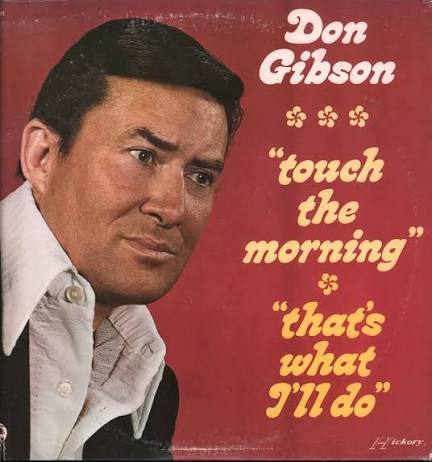
Touch The Morning was one of the last big hits of Don Gibson’s long career, and he didn’t write it.
That credit goes to Eddy Raven, the Louisiana songwriter who also wrote Gibson’s “Country Green” and later scored a No. 1 of his own with “I Got Mexico.” Hickory Records released Gibson’s recording in May 1973, and it climbed to No. 6 on Billboard’s country chart and No. 5 in Canada.
It also gave its name to the album Touch the Morning / That’s What I’ll Do. Gibson had been charting for 17 years by then, and the song proved the veteran of the Nashville Sound could still land in the top 10 in the 1970s.
What You'll Learn From This Lesson
In this acoustic guitar lesson for Touch the Morning by Don Gibson, you'll learn to play this classic country ballad in standard tuning using D, D7, G and A chords. The arrangement features a steady root-down-up-down-up-down-up rhythm pattern that provides a smooth, relaxed accompaniment for the melody.
We'll also cover several bass runs and guitar riffs that add movement between the chords, along with a short lead guitar picking break that blends melody with rhythm playing. This combination helps create a fuller solo acoustic arrangement while maintaining the gentle, expressive feel of the song.
Practice Tip: Start by learning the four chords and getting comfortable with the main rhythm pattern. Once your chord changes are flowing smoothly, work on the bass runs and riffs individually before adding them to the arrangement. Finally, tackle the short lead guitar section, concentrating on blending the picking notes naturally with your rhythm playing.
Guitar Lesson Details - (chords & lyrics sheet incl with lesson)
Back To Song List
Yesterday Just Passed My Way Again - Learn To Play On Acoustic Guitar
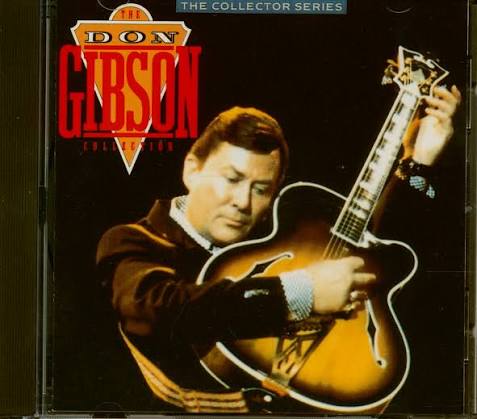
Yesterday Just Passed My Way Again came late in Don Gibson’s career, and it wasn’t his song to begin with. Whitey Shafer wrote it with his wife Darlene, and Lefty Frizzell was the first to record it, in 1975.
Gibson cut his own version at a Nashville session on November 24, 1980, with guitarists Mark Casstevens and Paul Worley among the players, and it appears on the 1986 compilation The Don Gibson Collection. The lyrics tell of a reunion with a lost love, where a kiss makes the singer feel that the past has come back around.
Shafer also wrote George Strait’s “Does Fort Worth Ever Cross Your Mind,” and David Frizzell and Don Everly have recorded this one too.
What You'll Learn From This Lesson
In this acoustic guitar lesson for Yesterday Just Passed My Way Again by Don Gibson, you'll learn to play this classic country ballad in standard tuning using G, G7, C, G6, Am, D and D7 chords. The arrangement features a steady root-down-up-root-up-down-up rhythm pattern that provides a smooth, flowing accompaniment for the melody.
We'll also cover several connecting bass runs that add movement between the chord changes, along with a melodic guitar picking section near the middle of the arrangement. These techniques help create a fuller solo acoustic performance while maintaining the relaxed, expressive country feel of the song.
Practice Tip: Begin by learning the chords and getting comfortable with the main rhythm pattern. Next, practice incorporating the bass runs between the chord changes while keeping your timing steady. Once those elements are working together, turn your attention to the mid-song lead picking section before bringing the complete arrangement together.
Guitar Lesson Details - (chords & lyrics sheet incl with lesson)
Back To Song List
Don Gibson Guitar Lessons – Frequently Asked Questions
1. Are Don Gibson songs easy to play on acoustic guitar?
Many Don Gibson songs are approachable for beginners who already know a few basic chords and strumming patterns. Songs like Sweet Dreams and I Can't Stop Loving You are good starting points for developing a steady country rhythm. Sea of Heartbreak introduces connecting bass runs and a lead guitar picking break, while Oh Lonesome Me adds a faster country rhythm, bass runs, and more energetic lead playing.
2. What tuning do I need for these Don Gibson guitar lessons?
Six of the seven lessons use standard guitar tuning (E-A-D-G-B-E). Sea of Heartbreak is demonstrated using Drop D tuning (D-A-D-G-B-E), which provides a deeper bass sound for the connecting runs. However, Drop D is optional for that arrangement, so you can also play the song in standard tuning.
3. Do I need a capo to play Don Gibson songs?
Most of these arrangements can be played without a capo. For I'd Be a Legend in My Time, the lesson uses C chord shapes, with a capo on the second fret to match the original recording's key of D. A capo can also be useful for adjusting a song to suit your vocal range.
4. What strumming patterns will I learn?
These lessons feature several traditional country strumming patterns, including root-note strumming, alternating bass rhythms, and a faster country pattern in Oh Lonesome Me. Sweet Dreams also introduces an optional shuffle rhythm later in the arrangement. Each lesson explains the rhythm used for that particular song.
5. Do these Don Gibson lessons include bass runs and guitar riffs?
Yes. Several arrangements include connecting bass runs that help move smoothly between chords. You'll find them in Oh Lonesome Me, Sea of Heartbreak, Sweet Dreams, Touch the Morning, and Yesterday Just Passed My Way Again. You'll also learn recognizable guitar riffs in songs such as I Can't Stop Loving You and I'd Be a Legend in My Time.
6. Will I learn any lead guitar picking in these lessons?
Yes. Several lessons combine rhythm guitar with melodic picking sections. I Can't Stop Loving You includes a chorus melody break, while Oh Lonesome Me, Sea of Heartbreak, Touch the Morning, and Yesterday Just Passed My Way Again feature lead guitar picking sections. The emphasis is on creating a complete acoustic arrangement that works with just one guitar.
7. Which Don Gibson guitar lesson should I learn first?
I'd recommend starting with Sweet Dreams to develop your chord changes and country rhythm playing. From there, try I Can't Stop Loving You for its opening riff and chorus melody picking. Sea of Heartbreak is a good next step for bass runs, while Oh Lonesome Me offers a faster rhythm and more involved lead guitar work. You can follow the suggested learning pathway above or simply begin with your favorite Don Gibson song.
Don Gibson's songs have a timeless quality, combining heartfelt lyrics, memorable melodies, and the smooth country rhythms that helped define the Nashville Sound. Whether you're working through the gentle accompaniment of Sweet Dreams, the faster country rhythm of Oh Lonesome Me, or the bass runs and melodic picking in Sea of Heartbreak, each lesson offers something different to develop your acoustic guitar playing.
Take your time learning the chords and rhythm patterns before adding the bass runs, riffs, or picking sections. The goal is to build a comfortable, natural arrangement that you can enjoy playing and singing on your own. I'll continue adding more Don Gibson guitar lessons as I record them, so be sure to check back for new additions.
Explore More Country Guitar Lessons ... (click images)

Home Page
Very Easy Country Guitar Songs

Kirby Swinemar is an acoustic guitar instructor, performer and song arranger who has taught online for 21 years and created more than 4,000 original acoustic guitar lessons. He specialises in song-based acoustic guitar instruction, rhythm guitar techniques, and creating full-sounding solo arrangements that help beginner and intermediate players move beyond basic strumming.
Explore more of Kirby's work at Kirby's Guitar Lessons, watch his performances and tutorials on his YouTube Channel or follow him on Facebook. You can also learn more about his teaching background on the About Me page.
Latest 100 Tutorials
© 2019–2026 KirbysGuitarLessons.com — All Rights Reserved