Don Williams Guitar Lessons – 10 Classic Country Songs
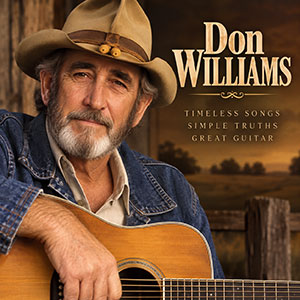
If you're looking for Don Williams guitar lessons, this collection brings together acoustic arrangements of some of the Gentle Giant's best-known country songs. You'll find favorites such as Amanda, I Believe in You, Tulsa Time, You're My Best Friend, and Lord, I Hope This Day Is Good, with each lesson covering the chords, rhythm and other playing details used in my arrangement.
Williams' relaxed delivery and understated country sound translated naturally to acoustic guitar, but there is plenty of variety within these songs. Some rely on a steady country rhythm while others incorporate bass movement, picking patterns and recognizable musical touches from the original recordings. Use the lessons below individually or follow the suggested path to work through several different sides of the Don Williams catalogue.
🎸 Overview Video of Don Williams Guitar Lessons
performance clips taken directly from the complete lesson videos.
Click Play, then drag the timeline to quickly preview any Don Williams lesson featured on this page.
Note: Every arrangement has been personally created, recorded and taught by Kirby
using teaching methods refined through decades of acoustic guitar instruction.
What's Included With Every Lesson
📦 Your Lesson Package Includes
✓ 8–12 minute HD video lesson so you can learn each song step-by-step.
✓ Printable chords & lyrics PDF for easy practice away from the screen.

✓ Instant download—start playing in minutes.
✓ Learn at your own pace on any device.
New To Don Williams?
If you're new to playing Don Williams songs on acoustic guitar, a good place to begin is Amanda or I Believe In You. Both use three main chords with steady root-based rhythm patterns, while the bass runs, hammer-ons and small riffs introduce some of the subtle touches that help create the Don Williams country sound.
For more work with alternating bass and chord movement, try You're My Best Friend or Some Broken Hearts Never Mend. You're My Best Friend offers two rhythm approaches along with recurring riffs and bass runs, while Some Broken Hearts Never Mend uses optional Drop D tuning to add more depth and bounce to the accompaniment.
To explore rhythm changes and fuller acoustic arrangements, move on to Listen To The Radio or Lord I Hope This Day Is Good. These lessons introduce changing rhythm patterns, bass movement and melody-line picking, with Lord I Hope This Day Is Good also showing how Drop D can give the guitar a deeper bottom end.
For something with a different edge, Tulsa Time combines a driving downstroke rhythm with hammer-ons, walking bass and an improvised-style lead break. Good Ole Boys Like Me is another useful choice when you want to work with arpeggio, descending bass movement and hammer-ons within a more detailed acoustic arrangement.
Don Williams Guitar Lessons Included On This Page
Amanda Guitar Lesson
Good Ole Boys Like Me Guitar Lesson
I Believe in You Guitar Lesson
Listen to the Radio Guitar Lesson
Lord, I Hope This Day Is Good Guitar Lesson
Love Is On A Roll Guitar Lesson
Some Broken Hearts Never Mend Guitar Lesson
Tulsa Time Guitar Lesson
Turn Out the Light And Love Me Tonight Guitar Lesson
You're My Best Friend Guitar Lesson
🎁 Free Lesson Preview
Scroll down to check out a completely free lesson on Don Williams's “Amanda”.Amanda - Learn To Play On Acoustic Guitar
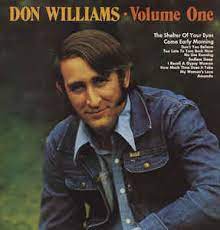
Amanda first appeared on Don Williams' 1973 debut album Volume One, although his recording wasn't released as a single at the time. Written by Bob McDill, the song was later recorded by Waylon Jennings, whose version became a #1 country hit in 1979.
The following year, Williams' original recording was finally issued as a single and remarkably also climbed to #1 on the Billboard country chart, giving two major country artists chart-topping versions of the same song in consecutive years.
Williams' warm, understated delivery suited McDill's reflective lyric particularly well, and “Amanda” went on to become one of the most enduring songs associated with his catalogue.
What You'll Learn From This Lesson
I play Amanda with a capo on the 1st fret using the chords G, C and D. The main rhythm is root – down – up – down – up, repeated throughout the song, which gives the arrangement a steady country feel while leaving plenty of room for the vocal.
I add a few bass runs to the accompaniment along with a short opening riff that returns at the end of the song. My version also includes a picking break in the middle, although that section is optional if you prefer to play the song using the rhythm arrangement throughout.
Start by learning the three chords and getting comfortable with the root-based rhythm. Next, work on the opening and closing riff and blend the bass runs into the accompaniment. Once those parts are flowing smoothly, you can learn the optional picking break and add it to the middle of the song.
Guitar Lesson Details - (chords & lyrics sheet incl with lesson)
Back To Song List
Good Ole Boys Like Me - Learn To Play On Acoustic Guitar
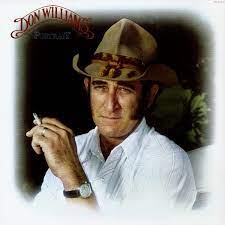
Good Ole Boys Like Me became one of Don Williams' most admired recordings after its release in 1980 from the album Portrait. Written by longtime Nashville songwriter Bob McDill, the single reached #2 on the Billboard country chart.
McDill filled the song with memories of growing up in the South, weaving references to Thomas Wolfe, Tennessee Williams, Hank Williams and the influence of radio into a thoughtful reflection on Southern identity and changing times.
Williams' restrained vocal style was particularly well suited to the song's nostalgic mood, helping “Good Ole Boys Like Me” become an enduring favorite and one of the recordings most closely associated with his career.
What You'll Learn From This Lesson
The original key of Good Ole Boys Like Me is A, and I play it with a capo on the 2nd fret using G-position chords, which keeps the song in the original key. This position also makes the descending bass movement in the arrangement more comfortable to play. The chords are G, D, C, Em, G6 and D/Gb.
The opening combines arpeggio picking, hammer-ons and rhythm, creating an intro figure that returns in several places throughout the song. Once the vocal begins, I settle into a root – down – up – root – up – down – up rhythm pattern. There are also several bass runs that can be worked into the accompaniment as the song progresses.
Start by learning the chord shapes and getting comfortable with the main rhythm pattern. Next, work on the intro figure separately, combining the arpeggio, hammer-ons and rhythm until the transitions are smooth. Because that figure returns later in the song, learning it well at the beginning will take care of several sections. Finally, add the bass runs and descending bass movement to complete the arrangement.
Guitar Lesson Details - (chords & lyrics sheet incl with lesson)
Back To Song List
I Believe In You - Learn To Play On Acoustic Guitar
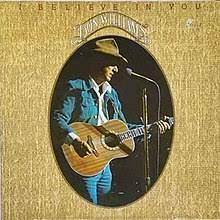
I Believe In You became one of Don Williams' signature recordings after its release in 1980 as the title track from his album of the same name.
Written by Roger Cook and Sam Hogin, the song spent two weeks at #1 on Billboard's country chart and also crossed over to the pop market, reaching #24 on the Billboard Hot 100. That made it Williams' only Top 40 pop hit in the United States and helped introduce his relaxed country sound to a much broader audience.
The lyric contrasts skepticism about money, material things and modern life with a simple declaration of faith in love, giving Williams a song particularly well suited to his understated vocal style.
What You'll Learn From This Lesson
I play I Believe In You in standard tuning using the chords G, C and D. The arrangement begins with an intro riff that returns again at the end of the song, giving the performance a recognizable opening and closing.
The main rhythm is root – up – down – up, repeated throughout the song. I blend some bass movement and small riffs into the rhythm, along with a few hammer-ons, which add some country flavor without making the accompaniment overly busy.
Start by learning the three chords and getting comfortable with the root-based rhythm pattern. Next, work the bass movement and hammer-ons into the rhythm while keeping the pulse steady. Once those elements are flowing naturally, learn the intro riff, which will also give you the ending since the same figure is used to close the song.
Guitar Lesson Details - (chords & lyrics sheet incl with lesson)
Back To Song List
Listen To The Radio - Learn To Play On Guitar
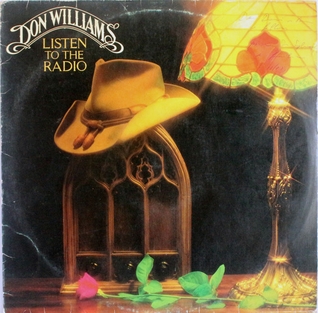
Listen To The Radio was released in 1982 as the title track from Don Williams' album of the same name. Written by Fred Knipe, the song became another major hit during Williams' remarkably consistent run on the country charts, reaching #3 on Billboard's Hot Country Singles chart.
Built around the familiar experience of turning to the radio for music and companionship, the song fit naturally with Williams' relaxed, conversational delivery. Its easygoing sound also reflected the style that had earned him the nickname “The Gentle Giant.” “
Listen to the Radio” remains one of Williams' recognizable recordings from the early 1980s and captures the uncomplicated warmth that characterized much of his most successful work.
What You'll Learn From This Lesson
I play Listen To The Radio in standard tuning using the chords C, G6, Am, Am/G, F, G, Em and Gsus. For most of the song I use a root – up – down – up – bass – up – down – up rhythm pattern, giving the arrangement a steady country flow.
There is also a section where the rhythm changes noticeably, with the regular pattern chopped down to a series of downstrokes across several chord changes. That contrast gives the arrangement some variety before returning to the main rhythm. My version also includes an optional melody-line picking break for anyone who wants to add an instrumental section.
Start by learning the chord shapes and getting comfortable with the main root-and-bass rhythm pattern. Next, practice the chopped downstroke section and the chord changes within it so you can move cleanly between the two rhythm approaches. Once the accompaniment is comfortable, come back and learn the melody-line picking break if you want to include it in your version.
Guitar Lesson Details - (chords & lyrics sheet incl with lesson)
Back To Song List
Lord I Hope This Day Is Good - Learn To Play On Guitar
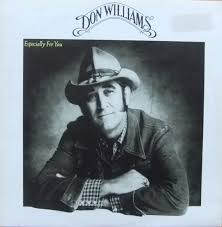
Lord I Hope This Day Is Good became another major Don Williams hit after its release in 1981 from the album Especially for You. Written by Dave Hanner, the song reached #1 on Billboard's Hot Country Singles chart, where it remained for a week and became another entry in Williams' remarkable string of chart successes.
Rather than a conventional love song, the lyric takes the form of a humble conversation with God, asking not for riches or miracles but simply for a good day and a little understanding.
Williams' calm, understated delivery suited that message perfectly, helping the song become an enduring favorite that has continued to be recorded by other country artists.
What You'll Learn From This Lesson
I play Lord I Hope This Day Is Good in Drop D tuning, although using Drop D is optional. The chords are D, A, G, Bm, Gbm and Em. The song begins with an intro riff blended into the rhythm before moving into the opening chorus.
For that opening chorus I use a root – down – root – up – down – up rhythm pattern. When the first verse begins, the rhythm changes to root – down – up – bass – up – down – up. With the guitar in Drop D, that lowered 6th string can be used as the bass note, giving the accompaniment a deeper and fuller sound.
There are also a few bass runs and hammer-ons worked into the rhythm. My arrangement includes a melody-line picking break in the middle of the song, with the melody picking returning again near the end.
Start by learning the chords and getting comfortable with both rhythm patterns, particularly the change from the opening chorus into the first verse. Next, add the bass runs and occasional hammer-ons while keeping the rhythm steady. Finally, work on the melody-line picking sequence and practice blending it smoothly back into the rhythm.
Guitar Lesson Details - (chords & lyrics sheet incl with lesson)
Back To Song List
Love Is On A Roll - Learn To Play On Guitar
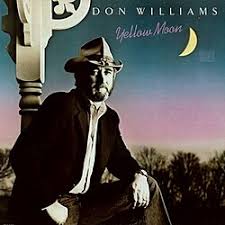
Love Is On A Roll arrived during another strong period in Don Williams' career when it was released in 1983 from the album Yellow Moon. Written by Roger Cook and John Prine, the song became another major country hit for Williams, reaching #1 on Billboard's Hot Country Singles chart.
Its upbeat outlook and easygoing rhythm offered a lighter contrast to many of the reflective ballads for which Williams was known. The John Prine connection is particularly interesting, bringing together one of America's most respected singer-songwriters with Williams' unmistakably relaxed vocal style.
“Love Is On A Roll” helped continue Williams' impressive run of chart success well into the 1980s.
What You'll Learn From This Lesson
I play Love Is On A Roll in standard tuning using the chords D, G, A and C. The main rhythm is root – down – up – root – up – down – up, repeated throughout the song, which gives the arrangement a smooth, rolling country feel.
There are two instrumental breaks, but neither requires a separate note-picking lead. Instead, I play a small riff built directly into the chord shapes, allowing the rhythm to continue while adding a little melodic movement during each break.
Start by learning the four chords and getting comfortable with the root-based rhythm pattern. Once the rhythm and chord changes are flowing smoothly, work on the small chord-based riff used during the breaks. Because the riff is incorporated into the chords rather than played as a separate lead part, you can concentrate on keeping the rhythm moving while adding it to the arrangement.
Guitar Lesson Details - (chords & lyrics sheet incl with lesson)
Back To Song List
Some Broken Hearts Never Mend - Learn To Play On Guitar
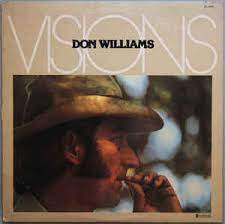
Some Broken Hearts Never Mend became one of Don Williams' best-known recordings after appearing on his 1977 album Visions.
Written by Wayland Holyfield, the song was released as a single that year and climbed to #1 on Billboard's country chart, adding another chart-topper to Williams' rapidly growing collection. Its theme is summed up by the title itself—the idea that some relationships leave wounds that time never completely heals—and Williams delivers it with the quiet restraint that became his trademark.
The song also found a particularly strong following internationally and was later recorded by numerous artists, helping it become one of the most enduring songs in the Don Williams catalogue.
What You'll Learn From This Lesson
I play Some Broken Hearts Never Mend with a capo on the 2nd fret using G-position chords, which keeps the song in its original key of A. The chords are G, C, D and Cmaj7. I also use Drop D tuning, although that's optional. It works particularly well in this arrangement because of the bass notes blended into the rhythm.
The song begins with an intro riff before settling into a root – down – up – bass – up – down – up rhythm pattern. When the bass movement is worked into that pattern, it gives the song a slightly bouncy country feel rather than simply straight strumming.
My arrangement also includes two melody-line picking breaks. The two breaks differ slightly, so they can be learned separately once the main accompaniment is comfortable.
Start by learning the four chord shapes and getting the rhythm pattern flowing evenly. Next, work on the intro riff and then add the bass notes into the rhythm without interrupting the groove. Once those parts are comfortable, come back and learn the two melody-line picking sections and blend them into the complete arrangement.
Guitar Lesson Details - (chords & lyrics sheet incl with lesson)
Back To Song List
Tulsa Time - Learn To Play On Guitar
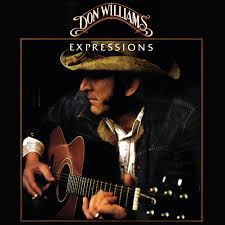
Tulsa Time was one of Don Williams' biggest hits after appearing on his 1978 album Expressions.
Written by Danny Flowers, the song was released as a single and reached #1 on Billboard's country chart, spending a week at the top. Its easygoing shuffle and story of leaving the West Coast behind for a return to Oklahoma gave Williams one of the more upbeat recordings in his catalogue.
The song later became closely associated with Eric Clapton, who recorded it and frequently performed it live, helping introduce “Tulsa Time” to audiences well beyond country music. Clapton's versions also helped establish the song as a favorite among roots, blues and country-rock musicians.
What You'll Learn From This Lesson
I play Tulsa Time in Drop D tuning, which gives the arrangement a deeper bass sound and also works well for the lead-picking section. The song uses only two chords and one main rhythm pattern, but the hammer-ons, walking bass and lead work give the arrangement plenty of movement.
For the rhythm I play down – down – down – down – down – down – down – up, repeated throughout the song. I blend hammer-ons into the rhythm to give it more of a rock-and-roll feel. There's also an intro riff with a short walking bass line before settling into the main groove.
My arrangement includes a lead-picking break, which helps fill out the song when you're performing it with one acoustic guitar. You don't have to copy my lead note for note; once you understand the idea, you can improvise around it and make the break your own. The song finishes on a bluesy D chord shape.
Start by learning the two chords and getting the rhythm comfortable with the hammer-ons blended into it. Next, work on the intro riff and walking bass. Once those pieces are flowing smoothly, tackle the lead break and experiment with the melody if you'd like to put your own stamp on it.
Guitar Lesson Details - (chords & lyrics sheet incl with lesson)
Back To Song List
Turn Out the Light And Love Me Tonight - Learn To Play On Guitar
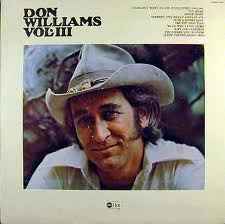
Turn Out The Light And Love Me Tonight marked an important point in Don Williams' rise when it was released in 1975 from the album You're My Best Friend. Written by Bob McDill, the single reached #1 on Billboard's Hot Country Singles chart, becoming Williams' second chart-topper and further establishing the relaxed, understated style that would define his career.
The romantic song was a natural fit for Williams' warm baritone and the easygoing delivery that earned him the nickname “The Gentle Giant.”
It later attracted recordings by other country performers, including Conway Twitty, helping the song remain part of the traditional country repertoire long after Williams' original release.
What You'll Learn From This Lesson
I play Turn Out The Light And Love Me Tonight in standard tuning and in the original key of D, using the chords D, Dsus, G and A. The main rhythm is root – down – root – up – down – up, repeated throughout the song.
There are several bass runs and small riffs worked into the accompaniment, along with a short melody-line picking break. The vocal also drops quite low in the verses, so depending on your vocal range, you may find it more comfortable to move the song higher with a capo while keeping the same chord shapes.
Start by learning the four chord shapes and getting comfortable with the root-based rhythm pattern. Next, work the bass runs and small riffs into the accompaniment while keeping the rhythm steady. Once those parts are in place, come back and learn the short melody-line picking break.
Guitar Lesson Details - (chords & lyrics sheet incl with lesson)
Back To Song List
You're My Best Friend - Learn To Play On Guitar

You're My Best Friend became one of Don Williams' defining songs after its release in 1975 as the title track from his album of the same name. Written by Wayland Holyfield, the single climbed to #1 on Billboard's country chart and also became a major success in Canada.
Its straightforward expression of love and companionship was perfectly suited to Williams' warm, restrained delivery and helped establish the sound that would carry him through an extraordinary run of country hits.
The song also became popular internationally, particularly as Williams developed a large following outside North America, and it remains one of the recordings most closely associated with “The Gentle Giant.”
What You'll Learn From This Lesson
I play You're My Best Friend in the original key with a capo on the 1st fret, using the chords C, F and G. There are two rhythm options you can use: root – down – root – up – down – up, or root – down – bass – up – down – up if you want more bass movement in the accompaniment.
There is no lead-picking break in this arrangement, but there are several small riffs and bass runs. The song begins with an intro riff that returns several times, including during the middle of the song and again near the end. These recurring figures help give the arrangement its identity without requiring a separate lead section.
Start by learning the three chords and getting comfortable with the rhythm pattern you prefer. Next, work the bass runs into the chord changes while keeping the rhythm steady. Finally, learn the intro riff and practice placing it in the other sections where it returns throughout the song.
Guitar Lesson Details - (chords & lyrics sheet incl with lesson)
Back To Song List
FAQ – Don Williams Guitar Lessons
What gives Don Williams songs their relaxed acoustic guitar sound?
Much of the Don Williams sound comes from keeping the rhythm steady and uncluttered. These arrangements use root-based country rhythms, alternating bass notes, smooth chord changes and small fills while leaving room for the vocal. The goal isn't to play more, but to make the rhythm, bass movement and chord changes work together naturally.
Why are bass notes and bass runs used so often in these arrangements?
Bass movement helps one acoustic guitar sound fuller without requiring a busy strumming pattern. You'll find alternating root and bass patterns, descending bass lines, short walk-ups and connecting runs throughout these lessons. In songs such as Lord I Hope This Day Is Good and Some Broken Hearts Never Mend, optional Drop D tuning can add even more depth to those bass notes.
Do I need to play lead guitar for these Don Williams songs?
No. Some of my arrangements include melody-line picking breaks, but others get their instrumental character from bass runs, hammer-ons, arpeggios or riffs blended directly into the chords and rhythm. Love Is On A Roll uses a chord-based riff during its breaks, while You're My Best Friend has no lead break at all and instead uses recurring riffs and bass movement.
Why do some of these Don Williams lessons use a capo or Drop D tuning?
The capo positions and alternate tuning serve different purposes depending on the song. A capo can keep the arrangement in the original key while allowing more useful open-position chord shapes, or it can help move a song into a better range for your voice. Drop D is optional in the arrangements where I use it, but the lower sixth string can provide a deeper bass sound and work particularly well with bass-driven rhythm patterns and picking sections.
How can I keep the relaxed rhythm steady while singing these songs?
Learn the chord progression and rhythm first and get the right hand comfortable before adding the vocal. If singing causes the rhythm to wander, temporarily simplify the guitar part and concentrate on maintaining the pulse. Once the vocal and basic rhythm are working together, add the bass runs, hammer-ons, riffs and picking sections back into the arrangement.
Don Williams built an extraordinary catalogue around great songs, strong Nashville songwriters and a vocal style that never needed to overpower the music. The lessons on this page cover everything from major hits such as I Believe in You and You're My Best Friend to favorites including Good Ole Boys Like Me, Some Broken Hearts Never Mend and Listen to the Radio.
If you liked this Don Williams guitar lessons page you might also like ... (click images)
Very Easy Country Guitar Songs
Latest 100 Tutorials
© 2019–2026 KirbysGuitarLessons.com — All Rights Reserved