Gerry Rafferty Guitar Songs You Can Learn and Play
(Page Updates Coming)

Gerry Rafferty wrote some of the smoothest and most melodic rock-pop songs of the 70s and 80s. Known for his warm voice, layered arrangements, and poetic lyrics, his music blends folk, rock, and soft pop in a timeless way.
On this page, you'll find step-by-step acoustic guitar lessons for seven of his best-loved tracks — from massive hits like Baker Street to soulful deep cuts like Whatever’s Written in Your Heart.
Whether you're just getting started or looking to add more Rafferty gems to your repertoire, you're in the right place.
Gerry Rafferty was a Scottish singer-songwriter who rose to fame in the 1970s. Born in 1947 in Paisley, Scotland, Rafferty had a successful musical career that spanned several decades.
🎸 Watch the Gerry Rafferty Guitar Lessons Overview
performance clips taken directly from the complete lesson videos.
Click Play, then drag the timeline to quickly preview any Gerry Rafferty lesson featured on this page.
Note: Every arrangement has been personally created, recorded and taught by Kirby
using teaching methods refined through decades of acoustic guitar instruction.
What's Included With Every Lesson
📦 Your Lesson Package Includes
✓ 8–12 minute HD video lesson so you can learn each song step-by-step.
✓ Printable chords & lyrics PDF for easy practice away from the screen.

✓ Instant download—start playing in minutes.
✓ Learn at your own pace on any device.
Gerry Rafferty Guitar Lessons Included On This Page
Baker Street Guitar Lesson
Days Gone Down Guitar Lesson
Get It Right Next Time Guitar Lesson
Right Down The Line Guitar Lesson
Stealin Time Guitar Lesson
Whatever's Written In Your Heart Guitar Lesson
🎁 Free Lesson Preview
Scroll down to check out a completely free demo on Gerry Rafferty’s “Right Down The Line”.A New Beginning - Learn To Play On Acoustic Guitar

A New Beginning appeared on Gerry Rafferty’s 1994 album Over My Head and reflects the quieter, more introspective direction of his later recordings. Written by Rafferty and co-produced with longtime collaborator Hugh Murphy, the song combines his familiar mellow sound with a reflective mood.
Released as a single, it reached #67 in Germany and spent seven weeks on the chart. By this stage, Rafferty had moved beyond the commercial success of Baker Street and Right Down the Line, but his gift for memorable melodies and carefully layered arrangements remained. For acoustic guitar, its steady rhythm provides an opportunity to maintain a consistent groove while letting the vocal melody carry the song.
What You'll Learn From This Lesson
I play this with a capo 2nd fret and use a steady up and down rhythm pattern on this one. There is some lead within the rhythm playing the chords Am, Em, G, D, C/G and G#.
Guitar Lesson Details - (chords & lyrics sheet incl with lesson)
Back To Song List
Baker Street - Learn To Play On Acoustic Guitar

Baker Street was released in 1978 as the second single from Gerry Rafferty’s album City to City and became his signature solo hit, reaching #2 in the US and #3 in the UK.
The song grew out of a frustrating period when legal disputes following the breakup of Stealers Wheel prevented Rafferty from releasing new material.
During frequent trips to London, he stayed at a friend’s flat near Baker Street, an experience that inspired the song’s weary lyrics. Its unforgettable saxophone riff, played by Raphael Ravenscroft, was originally conceived as a vocal melody. That soaring instrumental hook helped make Baker Street one of the most recognizable recordings of the late 1970s.
What You'll Learn From This Lesson
For rhythm here play a down up stop up and repeat except you'll need down strokes for the sax part of the song. Some picking here with the chords F, G, D, C, A7, D/A, Em, Dsus, Dm7 and Am in standard tuning.
Guitar Lesson Details - (chords & lyrics sheet incl with lesson)
Back To Song List
Days Gone Down - Learn To Play On Acoustic Guitar
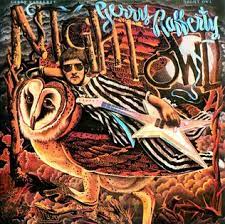
Days Gone Down was released in 1979 as the second single from Gerry Rafferty’s album Night Owl, following the success of its title track. The song continued his run of radio-friendly soft-rock hits, reaching #17 on the US Billboard Hot 100 and #17 in the UK. With its upbeat rhythm, layered acoustic guitars and polished production, it captures the distinctive sound Rafferty developed following his breakthrough with City to City.
Although it never achieved the enormous popularity of Baker Street, the song became another international hit during one of the most commercially successful periods of his solo career. Its steady rhythm and melodic chord changes translate particularly well to an acoustic guitar arrangement.
What You'll Learn From This Lesson
Played with a capo on the 2nd fret, I use a down down down down up down up and repeat pattern for the verse and eventually a down up stop up and repeat 2nd rhythm pattern. Some lead in this one played in standard tuning with the chords G, C, B, F, D, Dsus, Am and Em.
Guitar Lesson Details - (chords & lyrics sheet incl with lesson)
Back To Song List
Get It Right Next Time - Learn To Play On Acoustic Guitar
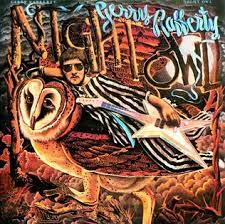
Get It Right Next Time appeared on Gerry Rafferty’s 1979 album Night Owl and became another successful single during his late-1970s run of hits. The song reached #21 on the US Billboard Hot 100 and #30 in the UK, continuing the momentum established by Baker Street.
Its polished arrangement features layered guitars, keyboards and a distinctive, syncopated rhythm that gives the recording its infectious groove. Beneath that upbeat sound, the lyrics explore learning from past mistakes and hoping to make better choices in the future.
For acoustic guitar, the song offers an opportunity to work with syncopated strumming and rhythmic accents while maintaining the relaxed feel of Rafferty’s original recording.
What You'll Learn From This Lesson
The chords here you'll need to play A#, A, F, G, C and C/G in standard tuning with a a few riffs. For rhythm play a down up down up in the verse but some shuffle rhythm throughout.
Guitar Lesson Details - (chords & lyrics sheet incl with lesson)
Back To Song List
Right Down The Line - Learn To Play On Acoustic Guitar

Right Down The Line was released in 1978 as a single from Gerry Rafferty’s hugely successful album City to City, reaching #12 on the US Billboard Hot 100 and #1 on the Adult Contemporary chart.
Written by Rafferty himself, the song is a heartfelt tribute to a partner whose love and support have remained constant through difficult times. Its relaxed groove, distinctive guitar introduction and warm production helped establish it as one of his most enduring recordings.
The song has enjoyed a second life through cover versions by artists including Bonnie Raitt and Ron Sexsmith, introducing Rafferty’s songwriting to new generations of listeners.
What You'll Learn From This Lesson
This one is in standard tuning with the chords Dm, C, Am, G, F, Bm, Gdim and A while playing a root down up down up root up down up and repeat pattern. A bit of lead required.
Guitar Lesson Details - (chords & lyrics sheet incl with lesson)
Back To Song List
Stealin' Time - Learn To Play On Acoustic Guitar

Stealin Time appeared on Gerry Rafferty’s 1978 album City to City, the record that established him as a major solo artist following his departure from Stealers Wheel.
Although never released as a single, the song offers another example of Rafferty’s thoughtful songwriting and distinctive blend of folk, pop and soft rock. Its relaxed tempo, layered instrumentation and reflective lyrics explore the feeling of time slipping away and the desire to make the most of life’s fleeting moments.
Overshadowed by the album’s enormous hits, Baker Street and Right Down the Line, it remains an interesting discovery for listeners exploring Rafferty’s work beyond his best-known recordings.
What You'll Learn From This Lesson
Played in standard tuning with a little lead work and only the two chords C and F. For rhythm play a shuffle pattern blended in with some picking.
Guitar Lesson Details - (chords & lyrics sheet incl with lesson)
Back To Song List
Whatever's Written In Your Heart - Learn To Play On Acoustic Guitar

Whatever's Written In Your Heart appeared on Gerry Rafferty’s 1978 album City to City and was also released as a single, although it failed to chart. Unlike the upbeat grooves of Baker Street and Right Down the Line, this reflective ballad reveals a quieter, more intimate side of Rafferty’s songwriting.
Its gentle piano accompaniment, restrained instrumentation and rich backing harmonies create an almost hymn-like atmosphere, allowing his expressive vocals to take centre stage.
The song’s message of love, acceptance and emotional honesty gives it a timeless quality. Its delicate arrangement and understated delivery make it a particularly rewarding song to interpret on acoustic guitar, where subtle dynamics can bring out the emotion of the original recording.
What You'll Learn From This Lesson
The rhythm here is a down down up down up and repeat pattern in standard tuning with a bit of lead work. The chords you'll need are A#, G6, C, G, Em, Am and D.
Guitar Lesson Details - (chords & lyrics sheet incl with lesson)
Back To Song List
If you liked this Gerry Rafferty guitar songs page you might also like ... (click images)
-
Acoustic Versions Of Rock Songs

Kirby Swinemar is an acoustic guitar instructor, performer and song arranger who has taught online for 21 years and created more than 4,000 original acoustic guitar lessons. He specialises in song-based acoustic guitar instruction, rhythm guitar techniques, and creating full-sounding solo arrangements that help beginner and intermediate players move beyond basic strumming.
Explore his work at Kirby's Guitar Lessons and on social media on his social media YouTube Channel and his Facebook Page. Learn more about Kirby on his About Me page.
Latest 100 Tutorials
© 2019–2026 KirbysGuitarLessons.com — All Rights Reserved