Las Vegas Pop Headliners – Guitar Lessons
(Page Updates Coming)

Welcome to our Las Vegas Pop Headliners Guitar Lessons collection, where you'll discover memorable songs performed by some of the biggest entertainers to grace the Las Vegas stage.
From contemporary crooners and pop superstars to internationally acclaimed performers, these easy acoustic guitar lessons celebrate the artists who have helped keep the Vegas entertainment tradition alive for a new generation.
🎸 Preview All 18 Vegas Video Lessons
performance clips taken directly from the complete lesson videos.
Click Play, then drag the timeline to preview any song featured below.
Note: Every arrangement has been personally created, recorded and taught by Kirby
using teaching methods refined through decades of acoustic guitar instruction.
What's Included With Every Lesson
📦 Your Lesson Package Includes
✓ 8–12 minute HD video lesson
✓ Printable chords & lyrics PDF

✓ Instant download after purchase
✓ Learn at your own pace on any device
Las Vegas Showroom Ballads & Pop Guitar Lessons Included On This Page
Chris Montez Guitar Lessons - The More I See You
Engelbert Humperdinck Guitar Lesson - After The Lovin - How Do I Stop Loving You - Love Me With All Your Heart
David Soul Guitar Lessons - Going In With My Eyes Wide Open - Silver Lady
Michael Buble Guitar Lessons - Everything - It's A Beautiful Day
Paul Anka Guitar Lessons - Diana - Put Your Head On My Shoulder - Times Of Your Life
Wayne Newton Guitar Lessons - Danke Schoen - Remember When We Made These Memories - Through The Eyes Of Love
🎁 Watch a Few Free Performance Demos
Scroll down to check out a completely free demo on Engelbert Humperdinck's “After The Lovin'”Scroll down to check out a completely free demo on Wayne Newton's “Remember When We Made These Memories”
Scroll down to check out a completely free demo on Michael Buble's “Everything”
Barry Manilow Songs - Learn To Play On Acoustic Guitar
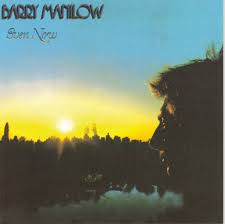
Copacabana (At the Copa)" was released in 1978 as the lead single from Barry Manilow's album Even Now.
Co-written by Barry Manilow, Bruce Sussman, and Jack Feldman, the song tells the memorable story of Lola, Tony, and Rico against the backdrop of the famous New York nightclub. Blending pop, disco, and theatrical storytelling, it became one of Manilow's signature hits, reaching No. 8 on the Billboard Hot 100 and earning the Grammy Award for Best Male Pop Vocal Performance.
Its colourful narrative has inspired music videos, television specials, a stage musical, and a television adaptation, while the infectious chorus and Latin-inspired rhythm continue to make "Copacabana" a favourite for audiences around the world.
What You'll Learn From This Lesson
I play this one in standard tuning with a steady up and down rhythm pattern but no lead required. Play the chords Gbm, Fm, Em, A7, Dmaj7, Bm, Db7 and B7.
Guitar Lesson Details - (chords & lyrics sheet incl with lesson)
Back To Song List
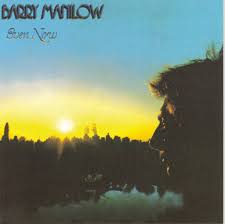
I Can't Smile Without You was released by Barry Manilow in 1978 on the album Even Now. Written by Chris Arnold, David Martin, and Geoff Morrow, the heartfelt ballad became one of Manilow's signature recordings, reaching No. 3 on the Billboard Hot 100 and topping the Adult Contemporary chart.
Although Barry's version made the song famous, it was first recorded by songwriter David Martin, with the Carpenters also recording their own version before Manilow's release. Its warm melody and sincere lyrics have made it a favourite for weddings, concerts, and easy-listening audiences for decades.
The song remains one of Barry Manilow's most beloved performances and a timeless pop standard that continues to resonate with listeners around the world.
I Can't Smile Without You Chords And Strumming
For rhythm here you can play a down down up down up down up and repeat rhythm pattern in standard tuning and no lead. Chords in this one are G, Em, Am, Am7, D7, Dsus, Dm, Cmaj7, G7 and a Gmaj7.
Guitar Lesson Details - (chords & lyrics sheet incl with lesson)
Back To Song List
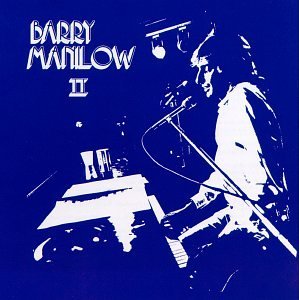
It's A Miracle was released in 1975 as the lead single from Barry Manilow II, becoming Barry Manilow's second Top 20 hit in the United States. Written by Barry Manilow, Marty Panzer, and Bruce Sussman, the upbeat pop anthem reached No. 12 on the Billboard Hot 100 while climbing to No. 1 on the Adult Contemporary chart.
Its infectious melody, energetic rhythm, and optimistic lyrics helped establish Manilow as one of the decade's leading pop entertainers. Although no official music video was produced, the song became a concert favorite through Manilow's many television appearances and live performances.
More than fifty years later, "It's a Miracle" remains one of his most recognizable and enduring hits.
What You'll Learn From This Lesson
I play this one with a capo on the 1st fret in standard tuning with the chords G, F/G, C/ Em, Am, D/C, Bm, D, F and an Adim. The rhythm here is a steady down up down up pattern with no lead required.
Guitar Lesson Details - (chords & lyrics sheet incl with lesson)
Back To Song List
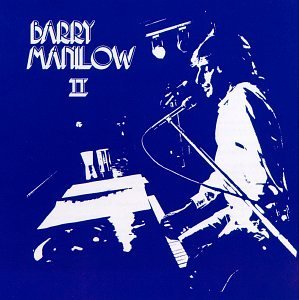
Mandy was released in 1974 as the lead single from Barry Manilow II, becoming Barry Manilow's breakthrough hit and launching his career to international success.
Originally written and recorded by Scott English as "Brandy" in 1971, the song was retitled to avoid confusion with the contemporary hit by Looking Glass. Manilow transformed it into a soaring piano ballad that reached No. 1 on the Billboard Hot 100 and No. 1 on the Adult Contemporary chart.
Although no official music video was produced, frequent television appearances and concert performances helped make it one of his signature songs. "Mandy" has since been covered by numerous artists and remains one of the defining pop ballads of the 1970s.
What You'll Learn From This Lesson
This one is a capo 3rd but too high for me there so with no capo I'm playing a 1-2-3 up down up using some arpeggio and then or you can play a down down up down up down up and repeat rhythm. No lead and in standard tuning with the chords G, Cmaj7, D7, Am, Am/G, F, Em, C, Am7, A, Gbm, E, Bm and an Amaj7.
Guitar Lesson Details - (chords & lyrics sheet incl with lesson)
Back To Song List
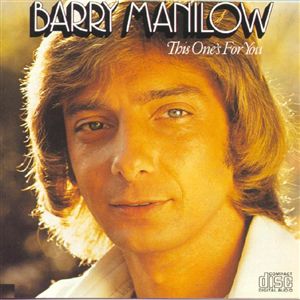
Weekend In New England was released in 1976 as the second single from Barry Manilow's album This One's for You.
Written by Randy Edelman, the heartfelt ballad became one of Manilow's signature recordings, reaching No. 10 on the Billboard Hot 100 and No. 1 on the Adult Contemporary chart. Its emotional lyrics, soaring melody, and unforgettable chorus helped establish the song as one of the defining love ballads of the 1970s.
Although no official music video was produced, Manilow performed it regularly on television specials and in concert, where it quickly became a fan favorite. More than four decades later, "Weekend in New England" remains one of his most enduring and emotionally powerful recordings.
What You'll Learn From This Lesson
I play this in standard tuning and can be played with a root up down up down up for rhythm with no lead required. For chords you'll need a C, F, Em, Am, Dm7, Gsus, G, D7, E, D7sus, Fmaj7, A# and a Dm.
Guitar Lesson Details - (chords & lyrics sheet incl with lesson)
Back To Song List
Chris Montez Songs - Learn To Play On Acoustic Guitar
The More I See You was recorded by Chris Montez and released in 1966 on the album The More I See You. Originally written in 1945 by Harry Warren with lyrics by Mack Gordon for the film Billy Rose's Diamond Horseshoe, the romantic standard had already been recorded by several artists before Montez transformed it into a smooth adult contemporary hit.
His easy-listening arrangement reached No. 16 on the Billboard Hot 100 and became a major success on the Adult Contemporary chart, introducing his music to a whole new audience.
The song marked Montez's successful transition from upbeat rock 'n' roll to sophisticated pop ballads and remains one of his best-known and most enduring recordings.
What You'll Learn From This Lesson
This one I play in standard tuning with the chords F, Gb, G, D7, Gmaj7, Am7, A#, D#, C, Cm and E7 but no lead required. For rhythm play a down down down up - up up up down up down up and repeat rhythm pattern.
Guitar Lesson Details - (chords & lyrics sheet incl with lesson)
Back To Song List
David Soul Songs - Learn To Play On Acoustic Guitar
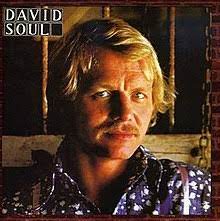
Going In With My Eyes Wide Open was released by David Soul in 1977 on the album Playing to an Audience of One. Written by Barry Mann and Cynthia Weil, the upbeat pop single became another major success for Soul in the United Kingdom, reaching No. 12 on the UK Singles Chart.
Although best known in North America for his role as Detective Kenneth "Hutch" Hutchinson in the television series Starsky & Hutch, Soul also enjoyed a successful recording career with a string of hit singles. While no official music video was produced, he frequently performed the song on British television, where his popularity as a singer rivaled many of the era's biggest recording stars.
Today, the song remains one of the highlights of his music career.
What You'll Learn From This Lesson
Play this one in standard tuning with a few riffs and a down down up down up down up and repeat rhythm pattern. The chords are Bm, G, A7, Gbm, Em and an A.
Guitar Lesson Details - (chords & lyrics sheet incl with lesson)
Back To Song List
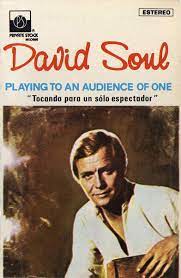
Silver Lady was released by David Soul in 1977 as the lead single from his album Playing to an Audience of One.
Written and produced by Tony Macaulay, the romantic pop ballad became Soul's second No. 1 hit on the UK Singles Chart, where it remained one of the year's biggest-selling singles. The song also topped the charts in Ireland for four weeks and reached the Top 5 in Australia, although it achieved more modest success in the United States, peaking at No. 52 on the Billboard Hot 100.
With its smooth melody and heartfelt vocals, "Silver Lady" helped establish David Soul as a successful international recording artist and remains one of the signature songs of his music career.
What You'll Learn From This Lesson
This one is played in standard tuning but the original key is a capo 2nd fret if you can sing up that high. My version is no capo with a down down up down up down up rhythm pattern and a few picking riffs with the rhythm. For chords you'll need an A, D, E, G, Dbm, Bm, Gbm. Gb, Abm, Am and an F.
Guitar Lesson Details - (chords & lyrics sheet incl with lesson)
Back To Song List
Whether you’re dreaming of the Vegas stage or just strumming at home, these guitar songs bring the showtime sparkle right to your fingertips.
From Barry Manilow’s catchy hooks to Bobby Goldsboro’s emotional storytelling, there’s something here for every player. When you're ready, check out Volume 2 for more Las Vegas guitar gems.
Engelbert Humperdinck Songs - Learn To Play On Acoustic Guitar
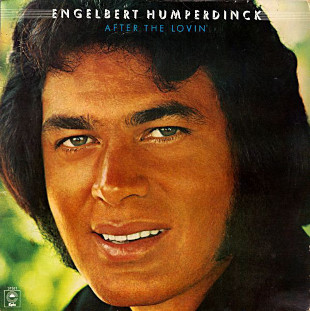
After The Lovin was released in 1976 as the title track from After the Lovin', becoming one of Engelbert Humperdinck's most successful and recognizable recordings. Written by Alan Bernstein and Ritchie Adams, the romantic ballad reached No. 8 on the Billboard Hot 100 and No. 1 on the Adult Contemporary chart, earning Humperdinck a Grammy Award nomination for Best Pop Vocal Performance.
Although no official music video was produced, the song became a highlight of his live concerts and Las Vegas showroom performances, where audiences embraced its heartfelt lyrics and elegant orchestral arrangement.
More than four decades later, "After the Lovin'" remains one of Engelbert Humperdinck's signature songs and a timeless favorite among fans of classic adult contemporary music.
What You'll Learn From This Lesson
Lots of chords in this one including Am, C+6, Am7, D7, Dm7, Em, Fmaj7, A7, Dm7/G, C, Cmaj7, Am/C, Dm, F+6 , G, Bb/D, A#, E7, Am/G, D7/Gb and played with a down up down up down down up and repeat pattern in standard tuning and with no lead.
Guitar Lesson Details - (chords & lyrics sheet incl with lesson)
Back To Song List
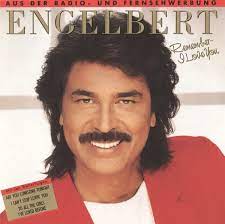
How Do I Stop Loving You was released by Engelbert Humperdinck in 1970 on the album We Made It Happen.
Written by Leona Williams, the heartfelt ballad showcased Humperdinck's rich baritone and emotional delivery, becoming one of the standout recordings from his early 1970s catalogue. Released as a single in several countries, it reached No. 39 on the UK Singles Chart and earned praise for its sweeping orchestral arrangement and unforgettable melody.
Although no official music video was produced, the song became a regular feature of Humperdinck's television appearances and live concerts. Today, "How Do I Stop Loving You?" remains a favourite among fans and is regarded as one of his finest romantic ballads.
What You'll Learn From This Lesson
A capo 1st here is the original key in standard tuning and played with a root up down up and repeat rhythm pattern. Some lead in this version with the chords Em, Cmaj7, B7, Am7, D7, G, Gb, Em/D#, Em/D/, Gmaj7, E7, Cm, Em/A, D7/C, Bm, Esus and Gm.
Guitar Lesson Details - (chords & lyrics sheet incl with lesson)
Back To Song List
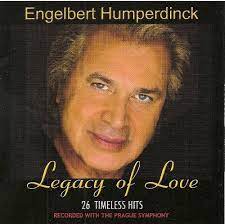
Love Me With All Your Heart was recorded by Engelbert Humperdinck in 1967 and appeared on his album Release Me. The romantic standard is the English-language version of the internationally successful Spanish song "Cuando Calienta el Sol," with English lyrics by Michael Vaughn.
Although it was not released as a major U.S. single for Humperdinck, the song became a popular favourite during his live performances and remained a regular part of his concert repertoire. Its warm melody, gentle Latin influence, and heartfelt lyrics perfectly complemented Humperdinck's smooth vocal style.
More than half a century later, the song continues to be appreciated by audiences around the world as one of the enduring classics of the easy-listening era.
What You'll Learn From This Lesson
I play this one in standard tuning with the chords C, Am, Em, F, G, G7, Dm and A7 with no lead required. Play a root down up down up root up down up and repeat rhythm pattern.
Guitar Lesson Details - (chords & lyrics sheet incl with lesson)
Back To Song List
Michael Buble Songs - Learn To Play On Acoustic Guitar
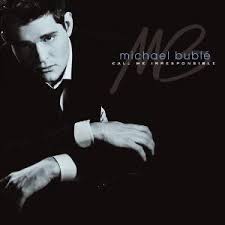
Everything was released in 2007 as the lead single from Michael Bublé's album Call Me Irresponsible.
Co-written by Michael Bublé, Alan Chang, and Amy Foster-Gilles, the upbeat love song became one of Bublé's signature original recordings. Although it peaked at No. 46 on the Billboard Hot 100, it reached No. 1 on the Adult Contemporary chart, where it remained for several weeks.
The accompanying music video features Bublé performing as everyday scenes of love and relationships unfold around him, perfectly reflecting the song's optimistic message. Written for actress Emily Blunt, who was Bublé's partner at the time, "Everything" remains one of his most enduring and recognizable contemporary hits.
What You'll Learn From This Lesson
This one can be played in standard tuning but some lead work here while playing a down up stop up down up stop up and repeat rhythm pattern. The chords here are D, E, Bb-5, A7sus4, Bm, E7, G, Gm, D7, Gb, A, B, Dbm, Ab, Dbm and an Am.
Guitar Lesson Details - (chords & lyrics sheet incl with lesson)
Back To Song List

It's A Beautiful Day was released in 2013 as the lead single from Michael Bublé's album To Be Loved. Co-written by Michael Bublé, Alan Chang, Amy Foster-Gillies, and Al Anderson, the upbeat pop anthem became another major success for Bublé, reaching No. 31 on the UK Singles Chart and No. 1 on the Adult Contemporary chart.
The playful music video follows Bublé celebrating life after a breakup, turning the traditional heartbreak song into an upbeat, feel-good anthem filled with humour and optimism.
Written as what Bublé described as "the happiest breakup song you'll ever hear," the track showcases his playful personality while blending contemporary pop with the timeless charm of the classic crooner style. It remains one of the standout originals from his catalogue.
What You'll Learn From This Lesson
Played in standard tuning but no lead here with the chords C, G, Am, F, Esus, E7, Am/G and an Fmaj7. Play a down down up down up down up and repeat rhythm pattern.
Guitar Lesson Details - (chords & lyrics sheet incl with lesson)
Back To Song List
Paul Anka Songs - Learn To Play On Acoustic Guitar
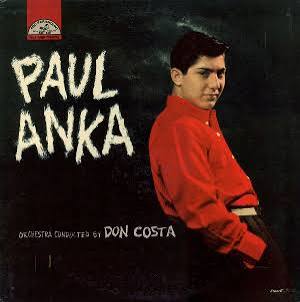
Diana was released by Canadian singer-songwriter Paul Anka in 1957 and became one of the defining hits of early rock and roll. Anka wrote the song as a teenager, reportedly inspired by a crush on an older girl, capturing the excitement and uncertainty of young love.
Recorded in New York City and released by ABC-Paramount Records, it quickly became an international sensation, reaching No. 1 on the Billboard Best Sellers in Stores chart and topping the British singles chart. Its catchy melody, heartfelt lyrics, and youthful energy helped establish Anka as a major teenage star.
Decades later, Diana remains a beloved oldies classic and one of the signature songs of his remarkable career.
What You'll Learn From This Lesson
The original key for this song is in G, but vocally it climbs upwards and get out of my range very quickly. I do show those chords in my lesson but we change to the key of C which is much easier vocally. So this version teaches the song in the key of C using the chords C, Am, F, G and Fm, You'll play a root down up root up down up patter for rhythm and a quick horn break in various places within the song.
Guitar Lesson Details - (chords & lyrics sheet incl with lesson)
Back To Song List
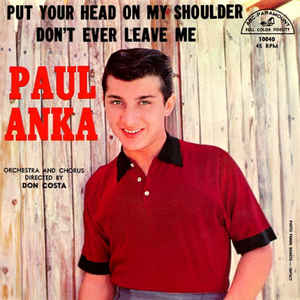
Put Your Head On My Shoulder was released by Paul Anka in 1959, appearing on the album Paul Anka Sings His Big 15. Written by Paul Anka, the romantic ballad became one of his signature hits, reaching No. 2 on the Billboard Hot 100 and cementing his status as one of the era's leading teen idols.
Although no official music video existed, Anka frequently performed the song on television variety shows and throughout his long concert career. Its warm melody, intimate vocal style, and timeless lyrics have inspired countless cover versions by artists including The Lettermen and Michael Bublé.
More than six decades later, "Put Your Head on My Shoulder" remains one of the most enduring love songs of the rock 'n' roll era.
What You'll Learn From This Lesson
Vocally this one is challenging so my arrangement is a bit different and there is no guitar break in the origial version but I've added in a picking break for my version here. This is in standard tuning with a down up down up pattern and then down strokes in another section. With some lead you'll need the chords G, Em, Am, C/G, D7, Gb, Bm, A7, D, Dsus and a Cm.
Guitar Lesson Details - (chords & lyrics sheet incl with lesson)
Back To Song List
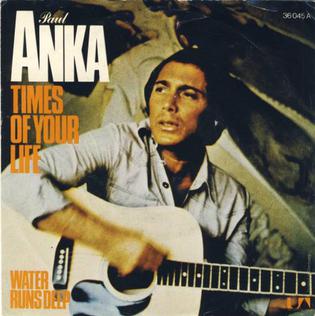
Times Of Your Life was released by Paul Anka in 1975 and later appeared on his album Times of Your Life. Written by Roger Nichols and Bill Lane, the heartfelt ballad first gained widespread attention through Kodak's memorable "Times of Your Life" television advertising campaign before becoming a hit in its own right.
The single reached No. 7 on the Billboard Hot 100 and No. 1 on the Adult Contemporary chart, making it one of Anka's biggest successes of the decade. Although no official music video was produced, the Kodak commercials became closely associated with the song's nostalgic message.
Today, "Times of Your Life" remains a timeless celebration of life's special memories and one of Paul Anka's most beloved recordings.
What You'll Learn From This Lesson
Played in standard tuning with a down down up down up and repeat rhythm pattern and no lead. But another one with a bunch of chords including G, Cmaj7, Gmaj7, Am7, Em, G6, C, A7, Am7, D7, F, Dm7, D, E, Amaj7, Dmaj7 and a Bm.
Guitar Lesson Details - (chords & lyrics sheet incl with lesson)
Back To Song List
Wayne Newton Songs - Learn To Play On Acoustic Guitar
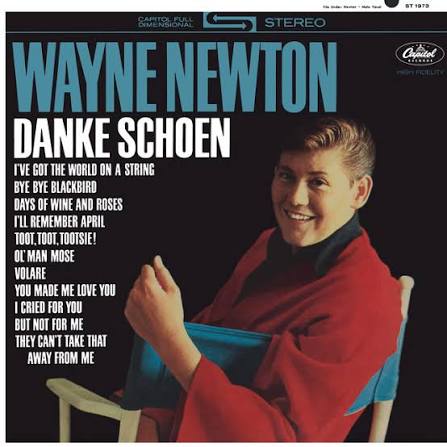
Danke Schoen is one of Wayne Newton's signature recordings and remains one of the most recognizable songs associated with his legendary Las Vegas career.
Released in 1963 on the album Danke Schoen, the song was written by Bert Kaempfert with English lyrics by Milt Gabler, adapted from the original German version by Kurt Schwabach. Meaning "thank you" in German, the song blends elegant orchestration with Newton's smooth vocal style, creating a timeless pop standard that became a major hit on the Billboard charts.
Its sophisticated melody and memorable chorus have made it a favorite in showrooms, films, television, and live performances, helping establish Wayne Newton as one of Las Vegas' most enduring entertainers.
What You'll Learn From This Lesson
Once the rhythm feels natural, Danke Schoen becomes very easy to play with the root down up root up down up rhythm pattern. It feels a bit like a shuffle. Five verses that starts in Eb and you'll climb the fretboard as you play through the verses. No lead but the additional chords here are A#, G#, E, B7, A, E7, F, C7, Gb, Db, Gb7, B, G, D7, G7 and a C.
Guitar Lesson Details - (chords & lyrics sheet incl with lesson)
Back To Song List
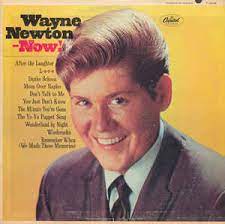
Remember When We Made These Memories was released by Wayne Newton in 1965 and appeared on his album Summer Wind. The nostalgic ballad reached No. 69 on the Billboard Hot 100 while finding an even warmer reception with adult contemporary audiences.
Written by Bert Kaempfert and his collaborators, the song reflects the elegant orchestral style and romantic storytelling that defined much of the mid-1960s easy-listening era. Although no official music video was produced, Newton regularly included the song in his early Las Vegas performances, where his smooth vocal delivery and polished stage presence helped establish him as one of the city's most popular entertainers.
Today, the recording remains a charming example of Wayne Newton's early pop and showroom repertoire.
What You'll Learn From This Lesson
For rhythm here play a root down up root up down up and repeat rhythm pattern in standard tuning and with no lead. Play the chords E, E6, B7, A, Am, B7, C7, F, F6, A# and an A#m.
Guitar Lesson Details - (chords & lyrics sheet incl with lesson)
Back To Song List
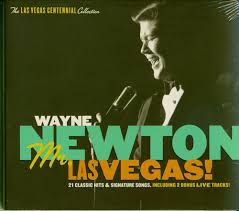
Through The Eyes Of Love was recorded by Wayne Newton in 1967 and appeared on his album Mr. Las Vegas. Released as a single, the romantic ballad reached No. 27 on the Adult Contemporary chart, further establishing Newton as one of the leading vocalists of the easy-listening era.
With its elegant orchestral arrangement and heartfelt performance, the song perfectly suited the sophisticated style that became a hallmark of his Las Vegas showroom appearances. Although no official music video was produced, Newton performed it regularly in concert, where it became a favorite among his audiences.
Today, the recording remains a fine example of Wayne Newton's smooth vocal style and his enduring contribution to classic pop and Vegas entertainment.
What You'll Learn From This Lesson
I play a capo 3rd fret on this one in standard tuning with the chords G, C, D, G7 and F. Play a root down up root up down up rhythm pattern for this one but there is a quick riff you'll want to play which requires a quick shuffle.
Guitar Lesson Details - (chords & lyrics sheet incl with lesson)
Back To Song List
About These Arrangements
- Every lesson features Kirby's own acoustic arrangement.
- Lessons are designed for solo acoustic guitar.
- Each download includes an HD MP4 lesson and printable PDF.
- All preview videos on this page demonstrate the actual arrangement taught in the lesson.
FAQ
1. What is included?
Each purchase includes a zip file
containing an .mp4 video file approx (8-12 min) depending on the song
... Intro to the song, the lesson of my arrangement and a demo of me
playing the song from start to finish)
2. Can I watch on iPad?
Yes all videos are .mp4 video format which can be played universally on most devices including IPads.
3. Can I print the PDF?
Yes
4. Instant download?
Yes
links are automatically sent to your email after purchase ... download
the file within 24hrs of receiving as the download link expires after
that time ... one you have the file download, it never expires.
Thanks for exploring our Las Vegas Pop Headliners Guitar Lessons collection. From timeless ballads and contemporary pop hits to unforgettable live performances, these songs showcase the modern sound of Las Vegas entertainment while remaining fun and rewarding to play on acoustic guitar.
When you're ready to discover even more Vegas classics, be sure to explore our other collections featuring showroom legends, lounge standards, cabaret favorites, and many more iconic performers. Each page offers unique songs, guitar lessons, and artist collections celebrating the rich musical history of Las Vegas. Enjoy the music, and happy playing!
Explore More Vegas style songs ... (click image)
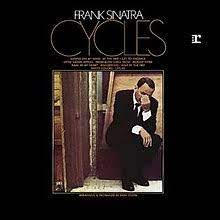
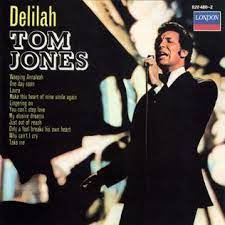
Las Vegas Guitar Songs And Showroom Classics

Kirby Swinemar is an acoustic guitar instructor, performer and song arranger who has taught online for 21 years and created more than 4,000 original acoustic guitar lessons. He specialises in song-based acoustic guitar instruction, rhythm guitar techniques, and creating full-sounding solo arrangements that help beginner and intermediate players move beyond basic strumming.
Explore his work at Kirby's Guitar Lessons and on social media on his social media YouTube Channel and his Facebook Page. Learn more about Kirby on his About Me page.
Latest 100 Tutorials
© 2019–2026 KirbysGuitarLessons.com — All Rights Reserved