Las Vegas Variety Guitar Songs – Easy Acoustic Lessons
Welcome to this collection of Las Vegas Variety Guitar Songs, a fun mix of pop, country-flavored hits, and feel-good favorites that fit perfectly into the broader Vegas entertainment vibe.

Here you’ll find step-by-step acoustic guitar tutorials for Bobby Russell’s “Saturday Morning Confusion,” Tony Orlando’s trio of classics “Candida,” “Knock Three Times,” and “Tie a Yellow Ribbon,” as well as the soulful folk gem “Then I’d Be Satisfied With Life” by Sid Selvidge.
Each lesson includes the chords, strumming patterns, rhythm tips, and helpful playing notes you need to get these songs up and running quickly. Whether you’re refreshing your setlist or adding nostalgic favorites to your lineup, these tunes are great choices for acoustic players of all levels.
🎸 Overview Video -
“Watch This Preview of My
Las Vegas Variety Guitar Songs”
Las Vegas Variety Guitar Songs
1. Bobby Russell - Saturday Morning Confusion2. Sid Selvidge - Then I'd Be Satisfied With Life
5. Tony Orlando - Candida, Knock Three Times, Tie A yellow Ribbon
1. Bobby Russell Songs - Learn To Play On Guitar
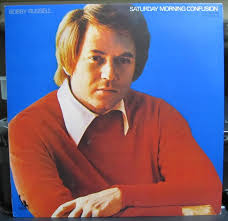
Saturday Morning Confusion was released in 1971 and was written and recorded by Bobby Russell and appeared on his album Saturday Morning Confusion. Issued as a single,
it became one of his biggest hits, reaching No. 28 on the Billboard Hot 100 and climbing to No. 13 on the Adult Contemporary chart. There was no official music video, though Russell performed the song on several TV programs. The track was later covered by Johnny Tillotson and Ray Connor, reflecting its appeal as both a humorous and relatable family-life story.
Russell was already an accomplished songwriter, having penned “Honey” and “Little Green Apples,” and said this song was inspired by watching his own chaotic household on weekends.
Chords And Strumming
This one I play with a capo 3rd fret with mainly down stroke until you get to the last part of the song and then it makes a change to a steady down up down up before changing back to the original rhythm of down strokes. Played in standard tuning with no lead, you'll need the chords G, Am7, D, F, E7, A7, D7, B7, Cm and and Gmaj7 at the end.
Guitar Lesson Details - (chords & lyrics sheet incl with lesson)
Back To Song List
2. Sid Selvidge Songs - Learn To Play On Guitar
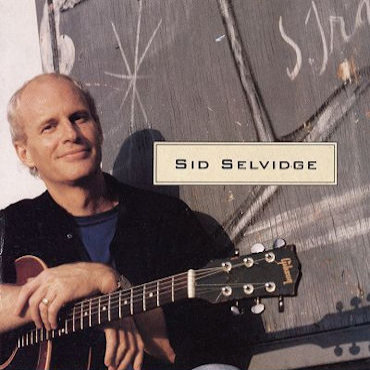
Then I'd Be Satisfied With Life was recorded by Sid Selvidge in the early 1970s and appeared on his cult-favorite 1976 album The Cold of the Morning. The song was not released as a charting single, but it became a regional favorite in Memphis, helped by Selvidge’s rich folk-blues voice and tasteful acoustic guitar work.
No music video exists, though Selvidge often performed it in intimate club settings. The track was later revived when Big Star’s Alex Chilton championed Selvidge’s work in the 1990s, drawing new listeners to the song.
The entire album was recorded in one weekend using a minimalist setup — a “warts-and-all” approach Selvidge preferred for authenticity.
Chords And Strumming
For this one you can play a root down root up down up and repeat rhythm pattern with some lead required in standard tuning. For chords play A, D, G, A7, Bm, E7, Em and a Gb.
Guitar Lesson Details - (chords & lyrics sheet incl with lesson)
Back To Song List
3. Tony Orlando Songs - Learn To Play On Guitar
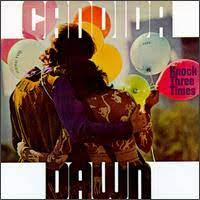
Candida is a 1970s song and appeared on the debut album Candida.
Issued as a single, it became a major international hit, reaching No. 3 on the Billboard Hot 100 and topping charts in Canada and several European countries. Interestingly, Tony Orlando originally recorded the vocal anonymously because he was still working as a music executive and didn’t want to jeopardize his career.
No official video existed, but televised performances became common once the record took off. The song has been covered in multiple languages, including a popular Spanish version. Orlando wasn’t the first choice to sing it — the producers tried four other vocalists before Tony’s version finally locked in the magic.
Chords And Strumming
A capo 2nd fret is the original key here in standard tuning and just a few riff in the rhythm. For chords play a C, G, Dm, C7 and an F with a down up stop up down up stop up and repeat rhythm pattern.
Guitar Lesson Details - (chords & lyrics sheet incl with lesson)
Back To Song List
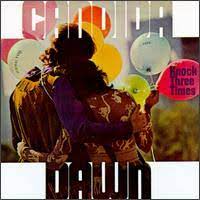
Knock Three Times was not actually credited as a Tony Orlando recording but as a Dawn recording because Orlando secretly recorded the song
without his record label knowing about it as he was working for a competing label at the time as a producer/singer. The song was released as a single in 1970 from his album "Candida" and made it to #1 in several countries including the UK and the US.
In 1971 Billy Crash Craddock took the song to #3 on the country charts.
Chords And Strumming
Played with a capo 2nd fret in standard tuning there is some lead here. Play a root up down up root up down up and repeat rhythm pattern with the chords D, G, A, Em, A7 and a D7.
Guitar Lesson Details - (chords & lyrics sheet incl with lesson)
Back To Song List
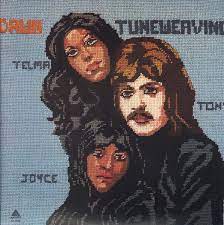
Tie A Yellow Ribbon hit the airwaves in 1973 and was featured on the album Dawn’s New Ragtime Follies, became the group’s biggest hit. The single reached No. 1 on the Billboard Hot 100 and topped charts in ten countries, selling over three million copies in the U.S. alone.
No standard music video was produced, but the group performed it frequently on variety shows. The song has been widely covered, including versions by Burl Ives and Connie Francis.
The “yellow ribbon” symbol became a cultural phenomenon after this song — later used to welcome home soldiers, hostages, and returning loved ones — even though the tradition itself dates back to earlier folk tales.
Chords And Strumming
You can play this one in standard tuning with a root down up down up down up and repeat rhythm pattern. Some lead required with the chords F, Am, Gm, C7, Cm, D7, A#m, Dm, A#7 and an Faug.
Guitar Lesson Details - (chords & lyrics sheet incl with lesson)
Back To Song List
I hope you enjoy working through this Las Vegas-style mix of pop, folk, and easy-listening favorites.
If you’d like to explore more music connected to Vegas performers, be sure to check out the other themed pages in this collection featuring classic showroom legends, modern pop headliners, and vintage lounge-era hits. Each page offers a variety of chord-friendly songs that are fun to play and sound great on acoustic guitar. Thanks for stopping by, and enjoy the music!
If you liked this Las Vegas variety guitar songs page you might also like ... (click image)
Las Vegas Guitar Songs And Showroom Classics
Latest 100 Tutorials
© 2019–2026 KirbysGuitarLessons.com — All Rights Reserved