Ricky Skaggs Guitar Lessons: Country and Bluegrass Songs You Can Play

Few artists have bridged traditional bluegrass and mainstream country music as successfully as Ricky Skaggs. Born in Kentucky, Skaggs helped bring bluegrass influences into Emmylou Harris's music before launching a successful solo country career in the early 1980s with hits like Crying My Heart Out Over You and I Don't Care. His dedication to traditional music also earned him a place in the Grand Ole Opry and numerous Grammy Awards, including recognition for his work with Kentucky Thunder.
On this page, you'll find eight Ricky Skaggs guitar lessons I've arranged for solo acoustic guitar, featuring classic country hits, bluegrass-gospel favorites and When the Roses Bloom Again, his memorable duet with Barry Gibb.
These lessons cover everything from straightforward country strumming and connecting bass runs to fiddle-inspired melodies, instrumental picking and more challenging chord progressions. Whether you're just getting started or looking to expand your country and bluegrass guitar skills, there's plenty here to explore.
Ricky Skaggs Guitar Lessons — Video Previews
performance clips taken directly from the complete lesson videos.
Click Play, then drag the timeline to quickly preview any Ricky Skaggs lesson featured on this page.
Note: Every arrangement has been personally created, recorded and taught by Kirby
using teaching methods refined through decades of acoustic guitar instruction.
What's Included With Every Lesson
📦 Your Lesson Package Includes
✓ 8–12 minute HD video lesson so you can learn each song step-by-step.
✓ Printable chords & lyrics PDF for easy practice away from the screen.

✓ Instant download—start playing in minutes.
✓ Learn at your own pace on any device.
New to Ricky Skaggs? Start Here!
If you're new to playing Ricky Skaggs songs on acoustic guitar, these lessons offer a great introduction to his blend of traditional country, bluegrass and gospel music. Whether you're looking for a straightforward rhythm arrangement or something with more challenging picking and chord changes, here are three suggested starting points.
1. Start with Let It Be You — Build Your Country Rhythm
With just three chords (G, C and D) and one repeating rhythm pattern, Let It Be You is a good place to begin. You'll learn a steady country accompaniment before adding connecting bass runs, a main instrumental picking section and an ending melody. Start with the basic rhythm and build up the arrangement as your confidence improves.
2. Try Crying My Heart Out Over You — Develop Your Bass Runs and Picking
Once you're comfortable with country rhythm, Crying My Heart Out Over You introduces more movement between the chords. You'll work with five familiar chords, connecting bass runs and an opening fiddle melody adapted for acoustic guitar. The additional instrumental picking section makes this a good next step for developing your country-bluegrass guitar skills.
3. Challenge Yourself with Somebody's Praying — Master Chord Changes and Timing
If you're ready for something more demanding, Somebody's Praying offers a different kind of challenge. Rather than concentrating on lead guitar, this country-gospel arrangement features numerous chord changes, including several that happen quickly, along with carefully timed pauses. The strumming pattern itself is straightforward, allowing you to focus on smooth transitions, rhythm control and accompanying the vocals.
These three lessons provide a natural progression from basic country strumming to melodic picking and more advanced chord work. Once you're comfortable with them, explore the remaining Ricky Skaggs lessons below for more bluegrass picking, traditional gospel arrangements and acoustic country favorites.
Ricky Skaggs Guitar Lessons Included On This Page
Don't Cheat In Our Hometown Guitar Lesson
Gone Home Guitar Lesson
I Don't Care Guitar Lesson
Let It Be You Guitar Lesson
Little Mountain Church House Guitar Lesson
Somebody's Praying Guitar Lesson
When The Roses Bloom Again Guitar Lesson
Crying My Heart Out Over You - Learn To Play On Acoustic Guitar
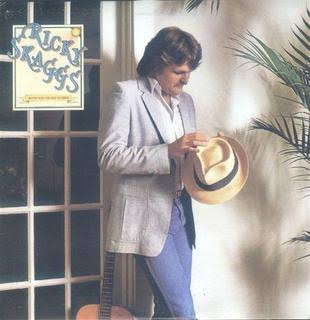
Crying My Heart Out Over You gave Ricky Skaggs his first No. 1 country hit, but it started life as a bluegrass record.
Carl Butler, Lester Flatt, Earl Scruggs and Earl Sherry are credited as writers, and Flatt & Scruggs took it to No. 21 on the country chart in 1960. Skaggs, who had helped shape Emmylou Harris’s bluegrass-flavored sound, produced his own version for Waitin’ for the Sun to Shine, and Epic released it in December 1981 as the album’s third single.
It reached No. 1 in April 1982 and charted for 23 weeks, was Billboard’s No. 4 country song of the year and earned a CMA Single of the Year nomination.
What You'll Learn From This Lesson
In this acoustic guitar lesson for Crying My Heart Out Over You by Ricky Skaggs, you'll learn to play this country-bluegrass classic in standard tuning using G, C, D, D7 and Am chords. The arrangement features a steady root-down-up-bass-up-down-up rhythm pattern that provides the driving country feel behind the song.
We'll also cover several connecting bass runs that help smooth out the chord changes while keeping the rhythm flowing. You'll learn how to adapt the song's recognizable fiddle intro for acoustic guitar, along with a main instrumental picking section that adds melody to your solo arrangement. Together, these elements help capture the lively bluegrass character of the original recording using just one guitar.
Practice Tip: Begin by learning the chords and getting comfortable with the main rhythm pattern. Next, work the connecting bass runs into your chord changes without interrupting the beat. Once your accompaniment feels natural, learn the fiddle-inspired opening riff, followed by the main guitar picking section. Finally, bring everything together with your vocals for a complete acoustic performance.
Guitar Lesson Details - (chords & lyrics sheet incl with lesson)
Back To Song List
Don't Cheat In Our Hometown - Learn To Play On Acoustic Guitar

Don't Cheat In Our Hometown was written by Ray Pennington and Roy E. Marcum, and the Stanley Brothers first recorded it in 1963 for the King Records album The Country Folk Music Spotlight, in sessions produced by Pennington.
Ricky Skaggs gave it new life in November 1983 as the first single and title track from his sixth studio album, which he produced himself. It spent one week at No. 1 on Billboard’s country chart, 12 weeks in all, and was also No. 1 in Canada, making it his sixth No. 1 hit.
The album topped the country albums chart and was certified gold in the U.S. and platinum in Canada. Dolly Parton sang harmony on two of its tracks.
What You'll Learn From This Lesson
In this acoustic guitar lesson for Don't Cheat in Our Hometown by Ricky Skaggs, you'll learn to play this classic country favorite in standard tuning using just three chords: E, A and B7. My arrangement is played without a capo, although placing one on the 1st fret will raise the key to match the original recording. The song features a steady root-down-up-root-up-down-up rhythm pattern that provides a traditional country accompaniment.
We'll also cover several connecting bass runs that help smooth out the chord changes, along with an opening guitar riff and a short instrumental picking section that uses a slight variation of that same melody. To complete the arrangement, you'll learn a short sliding guitar riff that provides a distinctive ending rather than simply stopping on the final chord.
Practice Tip: Begin by learning the three chords and getting comfortable with the repeating rhythm pattern. Next, work the bass runs into your chord transitions while maintaining a steady beat. Once the accompaniment feels natural, learn the opening riff followed by the modified lead picking section. Finally, practice the short ending slide riff before bringing everything together into a complete solo acoustic performance.
Guitar Lesson Details - (chords & lyrics sheet incl with lesson)
Back To Song List
Gone Home - Learn To Play On Acoustic Guitar

Gone Home is an old gospel number about friends and loved ones who have passed on, with a refrain built on the words “gone home.”
Bill Carlisle wrote it, and Carl Story and His Rambling Mountaineers first recorded it in 1955. It’s sometimes listed as “They Have Gone Home.” The Goins Brothers, The Country Gentlemen, Grandpa Jones and others have recorded it over the years. Ricky Skaggs and Kentucky Thunder recorded their version for Soldier of the Cross, a gospel album released on September 14, 1999, on Skaggs Family Records.
The track runs 3 minutes and 13 seconds, and the album earned the group a Grammy for Best Southern, Country, or Bluegrass Gospel Album.
What You'll Learn From This Lesson
In this acoustic guitar lesson for Gone Home by Ricky Skaggs, you'll learn to play this bluegrass-country gospel favorite in standard tuning using a capo on the 4th fret, with the three main chords G, C and D. We'll also introduce an optional A7 chord that Skaggs began incorporating into his live performances. I've added it to the final chorus so you can hear the difference, but you're free to use it throughout the song or leave it out entirely. Skaggs has also performed the song with a capo on the 3rd fret, lowering the key slightly to make the vocals more comfortable.
For the accompaniment, you'll learn a steady root-down-up-down-up rhythm pattern that keeps the song moving while supporting the melody. The arrangement also includes an opening guitar picking passage that returns midway through the song and again near the ending. You'll learn a slightly modified version of this same picking melody for the main instrumental lead section, giving you several recognizable musical passages to blend into your acoustic performance.
Practice Tip: Start by learning the three main chords and getting comfortable with the repeating rhythm pattern. Add the optional A7 chord once the basic progression feels natural, and listen to how it changes the sound of the chorus. Next, practice the opening picking passage and its repeated appearances before moving on to the modified lead section. Finally, bring the rhythm, picking and vocals together, adjusting the capo position if needed to suit your singing range.
Guitar Lesson Details - (chords & lyrics sheet incl with lesson)
Back To Song List
I Don't Care - Learn To Play On Acoustic Guitar
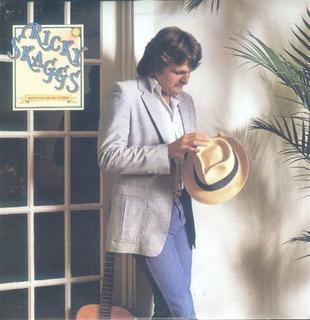
I Don't Care gave Ricky Skaggs his second No. 1 hit and revived a Webb Pierce classic from 1955. Pierce and songwriter Cindy Walker wrote it, and Pierce’s original spent 12 weeks at the top of the country chart that summer.
Skaggs slowed it down and produced his own version for Waitin’ for the Sun to Shine, and Epic released it in April 1982 as the album’s fourth single. It spent one week at No. 1 on Billboard’s country chart on July 31, 1982, and reached No. 2 in Canada.
It was one of the last big hits for Walker, who also wrote “You Don’t Know Me” and, with Bob Wills, “Sugar Moon.”
What You'll Learn From This Lesson
In this acoustic guitar lesson for I Don't Care by Ricky Skaggs, you'll learn to play this lively country-bluegrass favorite using a capo on the 3rd fret and the chords D, G, A, Ab, A7 and E7. My arrangement uses Drop D tuning to add a deeper bass sound to the accompaniment, although this tuning is optional if you prefer to remain in standard tuning.
For the rhythm, you'll learn a steady root-down-up-root-up-down-up pattern that provides the driving country feel behind the song. We'll also work through several connecting bass runs that blend into the strumming and help create smoother transitions between chords. The arrangement begins with an opening guitar picking riff, and later you'll learn a separate melody picking section that adds another instrumental dimension to your solo acoustic performance.
Practice Tip: Begin by learning the chord progression and getting comfortable with the repeating rhythm pattern, paying particular attention to the changes involving Ab. Next, work the connecting bass runs into your accompaniment while maintaining a steady beat. Once the rhythm feels natural, return to the opening picking riff and practice it separately before tackling the main melody picking section. Finally, combine the rhythm, bass runs and picking with your vocals for a complete acoustic arrangement.
Guitar Lesson Details - (chords & lyrics sheet incl with lesson)
Back To Song List
Let It Be You - Learn To Play On Acoustic Guitar
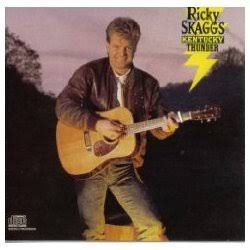
Let It Be You was written by Kevin Welch and Harry Stinson, and it became a top-5 country hit for Ricky Skaggs in 1989.
Epic released it in July of that year as the second single from the album Kentucky Thunder, which Skaggs produced with Steve Buckingham, following “Lovin’ Only Me,” his final No. 1. It reached No. 5 on Billboard’s country chart and No. 3 in Canada, with “Fields of Home” on the flip side.
The album’s third single, “Heartbreak Hurricane,” reached No. 13. Welch is also the singer-songwriter behind “Beneath My Wheels,” and Stinson co-produced Welch’s 1992 album Western Beat.
What You'll Learn From This Lesson
In this acoustic guitar lesson for Let It Be You by Ricky Skaggs, you'll learn to play this classic country song in standard tuning using just three chords: G, C and D. The original recording uses a capo on the 1st fret, but you can leave it off to lower the key if the vocals are a little too high for your range. For the accompaniment, you'll learn a steady root-down-up-down-up-down-up rhythm pattern that provides a lively country feel while keeping the chord progression simple and manageable.
We'll also cover several connecting bass runs that help smooth out the chord changes and add movement to the rhythm. Beyond the accompaniment, you'll learn a main instrumental picking section along with a separate ending picking passage, giving you the melodic touches needed to turn a basic three-chord song into a more complete solo acoustic arrangement.
Practice Tip: Begin by learning the three chords and getting comfortable with the repeating rhythm pattern. Next, work the connecting bass runs into your chord changes while keeping the strumming steady. Once the accompaniment feels natural, practice the main instrumental picking section separately, followed by the ending picking passage. Finally, bring everything together with your vocals, using or removing the capo depending on which key feels most comfortable.
Guitar Lesson Details - (chords & lyrics sheet incl with lesson)
Back To Song List
Little Mountain Church House - Learn To Play On Acoustic Guitar
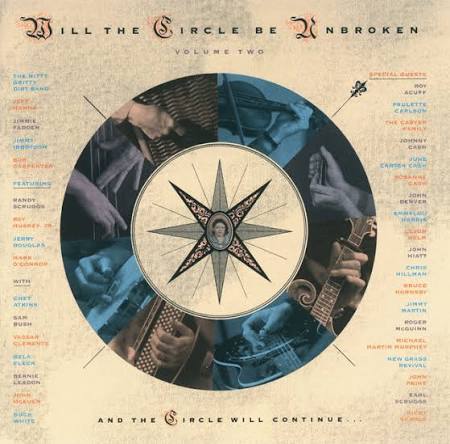
Little Mountain Church House is a nostalgic gospel song about a country church where families gathered on Sundays, the preacher taught the straight and narrow, and the singing carried through an all-day service with dinner on the ground.
Carl Jackson and Jim Rushing wrote it, and it was first recorded by the Nitty Gritty Dirt Band with Ricky Skaggs on Will the Circle Be Unbroken: Volume Two, released May 1, 1989, an album that won the CMA’s Album of the Year.
Doyle Lawson & Quicksilver released their version that July, and it won the International Bluegrass Music Association’s Song of the Year in 1990. George Hamilton IV’s later recording was a 2005 Dove Award nominee.
What You'll Learn From This Lesson
In this acoustic guitar lesson for Little Mountain Church House by Ricky Skaggs, you'll learn to play this traditional bluegrass-gospel favorite in standard tuning using the chords D, G, A, Am and D7. The arrangement is played in the key of D, which places the melody in a fairly high vocal range, so you may want to consider a lower key if you're singing along. For the accompaniment, you'll learn a steady root-down-up-down-up-down-up rhythm pattern that provides the driving country-bluegrass feel behind the song.
We'll also cover several connecting bass runs that help smooth out the chord changes and add movement to the rhythm. One of the highlights of this arrangement is the instrumental picking, with three distinct sections to learn: an opening picking sequence that introduces the song, a different main instrumental picking break, and a third picking passage that brings the song to a close. These melodic sections help capture the traditional bluegrass character while making the arrangement suitable for a solo acoustic performance.
Practice Tip: Begin by learning the five chords and getting comfortable with the repeating rhythm pattern. Next, work the connecting bass runs into your chord transitions while keeping the accompaniment steady. Once the rhythm feels natural, practice the three picking sections separately, beginning with the intro, followed by the main instrumental break and finally the outro. Then bring everything together with your vocals for a complete acoustic arrangement.
Guitar Lesson Details - (chords & lyrics sheet incl with lesson)
Back To Song List
Somebody's Praying - Learn To Play On Acoustic Guitar
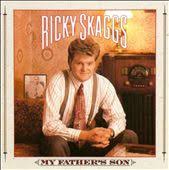
Somebody's Praying is a gospel song about the comfort of knowing that someone is praying for you. John G. Elliott wrote it, and he played piano and wrote the string arrangement on Ricky Skaggs’ recording, which appears on Skaggs’ 1991 Epic album My Father’s Son.
Skaggs produced the album with Mac McAnally, and its family-centered songs drew interest from Christian music fans. The lyrics speak of feeling those prayers, with angels watching and mighty hands guiding the singer through the miles still ahead.
The track runs 4 minutes and 33 seconds. Skaggs later sang it with Bill and Gloria Gaither and their Homecoming friends on A Billy Graham Music Homecoming in 2001.
What You'll Learn From This Lesson
In this acoustic guitar lesson for Somebody's Praying by Ricky Skaggs, you'll learn to play this heartfelt country-gospel song in standard tuning with a capo on the 4th fret. The arrangement uses the chords D, Em, Gb, Bm, C, A7sus, A7, A, D/Gb, Gbsus, Gbm and Ddim, before finishing on a B chord. While there are quite a few chords to work through, the accompaniment uses just one down-down-up-down-down-up rhythm pattern, allowing you to concentrate on the progression and the timing of the changes.
Unlike some of the other Ricky Skaggs arrangements, there are no instrumental lead or picking sections in this lesson. Instead, the challenge comes from several quick chord transitions and carefully placed pauses that help shape the song's gospel feel. You'll learn how to move smoothly between the chords, maintain a consistent strumming pattern, and recognize where the rhythm needs to stop and resume to complement the vocal melody.
Practice Tip: Begin by familiarizing yourself with the chord shapes, paying particular attention to the less common chords and the places where several changes occur close together. Next, practice the down-down-up-down-down-up rhythm pattern until it feels comfortable. Work through the song in sections, concentrating on the quicker chord transitions and the timing of the pauses before adding your vocals. Once those elements are secure, bring everything together for a smooth, expressive acoustic performance.
Guitar Lesson Details - (chords & lyrics sheet incl with lesson)
Back To Song List
When The Roses Bloom Again - Learn To Play On Acoustic Guitar

When the Roses Bloom Again is a sentimental war ballad from 1901, written by Will D. Cobb and Gus Edwards and based on an old Irish folk tune. It tells of a soldier and his sweetheart strolling at dusk, then of a dying soldier who asks his captain to carry him to a distant river where roses bloom and a little girl waits.
This version comes from July 28, 2012, when Ricky Skaggs invited Bee Gees star Barry Gibb to make his Grand Ole Opry debut. Backed by Skaggs’ band Kentucky Thunder, Gibb sang the old ballad, then performed the Bee Gees hits “To Love Somebody” and “How Can You Mend a Broken Heart.”
Gibb had also given Skaggs his song “Soldier’s Son” for the album Music to My Ears.
What You'll Learn From This Lesson
In this acoustic guitar lesson for When the Roses Bloom Again by Ricky Skaggs and Barry Gibb, you'll learn to play this heartfelt country-bluegrass ballad in standard tuning using the chords D, D7, G, A7 and A. Although Skaggs and Gibb performed the song in the key of G, my arrangement is played in D to make the vocals more comfortable. For the accompaniment, you'll learn a steady root-down-up-down-up-down-up rhythm pattern that provides a gentle, flowing country feel while allowing the song's emotional storytelling to remain the focus.
We'll also cover several connecting bass runs that help smooth out the chord changes and add movement to the accompaniment. The arrangement includes an opening guitar picking riff, a separate main instrumental picking section, and a return to the opening riff near the end of the song. These melodic passages help create a complete solo acoustic arrangement while preserving the traditional character and reflective mood of the original performance.
Practice Tip: Begin by learning the five chords and getting comfortable with the repeating rhythm pattern. Next, work the connecting bass runs into your chord transitions while keeping the accompaniment steady and relaxed. Once the rhythm feels natural, practice the opening picking riff followed by the main instrumental section. Finally, work on bringing back the opening riff near the ending before combining everything with your vocals for a complete acoustic performance.
Guitar Lesson Details - (chords & lyrics sheet incl with lesson)
Back To Song List
Ricky Skaggs Guitar Lessons – Frequently Asked Questions
1. What is the easiest Ricky Skaggs song to learn on acoustic guitar?
Let It Be You is a good starting point for beginners because it uses just three chords — G, C and D — along with one repeating rhythm pattern. You can begin with the basic strumming accompaniment before adding the connecting bass runs and instrumental picking sections as your skills improve.
2. Do I need a capo to play Ricky Skaggs songs?
Not for every song. Several arrangements can be played without a capo, while others use one to match a particular key or make the guitar parts easier to play. For example, Gone Home uses a capo on the 4th fret, I Don't Care uses one on the 3rd fret, and Somebody's Praying uses one on the 4th fret. Let It Be You uses a capo on the 1st fret to match the original recording, but you can remove it to lower the key for singing.
3. Are these Ricky Skaggs guitar lessons played in standard tuning?
Yes, all eight lessons can be played in standard tuning. The one exception worth mentioning is I Don't Care, where I use optional Drop D tuning to produce a deeper bass sound in the rhythm accompaniment. You can still play that song in standard tuning if you prefer.
4. Which Ricky Skaggs lessons include guitar picking and lead sections?
Several arrangements include instrumental picking. Crying My Heart Out Over You features a fiddle-inspired opening riff and a separate picking section, while Little Mountain Church House includes three distinct picking passages: an intro, a main instrumental break and an outro. Gone Home, Don't Cheat in Our Hometown, I Don't Care, Let It Be You and When the Roses Bloom Again also include picking sections. Somebody's Praying focuses entirely on rhythm and chord changes without a lead break.
5. What strumming patterns are used in these Ricky Skaggs lessons?
The lessons feature several traditional country and bluegrass-influenced rhythm patterns, many of which begin with a bass or root note followed by down-up strumming. For example, Crying My Heart Out Over You uses a root-down-up-bass-up-down-up pattern, while Gone Home uses root-down-up-down-up. Somebody's Praying features a simpler down-down-up-down-down-up pattern. Each lesson explains the rhythm used in that particular arrangement.
6. Which Ricky Skaggs song is best for learning country guitar bass runs?
Crying My Heart Out Over You is a good choice because it combines a steady country rhythm with connecting bass runs and instrumental picking. Don't Cheat in Our Hometown, I Don't Care, Let It Be You and Little Mountain Church House also include bass runs that help connect the chords while maintaining the rhythm. These techniques are useful for developing a fuller solo acoustic guitar sound.
7. Are these Ricky Skaggs guitar lessons suitable for beginners or intermediate players?
There's a mixture of both. Songs such as Let It Be You offer approachable chord progressions and repeating rhythm patterns, making them good starting points for newer players. More involved arrangements, such as Little Mountain Church House, introduce multiple picking sections, while Somebody's Praying challenges players with numerous chords, quick transitions and carefully timed pauses. Each lesson can be approached in stages, beginning with the chords and rhythm before adding the more demanding elements.
Thanks for spending some time exploring the music of Ricky Skaggs. From his lively country hits to the heartfelt gospel and bluegrass songs, these arrangements offer a variety of ways to develop your acoustic guitar playing while enjoying some wonderful traditional music.
If you're new to these songs, begin with the chords and basic rhythm patterns before working in the connecting bass runs, instrumental picking and other details that give each arrangement its character. Take your time, choose songs that suit your playing ability and vocal range, and most importantly, enjoy the process. I'll continue adding more Ricky Skaggs guitar lessons as I record them, so be sure to check back for new additions.
Explore More Country Guitar Lessons ... (click images)


Home Page
Very Easy Country Guitar Songs

Kirby Swinemar is an acoustic guitar instructor, performer and song arranger who has taught online for 21 years and created more than 4,000 original acoustic guitar lessons. He specialises in song-based acoustic guitar instruction, rhythm guitar techniques, and creating full-sounding solo arrangements that help beginner and intermediate players move beyond basic strumming.
Explore more of Kirby's work at Kirby's Guitar Lessons, watch his performances and tutorials on his YouTube Channel or follow him on Facebook. You can also learn more about his teaching background on the About Me page.
Latest 100 Tutorials
© 2019–2026 KirbysGuitarLessons.com — All Rights Reserved