Steve Earle Guitar Lessons – 16 Acoustic Songs

Explore 16 Steve Earle guitar lessons featuring acoustic arrangements of country, folk and roots-rock favourites, including Copperhead Road, Guitar Town, Someday and The Galway Girl. Each lesson includes a video demonstration, chord information and a breakdown of the rhythm patterns, riffs and picking techniques used in the arrangement.
Whether you're working on steady country strumming, drop D tuning, bass-note patterns or melodic picking, you'll find plenty of opportunities to develop your guitar playing while exploring Steve Earle's distinctive musical style.
Steve Earle Guitar Lessons — Video Previews
The first 8 videos are in this embedded video and the second set are available from the clickable button below.
performance clips taken directly from the complete lesson videos.
Click Play, then drag the timeline to quickly preview any Steve Earle lesson featured on this page.
Note: Every arrangement has been personally created, recorded and taught by Kirby
using teaching methods refined through decades of acoustic guitar instruction.
What's Included With Every Lesson
📦 Your Lesson Package Includes
✓ 8–12 minute HD video lesson so you can learn each song step-by-step.
✓ Printable chords & lyrics PDF for easy practice away from the screen.

✓ Instant download—start playing in minutes.
✓ Learn at your own pace on any device.
New to Steve Earle? Start Here
Steve Earle's music brings together country, folk and roots rock, with guitar arrangements that emphasize strong rhythms, memorable riffs and storytelling. Whether you're interested in developing your acoustic rhythm playing or adding more melodic picking to your arrangements, these lessons offer several ways to explore his music.
Start With Rhythm and Chord Changes
Goodbye's All We Got Left is a good starting point for working on steady down-up strumming and quick rhythmic shuffles. From there, try Hurtin' Me Hurtin' You, which introduces an arpeggio opening before moving into a repeating strumming pattern.
For something with more energy, Hard-Core Troubadour combines a faster country-rock rhythm with guitar riffs and a separate lead break.
Develop Your Bass-Note and Rhythm Techniques
If you'd like to explore bass-note playing, start with Down the Road, which uses a repeating root-note strumming pattern and a melody picking break.
Next, try Hillbilly Highway, where drop D tuning, a recurring bass riff and a root-note rhythm pattern work together to create a fuller sound.
Someday builds on these techniques by combining a steady rhythm with chop strumming, a recurring bass riff and a longer descending bass line near the end.
Explore Riffs and Melodic Picking
For students interested in combining strumming with individual guitar notes, The Galway Girl offers several picking sequences blended directly into its lively rhythm.
The Devil's Right Hand introduces occasional hammer-ons and a melody-line picking break, while Copperhead Road brings together drop D tuning, recognizable opening riffs and a separate picking section.
These arrangements provide opportunities to develop your rhythm and picking techniques while exploring the different musical styles found throughout Steve Earle's catalog.
Steve Earle Guitar Lessons Included On This Page
Overview Video 1 — Songs 1–8Down The Road Guitar Lesson
Goodbye's All We Got Left Guitar Lesson
Guitar Town Guitar Lesson
Hard-Core Troubadour Guitar Lesson
Hillbilly Highway Guitar Lesson
Hurtin' Me Hurtin' You Guitar Lesson
Johnny Come Lately Guitar Lesson
Overview Video 2 — Songs 9–16
Lookin' For A Woman Guitar Lesson
Nowhere Road Guitar Lesson
Now She's Gone Guitar Lesson
NYC Guitar Lesson
Someday Guitar Lesson
The Devil's Right Hand Guitar Lesson
The Galway Girl Guitar Lesson
The Mercenary Song Guitar Lesson
🎁 Free Demo Preview & Free Lesson
Scroll down to check out a completely free demo on Steve Earl's “Guitar Town”or view the free lesson for "Copperhead Road", part of my free lesson series on YouTube.
Copperhead Road
- Learn To Play On Acoustic Guitar

Copperhead Road was written and recorded by Steve Earle and released in 1988 as the title track from his third studio album. Blending country, bluegrass influences and hard-driving rock, the song tells the story of three generations of Appalachian outlaws.
Beginning with a family moonshine operation, the narrative eventually follows a Vietnam veteran who returns home and turns to growing marijuana on the family property. Its distinctive opening mandolin riff and powerful guitar arrangement helped make it one of Earle's signature recordings.
The song reached #10 on Billboard's Mainstream Rock chart and #45 in the UK. It also inspired a popular line dance that has remained associated with the song for decades.
What You'll Learn From This Lesson
Copperhead Road is played in drop D tuning using just two chords: D and G. You'll learn how to play the opening bagpipe riff on guitar, followed by the recognizable mandolin riff and several guitar riffs throughout the song.
The main strumming pattern is down, down, down-up, down-up, which you'll use during the mandolin section and carry into the guitar leads and riffs, blending them with the rhythm. The arrangement also includes some chop rhythm to help capture the song's driving country-rock feel.
Start by learning the chords and rhythm, then work on the bagpipe intro and mandolin riff while maintaining your strumming. Once those sections are comfortable, move on to the guitar picking break and additional riffs to complete the arrangement.
Guitar Lesson Details - (chords & lyrics sheet incl with lesson)
Back To Song List
Down The Road - Learn To Play On Acoustic Guitar

Down The Road closes Steve Earle's acclaimed 1986 debut album Guitar Town, bringing the record to a reflective conclusion. Written by Earle with songwriting credits also shared by Tony Brown and Jimbeau Hinson, the song explores loneliness, restlessness and the urge to keep moving when life becomes uncertain.
Interestingly, Earle wrote it shortly after completing the album's title track, deliberately creating two songs that would serve as the opening and closing chapters of the record. Producer Tony Brown contributed the opening line, while Emory Gordy Jr. supplied the distinctive mandolin accompaniment.
Although never released as a single, the song remains an important part of the album's storytelling and its recurring themes of life on the road.
What You'll Learn From This Lesson
Down the Road was originally played with a capo on the 1st fret, but my arrangement uses standard tuning with no capo. The song features four chords — G, Em, C and D — with a steady root, down-up, root, up-down-up rhythm pattern that continues throughout.
You'll also learn a melody picking break that blends with the rhythm pattern, adding another dimension to the acoustic arrangement.
Start by learning the four chords, then concentrate on developing a consistent root-note strumming pattern. Once you're comfortable with the chord changes and rhythm, return to the melody picking break and practice blending it smoothly with the strumming.
Guitar Lesson Details - (chords & lyrics sheet incl with lesson)
Back To Song List
Goodbye's All We Got Left - Learn To Play On Acoustic Guitar

Goodbye's All We Got Left was written by Steve Earle and appeared on his groundbreaking 1986 debut album Guitar Town.
Released as the album's fourth single in January 1987, the song climbed to #8 on the US Billboard country chart and #10 in Canada. Its lyrics explore a relationship that has reached the point where separation seems inevitable, capturing the sadness and resignation of two people who have run out of reasons to stay together.
The recording helped establish Earle as a distinctive voice in country music, combining traditional influences with a more contemporary, roots-oriented sound. It became one of two Top 10 country singles from Guitar Town.
What You'll Learn From This Lesson
Goodbye's All We Got Left is played with a capo on the 7th fret using four chords: G, C/G, D and D/Gb. The song features a steady down-up, down-up strumming pattern, with a few quick rhythmic shuffles added throughout to capture its lively country-rock feel.
Although there's a lead break in the song, this arrangement focuses mainly on rhythm guitar, without additional riffs or individual picking notes to learn.
Start by getting comfortable with the four chord shapes, then work on maintaining a consistent down-up strumming pattern. Once the rhythm feels natural, introduce the quick shuffles at the appropriate points to give the arrangement its distinctive movement and energy.
Guitar Lesson Details - (chords & lyrics sheet incl with lesson)
Back To Song List
Guitar Town - Learn To Play On Acoustic Guitar

Guitar Town became Steve Earle's breakthrough country hit when it was released in June 1986 as the second single from his debut album of the same name.
Written by Earle, the energetic country-rock song captures the restless life of a travelling musician, chasing dreams from one town to another. It reached #7 on both the American and Canadian country charts, becoming his highest-charting country single. An interesting controversy surrounded one lyric referencing a Japanese-made guitar.
The original album recording used the phrase "Jap guitar," but concerns about its potentially offensive wording prompted producer Tony Brown to request a change to "cheap guitar" for the radio single. Earle later confirmed the alteration in interviews.
What You'll Learn From This Lesson
Guitar Town is played in drop D tuning, allowing you to use the deep bass D note during the picking sections. The arrangement features a root, down-up, bass, up-down-up rhythm pattern while moving through the G, C and D chords.
You'll also learn several guitar riffs throughout the song, along with a separate lead guitar break. The combination of alternating bass notes, steady strumming, and picking gives this arrangement its driving country-rock feel.
Start by learning the three chords and rhythm pattern, then introduce the bass notes to develop the full accompaniment. Once you're comfortable with those elements, return to the guitar riffs and lead break, practicing each section separately before blending everything into the complete arrangement.
Guitar Lesson Details - (chords & lyrics sheet incl with lesson)
Back To Song List
Hard-Core Troubadour
- Learn To Play On Acoustic Guitar

Hard-Core Troubadour appeared on Steve Earle's 1996 album I Feel Alright, released during a remarkable comeback in his career. Written by Earle, the song portrays a restless, hard-living romantic who repeatedly returns to a relationship despite knowing he won't stay.
Its blend of country, rock and rebellious attitude reflects the musical identity Earle had developed throughout his career. Interestingly, Earle began composing the melody several years earlier but completed the lyrics while undergoing treatment for drug addiction.
The song was released as a single in the UK and also appeared on a promotional CD in the United States. It remains a memorable example of Earle's ability to combine humour, vulnerability and personal experience in his songwriting.
What You'll Learn From This Lesson
Hard-Core Troubadour is played in standard tuning using four chords: G, Em, C and D. The song has a fast-paced, catchy country-rock feel, driven by a steady down-up, down-up strumming pattern and several quick chord changes throughout.
You'll begin with a short opening riff sequence before moving into the main rhythm. The arrangement also includes several guitar riffs between sections and a dedicated lead guitar break that combines slides and picking riffs to capture the song's energetic character.
Start by learning the four chords and the main strumming pattern, paying particular attention to the quicker chord transitions. Once the rhythm is comfortable, work on the opening riff, additional guitar riffs, and lead break separately before bringing everything together into the complete arrangement.
Guitar Lesson Details - (chords & lyrics sheet incl with lesson)
Back To Song List
Hillbilly Highway
- Learn To Play On Acoustic Guitar

Hillbilly Highway was the first single released from Steve Earle's 1986 debut album Guitar Town. Co-written with Jimbeau Hinson, the song reached #37 on the US Billboard country chart and #46 in Canada. Its story follows three generations of a working-class family searching for better opportunities, beginning in the Appalachian coalfields and continuing through Detroit and Houston.
Each generation takes to the road hoping to escape economic hardship, only to discover that the journey never really ends. The youngest generation chooses music rather than traditional employment, reflecting Earle's own experiences as a travelling songwriter.
Blending country storytelling with an energetic rockabilly influence, the recording helped introduce Earle's distinctive sound to a wider audience.
What You'll Learn From This Lesson
Hillbilly Highway is played in drop D tuning with a capo on the 1st fret, allowing you to capture the deep bass notes heard in the original recording. The arrangement uses just two chords — G and C — along with a repeating root, down-up, root, down rhythm pattern.
A distinctive bass riff runs throughout the song, blending with the strumming pattern to create its driving country-rock feel. You'll also learn a melody picking break that appears again later in the arrangement.
Start by learning the two chords and main rhythm pattern, then introduce the repeating bass riff while maintaining a steady groove. Once those elements are comfortable, work on the picking break separately before bringing everything together into the complete arrangement.
Guitar Lesson Details - (chords & lyrics sheet incl with lesson)
Back To Song List
Hurtin' Me Hurtin' You
- Learn To Play On Acoustic Guitar

Hurtin' Me Hurtin' You is a Steve Earle composition from his 1996 album I Feel Alright, released during a remarkable period of personal and professional recovery.
The song explores the painful realization that hurting someone you love can be equally damaging to yourself. Rather than placing blame on his partner, the narrator acknowledges his own mistakes and the emotional consequences of his behaviour. Its heartfelt lyrics reveal a more vulnerable side of Earle's songwriting, contrasting with the rebellious characters found in many of his better-known recordings.
Although it wasn't released as a commercial single, the song became part of an album widely praised for its honesty, emotional depth and mixture of country, folk and rock influences.
What You'll Learn From This Lesson
Hurtin' Me Hurtin' You is played in standard tuning using five chords: E, A, Dbm, B7 and E7. The arrangement begins with arpeggio picking, allowing the individual notes of the chords to ring out before transitioning into the main strumming rhythm.
The primary strumming pattern is down, down-up, down, down, down, down, which repeats throughout the rhythm sections. This combination of arpeggio playing and steady strumming creates a contrast between the opening and the remainder of the song.
There are no additional guitar riffs or lead breaks in this arrangement, so the focus remains on the chord progression and two playing techniques.
Start by learning the five chords, then practice the opening arpeggio pattern before moving into the main strumming rhythm. Once both patterns are comfortable, work on transitioning smoothly between them to complete the arrangement.
Guitar Lesson Details - (chords & lyrics sheet incl with lesson)
Back To Song List
Johnny Come Lately - Learn To Play On Acoustic Guitar

Johnny Come Lately was written by Steve Earle and featured on his 1988 album Copperhead Road. Recorded in London with Irish band The Pogues, the song combines American country storytelling with traditional Irish instrumentation.
Its lyrics follow a young American soldier arriving in England during World War II, where he meets a local woman and experiences life far from home. The story also draws comparisons with soldiers returning from later conflicts, particularly Vietnam, highlighting how attitudes toward returning veterans have changed.
The Pogues contributed accordion, banjo, tin whistle and other traditional instruments, giving the recording its distinctive Celtic sound. Released as a UK single in December 1988, it reached #75 on the British singles chart.
What You'll Learn From This Lesson
Johnny Come Lately is played in standard tuning using four chords: G, C, D and Em. The song has a lively, bouncy country-rock feel, created by the combination of its distinctive vocal phrasing and a repeating root, down, root, up-down-up rhythm pattern.
The arrangement also includes several guitar picking breaks throughout the song, adding melodic variety while maintaining the steady acoustic rhythm.
Start by learning the four chords and main rhythm pattern, paying attention to the timing that gives the song its characteristic bounce. Once you're comfortable with the chord changes and strumming, concentrate on the individual picking breaks, practicing each one separately before incorporating them into the complete arrangement.
Guitar Lesson Details - (chords & lyrics sheet incl with lesson)
Back To Song List
Lookin' For A Woman
- Learn To Play On Acoustic Guitar

Lookin' For A Woman was written by Steve Earle and recorded with his band The Dukes for the 2017 album So You Wannabe an Outlaw. The song follows a heartbroken man searching for someone who won't treat him like his former partner, combining humorous lyrics with a driving outlaw-country arrangement.
Interestingly, Earle originally wrote the number at the request of Buddy Miller for the television series Nashville, although it was never used in the show. He later revisited the composition while preparing an album inspired by the outlaw-country movement of the 1970s, particularly the music of Waylon Jennings.
Released ahead of the album, the recording helped introduce Earle's return to his traditional country roots.
What You'll Learn From This Lesson
Lookin' For A Woman is played in standard tuning with a capo on the 2nd fret, using four chords: D, G, F and C. The arrangement features a steady root, down-up, root, up-down-up rhythm pattern, providing the driving country-rock feel that carries the song.
The song opens with a guitar riff blended into the chord progression, and this same riff is incorporated at various points throughout the arrangement. You'll also learn a separate lead guitar break, adding another melodic element to the performance beyond the main rhythm and recurring riff.
Start by learning the four chords, then practice the main rhythm pattern until the chord changes flow comfortably. Next, work on blending the opening riff into the rhythm wherever it appears in the song. Finally, concentrate on the separate lead break before bringing all the elements together into the complete arrangement.
Guitar Lesson Details - (chords & lyrics sheet incl with lesson)
Back To Song List
Nowhere Road - Learn To Play On Acoustic Guitar

Nowhere Road opened Steve Earle's 1987 sophomore album Exit 0 and was released as a single in June of that year. Co-written with Reno Kling, who also played bass in Earle's backing band The Dukes, the song reached #20 on the US Billboard country chart and climbed to #7 in Canada.
Its driving country-rock arrangement accompanies a story of loneliness, restlessness and the uncertain life of someone who never seems to find a place to settle. Nearly a decade later,
Waylon Jennings and Willie Nelson recorded their own version for the 1996 twentieth-anniversary edition of Wanted! The Outlaws. Steve Earle also helped produce that recording, bringing the song full circle.
What You'll Learn From This Lesson
Nowhere Road is played in standard tuning using four chords: G, F, C and D. The arrangement features a steady root, down-up, down-up, down-up rhythm pattern, creating the driving country-rock feel that carries the song.
Throughout the arrangement, you'll incorporate several guitar riffs embedded within the strumming pattern, along with a few slides that add character to the rhythm playing. These embellishments help capture the song's distinctive sound without interrupting the steady groove.
Start by learning the four chords and main rhythm pattern, then work on adding the individual riffs and slides wherever they appear throughout the song. Once those elements are comfortable, bring everything together into a smooth, continuous performance.
Guitar Lesson Details - (chords & lyrics sheet incl with lesson)
Back To Song List
Now She's Gone - Learn To Play On Acoustic Guitar

Now She's Gone was written by Steve Earle and appeared as the fifth track on his 1996 album I Feel Alright. Running just under three minutes, the song tells the story of a woman who has left her former life behind, leaving others to wonder where she has gone. Its folk-influenced arrangement provides a gentler contrast to the harder-edged country-rock recordings found elsewhere on the album.
The song reflects Earle's talent for creating vivid characters and telling their stories without revealing every detail. Although it wasn't released as a single,
Now She's Gone contributes to the album's exploration of love, loss, freedom and personal change, themes that became particularly meaningful during this period of Earle's career.
What You'll Learn From This Lesson
Now She's Gone is played in standard tuning using four chords: Em, D, C and G. The arrangement features a steady root, down-up, down-up, down-up rhythm pattern, creating a flowing country-rock groove that carries the song.
Throughout the arrangement, you'll incorporate chop rhythm techniques at various points, adding a percussive accent to the strumming and helping capture the song's distinctive feel. There is also a lead guitar picking section that adds a melodic element beyond the main chord progression.
Start by learning the four chords and main rhythm pattern, then practice adding the chop rhythm wherever it's required. Once the rhythm is comfortable, concentrate on the lead picking section separately before bringing everything together into the complete arrangement.
Guitar Lesson Details - (chords & lyrics sheet incl with lesson)
Back To Song List
NYC - Learn To Play On Acoustic Guitar

NYC was written and recorded by Steve Earle for his 1997 album El Corazón. Featuring the Seattle rock band The Supersuckers, the energetic recording tells the story of a young hitchhiker named Billy who dreams of making a new life in New York City.
Earle later explained that the song reflected his own midlife realization that certain dreams, including living in New York, might never come true. The contrast between the young man's optimism and the older narrator's reflections gives the song its emotional depth. Earle's son,
Justin Townes Earle, also performed his own interpretation of the song, bringing a different musical approach to his father's composition.
What You'll Learn From This Lesson
NYC can be played in drop D tuning, which provides a deeper bass sound when playing the D chord, although this tuning is optional. The arrangement uses three chords: G, C and D, along with a steady down-up, down-up repeating rhythm pattern.
Throughout the song, you'll incorporate downstroke chop rhythm at various points, adding a percussive accent to the strumming. The arrangement also includes a lead guitar picking break, providing an opportunity to blend melodic picking with the main rhythm accompaniment.
Start by learning the three chords and steady down-up rhythm pattern, then practice incorporating the downstroke chops wherever they're required. Once the rhythm is comfortable, work on the lead picking section separately before blending it back into the arrangement for a complete performance.
Guitar Lesson Details - (chords & lyrics sheet incl with lesson)
Back To Song List
Someday - Learn To Play On Acoustic Guitar

Someday was written and recorded by Steve Earle for his 1986 debut album Guitar Town. Released in October 1986 as the album's third single, it reached #28 on the US Billboard country chart and #31 in Canada.
The song follows a young man trapped in a small town, dreaming of escaping his dead-end job and finding something better beyond the highway. Its lyrics capture the frustration and optimism of someone determined to make a different life for himself, themes that became central to Earle's early songwriting.
More than twenty years later, Someday appeared in the 2007 fantasy film Bridge to Terabithia, performed by actress Zooey Deschanel and the Terabithia Choir.
What You'll Learn From This Lesson
Someday is played in standard tuning using four chords: G, C, D and Em. The arrangement features a steady down-up, down-up repeating rhythm pattern throughout much of the song, accompanied by a recurring bass riff that adds movement to the chord progression.
As the song progresses, you'll incorporate chop rhythm techniques, combining the regular down-up strumming with downstrokes while playing the bass riff. There is no separate lead guitar break in this arrangement, but towards the end, you'll learn a longer descending bass riff that provides a distinctive finish to the song.
Start by learning the four chords and basic rhythm pattern, then practice adding the chop rhythm where required. Next, concentrate on the recurring bass riff, working it into the strumming before tackling the longer descending bass riff near the end. Once these elements are comfortable, bring everything together into the complete arrangement.
Guitar Lesson Details - (chords & lyrics sheet incl with lesson)
Back To Song List
The Devil's Right Hand - Learn To Play On Acoustic Guitar
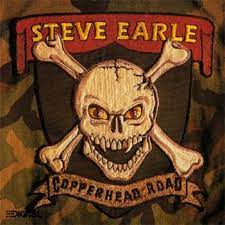
The Devil's Right Hand was written by Steve Earle in 1977 and later featured on his 1988 album Copperhead Road.
The song tells the story of a young man's fascination with firearms, despite his mother's warnings about their dangers. His obsession eventually leads to a fatal shooting, with the narrator refusing to accept responsibility for his actions. Blending country storytelling with a powerful anti-gun message, the song became one of Earle's most memorable compositions.
Waylon Jennings recorded his own version in 1986, while The Highwaymen, featuring Jennings, Johnny Cash, Willie Nelson, and Kris Kristofferson, introduced it to another generation on their 1995 album The Road Goes On Forever.
What You'll Learn From This Lesson
The Devil's Right Hand is played in standard tuning with a capo on the 4th fret, using three chords: C, F and G. The arrangement features a repeating root, up-down-up rhythm pattern, providing a steady country-folk accompaniment that supports the song's storytelling style.
Throughout the arrangement, you'll incorporate occasional hammer-ons within the chord progression, adding subtle melodic touches to the rhythm playing. Later in the song, there is a melody-line picking break, allowing you to move beyond the main accompaniment and pick out the song's melody on guitar.
Start by learning the three chords and repeating rhythm pattern, then practice blending the hammer-ons into the appropriate sections. Once the rhythm is comfortable, work on the melody-line picking break separately before bringing everything together into the complete arrangement.
Guitar Lesson Details - (chords & lyrics sheet incl with lesson)
Back To Song List
The Galway Girl - Learn To Play On Acoustic Guitar

The Galway Girl (a.k.a. just Galway Girl), was written by Steve Earle and recorded with Irish accordionist Sharon Shannon for his 2000 album Transcendental Blues.
Inspired by a real romantic encounter in Galway, Ireland, the lively Celtic-country song tells of a young man who falls for a dark-haired, blue-eyed woman during a stroll through the city. The recording features traditional Irish instruments, including accordion, fiddle, banjo and tin whistle.
Although Earle and Shannon released the song as a single in 2000, it achieved even greater success when Irish singer Mundy teamed up with Shannon for a new version in 2008. Their recording spent five weeks at #1 in Ireland, helping establish the song as a modern Irish favourite.
What You'll Learn From This Lesson
The Galway Girl is played in standard tuning with a capo on the 2nd fret, using four chord shapes: C, G, F and Am. This places the arrangement in the key of D, while allowing you to use familiar chord shapes that provide a fuller acoustic sound than playing the song without a capo. The main rhythm follows a repeating root, down-up, down-up, down-up pattern, creating the lively folk-country groove that drives the song.
Throughout the arrangement, you'll learn several picking sequences that are blended directly into the rhythm playing. Rather than treating these as separate lead guitar breaks, you'll incorporate the individual notes alongside the chord strumming, adding melodic movement while maintaining the song's upbeat feel.
Start by learning the four chord shapes and main rhythm pattern, concentrating on keeping the strumming consistent. Once you're comfortable with the progression, work through the various picking sequences individually before blending them into the rhythm at the appropriate points. Bringing these elements together will help you capture the full sound and lively character of the arrangement.
Guitar Lesson Details - (chords & lyrics sheet incl with lesson)
Back To Song List
The Mercenary Song - Learn To Play On Acoustic Guitar

The Mercenary Song was written by Steve Earle during his early songwriting years in the 1970s but remained unrecorded until his 1995 acoustic comeback album Train a Comin'. The song follows two soldiers of fortune who travel from conflict to conflict, offering their services to whoever is willing to pay.
Its old-fashioned storytelling and stripped-down acoustic arrangement reflect Earle's early influences in folk, country and bluegrass music. The recording features respected acoustic musicians Peter Rowan, Norman Blake and bassist Roy Huskey Jr.
Although never released as a commercial single, the song gained renewed attention in 2022 when Irish musician Danny Burns recorded a version featuring Earle himself, blending bluegrass with Celtic and Tex-Mex influences.
What You'll Learn From This Lesson
The Mercenary Song is played with a capo on the 2nd fret, using four chords: G, C, D and D7. The arrangement features a quick shuffle rhythm pattern of down, down-up, down-up, down-up, creating a lively country-folk groove. You'll also learn an intro picking riff that establishes the song's opening melody and returns again at the end.
In the middle of the song, there is a main guitar picking break that adds a melodic element beyond the rhythm accompaniment. Later in the arrangement, the strumming changes to a root, down-up, down-up, down-up pattern, providing a different rhythmic feel before returning to the original shuffle. The song finishes with a repeat of the opening picking riff, bringing the arrangement full circle.
Start by learning the four chords and both rhythm patterns, paying particular attention to the transition between them. Next, practice the intro and ending picking riff, working it into the rhythm at the appropriate points. Finally, concentrate on the main picking break separately before bringing all the elements together into the complete arrangement.
Guitar Lesson Details - (chords & lyrics sheet incl with lesson)
Back To Song List
Frequently Asked Questions About Steve Earle Guitar Lessons
1. What guitar chords are used in Steve Earle songs?
Many of the Steve Earle arrangements taught here use familiar open-position chords such as G, C, D, Em, A and E. Songs like Down the Road, Johnny Come Lately and Someday use four-chord progressions, while Copperhead Road uses just two chords, D and G. The individual lessons explain the chords and rhythm patterns used in each arrangement.
2. Do I need a capo to play Steve Earle songs?
Not for every song. Several arrangements are played without a capo, while others use one to achieve a particular sound or playing position. For example, The Galway Girl and The Mercenary Song use a capo on the 2nd fret, The Devil's Right Hand uses the 4th fret, and Goodbye's All We Got Left uses the 7th fret. Each lesson explains the capo position used in the arrangement.
3. Are any Steve Earle songs played in drop D tuning?
Yes. Copperhead Road, Guitar Town and Hillbilly Highway are taught using drop D tuning, which lowers the sixth string from E to D. This provides a deeper bass sound and creates opportunities for distinctive riffs and bass-note patterns. NYC also uses drop D for a fuller D chord, although that tuning is optional for the arrangement.
4. What strumming patterns will I learn in these Steve Earle guitar lessons?
These lessons cover several country, folk and roots-rock rhythm patterns. You'll work with steady down-up strumming, root-note strumming, country-style shuffle rhythms and chop rhythm techniques. For example, The Mercenary Song uses a quick shuffle pattern, while Someday combines regular down-up strumming with downstroke chops and a recurring bass riff.
5. Which Steve Earle guitar lessons include picking riffs or lead breaks?
Several arrangements feature picking beyond the main chord progression. Copperhead Road includes opening riffs and a picking break, while Guitar Town features guitar riffs and a separate lead section. The Galway Girl incorporates picking sequences directly into the rhythm, and The Devil's Right Hand includes a melody-line picking break. These lessons demonstrate how to combine melodic guitar parts with rhythm accompaniment.
6. Can I learn Steve Earle songs using just one acoustic guitar?
Yes. These lessons focus on arrangements that combine chords, rhythm patterns, bass notes and melodic picking into a single acoustic guitar performance. Some songs emphasize steady rhythm accompaniment, while others incorporate riffs and picking breaks to create a fuller sound. You can begin with the main chord progression and gradually add the additional techniques taught in each lesson.
7. Where should I start if I'm new to Steve Earle's guitar style?
A good starting point is Goodbye's All We Got Left for steady rhythm playing and chord changes. From there, try Down the Road to develop root-note strumming or Someday to explore bass riffs and chop rhythms. If you're interested in melodic picking, The Galway Girl provides an opportunity to blend individual notes into a lively acoustic rhythm. The recommended learning paths above offer additional suggestions based on the techniques you'd like to develop.
From the driving rhythms of Copperhead Road and Guitar Town to the folk-inspired picking of The Galway Girl, these Steve Earle guitar lessons offer a wide range of techniques to explore.
Work through the arrangements at your own pace, beginning with the chords and rhythm before adding bass riffs, hammer-ons and lead picking where they're included. With 16 songs to choose from, you can continue building your acoustic guitar skills while discovering more of Steve Earle's music.
Explore More Country Guitar Lessons ... (click images)



Home Page
Very Easy Country Guitar Songs

Kirby Swinemar is an acoustic guitar instructor, performer and song arranger who has taught online for 21 years and created more than 4,000 original acoustic guitar lessons. He specialises in song-based acoustic guitar instruction, rhythm guitar techniques, and creating full-sounding solo arrangements that help beginner and intermediate players move beyond basic strumming.
Explore more of Kirby's work at Kirby's Guitar Lessons, watch his performances and tutorials on his YouTube Channel or follow him on Facebook. You can also learn more about his teaching background on the About Me page.
Latest 100 Tutorials
© 2019–2026 KirbysGuitarLessons.com — All Rights Reserved