Romantic 1950s Love Songs for Guitar

If you’re looking for the most romantic 50s love songs to play on guitar, this page brings together a collection of timeless ballads and heartfelt hits from the golden era of rock ’n’ roll.
The 1950s gave us unforgettable classics like Donna, Blueberry Hill, and Since I Don’t Have You — songs that still make people sway, sing along, and remember their first dances.
Each tutorial includes a full song demonstration, chords, strumming patterns, riffs, bass runs and picking ideas where needed, helping you bring these romantic 1950s songs to life on your own acoustic guitar.
🎸 Watch the 50s Love Songs on Guitar Lessons Overview
performance clips taken directly from the complete lesson videos.
Click Play, then drag the timeline to quickly preview any 50s love song lesson featured on this page.
Note: Every arrangement has been personally created, recorded and taught by Kirby
using teaching methods refined through decades of acoustic guitar instruction.
What's Included With Every Lesson
📦 Your Lesson Package Includes
✓ 8–12 minute HD video lesson so you can learn each song step-by-step.
✓ Printable chords & lyrics PDF for easy practice away from the screen.

✓ Instant download—start playing in minutes.
✓ Learn at your own pace on any device.
Looking for fast 50s Hits? Check out our Popular 50s Guitar Songs
New to 50s Love Songs on Guitar?
Start with Donna or Poetry In Motion for straightforward chord-and-rhythm arrangements. Next, try Johnny Angel to work on rhythm stops and starts, or Blueberry Hill to introduce walking bass runs into your strumming. When you're ready for more involved arrangements, move on to Runaway for its adapted keyboard lead or To Know Him Is To Love Him for a larger chord progression with bass runs and an optional melody-line picking break.
50s Love Songs Guitar Lessons Included On This Page
Del Shannon - Runaway
Eddie Cochran - Hallelujah I Love Her So
Fats Domino - Blueberry Hill
Jack Scott - My True Love
Jimmie Rodgers - Honeycomb
Johnny Tillotson - Poetry In Motion
Los Lobos - We Belong Together
Ritchie Valens - Donna
Shelley Fabares - Johnny Angel
The Poni-Tails - Born Too Late
The Skyliners - Since I Don't Have You
The Teddy Bears - To Know Him Is To Love Him
Tommy Edwards - It's All In The Game
🎁 Free Demo Preview & Free Lesson
Scroll down to check out a completely free demo on Fats Domino's “Blueberry Hill”.Scroll down to check out a completely free lesson on Shelley Fabares's “Johnny Angel”.
Bobby Vee Songs - Learn To Play On Acoustic Guitar
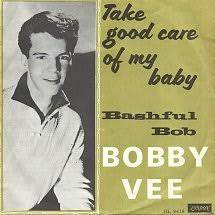
Take Good Care Of My Baby was recorded by Bobby Vee and released as a single in 1961 before appearing on his 1962 album Take Good Care of My Baby.
Written by the celebrated songwriting team of Carole King and Gerry Goffin, the heartfelt ballad became Vee's biggest career hit, reaching No. 1 on the Billboard Hot 100 and topping charts in several countries. Released before promotional music videos became common, the song instead gained popularity through radio airplay and television appearances. Its polished production and emotional lyrics helped define the early teen-pop sound of the 1960s.
The song has since been covered by numerous artists, including Dion, Bobby Vinton and Shaun Cassidy, but Bobby Vee's original recording remains the definitive version. Looking for more Bobby Vee? Check out the song The Night Has A Thousand Eyes on my Popular 50s Guitar Songs.
What You’ll Learn From This Lesson
I play Take Good Care Of My Baby in Drop D tuning with a capo on the 3rd fret. The chords you'll need are D, Bm, G, A7, Gm, C, Gbm and Daug.
The main rhythm uses a down, down-up, down-up, down-up pattern that repeats through much of the song. You'll also work in a few down-stroke chop rhythms to help capture the changes in feel and keep the accompaniment from sounding like one continuous strumming pattern.
There’s no lead work, but there are several short riff notes at the ends of certain vocal lines that help give the acoustic arrangement some of the character players are looking for in this song. Learn the chords and main rhythm first, then go back and add those riffs once the foundation feels comfortable.
Once those pieces are together, this is a fairly straightforward song to play and a nice example of how a few small rhythmic changes and well-placed riffs can dress up a classic early-60s pop arrangement.
Guitar Lesson Details - (chords & lyrics sheet incl with lesson)
Back To Song List
Del Shannon - Learn To Play On Acoustic Guitar

Runaway was released by Del Shannon as a single in February 1961 before appearing on his debut album Runaway with Del Shannon later that year.
Written by Del Shannon and keyboardist Max Crook, the song became an international sensation, reaching No. 1 on both the Billboard Hot 100 and the UK Singles Chart. Its unforgettable instrumental break featured Crook's homemade Musitron, an early electronic keyboard that gave the recording its distinctive futuristic sound.
Released before the era of promotional music videos, the song gained its popularity through radio and television appearances. "Runaway" has since been covered by artists including Elvis Presley, Bonnie Raitt and the Traveling Wilburys, cementing its status as one of rock and roll's enduring classics.
What You’ll Learn From This Lesson
I play Runaway in standard tuning using the chords Am, G, F, E, E7, Gbm and D. The main rhythm is a root, down-up, root-up, down-up pattern, with some additional bass movement worked into the Am chord near the beginning of the song. You'll also use some accenting on the E7 chord to help capture the changes in the arrangement.
Start by learning the chords and getting comfortable with the main rhythm pattern. Once that's steady, work in the chord accents and then add the bass movement around the Am chord in the intro.
The final piece is the lead break, where I've adapted some of Del Shannon's distinctive keyboard part for acoustic guitar. This combines riff notes around the Am chord with individual-note picking, giving a one-guitar arrangement some of the recognizable instrumental character players associate with Runaway.
Guitar Lesson Details - (chords & lyrics sheet incl with lesson)
Back To Song List
Eddie Cochran - Learn To Play On Acoustic Guitar
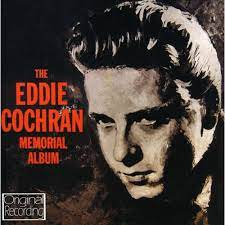
Hallelujah I Love Her So was recorded by Eddie Cochran and released as a single in late 1959. Originally written and recorded by Ray Charles in 1956 for his album Ray Charles (also issued as Hallelujah I Love Her So), Cochran transformed the rhythm-and-blues classic into an energetic rock-and-roll performance highlighted by his unmistakable guitar work.
His version became a Top 30 hit in the United Kingdom and demonstrated the versatility that made him one of rock's most influential pioneers. Produced before music videos existed, the song found success through radio broadcasts and live performances. Over the years it has also been recorded by artists including The Beatles during their early live years, Stevie Wonder and Humble Pie.
Looking for more Eddie Cochran? Check out songs like Twenty Flight Rock and Jeannie Jeannie Jeannie and I Remember on my Popular 50s Guitar Songs page.
What You’ll Learn From This Lesson
I play Hallelujah I Love Her So in standard tuning using the chords G, G6, C, C#7, D7, Gdim, E7, Em and A7. The main rhythm uses a root, down-up, root, down-up pattern that repeats as you move through the progression, along with several stops, starts and rhythmic accents that help give the song its early rock-and-roll character.
There are also several moving bass runs worked into the arrangement. Those bass notes help lead you into the chord changes and create some of the bounce you'll hear as the song moves along.
Start by learning the chords and getting the main rhythm comfortable. Then work in the moving bass lines and the stop-and-start accents without losing the groove. Finally, tackle the lead break, or use that section as an opportunity to improvise a lead of your own.
Once the rhythm and bass movement come together, you'll have much more than a basic chord-and-strum version—the acoustic guitar carries the groove while still leaving room for the vocal and lead section.
Guitar Lesson Details - (chords & lyrics sheet incl with lesson)
Back To Song List
Fats Domino - Learn To Play On Acoustic Guitar
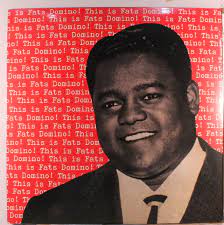
Blueberry Hill was recorded by Fats Domino and released as a single in 1956 before appearing on his 1957 album This Is Fats. Written by Vincent Rose, Larry Stock and Al Lewis, the song had been recorded by several artists, including Gene Autry and Louis Armstrong, before Domino transformed it into one of rock and roll's defining recordings.
His relaxed vocal style and distinctive New Orleans piano helped the single reach No. 2 on the Billboard pop chart while topping the R&B chart for eleven weeks. Released years before promotional music videos, its popularity came through radio and television. Domino's version remains the best-known interpretation and has been preserved as an American musical classic.
Looking for more Fats Domino? Check out songs like Ain't That A Shame and I'm Walkin on my Popular 50s Guitar Songs.
What You’ll Learn From This Lesson
I play Blueberry Hill with a capo on the 3rd fret to match the original key, using the chords G, C, D, Am7, Gb, Bm, B7, D7 and Cm. The main rhythm is a down-up, down, down-up, down pattern that repeats throughout the song.
You'll begin with an intro bass run adapted from the piano, and as you move through the song you'll blend several walking bass riffs into the chord progression. That moving bass is an important part of this acoustic arrangement and helps give the song its rolling feel rather than leaving you with a basic chord-and-strum version.
Start by learning the chords and getting comfortable with the rhythm. Then come back and add the intro riff and walking bass runs, working them into the strumming without losing the flow of the song.
There isn't a lead break in the original arrangement, but I've added a short optional picking break to help break up the song. It's mainly built around a series of hammer-ons blended with several of the chords, so you can include it for a little extra variety or simply leave it out.
Guitar Lesson Details - (chords & lyrics sheet incl with lesson)
Back To Song List
Jack Scott Songs - Learn To Play On Acoustic Guitar
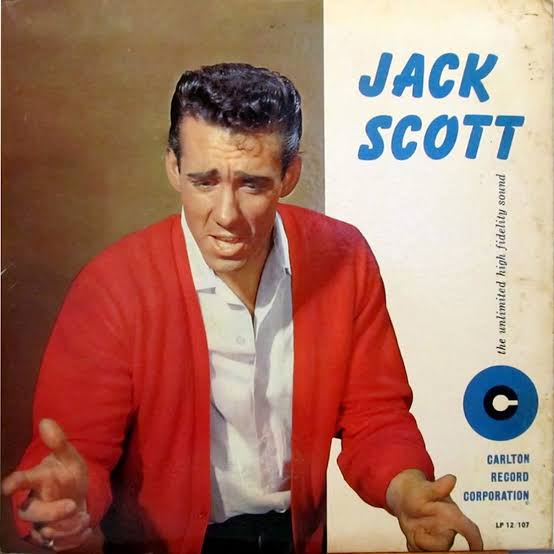
My True Love became Jack Scott's breakthrough hit in 1958. Written by Scott himself, the romantic ballad was released by Carlton Records with the harder-rocking “Leroy” on the other side. “Leroy” initially received the attention, but DJs soon began flipping the record over and playing “My True Love,” which ultimately became the much bigger hit.
Backed vocally by The Chantones, Scott took “My True Love” to No. 3 on the Billboard Hot 100. It also reached No. 1 in Canada and No. 9 in the UK, becoming Scott's first million-selling record.
The success helped establish the Windsor, Ontario-born singer as one of the distinctive voices of the late-'50s rock-and-roll era, blending country, rockabilly and pop ballad influences into a sound that became his trademark.
What You’ll Learn From This Lesson
For my acoustic guitar arrangement of My True Love by Jack Scott, I use a capo on the 3rd fret to stay in the original key. The chords are D, G, A7, Bm and D7, played with a combination of arpeggio picking and gentle rhythm strumming that captures the slow, romantic feel of this 1950s ballad.
The picking and strumming follow a repeating 1-2-3-up-down-up pattern, giving the accompaniment a smooth, flowing rhythm beneath the vocal melody. There is no extended lead guitar break, although I include a few short guitar riffs throughout the song to add some musical character. Start by learning the chord changes and combined arpeggio-rhythm pattern, then work in the individual riffs once the accompaniment feels comfortable.
Guitar Lesson Details - (chords & lyrics sheet incl with lesson)
Back To Song List
Jimmie Rodgers Songs
- Learn To Play
On Acoustic Guitar
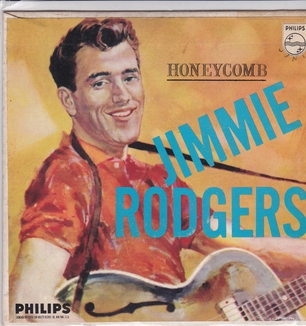
Honeycomb was recorded by Jimmie Rodgers and released as a single in 1957 before appearing on his debut album Jimmie Rodgers.
Written by Bob Merrill, the cheerful, upbeat tune became Rodgers' signature hit, spending four weeks at No. 1 on the Billboard Top 100 and earning widespread international success. Its catchy melody and Rodgers' smooth vocal delivery helped establish him as one of the leading pop singers of the late 1950s.
Released before the era of promotional music videos, the song gained popularity through radio airplay and television appearances. "Honeycomb" has since been recorded by numerous artists, but Rodgers' original version remains the best-known interpretation and a lasting favorite from the golden age of pop music.
What You’ll Learn From This Lesson
I play Honeycomb in standard tuning with a capo on the 3rd fret, singing the song on the lower end of my range. The original is played without a capo in G and sung quite high, so I've adjusted my approach to make the vocal more comfortable.
The original recording also includes a half-step key change, where all of the chords move up one fret. That adds another layer of complexity, so I've kept my arrangement in one key throughout. The chords you'll need are G, C, D, G7 and D7.
For rhythm, I use a root, down-up, bass-up, down-up pattern that repeats through the song, along with several bass runs connecting the chords. Those bass notes help keep the accompaniment moving and contribute to the light, bouncy feel of the arrangement.
There isn't a lead break in the original, but I've added an optional melody-line picking break to give the acoustic version some variety. You can use my picking break, create one of your own, or simply leave it out.
Start with the chords, add the rhythm and then work in the connecting bass runs. Once the accompaniment is comfortable, decide whether you want to include the picking break. Finally, find a key that works comfortably for your own vocal range, rather than feeling that you have to sing the song where Jimmie Rodgers did.
Guitar Lesson Details - (chords & lyrics sheet incl with lesson)
Back To Song List
Johnny Tillotson Songs - Learn To Play On Acoustic Guitar

Poetry In Motion was recorded by Johnny Tillotson and released in 1960 as a single that quickly became one of his signature hits.
Written by Paul Kaufman and Mike Anthony, the song reached No. 2 on the Billboard Hot 100 and topped charts in several countries. Its smooth melody, light doo-wop influences, and innocent lyrics perfectly capture the charm of the late 1950s teen-pop era, despite its 1960 release. Tillotson's warm, effortless vocal delivery helped make the song an enduring favorite on oldies radio.
Today, Poetry in Motion remains one of the defining love songs of the early rock-and-roll period and a timeless classic that continues to evoke the optimism and romance of the era.
What You’ll Learn From This Lesson
I play Poetry In Motion with a capo on the 1st fret, which lets you use familiar chord shapes while playing in the song's key of G#. The chords you'll need are G, Em, Am, D7, B7, A7 and C.
The song begins with single down strokes on the chords before moving into the main root, down-up, down-up, root-up, down-up rhythm with a quick shuffle feel. You'll also encounter several stops and starts, where the main rhythm gives way to short shuffle chops that help break up the accompaniment and give the arrangement some of its oldies character.
There is no lead work required in this number, so the focus is really on getting the chord changes and different rhythmic sections working smoothly together.
Start by learning the chords, then get comfortable with the main rhythm pattern. From there, work on the stop-and-start sections and shuffle chops so you can move between them and the regular rhythm without losing the flow of the song.
Guitar Lesson Details - (chords & lyrics sheet incl with lesson)
Back To Song List
Los Lobos Songs
- Learn To Play
On Acoustic Guitar
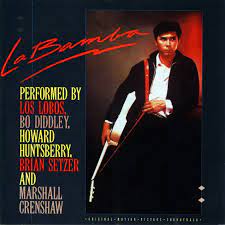
We Belong Together was originally recorded by the R&B duo Robert & Johnny and released as a single in 1958. Written by Robert Carr and Johnny Mitchell, the heartfelt ballad became a regional hit before growing into a beloved doo-wop classic.
Nearly three decades later, Los Lobos introduced the song to a new generation with their faithful 1987 recording for the soundtrack of La Bamba, the biographical film celebrating the life of Ritchie Valens. Although the Los Lobos version was not released as a major chart single, it became widely recognized through the film's success and remains one of the group's most memorable soundtrack performances.
Both recordings continue to be appreciated for their timeless harmony and enduring emotional appeal.
What You’ll Learn From This Lesson
The original key of We Belong Together can be played with a capo on the 3rd fret, if that vocal range works for you. My version is played without a capo in standard tuning, using the chords D, Bm, Em, A7, G, D7, Gm and E7. You'll also learn a short intro riff to get the song underway.
There are two rhythm approaches in this arrangement. The first combines the rhythm with arpeggio notes and a moving bass riff, all blended together as you work through the D, Bm, Em and A7 chord progression. Later in the song you'll switch to a down-up, down-up, down pattern that repeats through that section.
There is no lead break in this number. The biggest challenge is coordinating the arpeggio notes inside the chords with the bass runs while keeping everything flowing underneath the vocal.
Start by learning the chords, then work on the combined arpeggio and bass movement separately. Once that's comfortable, learn the second rhythm pattern and practice moving between the two approaches. Finally, add the vocal and work toward keeping the picking, bass movement and singing together smoothly for a complete performance.
Guitar Lesson Details - (chords & lyrics sheet incl with lesson)
Back To Song List
Ritchie Valens Songs
- Learn To Play
On Acoustic Guitar
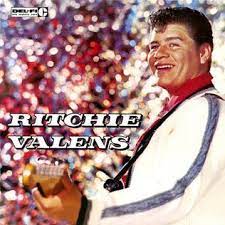
Donna was recorded by Ritchie Valens and released as a single in 1958 before appearing on the posthumous album Ritchie Valens.
Written by Valens as a tribute to his high school sweetheart, Donna Ludwig, the tender ballad showcased a softer side of the young rock-and-roll pioneer. The single reached No. 2 on the Billboard Hot 100 while its energetic B-side, "La Bamba," also became a major hit.
Released before promotional music videos existed, the song achieved its popularity through radio and television appearances. Following Valens' tragic death in the 1959 plane crash known as "The Day the Music Died," "Donna" became an enduring symbol of his remarkable talent and lasting musical legacy.
Looking for more Ritchie Valens? Check out the song Come On Let's Go on my Popular 50s Guitar Songs page.
What You’ll Learn From This Lesson
I play Donna in standard tuning with a capo on the 3rd fret, using just four chords: D, G, D7 and A.
There is no lead picking required in this arrangement. The main rhythm uses a down, down-up, down-up, down-down pattern that carries the song, but you'll also work in a few short riffs within the rhythm along with several bass runs between the chords. These small additions help give the acoustic arrangement a fuller sound without making the song overly complicated.
Start by learning the four chords and getting comfortable with the main rhythm pattern. Once those are working smoothly together, add the bass runs between the chord changes and then the riffs that are blended into the rhythm.
With only four chords and one main rhythm to learn, the foundation is straightforward. It's the bass movement and well-placed riffs that dress up the arrangement and help turn a simple strummed version into a more complete-sounding performance.
Guitar Lesson Details - (chords & lyrics sheet incl with lesson)
Back To Song List
Shelley Fabares - Learn To Play On Acoustic Guitar

Johnny Angel was released by Shelley Fabares in 1962 as her debut single and became the biggest recording of her music career. Written by Lyn Duddy and Lee Pockriss and produced by Stu Phillips, the song reached No. 1 on the Billboard Hot 100, holding the top spot for two weeks.
Fabares was already well known for playing Mary Stone on The Donna Reed Show, where the song was featured during the show's fourth season. Although Fabares considered herself primarily an actress rather than a singer, “Johnny Angel” became a million-selling hit.
The recording also featured backing vocals by Darlene Love and the Blossoms, helping create the dreamy early-'60s pop sound that made the song an enduring oldies favorite.
What You’ll Learn From This Lesson
The original key of Johnny Angel is C, so you can play it without a capo if that key works for your vocal range. For lower vocals like mine, I use a capo on the 4th fret. The chords you'll need are C, Am, F, G, Dm, A# and D7.
There is just one main rhythm pattern, played root, down-up, down-up, down-up and repeated throughout the song. You'll also work in one short orchestration riff where appropriate to add a recognizable touch from the recording.
The main variation comes in the chorus, where the regular rhythm stops in places and switches to short down-stroke chops. Learning those stops and starts is important because they help give this otherwise straightforward acoustic arrangement some of its early-60s pop character.
Start by learning the chords, then get comfortable with the main rhythm pattern. From there, work on the stops and starts in the chorus and add the short orchestration riff where needed.
I've also recorded a free complete lesson for Johnny Angel, which you'll find in the section below.
Guitar Lesson Details - (chords & lyrics sheet incl with lesson)
Back To Song List
The Poni-Tails - Learn To Play On Acoustic Guitar
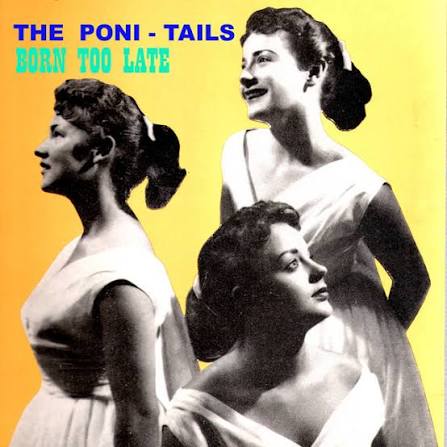
Born Too Late might never have become a hit if radio DJs hadn't flipped over the original single. Released in 1958 by the Cleveland, Ohio, vocal trio The Poni-Tails, the song was initially the B-side of Come On Joey, Dance With Me.
Written by Charles Strouse and Fred Tobias, its lyrics express the frustration of a teenage girl who falls for an older boy who considers her too young to date.
Local DJs began favouring the recording, and its popularity quickly spread nationwide. The song reached #7 on the Billboard Hot 100 and #5 in the UK, becoming the group's only American Top 40 hit and an enduring favourite of the 1950s.
What You’ll Learn From This Lesson
Soon
Guitar Lesson Details - (chords & lyrics sheet incl with lesson)
Back To Song List
The Skyliners - Learn To Play On Acoustic Guitar
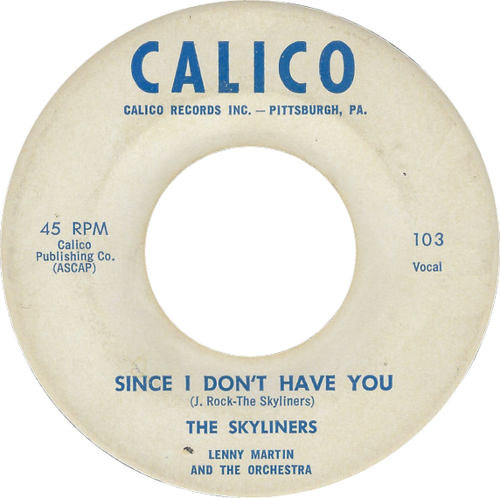
Since I Don't Have You was recorded by The Skyliners and released as a single in 1958 before appearing on their debut album The Skyliners.
Written by lead vocalist Jimmy Beaumont along with Joseph Rock, Janet Vogel, Wally Lester and Jack Taylor, the emotional doo-wop ballad became the group's signature recording, reaching No. 12 on the Billboard Hot 100. Its lush harmonies and heartfelt lyrics have helped it remain one of the defining love songs of the 1950s.
Released before music videos became commonplace, the song found its audience through radio and live performances. It has since been covered by artists including Guns N' Roses, Don McLean, Art Garfunkel and Brian Setzer, introducing the classic to new generations.
What You’ll Learn From This Lesson
The original key of Since I Don’t Have You can be played with a capo on the 4th fret, but that's quite high vocally. In my version, I use a capo on the 2nd fret to bring the song into a more comfortable vocal range. The chords you'll need are D, Em, Gbm, A, Gm, A7, Bm and Dmaj7, with the Dmaj7 appearing at the end.
There is no lead work in this arrangement. The main rhythm uses a down-up, down-up, down pattern that repeats, creating a double down stroke as you move from the end of one pattern into the beginning of the next.
The original has an orchestration intro, which I've adapted into a short guitar riff to give the acoustic arrangement a recognizable opening. You'll also work in a few bass runs as you move through the song, adding some extra movement without making the accompaniment too busy.
Start by learning the chords and getting the main rhythm comfortable. Then come back and learn the intro riff before adding the bass runs in the appropriate places. Finally, find the capo position and key that work best for your own vocal range, especially since the original sits quite high.
Guitar Lesson Details - (chords & lyrics sheet incl with lesson)
Back To Song List
The Teddy Bears Songs - Learn To Play
On Acoustic Guitar
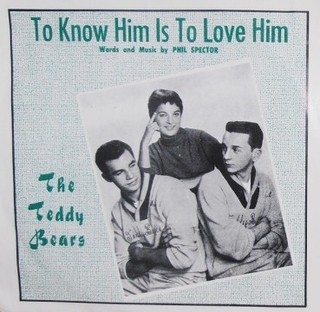
To Know Him Is to Love Him was recorded by The Teddy Bears and released as a single in 1958 before appearing on their only studio album, The Teddy Bears Sing!.
Written by the group's young producer, Phil Spector, the title was inspired by the inscription on his father's gravestone: "To Know Him Was to Love Him." The recording became an international success, reaching No. 1 on the Billboard Hot 100 and launching Spector's legendary career as a producer. Released before the era of promotional music videos, its popularity spread through radio and television.
The song has since been recorded by artists including Dolly Parton, Linda Ronstadt and Emmylou Harris, ensuring its place among the timeless classics of the late 1950s.
What You’ll Learn From This Lesson
To Know Him Is To Love Him uses quite a few chords, with D, G, A, A7, Bm, Bm/A, F, C, A#, D7, Dm, Gm and E7 making up the arrangement.
For rhythm, I use a down, down-up, down, down, down, down pattern that repeats throughout the song and creates the gentle swaying feel that works so well with this classic 1950s ballad.
There is no lead break in the original, but I've added an optional melody-line picking break to give the acoustic arrangement a little more variety. You'll also work in several bass runs between the chords, adding some movement while keeping the rhythm flowing underneath the vocal.
Start by getting comfortable with the thirteen chords, then learn the main rhythm pattern and begin blending the two together. From there, add the connecting bass runs where needed. Finally, you can include my melody-line picking break for a little extra instrumental interest or simply leave it out.
Guitar Lesson Details - (chords & lyrics sheet incl with lesson)
Back To Song List
Tommy Edwards Songs - Learn To Play On Acoustic Guitar

It's All In The Game became Tommy Edwards' signature song when his updated 1958 recording reached No. 1 in both the United States and the UK. Edwards had actually recorded the song once before in 1951, taking that earlier version into the U.S. Top 20.
The song has an unusual origin. Its melody began as “Melody in A Major,” composed in 1911 by Charles G. Dawes, who later served as U.S. Vice President under Calvin Coolidge. Songwriter Carl Sigman added the lyrics in 1951, creating “It's All In The Game.”
Seven years later, Edwards re-recorded it with a more contemporary arrangement. That version spent six weeks at No. 1 on Billboard in 1958 and turned an older composition into an enduring pop standard.
What You’ll Learn From This Lesson
For my acoustic guitar arrangement of It's All in the Game by Tommy Edwards, I use standard tuning with a capo on the 2nd fret, one fret below the original recording's key. The chords are C, Dm, G, Cmaj7, F, Am, D7 and Dm7.
The rhythm follows a repeating down-up-down-up-down pattern, creating a double downstroke between repetitions that gives the accompaniment a gentle shuffle feel. There is no lead guitar work in this arrangement, although I include a short descending bass riff at the very end to finish the song. Start by getting comfortable with the chord changes and repeating rhythm pattern, then add the ending bass riff once everything is flowing smoothly.
Guitar Lesson Details - (chords & lyrics sheet incl with lesson)
Back To Song List
Frequently Asked Questions About 50s Love Songs On Guitar
Are 50s love songs easy to play on acoustic guitar?
Many 50s love songs are approachable because they use repeating chord progressions and steady rhythm patterns. Some arrangements on this page are simpler than others. Donna, for example, uses just four chords and one main rhythm, while songs such as To Know Him Is To Love Him use considerably more chords and additional arrangement details. Start with one of the simpler songs and build from there.
What are some good 50s love songs for beginner guitar players?
Donna and Poetry In Motion are good places to begin because their arrangements focus mainly on chords and a repeating rhythm pattern without requiring a lead break. Johnny Angel is another good choice once you're comfortable adding rhythm stops and starts.
What strumming patterns are used for 1950s love songs?
There isn't one strumming pattern that works for every 50s ballad. Across these lessons you'll encounter steady down-up patterns, root-and-strum rhythms, shuffle-influenced patterns, rhythm chops and patterns that incorporate bass notes. The important part is learning the rhythm used for the individual song and keeping the accompaniment underneath the vocal steady.
How can I make a 50s love song sound fuller on one acoustic guitar?
Small arrangement details can make a big difference. Several lessons on this page blend bass runs, short riffs, arpeggio notes or rhythm accents into the chord progression. These additions help suggest parts of the original recording without requiring a second guitar or full band.
Do I need a capo to play these 50s love songs?
It depends on the song and, importantly, your vocal range. Some of these arrangements use a capo to reach the original key, while others use a different capo position to make the vocal more comfortable. If you're singing while you play, choose a key that suits your voice rather than feeling that you must always match the original recording.
Should I learn the chords or the riffs and bass runs first?
Learn the chords and main rhythm first. Once you can move through the song comfortably, add the bass runs, riffs, arpeggio notes or picking sections used in that particular arrangement. Building the song in layers makes it much easier to keep the rhythm steady when you eventually add the vocal.
These 50s love songs are more than just oldies — they’re the soundtrack of an era filled with innocence, romance, and unforgettable melodies. Whether you’re playing for someone special, practicing at home, or adding a few classics to your performance setlist, these lessons will help you capture the heart of the 1950s on acoustic guitar.
Explore the tutorials, grab the chord sheets, and start playing these romantic guitar songs from the 1950s today. And when you're ready for more, explore our other 1950s guitar lesson collections for even more classic songs from the decade.
If you liked this 50s love songs on guitar page you might also like ... (click images)
Top Hits Of The 50s

Kirby Swinemar is an acoustic guitar instructor, performer and song arranger who has taught online for 21 years and created more than 4,000 original acoustic guitar lessons. He specialises in song-based acoustic guitar instruction, rhythm guitar techniques, and creating full-sounding solo arrangements that help beginner and intermediate players move beyond basic strumming.
Explore more of Kirby's work at Kirby's Guitar Lessons, watch his performances and tutorials on his YouTube Channel or follow him on Facebook. You can also learn more about his teaching background on the About Me page.
Latest 100 Tutorials
© 2019–2026 KirbysGuitarLessons.com — All Rights Reserved