Buddy Holly Guitar Lessons
Easy Acoustic Lessons for His Greatest Hits

Welcome to this collection of Buddy Holly guitar lessons, featuring the timeless songs of one of rock 'n' roll's most influential pioneers. Buddy Holly's straightforward chord progressions, memorable melodies, and rhythmic guitar style continue to inspire players more than sixty years after his groundbreaking recordings.
Whether you're learning your first Buddy Holly song or expanding your classic rock repertoire, each lesson includes chords, strumming patterns, rhythm guidance, and performance tips to help you capture his unmistakable sound. From timeless classics like That'll Be the Day, Peggy Sue, and Everyday to lesser-known gems, these lessons make it easy to bring Buddy Holly's music to life on acoustic guitar.
His simple chord progressions and memorable rhythms make many of these songs excellent choices for beginners, while their timeless melodies continue to challenge and reward experienced players.
🎸 Watch the Buddy Holly Guitar Lessons Overview
performance clips taken directly from the complete lesson videos.
Click Play, then drag the timeline to quickly preview any Buddy Holly lesson featured on this page.
Note: Every arrangement has been personally created, recorded and taught by Kirby
using teaching methods refined through decades of acoustic guitar instruction.
What's Included With Every Lesson
📦 Your Lesson Package Includes
✓ 8–12 minute HD video lesson so you can learn each song step-by-step.
✓ Printable chords & lyrics PDF for easy practice away from the screen.

✓ Instant download—start playing in minutes.
✓ Learn at your own pace on any device.
New to Buddy Holly?
Start with beginner-friendly lessons such as
Maybe Baby,
Oh Boy!,
Peggy Sue, or
Rockin' Around With Ollie Vee.
More experienced players can explore songs such as
Words Of Love and
Brown Eyed Handsome Man,
where riffs, rhythm variations, and lead ideas are blended into the arrangement.
Skill Level:
These Buddy Holly guitar lessons are best suited for beginner to intermediate players.
Most arrangements focus on rhythm guitar, classic rock 'n' roll strumming patterns,
bass runs, riffs, and practical acoustic versions of the original recordings.
If you're comfortable with basic open chords and changing chords in time,
you'll find plenty of songs here to develop both your rhythm and singing skills.
Suggested Learning Path
Getting Started
Maybe Baby •
Oh Boy! •
Peggy Sue •
Rockin' Around With Ollie Vee •
That'll Be The Day
These songs introduce straightforward chord progressions and the core rock 'n' roll rhythm style heard throughout many Buddy Holly recordings.
Building Your Rhythm & Riff Skills
Everyday •
Raining In My Heart •
Tell Me How •
Think It Over •
I'm Gonna Love You Too •
Reminiscing
These arrangements introduce more chord movement, bass runs, hammer-ons, fills, and rhythm variations while building greater control of the accompaniment.
Ready For More Challenge
Blue Days Black Nights •
Brown Eyed Handsome Man •
I Guess It Doesn't Matter Anymore •
Listen To Me •
Rave On •
Words Of Love
These lessons require more coordination between rhythm, riffs, bass movement, lead embellishments, or singing while keeping the guitar arrangement moving smoothly.
Buddy Holly Guitar Lessons Included On This Page
Brown Eyed Handsome Man Guitar Lesson
Everyday Guitar Lesson
Fools Paradise Guitar Lesson
I Fought The Law Guitar Lesson (Bobby Fuller Four)
I Guess It Doesn't Matter Anymore Guitar Lesson
I'm Gonna Love You Too Guitar Lesson
Listen To Me Guitar Lesson
Maybe Baby Guitar Lesson
Oh Boy Guitar Lesson
Peggy Sue Guitar Lesson
Raining In My Heart Guitar Lesson
Rave On Guitar Lesson
Reminiscing Guitar Lesson
Rockin Around With Ollie Vee Guitar Lesson
Tell Me How Guitar Lesson
That'll Be The Day Guitar Lesson
Think It Over Guitar Lesson
True Love Ways Guitar Lesson
Words Of Love Guitar Lesson
🎁 Free Demo Preview
Scroll down to check out a completely free demo on Bobby Fuller Four’s “I Fought The Law”.🎁 Free Lesson
Scroll down to check out a completely free lesson on Buddy Holly’s “Words of Love”including the full video performance and chord breakdown.
Blue Days Black Nights - Learn To Play On Acoustic Guitar
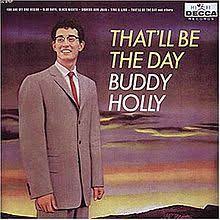
Blue Days Black Nights was recorded by Buddy Holly in 1956 and released as his debut single on Decca Records. Produced by Owen Bradley in Nashville, the song showcased Holly's early rockabilly style, blending country influences with the emerging sound of rock 'n' roll.
Although the single failed to chart at the time, it marked the beginning of Holly's recording career and has since become an important part of his musical legacy. The song was later included on the compilation album The Complete Buddy Holly and has been covered by artists including Robert Plant.
Holly later expressed disappointment with the Decca recording sessions, believing the label had not fully captured the energetic sound he envisioned for his music.
What You'll Learn From This Lesson
This Buddy Holly guitar lesson is played in standard tuning with no capo and uses the chords A, E7, D, D7 and Ab. The rhythm is built around a root down, up, down, up, down, up repeating strumming pattern that captures the classic Buddy Holly rockabilly rhythm guitar style.
I'd rate this one as intermediate, mainly because of the faster chord changes and the coordination needed between the rhythm strumming, bass runs, and lead embellishments. If you're learning Blue Days, Black Nights on acoustic guitar, start by mastering the chord progression at a slow tempo while keeping the rhythm steady.
Once the groove feels natural, add the bass runs, then work the lead fills into the arrangement before gradually increasing the speed until you can comfortably play along with either my lesson or the original Buddy Holly recording.
Blue Days Black Nights Guitar Lesson Details - (chords & lyrics sheet incl with lesson)
Back To Song List
Brown Eyed Handsome Man - Learn To Play On Acoustic Guitar
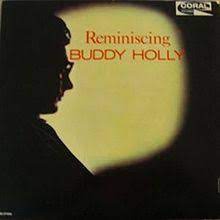
Brown Eyed Handsome Man was written and first recorded by Chuck Berry in 1956 before Buddy Holly recorded his energetic rock 'n' roll version later that year. Holly's recording was released in 1957 as the B-side of "Too Much Monkey Business" and was later included on the posthumous compilation album Reminiscing in 1963.
Although it was never a major chart hit, Holly's spirited performance became a favourite among fans and demonstrated his ability to put his own stamp on Berry's material.
Holly admired Chuck Berry's songwriting and was one of the earliest white rock 'n' roll artists to record Berry's music, helping introduce his songs to an even wider audience.
What You'll Learn From This Lesson
This Buddy Holly guitar lesson is played in standard tuning with no capo and uses the chords E, A, B7 and D. You'll learn a steady down-up strumming pattern, with a few double downstrokes and an optional shuffle rhythm to capture the song's classic rock-and-roll feel.
The arrangement includes an opening riff that begins higher up the neck before resolving to the E chord, plus a lead break that appears twice using sliding chord shapes instead of difficult single-note solos. I'd rate this lesson as easy to intermediate. While the chord shapes are straightforward, the challenge is moving smoothly between the riff and the E chord while keeping the rhythm steady.
My advice is to learn the chord progression and strumming first, then practise the riff and lead break separately before gradually bringing the song up to full speed.
Guitar Lesson Details
- (chords & lyrics sheet incl with lesson)
Back To Song List
Everyday - Learn To Play On Acoustic Guitar
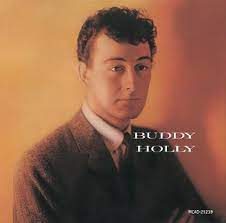
Everyday was written by Buddy Holly and Norman Petty and released in 1957 on The "Chirping" Crickets, the only studio album issued during Holly's lifetime. The song was also released as the B-side of the hit single "Peggy Sue." Unlike many early rock 'n' roll recordings,
Everyday features a gentle arrangement with soft percussion, acoustic guitar, and celesta, creating one of Holly's most distinctive and enduring performances.
Although it was not originally promoted as the featured side of the single, the song has since become one of Holly's best-loved recordings and has been covered by artists including James Taylor, Don McLean, and Fiona Apple. Its warm, understated sound continues to make it a favourite among acoustic guitar players.
What You'll Learn From This Lesson
This Buddy Holly guitar lesson is played in standard tuning with no capo and combines a root up, down, up, root up, down, up strumming pattern with a small amount of picking blended naturally into the rhythm. The arrangement uses the chords G, Em, Am7, D7, C, D, F, A# and D# to create a smooth acoustic guitar arrangement that captures the gentle feel of the original recording.
I'd rate this lesson as easy and beginner-friendly. Although there are several chords, the real challenge is keeping the rhythm relaxed and even while blending the picking smoothly into the strumming. My advice is to learn the chord progression first, then concentrate on keeping a steady pulse before adding the picking sections. Once the rhythm feels comfortable, you'll find this is an enjoyable song to sing along with while developing better timing and control.
Guitar Lesson Details
- (chords & lyrics sheet incl with lesson)
Back To Song List
Fools Paradise - Learn To Play On Acoustic Guitar
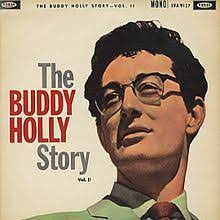
Fool's Paradise was originally recorded by Charles Brown in 1955 before Buddy Holly put his own rock 'n' roll stamp on the song during the famous Clovis recording sessions in 1958.
Holly's version was later released on the posthumous album Reminiscing (1963) and has since become a favourite among fans of his later recordings. Blending blues influences with Holly's distinctive vocal style and rhythmic guitar work, the performance demonstrates the musical maturity he was developing during the final year of his career.
Although never released as a major hit single, the recording remains an excellent example of Holly's ability to reinterpret rhythm and blues material while making it unmistakably his own.
What You'll Learn From This Lesson
For my arrangement of this Buddy Holly lesson, I've chosen Drop D tuning with a capo on the 3rd fret and use the chords D, G, A, E and Db7. You'll learn a steady down, down, down, down strumming pattern, smooth bass runs and a short picking break, all blended together to create a full early rock-and-roll rhythm guitar arrangement.
I'd rate this lesson as easy and beginner-friendly. Start by learning the chord progression and strumming pattern first, then add the bass runs before tackling the short picking section. Once each part feels comfortable on its own, blend them together and gradually increase the tempo until you can play the complete arrangement with confidence.
Guitar Lesson Details
- (chords & lyrics sheet incl with lesson)
Back To Song List
Bonus Lesson: I Fought The Law – Bobby Fuller Four
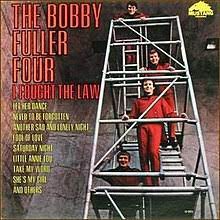
I Fought The Law was written by Sonny Curtis, a member of The Crickets, shortly after Buddy Holly's death in 1959. Although Holly never recorded the song himself, Curtis had played guitar with Holly and was inspired by the musical direction they had shared.
The song was first released by The Crickets in 1960 before becoming a major hit for The Bobby Fuller Four in 1966, reaching No. 9 on the Billboard Hot 100. It was later revived by The Clash in 1979, introducing the song to a new generation of rock fans.
Today, it remains one of the best-known songs ever written by a member of Buddy Holly's legendary backing band.
What You'll Learn From This Lesson
For this acoustic guitar arrangement of I Fought the Law, I've chosen Drop D tuning and use the chords D, G, A and D7. The lesson combines a steady shuffle strumming pattern with walking bass runs, downstroke chops and a little picking blended naturally into the rhythm to create a full early rock-and-roll accompaniment.
I'd rate this lesson as easy to intermediate. While the chord progression is straightforward, the challenge is keeping the rhythm driving while smoothly blending the bass runs and picking into the strumming. The arrangement also includes a short picking break that fits naturally within the rhythm rather than feeling like a separate lead guitar part. My advice is to learn the chord progression and shuffle rhythm first, then add the bass runs and picking one step at a time before gradually increasing the tempo.
Guitar Lesson Details
- (chords & lyrics sheet incl with lesson)
Back To Song List
I Guess It Doesn't Matter Anymore - Learn To Play On Acoustic Guitar
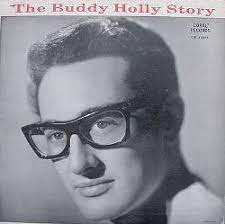
I Guess It Doesn't Matter Anymore was written by Paul Anka especially for Buddy Holly and recorded in 1958 during Holly's final New York recording sessions.
Released as a single shortly before Holly's tragic death in February 1959, the song reached No. 13 on the Billboard Hot 100 and later became one of his most enduring hits. Unlike Holly's earlier rock 'n' roll recordings, the song features a polished orchestral arrangement by Don Costa, reflecting Holly's growing interest in expanding his musical style.
As a lasting tribute to his friend, Paul Anka generously assigned his songwriting royalties from the song to Holly's widow, Maria Elena Holly, providing financial support after the singer's untimely passing.
What You'll Learn From This Lesson
This Buddy Holly guitar lesson is played in standard tuning using the chords G, D, D7, Em and A7. You'll learn a root down, up, down, up, down, up strumming pattern that weaves together hammer-on riffs, descending bass lines and short picked phrases into one smooth acoustic guitar arrangement.
I'd rate this lesson as intermediate. The chord progression itself is straightforward, but the real challenge is singing while keeping the hammer-ons and rhythm flowing together. It's a bit like walking and chewing gum at the same time. My advice is to learn the strumming pattern and chord progression first, then practise the hammer-ons and bass lines separately before combining everything with the vocal.
Guitar Lesson Details
- (chords & lyrics sheet incl with lesson)
Back To Song List
I'm Gonna Love You Too - Learn To Play On Acoustic Guitar
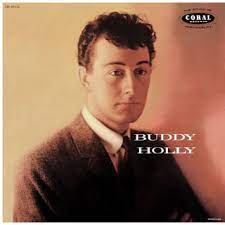
I'm Gonna Love You Too was written by Buddy Holly, Joe B. Mauldin, and Norman Petty and appeared on Holly's second studio album, Buddy Holly, released in 1958.
Although it was never issued as a major charting single, the upbeat rocker became a favourite among fans thanks to its infectious rhythm, driving guitar, and Holly's confident vocal performance. The song captures the excitement and optimism of young love while showcasing the energetic style that helped define early rock 'n' roll.
Its steady rhythm and straightforward chord progression have made it a popular choice for guitar players looking to explore Buddy Holly's distinctive approach to rhythm guitar and the sound that influenced generations of rock musicians.
What You'll Learn From This Lesson
This Buddy Holly guitar lesson is played in standard tuning with no capo and uses the chords A, D, E and E7. You'll learn a steady down-up strumming pattern, along with an opening descending riff before the rhythm begins and a few simple bass runs blended into the arrangement.
I'd rate this lesson as easy. The chord shapes themselves are straightforward, but the progression moves quite quickly, so the biggest challenge is making clean chord changes while keeping the rhythm steady. My advice is to practise the chord progression slowly first, then add the opening riff and bass runs before gradually increasing the tempo until you can play the arrangement comfortably.
Guitar Lesson Details
- (chords & lyrics sheet incl with lesson)
Back To Song List
Listen To Me - Learn To Play On Acoustic Guitar
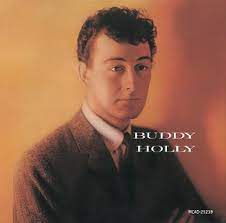
Listen to Me was recorded by Buddy Holly during his final New York recording sessions in 1958 and was released posthumously as a single in 1959. The song later appeared on the compilation album The Buddy Holly Story and features Holly's warm vocal delivery alongside a polished orchestral arrangement that reflected the broader musical direction he was exploring late in his career.
Although the single did not chart in the United States, it reached No. 13 on the UK Singles Chart, where Holly's music continued to enjoy enormous popularity after his death.
Its heartfelt lyrics and memorable melody have made it one of Holly's enduring ballads and a favourite among fans of his later recordings.
What You'll Learn From This Lesson
This Buddy Holly guitar lesson is played in standard tuning with no capo and uses just three chords: A, D and E. You'll learn a root, up, down, up, down, down, up strumming pattern that gives the song its distinctive rhythmic feel, along with a recurring descending intro riff woven naturally into the arrangement.
I'd rate this lesson as intermediate. The chord progression is straightforward, but the challenge comes in blending the riff into the rhythm without interrupting the flow. During the lead break, you'll play the same idea in reverse as the riff climbs up the fretboard instead of descending, making it easier to learn because you're already familiar with the pattern.
My advice is to master the rhythm first, then practise the descending and ascending riff separately before bringing everything together at full tempo.
Guitar Lesson Details
- (chords & lyrics sheet incl with lesson)
Back To Song List
Maybe Baby - Learn To Play On Acoustic Guitar
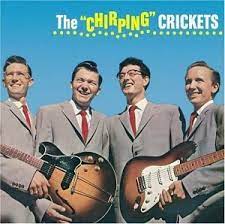
Maybe Baby was written by Buddy Holly and Norman Petty and recorded by Buddy Holly and The Crickets in 1957 for their debut album, The "Chirping" Crickets. Released as a single in 1958, the song reached No. 17 on the Billboard Hot 100 and No. 4 on the UK Singles Chart, becoming one of Holly's most successful recordings.
Driven by its infectious rhythm, memorable handclaps, and Holly's unmistakable vocal style, Maybe Baby perfectly captures the youthful energy that helped define early rock 'n' roll.
The song has remained a favourite with musicians and fans alike, and its straightforward chord progression and lively rhythm make it an excellent choice for acoustic guitar players exploring Buddy Holly's timeless catalogue.
What You'll Learn From This Lesson
This Buddy Holly guitar lesson is played in standard tuning with no capo and uses the chords A, Gbm, D, E and A7. You'll learn two easy strumming patterns that both work well with the song: a root down, up, down, up, root up, down, up pattern and a root down, up, root up, down, up variation. In my arrangement, I use both, along with a classic down, down, down, down rock-and-roll rhythm while adding a few simple hammer-ons to give the song extra character.
I'd rate this lesson as easy and beginner-friendly. The chord progression is straightforward, but the real goal is learning how different rhythm patterns can create the same driving early rock-and-roll feel.
My advice is to become comfortable with each strumming pattern separately before blending them together, then add the hammer-ons once the rhythm feels natural and steady.
Guitar Lesson Details
- (chords & lyrics sheet incl with lesson)
Back To Song List
Oh Boy - Learn To Play On Acoustic Guitar
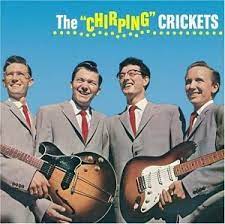
Oh Boy! was recorded by Buddy Holly and The Crickets in 1957 and appeared on their debut album, The "Chirping" Crickets.
Written by Sonny West, Bill Tilghman, and Norman Petty, the song was released as a single in 1958, reaching No. 10 on the Billboard Hot 100 and No. 3 on the UK Singles Chart. Bursting with youthful enthusiasm,
Oh Boy! features Holly's energetic vocals, driving rhythm guitar, and the unmistakable sound that helped define early rock 'n' roll. The song became one of Holly's signature recordings and has been covered by artists including The Hollies and Paul McCartney, whose admiration for Holly helped inspire a new generation of rock musicians.
What You'll Learn From This Lesson
For my acoustic guitar arrangement of "Oh Boy," I've chosen Drop D tuning with a capo on the 2nd fret to keep the song in the original key while using the chord shapes G, C, D and C7. I use this approach because, in my opinion, it creates a fuller rhythm sound on a single acoustic guitar than playing the standard chord shapes. You'll also learn a steady down, up, pause, up, down, up, pause, up strumming pattern, along with a short lead break that blends naturally into the rhythm.
I'd rate this lesson as easy and beginner-friendly. The chord progression is straightforward, but the rhythm is what gives the song its energy. My advice is to learn the strumming pattern first, then add the short lead break once the rhythm feels comfortable. If the original key suits your voice without a capo, you can simply play the arrangement using the same chord shapes without it.
Guitar Lesson Details
- (chords & lyrics sheet incl with lesson)
Back To Song List
Peggy Sue - Learn To Play On Acoustic Guitar
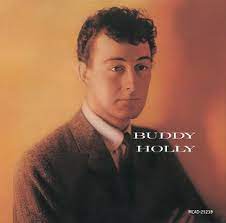
Peggy Sue was recorded by Buddy Holly and The Crickets in 1957 and released as a single from their debut album, The "Chirping" Crickets.
Written by Buddy Holly, Jerry Allison, and Norman Petty, the song reached No. 3 on the Billboard Top 100 and became one of Holly's signature rock 'n' roll classics. Named after drummer Jerry Allison's girlfriend, Peggy Sue Gerron, the recording is instantly recognizable for its driving rhythm, hiccupping vocal style, and Allison's energetic drum pattern.
Holly later revisited the story with Peggy Sue Got Married, recorded in 1959 and released posthumously. Today, Peggy Sue remains one of the defining recordings of the rock 'n' roll era and was inducted into the Grammy Hall of Fame.
What You'll Learn From This Lesson
This Peggy Sue acoustic guitar lesson is played in standard tuning using the chords A, D, E and F. The strumming pattern is a steady down-up, down-up, down-up rhythm that continues throughout the song, with a few rhythm chops added for extra punch. There is no lead guitar work in my arrangement; instead, you'll play a short rhythm shuffle break that keeps the focus on the driving rock-and-roll rhythm.
I'd rate this one as easy and beginner-friendly, particularly because the chord progression and strumming pattern are straightforward. The main challenge is maintaining the fast rhythm for the entire song without your strumming arm becoming tired or tense.
Start at a comfortable tempo, keep your right arm relaxed, and gradually build up speed and endurance before attempting the song at full pace.
Guitar Lesson Details
- (chords & lyrics sheet incl with lesson)
Back To Song List
Raining In My Heart - Learn To Play On Acoustic Guitar

Raining In My Heart was recorded by Buddy Holly during his final New York recording sessions in 1958 and released posthumously as a single in 1959.
Written by the celebrated husband-and-wife songwriting team Felice and Boudleaux Bryant, the song reached No. 23 on the Billboard Hot 100 and No. 12 on the UK Singles Chart. Featuring a polished orchestral arrangement, Raining in My Heart revealed a softer, more mature side of Holly's artistry, moving beyond the energetic rock 'n' roll sound that first made him famous.
Its heartfelt lyrics and gentle melody have helped it remain one of Holly's most enduring ballads, demonstrating the musical direction he was exploring before his career was tragically cut short.
What You'll Learn From This Lesson
This Raining In My Heart acoustic guitar lesson is played in G in standard tuning using the chords G, G/D#, G/E, G7, C, Dm, A7, Am7, Cdim and D7. One of the key features of the arrangement is an ascending bass line through the verse, which adds movement while keeping the accompaniment full on a single acoustic guitar. The strumming pattern follows a steady root-down-up, root-up-down-up rhythm, with a very short picking section also included.
I'd rate this one as easy, although there are more chord shapes to remember than in some Buddy Holly songs. Start by becoming comfortable with the chord progression and bass movement, then practise the rhythm separately. Once those changes are flowing smoothly, the short picking section should be fairly easy to add.
Guitar Lesson Details - (chords & lyrics sheet incl with lesson)
Back To Song List
Rave On - Learn To Play On Acoustic Guitar
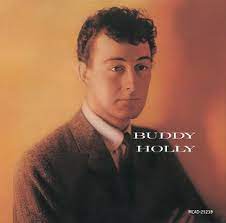
Rave On was recorded by Buddy Holly in 1958 and appeared on his self-titled album, Buddy Holly. Written by Sonny West, Bill Tilghman, and Norman Petty, the song had first been recorded by West before Holly transformed it into one of his most energetic rock 'n' roll performances.
Released as a single, Holly's version reached No. 37 on the Billboard Hot 100, No. 5 in the UK, and became another enduring favourite from his brief career. The phrase "rave on" was inspired by Carl Perkins' "Dixie Fried," which Sonny West had heard before writing the song.
Its pounding rhythm and exuberant vocal performance helped make Rave On a rock 'n' roll standard subsequently recorded by numerous artists.
What You'll Learn From This Lesson
This Rave On acoustic guitar lesson is played in standard tuning using the chords G, G7, C and D with a steady down-up, down-up strumming pattern. You'll also work a familiar rock-and-roll rhythm pattern into the chords, using two-note movement on the upper strings with downstrokes to give a single acoustic guitar a fuller sound. In the chorus, a few accent chops break up the continuous rhythm and add extra punch.
There is no guitar lead break in the original song, but my arrangement includes a short melody-based picking section blended into the rhythm. I'd rate this lesson as easy for most players.
Once the basic rhythm is comfortable, concentrate on getting the chorus accents in the right places without losing the steady strumming pattern.
Guitar Lesson Details
- (chords & lyrics sheet incl with lesson)
Back To Song List
Reminiscing - Learn To Play On Acoustic Guitar
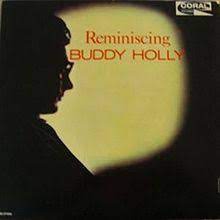
Reminiscing was written by King Curtis and recorded by Buddy Holly during his final New York recording sessions in 1958. Although the recording remained unreleased during Holly's lifetime, it was issued in 1963 as the title track of the posthumous album Reminiscing.
Enhanced with harmony vocals by The Picks, the song reached No. 17 on the UK Singles Chart, reflecting the continued popularity of Holly's music several years after his death.
With its warm melody and reflective lyrics, Reminiscing offers a glimpse of the more polished musical direction Holly was exploring during his final recordings and remains a favourite among fans of his later work.
What You'll Learn From This Lesson
This Reminiscing acoustic guitar lesson uses Drop D tuning with a capo on the 2nd fret. The original is in E using chords such as E, A and B7, but I play the song with D, G and A shapes to better suit my vocal range. The Drop D tuning also gives the arrangement a deeper sound and makes it easier to adapt the original saxophone break to acoustic guitar without losing the rhythm underneath it.
For the strumming pattern, you can use steady downstrokes or a down-up, down-up pattern; I use downstrokes in my version. I'd rate this intermediate-friendly because of the improvised sax break. Learn the rhythm first, practise the break separately, then gradually blend the two together.
Guitar Lesson Details
- (chords & lyrics sheet incl with lesson)
Back To Song List
Rockin Around With Ollie Vee - Learn To Play On Acoustic Guitar
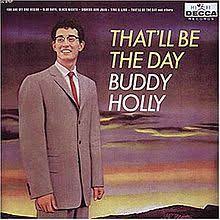
Rockin' Around With Ollie Vee was recorded by Buddy Holly during his Decca recording sessions in 1956 and released later that year as the B-side of "Modern Don Juan."
One of Holly's earliest commercially released recordings, the song captures the energetic rockabilly sound he was developing before achieving worldwide success with The Crickets. Although it failed to chart, its driving rhythm, spirited vocal performance, and twangy guitar work have made it a favourite among fans of Holly's early career.
Looking back, the recording offers an intriguing glimpse of the young artist whose blend of country, rhythm and blues, and rock 'n' roll would soon influence generations of musicians.
What You'll Learn From This Lesson
This Rockin' Around With Ollie Vee acoustic guitar lesson is played in standard tuning using the chords A, A7, D, Cdim and E. The strumming pattern is a steady down-up, down-up rhythm, with hammer-ons added to the chords to create that driving 1950s rock-and-roll sound.
The original recording includes separate guitar and saxophone lead breaks, but reproducing those parts on one acoustic guitar would mean losing the rhythm underneath them. In my arrangement, you'll simply play the chord progression through both instrumental breaks, keeping the song full and moving. I'd rate this one as easy and beginner-friendly.
The main thing to practise is keeping your right hand moving consistently throughout the song so the rhythm never drops out, particularly as you move through the instrumental sections.
Guitar Lesson Details
- (chords & lyrics sheet incl with lesson)
Back To Song List
Tell Me How - Learn To Play On Acoustic Guitar
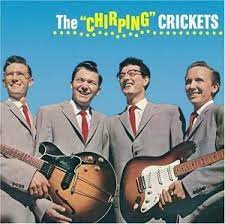
Tell Me How was written and recorded by Buddy Holly in 1957 and appeared on the debut album The "Chirping" Crickets. Although it was never released as a charting single, the song became a favourite among fans for its heartfelt lyrics, memorable melody, and Holly's sincere vocal performance.
Built around a simple yet effective arrangement, Tell Me How showcases Holly's gift for blending rock 'n' roll with melodic pop, demonstrating that he was equally comfortable performing gentle love songs as energetic rockers.
While often overshadowed by his biggest hits, the recording remains an excellent example of Holly's songwriting ability and the musical versatility that made him one of rock's most influential pioneers.
What You'll Learn From This Lesson
This Tell Me How acoustic guitar lesson is played in standard tuning using the chords A, D, E and Gb. The strumming pattern is a steady down-up, down-up rhythm, with hammer-ons added to create the familiar early rock-and-roll rhythm heard throughout the arrangement. At the end of the verses, you'll also use a few downstrokes on the E chord to break up the regular strumming pattern.
There are several short picking riffs blended into the rhythm that help complete the lead break without losing the accompaniment underneath. I'd rate this one as easy and beginner-friendly.
The main learning focus should be keeping the rhythm steady, then adding the hammer-ons, downstrokes and picking riffs without interrupting that continuous right-hand movement.
Guitar Lesson Details
- (chords & lyrics sheet incl with lesson)
Back To Song List
That'll Be The Day - Learn To Play On Acoustic Guitar
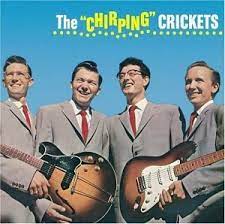
That'll Be The Day was recorded by Buddy Holly and The Crickets in 1957 and appeared on their debut album, The "Chirping" Crickets.
Written by Buddy Holly, Jerry Allison, and Norman Petty, the song became Holly's breakthrough hit, reaching No. 1 on the Billboard Best Sellers chart and No. 1 on the UK Singles Chart. Inspired by a line spoken by John Wayne in the 1956 western The Searchers, the recording's infectious rhythm, jangling guitar, and unmistakable vocal style helped define the sound of early rock 'n' roll.
That'll Be the Day launched Buddy Holly onto the international stage and remains one of the most influential recordings in popular music, inspiring artists from The Beatles to The Rolling Stones and countless musicians who followed.
What You'll Learn From This Lesson
This That’ll Be the Day acoustic guitar lesson is played in standard tuning using the chords A, D, E and B7. You'll learn the song's famous opening intro, giving you that recognizable hook before the vocals begin. The strumming pattern uses a steady down-up, down-up rhythm with hammer-ons, along with some downstroke accents and a rhythm change that helps duplicate the drum-roll effect heard in the song.
You'll also learn Buddy Holly's guitar lead, with some chord accompaniment wrapped around it so the rhythm continues underneath the picking. I'd rate this one as easy to intermediate.
Focus first on keeping the rhythm steady and getting the downstroke accents in place. Once that's comfortable, practise the opening intro and lead break separately before blending everything together.
Guitar Lesson Details - (chords & lyrics sheet incl with lesson)
Back To Song List
Think It Over - Learn To Play On Acoustic Guitar
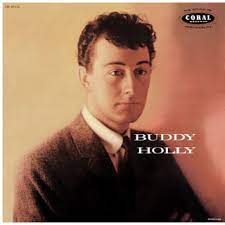
Think It Over was written by Buddy Holly and Norman Petty and appeared on Holly's second studio album, Buddy Holly, released in 1958. Issued as a single, the song reached No. 27 on the Billboard Hot 100, becoming one of Holly's final chart hits during his lifetime.
Blending rock 'n' roll with a touch of rhythm and blues, the recording features an infectious walking bass line, crisp guitar work, and Holly's unmistakable vocal style. Its catchy melody and polished arrangement demonstrate the musical confidence Holly had developed by the late 1950s.
Although often overshadowed by his biggest hits, Think It Over remains a favourite among fans and highlights Holly's continued growth as both a songwriter and recording artist.
What You'll Learn From This Lesson
This Think It Over acoustic guitar lesson uses the chords G, G7, C or C7, and D7 with a steady down-up, down-up strumming pattern. The original recording is in A, while I play the song lower in G. If you want to return to the original key, simply place a capo on the 2nd fret and keep the same chord shapes and arrangement.
You'll also learn how to blend walking bass into the rhythm, giving a single acoustic guitar a fuller sound. Since the original instrumental break is played on piano, I've adapted it into an improvised bass-based break blended with the rhythm, so the accompaniment keeps moving. I'd rate this as beginner-friendly.
Once you know the chords, concentrate on adding the walking bass without interrupting your steady strumming pattern.
Guitar Lesson Details
- (chords & lyrics sheet incl with lesson)
Back To Song List
True Love Ways - Learn To Play On Acoustic Guitar
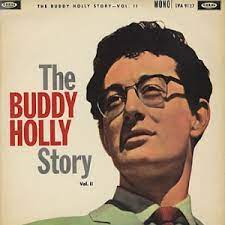
True Love Ways was written by Buddy Holly in 1958 as a heartfelt tribute to his wife, Maria Elena, and recorded during his final New York sessions with the Dick Jacobs Orchestra.
Released posthumously in 1960, the single reached No. 25 on the UK Singles Chart and later appeared on The Buddy Holly Story, Vol. 2. With its sweeping orchestral arrangement and tender vocal performance, True Love Ways revealed a more mature and romantic side of Holly's songwriting, far removed from the energetic rock 'n' roll that first made him famous.
The song later became a major hit for Peter & Gordon and Mickey Gilley, and Maria Elena Holly often described it as Buddy's musical love letter and wedding gift to her.
What You'll Learn From This Lesson
This True Love Ways acoustic guitar lesson keeps the song in its original key of A#, but uses a capo on the 3rd fret so we can work mainly with easier G-based chord shapes. The chords in my arrangement are G, Bm, C, Em, D, Am7, Cm, Adim, D#, F, A# and D7. You can use a simple root-up-down-up rhythm, or the root-up-down-up-down pattern I use for a softer feel.
The original recording is heavily orchestrated, including an instrumental break where the orchestra carries the melody with some underlying saxophone. I'll show you how to adapt that melody break to acoustic guitar while keeping the rhythm moving. I'd rate this arrangement as beginner-friendly.
Experiment with both rhythm patterns, choose the one that feels best, then learn the instrumental break separately before blending everything together.
Guitar Lesson Details
- (chords & lyrics sheet incl with lesson)
Back To Song List
Words Of Love - Learn To Play On Acoustic Guitar
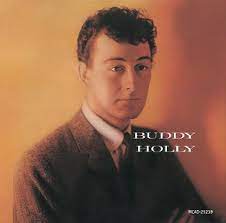
Words Of Love was written and recorded by Buddy Holly in 1957 and later appeared on his self-titled album, Buddy Holly, released in 1958. Although Holly's original recording did not chart, it became one of his most influential compositions thanks to its innovative use of double-tracked vocals, allowing Holly to sing harmony with himself—a recording technique that was still uncommon in popular music.
The song found commercial success later that year when The Diamonds took it to No. 13 on the Billboard charts. The Beatles, lifelong admirers of Holly, recorded their own faithful version for Beatles for Sale in 1964, helping introduce the song to a new generation of listeners.
Today, Words of Love remains one of Buddy Holly's most admired and enduring compositions.
What You'll Learn From This Lesson
This Words of Love acoustic guitar lesson keeps the song in its original key of A, but I play it using G, C and D chord shapes with a capo on the 2nd fret. The capo makes it easier to incorporate the song's recognizable guitar riffs and lead slides while keeping some rhythm underneath, giving one acoustic guitar a fuller sound that's closer to having two players.
For rhythm, I use a root-down-up, root-up-down-up rake pattern, dragging the pick across the strings on that first downstroke to add some texture and movement to the arrangement. I'd rate this lesson as intermediate because of the coordination required to blend the riffs and lead work into the rhythm.
Learn the chords and strumming pattern first, then practise the recurring riffs separately before tackling the lead break and bringing everything together.
Guitar Lesson Details
- (chords & lyrics sheet incl with lesson)
Back To Song List
Frequently Asked Questions About Buddy Holly Guitar Lessons
What are Buddy Holly's most famous songs?
Buddy Holly's most famous songs include Peggy Sue, That'll Be The Day, Everyday, Oh Boy!, Rave On, Maybe Baby, Words Of Love, and It Doesn't Matter Anymore. These recordings helped define early rock and roll and continue to influence guitar players, songwriters, and performers decades after their release.
Did Buddy Holly write his own songs?
Yes. Buddy Holly co-wrote many of his best-known songs, including That'll Be The Day, Peggy Sue, Oh Boy!, and Rave On. While he also recorded material written by other songwriters, Holly was one of the first major rock-and-roll artists to be heavily involved in writing and arranging his own music.
Why is Buddy Holly important to rock and roll history?
Buddy Holly helped establish the blueprint for the modern rock band. He wrote songs, played guitar, sang lead vocals, and recorded with a self-contained group. His influence can be heard in artists such as The Beatles, The Rolling Stones, Bob Dylan, and countless others who followed.
Are Buddy Holly songs good for beginner guitar players?
Many Buddy Holly songs are excellent for beginners because they use straightforward chord progressions and familiar rhythm patterns. Songs such as Everyday, That'll Be The Day, and Peggy Sue allow newer players to focus on timing, rhythm, and chord transitions without overly complex lead guitar work
What makes Buddy Holly's guitar style unique?
Buddy Holly combined country, rhythm and blues, and early rock-and-roll influences into a clean, rhythmic guitar style. His playing often relied on strong chord work, simple but memorable riffs, and an energetic rockabilly feel that works especially well on acoustic guitar.
Can Buddy Holly songs be played on acoustic guitar?
Absolutely. Most Buddy Holly songs adapt very well to acoustic guitar because the strength of the music comes from the chord progressions, rhythm, melodies, and vocal delivery. Many of his recordings can be performed effectively with a single acoustic guitar and vocal.
What is the difference between Buddy Holly's rockabilly songs and ballads?
Buddy Holly's rockabilly songs typically feature driving rhythms, upbeat tempos, and energetic guitar work, while his ballads focus more on melody, harmony, and vocal expression. Both styles remain popular with acoustic guitar players because they develop different aspects of musicianship.
What tuning is used in these Buddy Holly guitar lessons?
Most lessons on this page are taught in standard tuning. In some cases a capo may be used to better match the original recording or to suit a particular vocal range, but standard tuning remains the foundation for the majority of the arrangements.
Why do Buddy Holly songs still work so well today?
Buddy Holly's songs continue to connect with listeners because of their strong melodies, simple arrangements, memorable lyrics, and timeless songwriting. Even decades later, they remain enjoyable to sing, play, and teach on acoustic guitar.
What can guitar players learn from Buddy Holly songs?
Buddy Holly songs are excellent studies in rhythm guitar, chord movement, rockabilly grooves, vocal accompaniment, and song structure. They teach players how to make simple chord progressions sound musical and engaging without relying on complicated techniques.
Buddy Holly's influence can still be heard in generations of rock, pop, and country artists who followed him. His songs remain favourites for acoustic guitar because they combine simple chord structures with memorable rhythms and timeless melodies that are enjoyable for players of every skill level.
Be sure to watch the overview video above for a preview of the complete collection, then explore the individual lessons to learn each song in greater detail. Every tutorial includes downloadable materials designed to help you build confidence and enjoy playing these rock 'n' roll classics.
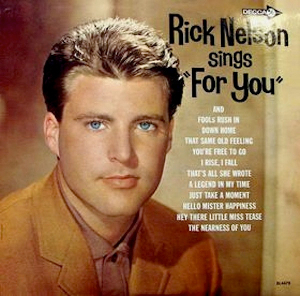
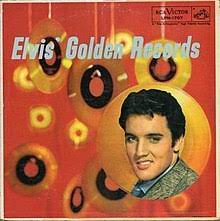
If you enjoy Buddy Holly's timeless rock 'n' roll style, you may also enjoy guitar lessons from fellow 1950s pioneers including The Everly Brothers, Roy Orbison, Ricky Nelson, Chuck Berry, and Elvis Presley. You can also return to our 50s Guitar Songs directory to explore even more classic artists and songs.
If you enjoyed this best of Buddy Holly songs page, you might also like ... (click images)

Top Hits Of The 50s
Latest 100 Tutorials
© 2019–2026 KirbysGuitarLessons.com — All Rights Reserved