Learn the Best Everly Brothers Guitar Songs

The Everly Brothers helped shape the sound of early rock and roll with their signature harmonies and acoustic-driven songwriting. On this page, you’ll find guitar lessons for 11 of their most timeless songs.
From upbeat classics like “Bye Bye Love” and “Bird Dog” to emotional ballads like “Devoted To You” and “Ebony Eyes,” each arrangement includes guitar chords, rhythm and playing tips, with an overview video above where you can preview all 11 songs.
Whether you're a fan of vintage rock or classic country-pop, these Everly Brothers songs are perfect for your acoustic setlist.
🎸 Watch the Everly Brothers Guitar Lessons Overview
performance clips taken directly from the complete lesson videos.
Click Play, then drag the timeline to quickly preview any Everly Brothers lesson featured on this page.
Note: Every arrangement has been personally created, recorded and taught by Kirby
using teaching methods refined through decades of acoustic guitar instruction.
What's Included With Every Lesson
📦 Your Lesson Package Includes
✓ 8–12 minute HD video lesson so you can learn each song step-by-step.
✓ Printable chords & lyrics PDF for easy practice away from the screen.

✓ Instant download—start playing in minutes.
✓ Learn at your own pace on any device.
New To The Everly Brothers?
Start with beginner-friendly lessons such as Bird Dog, Bye Bye Love, Claudette, or Cathy's Clown. These songs use straightforward chord progressions, familiar rhythm patterns, and little or no lead work, making them excellent introductions to The Everly Brothers' style.Skill Level
These Everly Brothers guitar lessons are suitable for beginner to intermediate players. Most arrangements focus on rhythm guitar, bass movement, arpeggio patterns, and vocal accompaniment rather than extended lead guitar solos. Several songs also provide a great opportunity to work on harmony singing while developing rhythm and timing skills.Suggested Learning Path
Getting Started
- Bird Dog
- Bye Bye Love
- Claudette
- Cathy's Clown
These lessons feature simple chord progressions, familiar strumming patterns, and minimal technical demands, making them ideal for newer players.
Building Your Rhythm & Performance Skills
- All I Have To Do Is Dream
- Devoted To You
- Ebony Eyes
- Walk Right Back
These songs introduce bass runs, arpeggio work, optional melody lines, and more expressive vocal phrasing while remaining accessible to most players.
Ready For More Challenge
- Like Strangers
- Wake Up Little Susie
- Why Worry
These arrangements require greater control of arpeggios, rhythm changes, timing, chord movement, or more advanced accompaniment techniques that take additional practice to master.
The Everly Brothers Guitar Lessons Included On This Page
Bird Dog Guitar Lesson
Bye Bye Love Guitar Lesson
Cathy's Clown Guitar Lesson
Claudette Guitar Lesson
Devoted To You Guitar Lesson
Ebony Eyes Guitar Lesson
Like Strangers Guitar Lesson
Wake Up Little Susie Guitar Lesson
Walk Right Back Guitar Lesson
Why Worry Guitar Lesson
All I Have To Do Is Dream - Learn To Play On Acoustic Guitar
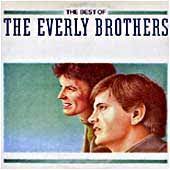
All I Have To Do Is Dream became one of The Everly Brothers’ defining recordings in 1958, topping the pop, country and R&B charts in the United States. Written by Boudleaux Bryant, it was issued by Cadence Records with “Claudette” on the B-side.
The recording was made in Nashville with Chet Atkins on guitar, whose gentle accompaniment complemented Don and Phil’s trademark close harmonies and helped create the song’s distinctive dreamlike sound. The success of “All I Have To Do Is Dream” established it as an enduring late-1950s classic, and it became one of the most covered songs in the Everlys’ catalog, with later versions by Roy Orbison, Richard Chamberlain, and Glen Campbell with Bobbie Gentry.
What You'll Learn From This Lesson
All I Have To Do Is Dream is played in standard tuning using the chords D, Bm, G, A7, Gbm, Em and E7. The Everly Brothers recorded the song in E, but I play it a little lower in D; simply place a capo on the 2nd fret if you want to match their original key while using my arrangement.
The rhythm is a root down-up-down-up, root up-down-up pattern with a few descending bass lines worked in along the way. There is no picking break in the original recording, so I’ve added an optional melody-based picking break that works nicely on acoustic guitar. I’d rate this as beginner friendly.
Learn the chords and rhythm first, then add the picking break before blending everything together.
Guitar Lesson Details - (chords & lyrics sheet incl with lesson)
Back To Song List
Bird Dog - Learn To Play On Acoustic Guitar
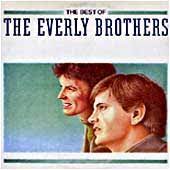
Bird Dog brought a playful streak to The Everly Brothers’ late-1950s catalog, pairing their unmistakable close harmonies with an upbeat rock and roll rhythm and a humorous story about a romantic rival nicknamed a “bird dog.”
Written by Boudleaux Bryant, the song was issued by Cadence Records in 1958 with “Devoted to You” on the flip side. It became another major crossover hit for Don and Phil, reaching No. 1 on the Billboard country chart and No. 2 on the Billboard Hot 100.
Its catchy rhythm, teasing lyric and distinctive vocal delivery helped make “Bird Dog” one of the duo’s most recognizable recordings from their breakthrough years.
What You'll Learn From This Lesson
Bird Dog is played in standard tuning with a capo on the 2nd fret, keeping the song in its original key of B while allowing you to use the easier chord shapes A, D, G, E and D7. There’s no lead break in this arrangement, so the focus is on capturing that bouncy 1950s rock-and-roll feel with a down-up-down-up-down-up rhythm.
I also use hammer-ons to create a rock-and-roll riff sound, along with some quick shuffle strumming at the beginning and in several places throughout the song. You can simplify the rhythm by using all downstrokes if you prefer.
I’d rate this as easy and beginner friendly, so concentrate on learning the chords and getting that distinctive rhythm comfortable and steady.
Guitar Lesson Details - (chords & lyrics sheet incl with lesson)
Back To Song List
Bye Bye Love - Learn To Play On Acoustic Guitar
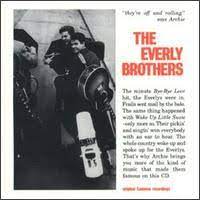
Bye Bye Love gave The Everly Brothers their breakthrough in 1957 after the song had reportedly been rejected by several other artists before Don and Phil recorded it.
Written by Boudleaux and Felice Bryant, it was released on Cadence Records and later included on the duo’s debut album, The Everly Brothers. The recording’s blend of country, rockabilly and early rock and roll became an important part of the Everlys’ developing sound, while its No. 2 pop and No. 1 country chart success launched the brothers into stardom.
With its crisp acoustic rhythm, heartbreak theme and distinctive close sibling harmonies, “Bye Bye Love” became one of the defining recordings of the early rock-and-roll era.
What You'll Learn From This Lesson
Bye Bye Love is played in the original key of A and in standard tuning, using the chords A, G, D, E and C. There are no lead breaks, which helps make this a beginner-friendly song, but the interesting part is the change in feel between the sections.
The verses have more of a country rhythm, using a root down-up-down-up-down-up pattern, while the chorus shifts into a stronger rock-and-roll feel as I follow the bass player’s sliding riff. That means you’ll be moving between two different rhythm approaches as you play.
Learn the chords and country rhythm first, then work on the bass riff and gradually blend it into the rhythm for the chorus sections.
Guitar Lesson Details - (chords & lyrics sheet incl with lesson)
Back To Song List
Cathy's Clown - Learn To Play On Acoustic Guitar

Cathy's Clown became one of The Everly Brothers’ defining hits when it arrived in 1960, marking the beginning of their Warner Bros. era after leaving Cadence Records.
Backed with “Always It’s You,” the single reached No. 1 in both the United States and United Kingdom and became one of the duo’s biggest international successes. Rather than following the straightforward feel of many of their earlier hits, the recording stands out for its dramatic, almost march-like rhythm, emotional heartbreak theme and unmistakable close harmonies.
The unusual arrangement helped give “Cathy’s Clown” a sound of its own while showing how the Everlys were expanding beyond the country-pop and early rock-and-roll style that had established them in the late 1950s.
What You'll Learn From This Lesson
Cathy’s Clown is played in standard tuning using the chords G, D, Em and C, with no lead work required.
What gives this arrangement its character is the use of two different rhythm patterns. The first is a down-down-down-up-down-up pattern that creates a slightly choppy, driving feel, with a few arpeggio notes blended into the ends of certain chords. From there, I switch into a quick shuffle rhythm using a down-down-down-up pattern, giving the song another change in feel. I’d rate this as easy and beginner friendly.
Learn the chords and first rhythm pattern, work in the arpeggio notes, and then tackle the quicker shuffle before putting the entire arrangement together.
Guitar Lesson Details - (chords & lyrics sheet incl with lesson)
Back To Song List
Claudette - Learn To Play On Acoustic Guitar
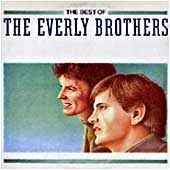
Claudette gave Roy Orbison one of his earliest important songwriting successes when The Everly Brothers recorded it in 1958.
Named after Orbison’s first wife, the song was released during the Everlys’ classic Cadence Records period as the B-side of their huge hit “All I Have To Do Is Dream.” Although Orbison wrote the song, it was The Everly Brothers who made the first well-known hit recording, combining their close harmonies with an upbeat early rock-and-roll and rockabilly feel.
“Claudette” gained considerable attention despite being the flip side of such a successful single, and Orbison would later record the song himself. The connection makes it an interesting early link between two of the most distinctive acts to emerge from late-1950s rock and roll.
What You'll Learn From This Lesson
Claudette is played in standard tuning using the original three chords E, A and B7, with no lead work required.
I start with some quick shuffle strumming before moving into a down-up-down-up rhythm, blending in a bass line that helps give the arrangement its lively rock-and-roll feel. There are also several rhythmic accents and short shuffle passages worked into the song, so the right-hand rhythm is really the main focus here rather than lead guitar.
I’d rate this as beginner friendly. Start by learning the main rhythm, shuffle sections and accent positions, then work on the bass line separately before blending it into the rhythm for the finished arrangement.
Guitar Lesson Details - (chords & lyrics sheet incl with lesson)
Back To Song List
Devoted To You - Learn To Play On Acoustic Guitar
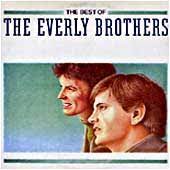
Devoted To You showed the softer side of The Everly Brothers when it appeared in 1958 as the B-side of the upbeat “Bird Dog.”
The gentle love song became a substantial hit in its own right, reaching No. 10 on the U.S. pop chart and adding another successful recording to the duo’s remarkable run during the Cadence Records years. Its appeal comes less from rock-and-roll energy than from the simple melody, intimate arrangement and close vocal harmonies that Don and Phil made their trademark.
That contrast with “Bird Dog” also made the single an excellent showcase for both sides of the Everlys’ sound — playful and energetic on one side, warm and romantic on the other.
What You'll Learn From This Lesson
Devoted To You was originally recorded in the key of E, which requires quite a high vocal range, so I’ve lowered the key in my arrangement to make it more comfortable to sing. The Everly Brothers didn’t include a lead break in their recording, but I’ve added an optional picking break while keeping some of the lead blended into the rhythm. Played in standard tuning, the rhythm is a root down-up-down-up root up down up pattern using the chords G, C, D, G6, Am, Bm, Em and A7. I also use several bass runs between the chords to help fill out the progression. I’d rate this as beginner friendly. Learn the rhythm first, add the bass runs, then work on blending the picking into the rhythm.
Guitar Lesson Details - (chords & lyrics sheet incl with lesson)
Back To Song List
Ebony Eyes - Learn To Play On Acoustic Guitar
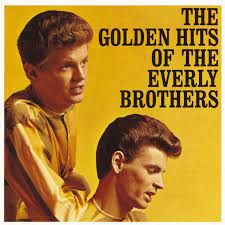
Ebony Eyes stands apart as one of The Everly Brothers’ more dramatic story songs.
Written by John D. Loudermilk, it was recorded by Don and Phil in 1960 and released on Warner Bros. in early 1961, paired with “Walk Right Back.” The heartbreaking narrative follows a serviceman waiting for his fiancée to arrive by plane, only to learn that tragedy has struck during the flight.
The song became part of the era’s memorable teen-tragedy ballad tradition and reached the U.S. charts, while in Britain “Ebony Eyes” and “Walk Right Back” were treated as a double-sided release that reached No. 1. Its unusually somber storytelling made it one of the Everlys’ most distinctive early-1960s recordings.
What You'll Learn From This Lesson
Ebony Eyes is played in the original key of E using just three chords — E, A and B7 — in standard tuning. Rather than using straight strumming,
I combine individual arpeggio notes with rhythm in what I call a 1-2-3 up-down-up pattern: three individual notes are played before finishing the chord with the rhythm. There’s no lead break in this one, but the arrangement presents a different challenge because the song combines singing with quite a bit of spoken storytelling.
I’d rate it as beginner friendly. Concentrate first on getting comfortable with the arpeggio-and-rhythm combination, then practice maintaining that steady accompaniment while moving naturally between the spoken and sung sections.
Guitar Lesson Details - (chords & lyrics sheet incl with lesson)
Back To Song List
Like Strangers - Learn To Play On Acoustic Guitar
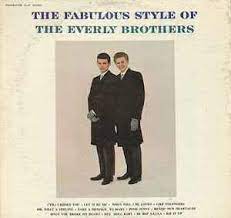
Like Strangers explores a more mature and bittersweet side of The Everly Brothers’ harmony-driven sound.
Written by Boudleaux Bryant, the song focuses on a relationship that has grown emotionally distant, giving Don and Phil a considerably more melancholy story than many of their youthful hits. Their recording appeared on The Fabulous Style of The Everly Brothers and was also issued by Cadence as a single, reaching No. 22 on the Billboard Hot 100 and No. 11 in the UK.
Two decades later, country singer Gail Davies brought “Like Strangers” back to the charts with her own recording, demonstrating how well Bryant’s reflective breakup song translated to another generation of country music.
What You'll Learn From This Lesson
Like Strangers is played with a capo on the 2nd fret to keep you in the original key of E, using the chords E, A, Db7, Gbm, B7 and Am. Rather than using a regular strumming pattern, I play arpeggio notes throughout most of the song, which gives the arrangement a fuller sound while supporting the slower, reflective feel of the number.
The main exception comes during one section where I switch to downstrokes on the Am chord. There’s no lead break, so the real focus is learning the individual note pattern played over each chord and moving smoothly between them.
I’d rate this beginner to intermediate, particularly if you're not yet comfortable maintaining arpeggio patterns while changing chords.
Guitar Lesson Details - (chords & lyrics sheet incl with lesson)
Back To Song List
Wake Up Little Susie - Learn To Play On Acoustic Guitar
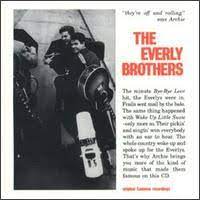
Wake Up Little Susie became one of The Everly Brothers’ defining early hits after its release on Cadence Records in 1957.
Written by Felice and Boudleaux Bryant, the song tells the playful story of two teenagers who fall asleep during a movie and wake up late, worried about what their friends and families will think. The situation was considered suggestive enough at the time that some radio stations reportedly restricted or avoided the record, but the controversy did little to slow its success.
The song reached No. 1 in the United States and became a showcase for Don and Phil’s close harmonies and energetic country-meets-rock-and-roll sound. It was later inducted into the Grammy Hall of Fame.
What You'll Learn From This Lesson
Wake Up Little Susie is played in standard tuning with the chords D, F, G, A and E. There’s no separate lead break, but my arrangement includes short riffs throughout the song, including some played farther up the fretboard that require fairly quick hand movement.
For the rhythm, I use a root down-up-down-up-down-up pattern, along with sections of steady down-up shuffle strumming and the occasional bass run to help capture the driving feel of the original. I’d rate this beginner to intermediate, mainly because of the quick chord changes and movement needed for the riffs.
Learn the chords and rhythm first, get comfortable with the faster changes, then tackle the riffs separately and blend them into the finished arrangement.
Guitar Lesson Details - (chords & lyrics sheet incl with lesson)
Back To Song List
Walk Right Back - Learn To Play On Acoustic Guitar
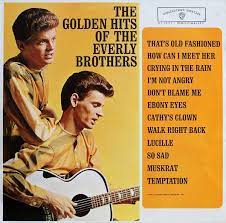
Walk Right Back became one of The Everly Brothers’ best-known Warner Bros. recordings in 1961.
Written by Sonny Curtis, a member of Buddy Holly’s Crickets, the song was paired with “Ebony Eyes” and became a major hit on both sides of the Atlantic. It reached No. 7 on the Billboard Hot 100, while in the UK the pairing of “Walk Right Back” and “Ebony Eyes” reached No. 1.
The recording combined Don and Phil’s unmistakable close harmonies with a bright, country-influenced pop sound that fit naturally into their early-1960s style. Years later, Anne Murray introduced the song to another generation, taking her version into the country charts in 1978.
What You'll Learn From This Lesson
Walk Right Back has a distinctive three-step riff sequence that I play over both the D and A chords. The riff itself isn’t especially difficult, but playing it while singing at the same time can be — this is definitely a “walk and chew gum” kind of song.
I use a root-up-down-up-down-up-down-up pattern through that section before switching to downstrokes and a root-down-up-bass-up-down-up rhythm elsewhere in the arrangement. Played in standard tuning, you’ll need the chords D, A, G, D/Gb, Em and Dmaj7, along with a few bass runs.
I’d rate this intermediate and above for a solo singer/guitarist. Learn the rhythms, bass runs and riff separately first, then practice singing over the riff once your hands can play it comfortably on their own.
Guitar Lesson Details - (chords & lyrics sheet incl with lesson)
Back To Song List
Why Worry - Learn To Play On Acoustic Guitar
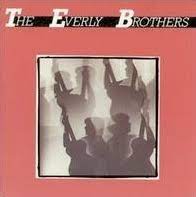
Why Worry gave The Everly Brothers a chance to put their unmistakable close harmonies around a song by a musician from a generation they had helped influence.
Written by Mark Knopfler, the gentle ballad first appeared on Dire Straits’ hugely successful 1985 album Brothers in Arms. Don and Phil recorded their own version during their comeback period for Born Yesterday, an album produced by Dave Edmunds. Rather than trying to duplicate the Dire Straits recording, the brothers naturally brought their harmony-driven sound to the song, making Knopfler’s melody feel remarkably suited to their voices.
The recording also provides an interesting link between the Everlys’ pioneering influence and the musicians who followed them.
What You'll Learn From This Lesson
My arrangement of “Why Worry” moves the original guitar intro into the lead-break section, where I use it as the main instrumental feature of the song.
I play in Drop D tuning with a capo on the 2nd fret, keeping the song in its original key of E while making the solo easier to handle with some wrapped chord shapes. Rather than the steady root-based rhythm heard in live Everly Brothers performances, my acoustic arrangement uses arpeggio notes, gentle bass runs, and sections that blend arpeggio playing with rhythm.
You’ll need D, A7, G, E7 and Em. I’d rate this beginner to intermediate. Learn the arpeggio pattern for each chord first, then the chord changes and bass runs before adding the riffs for the lead break.
Guitar Lesson Details - (chords & lyrics sheet incl with lesson)
Back To Song List
Frequently Asked Questions About The Everly Brothers Guitar Lessons
What Are The Everly Brothers' Most Famous Songs?
The Everly Brothers recorded some of the most successful songs of the late 1950s and early 1960s, including Bye Bye Love, All I Have To Do Is Dream, Wake Up Little Susie, Bird Dog, Cathy's Clown, and Walk Right Back. Their close vocal harmonies helped define the sound of early rock and roll and influenced generations of artists. Many of these songs remain popular with guitar players because they combine simple chord progressions with unforgettable melodies and vocal arrangements.
What Made The Everly Brothers' Harmony Singing Unique?
Don and Phil Everly created one of the most recognizable harmony styles in popular music. Rather than using a traditional lead singer with background vocals, they often sang intertwined harmony parts throughout entire songs. This approach gave recordings such as All I Have To Do Is Dream, Devoted To You, and Like Strangers their distinctive sound. Their harmony style became a major influence on artists including The Beatles, Simon & Garfunkel, Crosby, Stills & Nash, and countless country and folk performers.
Did The Everly Brothers Write Their Own Songs?
The Everly Brothers recorded songs from many of the best songwriters of their era, including Felice and Boudleaux Bryant, who wrote classics such as Bye Bye Love, Bird Dog, Wake Up Little Susie, and All I Have To Do Is Dream. Don Everly also wrote or co-wrote several songs throughout the duo's career, including Cathy's Clown, one of their biggest international hits. Their success came from both strong songwriting and their unique vocal chemistry.
What Was The Everly Brothers' First Major Hit?
Bye Bye Love became The Everly Brothers' breakthrough hit in 1957. Written by Felice and Boudleaux Bryant, the song reached the top of the country charts and crossed over to the pop charts, helping launch the duo into international stardom. The song's combination of country influences, rock-and-roll energy, and tight vocal harmonies became the blueprint for many of their future hits.
How Did The Everly Brothers Influence The Beatles?
The Beatles were heavily influenced by The Everly Brothers' harmony style. John Lennon and Paul McCartney often studied Everly Brothers recordings to learn how two singers could blend their voices so closely together. Songs such as Cathy's Clown, All I Have To Do Is Dream, and Wake Up Little Susie helped shape the vocal approach heard on many early Beatles recordings. Paul McCartney has frequently cited the Everlys as one of the duo's most important influences.
What Are The Easiest Everly Brothers Songs To Play On Guitar?
Many Everly Brothers songs are beginner friendly because they rely on straightforward chord progressions and steady rhythm patterns. Songs such as Bye Bye Love, Bird Dog, Wake Up Little Susie, and Walk Right Back are excellent choices for guitar players who want to learn classic rock and roll and country-influenced rhythm guitar. The bigger challenge is often singing the harmony parts rather than playing the chords themselves.
Can Everly Brothers Songs Be Played On Acoustic Guitar?
Absolutely. Most Everly Brothers songs were built around acoustic guitar accompaniment and vocal harmonies, making them ideal for solo acoustic performance. Songs such as All I Have To Do Is Dream, Devoted To You, Ebony Eyes, and Like Strangers adapt particularly well to acoustic guitar. Even without a harmony partner, these songs remain enjoyable to play because of their strong melodies and timeless chord progressions.
What Guitar Tuning Is Used In These Everly Brothers Guitar Lessons?
Most of the Everly Brothers lessons on this page are taught in standard tuning, although some arrangements may use capos to better match the original recordings or accommodate different vocal ranges. Each lesson includes information about chords, rhythm patterns, capo placement, and difficulty level so players can find an arrangement that suits their playing style and singing range.
Although the Everly Brothers are best remembered for their remarkable vocal harmonies, their influence extended far beyond the 1950s and early 1960s. Artists ranging from The Beatles and Simon & Garfunkel to Linda Ronstadt and The Eagles have cited Don and Phil Everly as major influences. Whether you're learning their rock & roll hits, country classics or heartfelt ballads, these arrangements capture the timeless sound that helped shape modern popular music.
If you enjoy The Everly Brother's timeless rock 'n' roll style, you may also enjoy guitar lessons from fellow 1950s pioneers including Buddy Holly, Roy Orbison, Ricky Nelson, Chuck Berry, and Elvis Presley. You can also return to our 50s Guitar Songs directory to explore even more classic artists and songs.
If you liked this best Everly Brothers guitar songs page, you might also like ... (click images)
Top Hits Of The 50s
Latest 100 Tutorials
© 2019–2026 KirbysGuitarLessons.com — All Rights Reserved