- Home
- 50s & Vegas
- 50s Love Songs on Guitar
Romantic 1950s Love Songs for Guitar
If you’re looking for the most romantic 50s love songs to play on guitar, this page brings together a collection of timeless ballads and heartfelt hits from the golden era of rock ’n’ roll.
The 1950s gave us unforgettable classics like Donna, Blueberry Hill, and Since I Don’t Have You — songs that still make people sway, sing along, and remember their first dances.
Each tutorial here includes full song demos, easy-to-follow chords, and strumming patterns so you can bring these romantic 1950s songs to life on your own guitar.
🎸 Overview Video -
“Watch This Preview of My Best
5os Love Songs On Guitar”
Popular 50s Guitar Songs
Songs from the 50s (Overview)
50s Love Songs On Guitar List
1. Bobby Vee - Take Good Care of My Baby2. Del Shannon - Runaway
3. Eddie Cochran - Hallelujah I Love Her So
4. Fats Domino - Blueberry Hill
5. Jimmie Rodgers - Honeycomb
6. Los Lobos - We Belong Together
7. Ritchie Valens - Donna
8. The Skyliners - Since I Don't Have You
9. The Teddy Bears - To Know Him Is To Love Him
1. Take Good Care Of My Baby - Learn To Play On Guitar
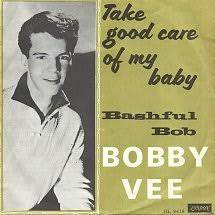
Take Good Care Of My Baby was co-written by Carole King and Gerry Goffin but made famous by Bobby Vee in 1961. Vee had a #1 hit with this song.
It can be found on the album of the same name.
Looking for more Bobby Vee? Check out the song The Night Has A Thousand Eyes on my Songs From The 50s page.
Chords And Strumming
I play this one with a Drop D Tuning and a capo on the 3rd fret. A few riffs but no lead while playing the chords D, Bm, G, A7 and Daug. Play a down down up down up down up rhythm and repeat.
Guitar Lesson Details - (chords & lyrics sheet incl with lesson)
Back To Song List
2. Del Shannon - Learn To Play On Guitar
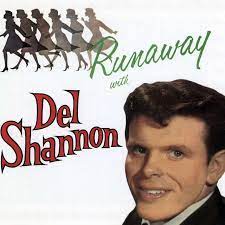
Runaway was a song written by a guy named Charles Westover, (who changed his name to Del Shannon), and a keyboard player named Max Crook. Max had built a keyboard with a unique sound and he called it a Musitron.
When their manager persuaded them to record the song they had no idea it would peak at #1 on Billboard in the US and three weeks later top the charts in the UK. The song can be found on the 1961 album "Runaway With Del Shannon".
Chords And Strumming
A standard tuning song with some lead from the keyboard here from Del Shannon using the chords Am, G, F, E, E7, Gbm and D. Play a root down up root up down up rhythm pattern.
Guitar Lesson Details - (chords & lyrics sheet incl with lesson)
Back To Song List
3. Eddie Cochran - Learn To Play On Guitar
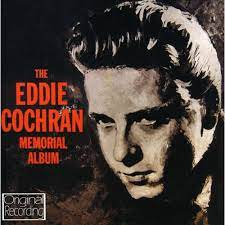
Hallelujah I Love Her So is a song originally written and recorded by Ray Charles, in 1959. Cochran's rendition features his signature rockabilly style, with a prominent guitar riff and driving rhythm section but was never released as a single.
The song showcases Cochran's smooth vocals and impressive guitar skills, with a solo that incorporates bluesy bends and fast runs up and down the fretboard. The track was released as a single and performed moderately well on the charts, cementing Cochran's reputation as a skilled interpreter of other artists' songs.
Looking for more Eddie Cochran? Check out songs like Twenty Flight Rock and Jeannie Jeannie Jeannie and I Remember on my Popular 50s Guitar Songs page.
Chords And Strumming
You will have a bit of lead in this one in standard tuning playing the chords G, G6, C, C#7, D7, Gdim, E7, Em and A7. I use a root up down root up down up rhythm pattern.
Guitar Lesson Details - (chords & lyrics sheet incl with lesson)
Back To Song List
4. Fats Domino - Learn To Play On Guitar
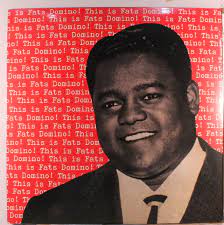
Blueberry Hill was recorded 6 times in 1940, the same year it was published. The Glenn Miller Orchestra had the biggest hit with the song that year reaching #2 in the US. The song is from the album This Is Fats Domino.
Fats Domino had a #1 on the R&B charts and a #2 Pop Hit when he released his version in 1956. Even Russian President Putin covered the song on Dec 10th 2010 in a benefit show for sick kids.
Looking for more Fats Domino? Check out songs like Ain't That A Shame and I'm Walkin on my Songs From The 50s page.
Chords And Strumming
Capo on the 3rd fret in standard tuning is where this one works best play the chords G, C, D, Am7, Gb, Bm, B7, D7 and Cm. For rhythm play a down down up down down up and repeat with walking bass. A bit of lead required in this lesson.
Guitar Lesson Details - (chords & lyrics sheet incl with lesson)
Back To Song List
5. Jimmie Rodgers Songs
- Learn To Play On Guitar
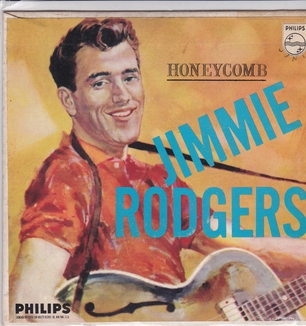
Honeycomb is a song recorded by Jimmie Rodgers, but it was released in 1957. The song was written by Bob Merrill.
The song was a major hit and reached No. 1 on the Billboard Hot 100
chart in 1957. The success of "Honeycomb" contributed to Jimmie Rodgers'
prominence in the music scene during that time.
In the song "Honeycomb," the term "honeycomb" is used metaphorically to describe the sweetness of love. The song was never released on an album.
Chords And Strumming
I play this one in standard tuning with a rhythm pattern of root down up bass up down up . There is a bit of picking in this one while playing the chords G, C, D, G7 and D7.
Guitar Lesson Details - (chords & lyrics sheet incl with lesson)
Back To Song List
6. Los Lobos Songs
- Learn To Play On Guitar
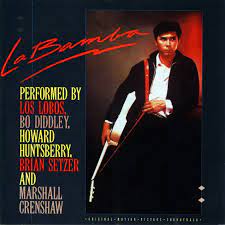
We Belong Together is a song from 1958 and first recorded by the duo "Robert & Johnny" and was a #12 R&B hit for them. Ritchie Valens recorded the song in 1959 and had success with the song.
Los Lobos, who formed in LA in 1973, were chosen to record a version of the song in 1987 for the movie about Ritchie Valens life called "La Bamba".
Chords And Strumming
The original key is a capo on the 3rd fret with the chords D, Bm, Em, A7, G, D7, Gm and E7. My picking is an arpeggio riff as you play thru this one and use a down down down up down down and repeat pattern.
Guitar Lesson Details - (chords & lyrics sheet incl with lesson)
Back To Song List
7. Ritchie Valens Songs
- Learn To Play On Guitar
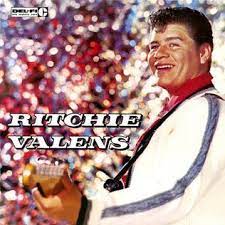
Donna was recorded in Dec of 1958 as the A-side for a single which was to include La Bamba as the B-Side. The song peaked at #2 and his highest charting single of the 3 he managed to release before his death. The other was Come On let's Go.
This song appears on an album entitled "Ritchie Valens".
Looking for more Ritchie Valens? Check out the song Come On Let's Go on my Popular 50s Guitar Songs page.
Chords And Strumming
Capo this on on the 3rd fret in standard tuning using three chords, D, G and A. No picking here while playing a down down up down down down down rhythm pattern.
Guitar Lesson Details - (chords & lyrics sheet incl with lesson)
Back To Song List
8. The Skyliners - Learn To Play On Guitar
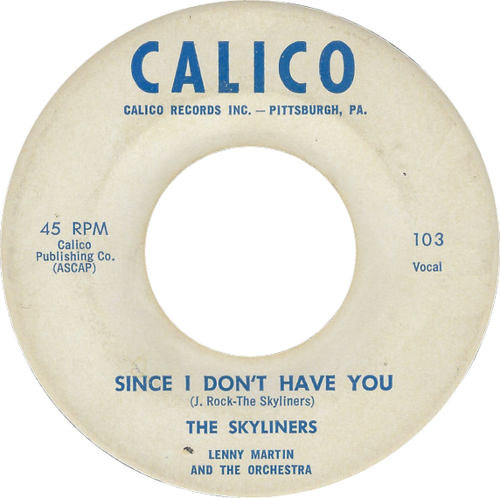
Since I Don't Have You was co-written by all members of the group in 1958 and appeared on their self titled album The Skyliners. The song was released as a single in Dec of 1958. The song peaked at #12 on the Billboard Hot 100 as well as making it to #5 on the R&B Charts.
In 1991 Ronnie Milsap recorded a version of the song and had a hit record and a few years later in 1994, Guns N Roses took the song to #1 in the U.K.
Chord sheet and video lesson found in the zip file below.
Chords And Strumming
I play a capo 2nd fret here with the chords D, Em, Gbm, A, Gm, A7, Bm and a Dmaj7 at the end. No lead in this one with the rhythm pattern down up down up down and repeat so you end up with a double down stroke as you move into the next chord.
Guitar Lesson Details - (chords & lyrics sheet incl with lesson)
Back To Song List
9. The Teddy Bears
- Learn To Play On Guitar
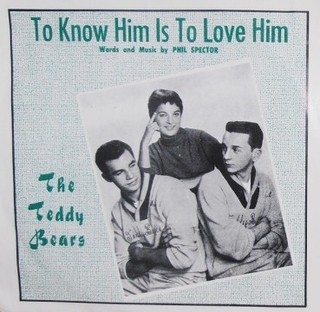
To Know Him Is to Love Him is a famous song by The Teddy Bears, written by Phil Spector. Spector got the idea from the words on his father's tombstone. The song was a big hit in 1958, reaching number one on the Billboard Hot 100 chart and number two on the UK's New Musical Express chart.
Even though The Teddy Bears didn't have a whole album with this song, it's still remembered as one of the greats of early rock and roll.
Other artists like Peter & Gordon, Bobby Vinton, and Dolly Parton, Linda Ronstadt, and Emmylou Harris also had hits with it later on.
Chords And Strumming
This one is full of chords which are D, G, A, A7, Bm, Bm/A, F, C, A#, D7, Dm, Gm and an E7. For rhythm you'll play a down down up down down down down and repeat. No lead break in the original version but I added one so it's optional.
Guitar Lesson Details - (chords & lyrics sheet incl with lesson)
Back To Song List
These 50s love songs are more than just oldies — they’re the soundtrack of an era filled with innocence, romance, and unforgettable melodies. Whether you’re playing for someone special, practicing at home, or adding classics to your performance setlist, these lessons will help you capture the heart of the 1950s.
Explore the tutorials, grab the chord sheets, and start playing these romantic guitar songs from the 1950s today. If you enjoyed this page, be sure to check out our other collections of popular 50s hits and timeless classic rock songs.
If you liked this 50s love songs on guitar page you might also like ... (click images)
Top Hits Of The 50s
Contact Me
Tutorial Prices = $3.25 USD ea
Purchase Any 10 for $10 ($1 ea) - Add 10 items to cart and upon checkout
Add the code "Any10410" (no quotes) and click Apply
Price will drop from $32.50 to $10 - Checkout & check email)