Amos Lee Guitar Lessons

Explore these Amos Lee guitar lessons and discover six songs that showcase his blend of folk, soul and singer-songwriter influences on acoustic guitar. The arrangements cover everything from steady rhythm patterns and arpeggio playing to bass runs, hammer-ons, melody picking and sliding chord shapes.
With songs including Sweet Pea, Violin and Windows Are Rolled Down, you'll find plenty of practical techniques you can carry into other acoustic songs while adding some Amos Lee favourites to your repertoire.
🎸 Watch the Amos Lee Guitar Lessons Overview
performance clips taken directly from the complete lesson videos.
Click Play, then drag the timeline to quickly preview any Amos Lee lesson featured on this page.
Note: Every arrangement has been personally created, recorded and taught by Kirby
using teaching methods refined through decades of acoustic guitar instruction.
What's Included With Every Lesson
📦 Your Lesson Package Includes
✓ 8–12 minute HD video lesson so you can learn each song step-by-step.
✓ Printable chords & lyrics PDF for easy practice away from the screen.

✓ Instant download—start playing in minutes.
✓ Learn at your own pace on any device.
New to Amos Lee?
If you're new to Amos Lee or looking to build your folk and acoustic guitar skills, these six songs offer a good mix of steady rhythm playing, picking and tasteful embellishments without overly complicated arrangements.
Start With Rhythm And Groove
Begin with Supply And Demand or Violin. Both songs use a small group of chords and a consistent rhythm pattern, with bass runs in Supply And Demand and hammer-ons in Violin adding some extra character.
Explore Picking And Melody
Move into Ain't No More Cane and Arms Of A Woman to add more picking to your playing. You'll work with riffs and melody-line picking in Ain't No More Cane, while Arms Of A Woman combines arpeggio notes with strumming, bass runs and a separate melody picking section.
Add Some Different Guitar Techniques
Finish with Sweet Pea and Windows Are Rolled Down. Sweet Pea brings in an old-time 1920s feel, a melody lead break and sliding riffs, while Windows Are Rolled Down introduces modified chord shapes that slide up the fretboard.
Together, these lessons provide a nice pathway for developing folk and singer-songwriter acoustic guitar skills, moving from steady rhythm into picking, bass movement, hammer-ons, riffs and sliding chord shapes.
Amos Lee Guitar Lessons Included On This Page
Ain't No More Cane Guitar Lesson
Arms Of A Woman Guitar Lesson
Supply And Demand Guitar Lesson
Sweet Pea Guitar Lesson
Violin Guitar Lesson
Windows Are Rolled Down Guitar Lesson
Ain't No More Cane - Learn To Play On Acoustic Guitar
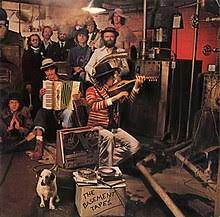
Ain't No More Cane on the Brazos reaches much farther back than Amos Lee's own catalog, originating as a traditional American work song associated with prison labor along the Brazos River in Texas. Its call-and-response character reflects the work-song tradition in which voices helped establish a common rhythm while performing physical labor.
The song passed through generations of folk, blues and roots performers rather than belonging to any single songwriter. Amos Lee brought his own soulful approach to the traditional number in live performance, where it fits naturally alongside the folk, gospel, blues and Americana influences heard throughout his music.
A documented 2012 performance at the Cherokee Creek Music Festival lists it specifically as a traditional cover.
What You'll Learn From This Lesson
For my version of Ain't No More Cane, I play in standard tuning using the chords G, C/G, C, A7, D, D/Gb and Em. The rhythm is played with a steady down-down-up-down-up-down-up pattern that carries the song throughout.
There are a few riffs worked into the arrangement, along with a main melody line that I play as a picking break. Start by getting comfortable with the chord changes and the rhythm pattern, then add the smaller riffs as you work through the song. Once those pieces are solid, come back to the melody-line picking sequence and add that as the finishing touch to the arrangement.
Guitar Lesson Details - (chords & lyrics sheet incl with lesson)
Back To Song List
Arms Of A Woman - Learn To Play On Acoustic Guitar
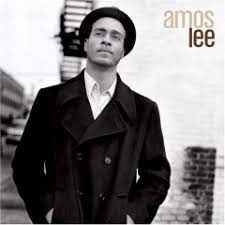
Arms Of A Woman helped introduce Amos Lee’s warm mixture of folk and soul on his self-titled debut album in 2005. The intimate ballad centers on loneliness, distance and the feeling of finding home and comfort in another person, themes that suit Lee’s understated vocal delivery particularly well.
The song has endured as one of Lee’s best-known recordings and remained part of his live repertoire long after that debut. It was later revisited on his 2015 Live at Red Rocks with the Colorado Symphony, where the orchestral setting gave the song a much larger backdrop without losing its intimate character.
Its unhurried pace and spacious arrangement also make it particularly well suited to a stripped-down acoustic performance.
What You'll Learn From This Lesson
For my version of Arms of a Woman, I play in standard tuning using the chords A, A7, D, Dsus, E, Esus and Gbm. The rhythm combines arpeggio picking with strumming using a 1-2-3-up-down-up pattern, with the 1-2-3 representing individual notes picked from the chord before moving into the strum.
There are also a few bass runs worked into the arrangement, along with a melody-line picking section. Start by learning the chords and getting comfortable with the arpeggio rhythm. Once that feels natural, add the bass runs and then work through the melody-line picking sequence to complete the arrangement.
Guitar Lesson Details - (chords & lyrics sheet incl with lesson)
Back To Song List
Supply And Demand - Learn To Play On Acoustic Guitar
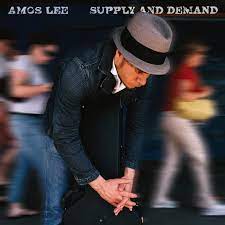
Supply And Demand became the title track of Amos Lee’s second album, released in 2006 as the follow-up to his self-titled debut. The album continued the blend of folk, soul and singer-songwriter influences that had established Lee’s sound, with former Wallflowers and Natalie Merchant bassist Barrie Maguire producing the project.
Rather than treating “supply and demand” simply as an economic phrase, the song uses the idea to contrast money, success and material concerns with more personal values. Its message fits the reflective writing found throughout the album, where love, freedom and human connection carry more weight than conventional measures of success.
The title track also remained in Lee’s concert repertoire, giving the song a life beyond its original album appearance.
What You'll Learn From This Lesson
For my version of Supply And Demand, I play in standard tuning without a capo, although the original is a fret higher and can be matched by placing a capo on the 1st fret. The chords are G, C, D, Em and Am, with a steady down-up-down-up rhythm used throughout the song.
There is no lead playing required in this arrangement, but I do blend a few bass runs into the rhythm to add some movement. Start by learning the five chords and getting comfortable with the steady rhythm pattern. Once you have that flowing smoothly, work in the bass runs and you'll have everything you need to add this song to your set list.
Guitar Lesson Details - (chords & lyrics sheet incl with lesson)
Back To Song List
Sweet Pea - Learn To Play On Acoustic Guitar
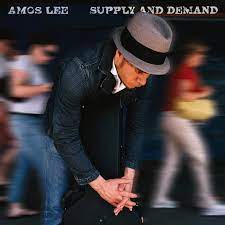
Sweet Pea brought a lighter, playful side to 2006’s Supply And Demand and eventually grew into one of Amos Lee’s most recognizable songs. The compact love song pairs an affectionate lyric with a relaxed, almost conversational delivery and a recording that includes ukulele alongside Lee’s vocal.
Interestingly, Lee has said he didn't initially regard “Sweet Pea” as anything particularly significant. Listeners had other ideas: the song became connected with very personal occasions, including weddings, and developed into one of his most accessible and enduring recordings.
It received additional exposure when it was featured in an AT&T television commercial, helping introduce the song to listeners beyond Lee’s established audience.
What You'll Learn From This Lesson
For my version of Sweet Pea, I play in standard tuning with a capo on the 2nd fret, using a steady down-down-up-down-up-down-up rhythm pattern. The chords are D, Gb, Bm, E7, B7, Em and A7, along with a jazzy D-shaped chord that I use to finish the song.
This one has an old-time 1920s feel, which gives the arrangement a character that's a little different from some of the other Amos Lee songs. There's also a melody lead section to work through, followed by some sliding riffs near the end of the song.
Start by learning the chords and getting comfortable with the one rhythm pattern. Once that's in place, work through the melody lead break and then finish by adding the sliding riff pattern at the end.
Guitar Lesson Details - (chords & lyrics sheet incl with lesson)
Back To Song List
Violin - Learn To Play On Acoustic Guitar

Violin appeared near the beginning of Amos Lee’s 2011 album Mission Bell, a record that broadened his roots-oriented sound with producer Joey Burns and a notable collection of guest musicians. The track features Sam Beam of Iron & Wine on backing vocals, adding another distinctive singer-songwriter voice to the recording.
Musically gentle but emotionally searching, “Violin” uses spiritual imagery to wrestle with uncertainty and the brokenness Lee sees around him. That contrast between the restrained arrangement and questioning lyric gives the song much of its power.
The song remained significant enough in Lee’s catalog to be included several years later on Live at Red Rocks with the Colorado Symphony, where its expansive character was particularly suited to the orchestral treatment.
What You'll Learn From This Lesson
For my version of Violin, I play in standard tuning with a capo on the 2nd fret, using a down-down-up-down-up rhythm pattern. You'll only need four chords — G, D, Em and C — which carry the song throughout.
There is no lead break in this arrangement, but I do work in a few hammer-ons to add some movement and character to this slow, mellow tune. Start by learning the four chords and getting comfortable with the one rhythm pattern, then sprinkle in the hammer-ons as you work through the song.
Vocally, this one may sit a little high for some singers. If that's the case, simply remove the capo and use the same chord shapes to bring the song down to a more comfortable range.
Guitar Lesson Details - (chords & lyrics sheet incl with lesson)
Back To Song List
Windows Are Rolled Down - Learn To Play On Acoustic Guitar

Windows Are Rolled Down became one of the standout songs from Amos Lee’s 2011 album Mission Bell and one of the strongest radio successes of his career. Released ahead of the album in 2010, the song eventually climbed to No. 2 on Billboard’s Adult Alternative/Triple A chart.
The recording was produced by Joey Burns of Calexico, with fellow Calexico member John Convertino on drums and Greg Leisz contributing steel guitar. That roots-oriented backing helped give the track its open-road atmosphere while retaining Lee’s folk and soul foundation.
“Windows Are Rolled Down” has remained one of Lee’s signature live songs and later received an expansive treatment on his 2015 Live at Red Rocks with the Colorado Symphony.
What You'll Learn From This Lesson
For my version of Windows Are Rolled Down, I play in standard tuning with a capo on the 1st fret, using the chords G, C and Am. The rhythm is a steady down-up-down-up-down-up pattern that carries the song throughout.
One of the distinctive parts of this arrangement involves sliding the chord shapes up the fretboard, with a slight modification to the shapes as you move through the song. There is no lead work or separate picking break, so these chord slides provide much of the additional guitar movement.
Start by learning the three chords and getting comfortable with the one rhythm pattern. Once those are in place, work on the sliding chord shapes and their position changes to complete the arrangement.
Guitar Lesson Details - (chords & lyrics sheet incl with lesson)
Back To Song List
Amos Lee Guitar Lessons FAQ
Do Amos Lee songs use a lot of complicated guitar chords?
Most of the Amos Lee songs taught on this page use fairly manageable chord progressions, with the character of the arrangements coming more from the rhythm and added guitar touches than from complicated chord work. Songs such as Violin and Windows Are Rolled Down use only a few main chords, while others introduce suspended chords, 7th chords or additional shapes. Get the basic progression comfortable first and then add the extra details.
What kind of strumming patterns are used in Amos Lee songs?
The rhythm varies from song to song, but steady acoustic strumming and groove are important parts of these arrangements. Some songs use straightforward down-and-up patterns, while Arms Of A Woman combines individual arpeggio notes with strumming. The best approach is to learn the rhythm separately until it feels comfortable, then combine it with the chord changes.
Does Amos Lee use a capo?
Several of the arrangements on this page use a capo, although the position varies by song. Sweet Pea and Violin are played here with a capo on the 2nd fret, while Windows Are Rolled Down uses a capo on the 1st fret. Other songs are taught without one. A capo can also be useful for adjusting the song to your vocal range; for example, if Violin sits too high, you can remove the capo and use the same chord shapes.
Do Amos Lee songs have riffs and lead guitar parts?
Some do, but not every Amos Lee arrangement requires lead playing. Ain't No More Cane and Arms Of A Woman include melody-line picking, while Sweet Pea features a melody lead section and sliding riffs. Other songs rely on smaller touches such as bass runs, hammer-ons or sliding chord shapes. Supply And Demand and Violin, for example, don't require a separate lead break.
What should I learn first when playing an Amos Lee song on acoustic guitar?
Start with the chords and main rhythm pattern and get those working smoothly together before adding anything else. Once the foundation is comfortable, bring in the song-specific details such as bass runs, hammer-ons, riffs, arpeggio notes, melody picking or sliding chord shapes. Building the arrangement in stages makes it much easier to keep the rhythm steady while adding the touches that give each song its own character.
These six Amos Lee guitar lessons offer a nice introduction to his relaxed acoustic style while giving you several different techniques to work into your own playing. Start with the chords and rhythm, then gradually add the bass runs, hammer-ons, riffs, melody picking and sliding chord shapes featured throughout the arrangements.
Whether you're building your folk and singer-songwriter repertoire or simply looking for some new acoustic songs to play, this collection gives you six distinctive Amos Lee arrangements to explore.
If you enjoyed these Amos Lee guitar lessons, you might also like
... (click images)
Fun Folk Songs To Sing
Latest 100 Tutorials
© 2019–2026 KirbysGuitarLessons.com — All Rights Reserved