Bruce Cockburn Guitar Songs – 6 Acoustic Lessons

Explore six Bruce Cockburn guitar lessons featuring acoustic arrangements of songs from his extensive catalogue, including Wondering Where the Lions Are, Indian Wars, The Whole Night Sky and Mighty Trucks of Midnight.
Each lesson includes a video demonstration, chord and lyric sheets, and a breakdown of the rhythm patterns, riffs and picking techniques used in my arrangements.
From steady acoustic strumming and sliding riffs to hammer-ons and melodic lead sections, you'll find plenty of variety here. Browse the lessons below, choose a song that interests you, and start working through the chords and guitar techniques at your own pace.
🎸 Bruce Cockburn Guitar Lessons – Six Song Overview
performance clips taken directly from the complete lesson videos.
Click Play, then drag the timeline to quickly preview any Bruce Cockburn lesson featured on this page.
Note: Every arrangement has been personally created, recorded and taught by Kirby
using teaching methods refined through decades of acoustic guitar instruction.
What's Included With Every Lesson
📦 Your Lesson Package Includes
✓ 8–12 minute HD video lesson so you can learn each song step-by-step.
✓ Printable chords & lyrics PDF for easy practice away from the screen.

✓ Instant download—start playing in minutes.
✓ Learn at your own pace on any device.
New to Bruce Cockburn?
If you're just discovering Bruce Cockburn's music, Wondering Where the Lions Are is a great place to begin. Its relaxed acoustic groove, three-chord progression and distinctive guitar riff offer a good introduction to his rhythmic style. From there, Cry of a Tiny Babe introduces contrasting strumming patterns with slides and hammer-ons, while The Whole Night Sky adds a flowing rhythm, melodic embellishments and a sliding lead guitar break.
For something with a different atmosphere, try Mighty Trucks of Midnight, where a slightly shuffled rhythm, sliding riffs and lead picking create a darker sound. Each arrangement highlights a different aspect of Cockburn's guitar playing, giving you several ways to explore his music.
A Suggested Learning Path
- Wondering Where the Lions Are — Begin with three chords, a repeating root-note rhythm and the riff between alternate D and G shapes.
- Cry of a Tiny Babe — Explore two contrasting rhythm patterns, along with slides and hammer-ons.
- Love Loves You Too — Practise changing between flowing strumming and a more pronounced all-downstroke rhythm, while incorporating guitar riffs.
- The Whole Night Sky — Develop a longer strumming pattern, hammer-ons and a sliding lead guitar break.
- Mighty Trucks of Midnight — Work with a slightly shuffled rhythm, sliding riffs and a separate lead picking section.
- Indian Wars — Bring together two optional rhythm patterns, an opening sliding riff and additional guitar work throughout the verses.
Bruce Cockburn Guitar Lessons Included On This Page
Indian Wars Guitar Lesson
Love Loves You Too Guitar Lesson
Mighty Trucks Of Midnight Guitar Lesson
The Whole Night Sky Guitar Lesson
Wondering Where The Lions Are Guitar Lesson
Cry Of A Tiny Babe
- Learn To Play On Acoustic Guitar

Cry of a Tiny Babe was showcased on Bruce Cockburn's 1991 album Nothing But a Burning Light. Written by Cockburn, this powerful Christmas song offers a thought-provoking retelling of the birth of Jesus, focusing on the uncertainty, fear and extraordinary circumstances surrounding the Nativity.
Rather than presenting a traditional Christmas celebration, Cockburn explores the story through the experiences of Mary and Joseph, including Joseph's struggle to understand Mary's pregnancy and the difficult journey to Bethlehem. The song connects these ancient events with timeless themes of compassion, faith, injustice and hope.
Although never released as a commercial single, Cry of a Tiny Babe has become a cherished part of Cockburn's Christmas repertoire, admired for its vivid storytelling and emotional depth.
What You'll Learn From This Lesson
This arrangement of Cry of a Tiny Babe uses standard tuning with the chords C, G, D and Em. There are two rhythm patterns to learn. The verses use steady downstrokes, with slides and hammer-ons incorporated into the rhythm to add movement between the chords. The chorus switches to a down-up-down-up pattern with a quick shuffle that gives the section a different feel.
There is no separate lead guitar section, but the slides and hammer-ons provide musical accents throughout the verses while you're singing.
Start by learning the four chords and practising both rhythm patterns independently. Once those feel comfortable, work on the slides and hammer-ons before bringing everything together with the vocals.
Guitar Lesson Details - (chords & lyrics sheet incl with lesson)
Back To Song List
Indian Wars
- Learn To Play
On Acoustic Guitar
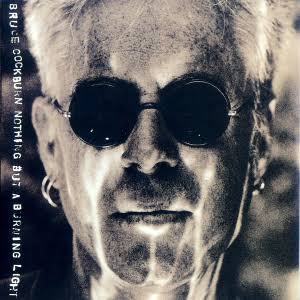
Indian Wars appears on Bruce Cockburn's 1991 album Nothing But a Burning Light. Written by Cockburn, the song reflects his longstanding concern for Indigenous rights, social justice and the consequences of colonialism in North America.
Through vivid imagery and pointed lyrics, Cockburn examines the historical displacement of Indigenous peoples, the loss of ancestral lands and the continuing struggles surrounding cultural identity and self-determination. Rather than treating these injustices as distant history, the song suggests that their consequences remain very much alive.
Although not released as a commercial single, Indian Wars stands as an example of Cockburn's willingness to address difficult political and social issues through his music, combining thoughtful storytelling with his distinctive folk-rock sound.
What You'll Learn From This Lesson
My version of Indian Wars is played in standard tuning with a capo on the 4th fret to match the original key. The chords you'll need are Am, C, F, Fmaj7, G and Dm.
The song opens with a sliding picking riff that returns throughout the arrangement, along with several additional riffs woven into the verses.
For the rhythm, you can use a root–down–up–up–down–up pattern or a root–down–up–down–up–root–up–down–up pattern. I alternate between the two during my performance, but you can stick with either pattern throughout if you prefer.
Start by learning the chords and getting comfortable with one or both rhythm patterns. Then work through the opening picking riff and the additional verse riffs before combining everything into the complete arrangement.
Guitar Lesson Details - (chords & lyrics sheet incl with lesson)
Back To Song List
Love Loves You Too
- Learn To Play
On Acoustic Guitar
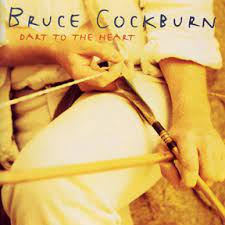
Love Loves You Too can be found on Bruce Cockburn's 1994 album Dart to the Heart. Written by Cockburn, the song reflects the album's more personal and introspective direction, exploring the emotional complexities of love, relationships and human connection.
Through thoughtful lyrics and gentle musical phrasing, Cockburn presents love as something greater than a passing emotion, suggesting that it can shape our lives in unexpected ways. The song balances vulnerability with reassurance, offering a hopeful perspective on the challenges and rewards of opening ourselves to others.
Although not released as a major commercial single, Love Loves You Too showcases Cockburn's gift for combining poetic songwriting with heartfelt expression, making it a fitting addition to his extensive acoustic folk repertoire.
What You'll Learn From This Lesson
My arrangement here of Love Loves You Too is played in standard tuning using the chords E, Asus2, F#m, B, C#m and G#m.
For most of the song, you'll use a down–down–down–up–down–up rhythm pattern. There's also a contrasting section played with all downstrokes, creating a more pronounced, chopped rhythmic feel.
The song opens with a guitar riff incorporated into the chord progression, with additional riff work woven into the arrangement. There is no separate lead guitar break.
Start by learning the chords and getting comfortable with the main rhythm pattern. Next, practise the all-downstroke section so you can switch between the two rhythmic feels. Once those are in place, return to the opening riff and other embellishments, blending them into the complete arrangement.
Guitar Lesson Details
- (chords & lyrics sheet incl with lesson)
Back To Song List
Mighty Trucks Of Midnight
- Learn To Play
On Acoustic Guitar
Mighty Trucks of Midnight is a track from the 1991 album Nothing But a Burning Light. Written by Cockburn, the song combines his distinctive folk-rock sound with vivid imagery and observations about the changing modern world.
Using the powerful image of trucks travelling through the darkness, Cockburn evokes a sense of movement, uncertainty and the relentless pace of contemporary life. The lyrics invite listeners to consider the forces shaping society and the ways individuals respond to a world that often seems beyond their control.
Rather than delivering a straightforward political message, the song blends personal reflection with broader social observations, demonstrating Cockburn's ability to turn everyday imagery into thought-provoking songwriting. It remains an intriguing example of his lyrical storytelling.
What You'll Learn From This Lesson
This arrangement of Mighty Trucks of Midnight is played in standard tuning with a capo on the 3rd fret to match the original key. The chords you'll need are Am, Em, D, Dsus and G.
For the rhythm, you'll use a steady down-up-down-up pattern with a slight shuffle, helping create the song's dark, haunting atmosphere.
The arrangement also includes an intro guitar riff, several sliding riffs woven throughout the song, and a separate lead picking section that adds another dimension to the performance.
Start by learning the chords and practising the rhythm until you capture that haunting feel. Then return to the opening riff and work through the sliding riffs before tackling the lead picking section. Once you've learned each part, bring everything together into the complete arrangement.
Guitar Lesson Details
- (chords & lyrics sheet incl with lesson)
Back To Song List
The Whole Night Sky
- Learn To Play
On Acoustic Guitar
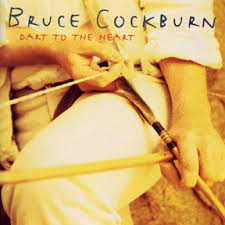
The Whole Night Sky can be found on Bruce Cockburn's 1994 album Dart to the Heart. Written by Cockburn, the song reflects the album's deeply personal atmosphere, blending poetic imagery with themes of love, longing and emotional vulnerability.
Using the vastness of the night sky as a powerful metaphor, Cockburn explores the feelings of loneliness, desire and the search for meaningful human connection. The lyrics capture the emotional distance that can exist between people, even when their memories and feelings remain strong.
With its atmospheric arrangement and reflective mood, The Whole Night Sky demonstrates Cockburn's ability to express complicated emotions through vivid storytelling. The song remains a memorable example of his more intimate songwriting from the 1990s.
What You'll Learn From This Lesson
This arrangement of The Whole Night Sky is played in standard tuning using the chords C, F, Fmaj7 and G.
The song follows a steady down–down–up–down–up–down, up–down–up–down–up–down–up rhythm pattern that repeats throughout, providing the flowing accompaniment beneath the vocals.
There's an intro guitar riff, along with several hammer-ons incorporated throughout the song. You'll also learn a sliding lead guitar break with hammer-ons, adding a melodic element to the arrangement.
Start by learning the four chords and practising the rhythm pattern until you capture the song's overall feel. Then work through the opening riff and the various hammer-ons before moving on to the main lead picking section. Once those elements are comfortable, bring everything together into the complete arrangement.
Guitar Lesson Details
- (chords & lyrics sheet incl with lesson)
Back To Song List
Wondering Where The Lions Are - Learn To Play
On Acoustic Guitar
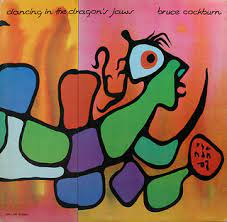
Wondering Where the Lions Are appears on Bruce Cockburn's 1979 album Dancing in the Dragon's Jaws. Written by Cockburn, the song became his breakthrough international hit, reaching #21 on the Billboard Hot 100 in 1980 and introducing his music to a much wider American audience.
Featuring a distinctive reggae-influenced rhythm and an uplifting melody, the song blends everyday observations with spiritual reflection and a sense of optimism. Its unusual title and dreamlike imagery reflect Cockburn's ability to find hope and wonder amid life's uncertainties.
The song remains one of his most recognizable recordings and helped establish his reputation beyond Canada. Its memorable acoustic guitar arrangement continues to make it a favourite among folk and acoustic music enthusiasts.
What You'll Learn From This Lesson
Wondering Where the Lions Are is played with a capo on the 2nd fret using the chords D, G and Em. You'll also learn alternate D and G chord shapes farther up the neck, which are used to incorporate a repeating guitar riff into the accompaniment.
The main rhythm follows a root–down–up–root–up–down–up pattern, providing the steady groove that carries the song. There is no separate lead guitar break, but playing the riff between the alternate chord shapes while singing requires some coordination.
Start by learning the three chords and the two alternate shapes. Next, practise the rhythm pattern before working on the riff between the D and G shapes. Finally, bring in the vocals while maintaining the rhythm and riff together.
Guitar Lesson Details
- (chords & lyrics sheet incl with lesson)
Back To Song List
Frequently Asked Questions About Bruce Cockburn Guitar Lessons
Do I need a capo to play these Bruce Cockburn songs?
Some arrangements use a capo, while others do not. Indian Wars uses a capo on the 4th fret, Mighty Trucks of Midnight on the 3rd fret, and Wondering Where the Lions Are on the 2nd fret. The capo positions are explained in the individual lessons.
What chords will I need for these Bruce Cockburn guitar lessons?
The chords vary by song. Wondering Where the Lions Are uses D, G and Em, while The Whole Night Sky uses C, F, Fmaj7 and G. Other arrangements introduce additional chords and variations, including Asus2, Dsus and alternate chord shapes farther up the neck.
Are these Bruce Cockburn songs strummed or picked?
The six arrangements feature a combination of acoustic strumming, picking riffs and melodic embellishments. Some songs focus primarily on rhythm guitar, while Mighty Trucks of Midnight and The Whole Night Sky also include separate lead picking sections.
Which Bruce Cockburn song should I learn first?
Wondering Where the Lions Are is a good starting point for exploring Cockburn's relaxed acoustic rhythm. It uses three main chords and a repeating root-note strumming pattern, although coordinating the riff between the alternate D and G chord shapes with the vocals takes practice.
Do these lessons include Bruce Cockburn's guitar riffs and embellishments?
Yes. Depending on the song, you'll learn opening riffs, sliding guitar passages, hammer-ons and other melodic details. Indian Wars includes a recurring sliding picking riff, while Cry of a Tiny Babe incorporates slides and hammer-ons into its verse accompaniment.
What is included with each Bruce Cockburn guitar lesson?
Each lesson includes a video demonstration and instructional breakdown of my acoustic arrangement, along with downloadable chord and lyric sheets. The lessons explain the chords, rhythm patterns and guitar techniques needed to work through each song.
Bruce Cockburn's music offers plenty of opportunities to explore different approaches to acoustic guitar playing. Across these six arrangements, you'll work with a variety of strumming patterns, alternate chord shapes, sliding riffs, hammer-ons and lead picking sections, along with the coordination needed to bring guitar and vocals together.
Whether you're drawn to the relaxed groove of Wondering Where the Lions Are or the darker atmosphere of Mighty Trucks of Midnight, each song offers something different to explore. Take your time with the individual techniques, revisit the video demonstrations whenever needed, and enjoy adding more Bruce Cockburn songs to your acoustic repertoire.
If you liked this best Bruce Cockburn guitar songs page, you might also like ... (click images)
Fun Folk Songs To Sing

Kirby Swinemar is an acoustic guitar instructor, performer and song arranger who has taught online for 21 years and created more than 4,000 original acoustic guitar lessons. He specialises in song-based acoustic guitar instruction, rhythm guitar techniques, and creating full-sounding solo arrangements that help beginner and intermediate players move beyond basic strumming.
Explore more of Kirby's work at Kirby's Guitar Lessons, watch his performances and tutorials on his YouTube Channel or follow him on Facebook. You can also learn more about his teaching background on the About Me page.
Latest 100 Tutorials
© 2019–2026 KirbysGuitarLessons.com — All Rights Reserved