John Prine Best Songs
On The Acoustic

Here on this John Prine best songs page you'll find a collection of John Prine covers as I play them on the acoustic as well as full lesson tutorials available for purchase if required. The demos and chord sheets are free and in downloadable .pdf format. Help yourself to any useful resources on this page.
You'll notice I'm using John Prine album covers as images to indicate which album the song can be found.
🎸 Overview Video - “John Prine Best Songs”
Check out Vol 2 below
John Prine Guitar List
Angel from MontgomeryCrazy As A Loon
Crazy Bone
Fish & Whistle
Glory Of True Love
Hello In There
I Remember Everything
Illegal Smile
Iron Ore Betty
It's A Big Ole Goofy World
Killing The Blues
Knocking On Your Screen Door
Lonesome Friends Of Science
Magnolia Wind
My Darlin Hometown
My Old man
Paradise
Sam Stone
Same Thing Happened To Me
Souvenirs
Speed Of The Sound Of Loneliness
Summers End
The Oldest Baby In The World
Unwed Fathers
Your Flag Decal Won't Get You Into Heaven Anymore
🎁 Free Demo Preview
Scroll down to check out a completely free demo on John Prine’s “Angel From Montgomery”.Scroll down to check out a completely free demo on John Prine’s “Knockin On Your Screen Door”.
Scroll down to check out a completely free demo on John Prine’s “Sam Stone”.
Angel From Montgomery - Learn To Play On Guitar
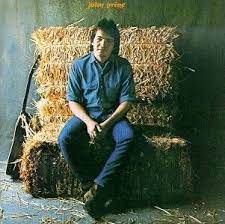
Angel From Montgomery is featured on his 1971 self-titled debut, John Prine’s and is a cornerstone of folk and Americana. Though never a hit single for Prine himself, the song achieved legendary status through its profound storytelling and numerous cover versions.
The lyrics center on Bonnie, a woman yearning for escape from a stagnant, unfulfilling life. Through her eyes, Prine explores universal themes of longing, regret, and the search for meaning. Despite the lack of an official music video, the song's emotional depth and poignant melody have made it an enduring classic. It remains one of Prine’s most cherished works, celebrated for its ability to capture the quiet desperation of the human spirit.
Chords And Strumming
I play this one in drop D tuning and with some picking required. Once you get past the intro the rhythm pattern is a down down up down up and repeat with a few hammer on's blended in as you play through the chords which are D, C, G and an A.
Guitar Lesson Details - (chords & lyrics sheet incl with lesson)
Jump To Top
Crazy As A Loon - Learn To Play On Guitar

Crazy As A Loon was co-written by Prine and his guitar player Pay McLaughlin. The song can be found on his 2005 "Fair & Square" album.
At the 48th Annual Grammy Awards this album won a Grammy for the Best Contemporary Folk Album.
Chords And Strumming
In this song I play a standard tuning but with a capo on the 2nd fret. For rhythm I play a steady root up down up root up down up pattern and with some picking involved. Only three chords here and they are a G, C and a D.
Guitar Lesson Details - (chords & lyrics sheet incl with lesson)
Jump To Top
Crazy Bone - Learn To Play On Guitar

Crazy Bone is a lighthearted yet thoughtful song from John Prine’s final studio album, The Tree of Forgiveness, released in 2018. Written by Prine along with longtime collaborator Pat McLaughlin, the song reflects Prine’s gift for blending humor, wisdom, and everyday observations into memorable storytelling.
Beneath its playful title and catchy melody lies a message about maintaining perspective and finding joy amid life’s uncertainties. The recording features Prine’s relaxed vocal style and the warm, roots-oriented sound that characterized his later work.
Although not released as a major single, Crazy Bone became a favorite among fans for its uplifting spirit and reminder that laughter and resilience can help carry us through even the most challenging times.
Chords And Strumming
The rhythm in this one is a root down up bass up down up or you could play a root down up down up down up. No picking but I play a capo 2nd because the vocals are a bit low. For chords you'll play a D, A7, D7, G, B7 and an E7.
Guitar Lesson Details - (chords & lyrics sheet incl with lesson)
Jump To Top
Fish & Whistle - Learn To Play On Guitar
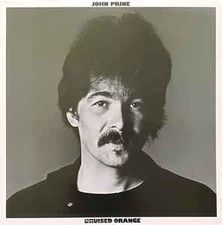
Fish & Whistle is about a tragic event that happened when John was an alter boy and one morning on the way to church, discovered that a local boy got hit from behind by a train while walking on the train tracks.
This song hails from the album Bruised Orange from 1978.
Chords And Strumming
The chords in this song are G, C, D and an A7 played in standard tuning. There is some picking here with a simple root up down up and at the end of the verse and chorus play a double down - strokes.
Guitar Lesson Details - (chords & lyrics sheet incl with lesson)
Jump To Top
Glory Of True Love - Learn To Play On Guitar
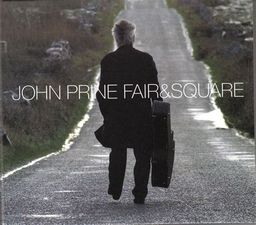
Glory Of True Love John co-wrote with Roger Cook and it is from his Fair And Square album from 2005.
To my knowledge this song was never released as a single. Actually, John Prine only ever released around 6 single throughout his entire musical career.
Chords And Strumming
I play a capo 2nd fret in this number with a rhythm pattern of root down up down up down up and repeat. There is room for a picking break as you move through the chords G, C, D and an F.
Guitar Lesson Details - (chords & lyrics sheet incl with lesson)
Jump To Top
Hello In There - Learn To Play On Guitar
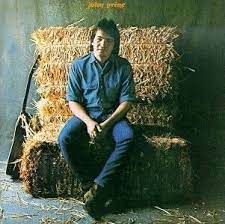
Hello In There is a track from John's 1971 debut album entitled John Prine.
The song was never released as a single but is a well known tune from the John Prine collection of great story type songs.
Chords And Strumming
I play a capo 2nd fret on this one with a down down up down up down up rhythm pattern. A little picking required in this one with the chords G, Am, D, D/Gb, Bm, C and an F.
Guitar Lesson Details - (chords & lyrics sheet incl with lesson)
Jump To Top
I Remember Everything - Learn To Play On Guitar

I Remember Everything was one of John Prine's final recordings before his passing. "I Remember Everything" was released on June 12, 2020, just a few months after his death.
The song serves as a poignant reflection on life and memories, showcasing John Prine's introspective songwriting style. It received critical acclaim and resonated deeply with his fans, serving as a bittersweet farewell from the legendary singer-songwriter.
Chords And Strumming
On this number I play a capo 3rd fret in standard tuning with a down down up down up down up and repeat rhythm pattern and some picking required. For chords you'll need a G, Am, D/Gb, D, C, A7 and a C/G.
Guitar Lesson Details - (chords & lyrics sheet incl with lesson)
Jump To Top
Illegal Smile - Learn To Play On Guitar
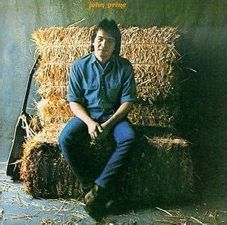
Illegal Smile hails from John Prine's debut album "John Prine" from 1971. This song isn't about smoking dope. John said he wrote the song about himself smiling at things that many people never smiled at while he was growing up.
But it happened to fit well with the hippie movement who sort of adopted the song and John never bothered to explain the true source of the song. Download the free John Prine Illegal Smile lyrics below.
Chords And Strumming
For rhythm, the first pattern is a root down up root up down up while singing the faster verse and then it changes to a root down down up root down down up in the chorus. No picking in this one with the chords C, G6, Am, F and a G.
Guitar Lesson Details - (chords & lyrics sheet incl with lesson)
Jump To Top
Iron Ore Betty - Learn To Play On Guitar
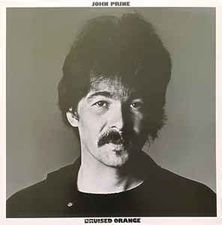
Iron Ore Betty is a song about a female construction worker who just happened to spend about 90 minutes with someone John Prine knew in the music biz as they stood in a hotel parking lot having a conversation.
I guess she recognized John's friend and needed a work break in a trailer nearby.
Chords And Strumming
Another one played in standard tuning with the chords G, C, C7, A7 and a D7 with some picking require. The rhythm pattern here is a root up down up root up down up root up down down but you're only playing the string on the root and on the ending down down.
Guitar Lesson Details - (chords & lyrics sheet incl with lesson)
Jump To Top
It's A Big Old Goofy World - Learn To Play On Guitar
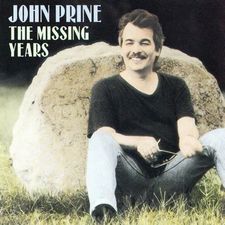
It's A Big Old Goofy World was written because John's mother Verna liked to play crossword puzzles and that was his inspiration for this song from his 1991 album "Missing Years".
The song was never released as a single to my knowledge.
Chords And Strumming
This one has a pretty familiar strumming pattern which is a root down up root up down up and then repeat but you'll play some picking here. Played in standard tuning with a G, C and D chord.
Guitar Lesson Details - (chords & lyrics sheet incl with lesson)
Jump To Top
Killing The Blues - Learn To Play On Guitar
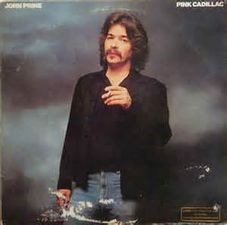
Killing The Blues was written by Roly Salley who happens to be the bass player for Chris Isaak. Several artists have recorded this song including Shooter Jennings, Robert Plant, Billy Ray Cyrus and others.
The song can be found on the 1979 album "Pink Cadillac".
Chords And Strumming
There is some picking in this one in standard tuning with the chords G, C, D and a Db in one spot near the end of the song. For rhythm play a nice and easy shuffle with a steady right up and down movement. This allows you you to put some accents in a few places on your down strokes.
Guitar Lesson Details - (chords & lyrics sheet incl with lesson)
Jump To Top
Knocking On Your Screen Door - Learn To Play On Guitar
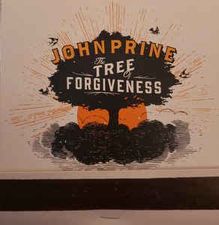
Knocking On Your Screen Door is a track from John's last album that came out in 2018 called "The Tree Of Forgiveness".
This song was never a single release but there was a music video created by David McClister.
Chords And Strumming
I play a capo 4th fret in standard tuning in this one. Play a simple root down up down up down up root down up down up down up and repeat for rhythm. Some lead required with the chords G, C and D.
Guitar Lesson Details - (chords & lyrics sheet incl with lesson)
Jump To Top
Lonesome Friends Of Science - Learn To Play On Guitar
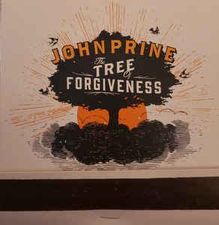
Lonesome Friends Of Science appears on John Prine's 2018 album "The Tree Of Forgiveness".
The Lonesome Friends Of Science chords and lyrics are below.
Chords And Strumming
Played in standard tuning, this one has no lead. Play a root down root up down up and repeat for rhythm with the chords C, G, F, G7 and an Am.
Guitar Lesson Details - (chords & lyrics sheet incl with lesson)
Jump To Top
John Prine Overview Video 2
Magnolia Wind - Learn To Play On Guitar
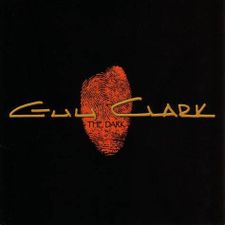
Magnolia Wind was written by Shawn Camp and Guy Clark. In 2011, a tribute album was put together for Guy Clark and John Prine and Emmylou Harris recorded this song as part of that tribute album.
Guy Clarks version of this song can be found in his album of 2002 called "The Dark".
Chords And Strumming
This one I play a capo 1st fret while playing a root down up down up bass down up down up rhythm pattern in standard tuning. Some picking needed in this one with the chords C, G, F and an A#.
Guitar Lesson Details - (chords & lyrics sheet incl with lesson)
Jump To Top
My Darlin Hometown - Learn To Play On Guitar
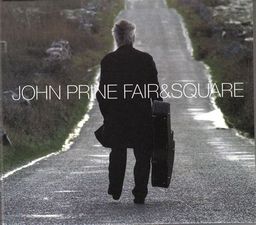
My Darling Hometown hails form John Prine's 2008 album "Fair & Square" and was written by John Prine and Roger Cook.
The song was never released as a single.
Chords And Strumming
The rhythm here is a root down up down up root down up down up strumming pattern in standard tuning. The chords you'll need are D, Em, A7, G and an E7 and some picking required.
Guitar Lesson Details - (chords & lyrics sheet incl with lesson)
Jump To Top
My Old Man - Learn To Play On Guitar
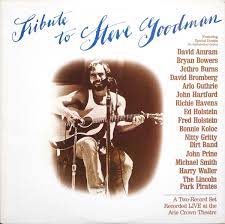
My Old Man was written by fellow guitar player and good friend Steve Goodman, who wrote this song approx 6 months after his father Bud Goodman passed away. He called John Prine from a payphone and played it for him.
In 1986 a tribute album to Steve Goodman was put together by various artists and John Prine contributed his talent to this album with this song.
Chords And Strumming
For this song I play a simple shuffle rhythm pattern all the way through in standard tuning with the chords G, C and a D. Some picking required here.
Guitar Lesson Details - (chords & lyrics sheet incl with lesson)
Jump To Top
Paradise - Learn To Play On Guitar
Paradise appears on his debut album from 1971. In the song John makes reference that he wants his ashes spread in the Green River in Kentucky where the town of Paradise Ky is located.
When John passed in 2020, half of his ashes were released in the river and the other half buried next to his parents.
John wrote the song for his father and put it on his debut album. Download the Paradise John Prine chords and lyrics sheet below.
Chords And Strumming
Finally we come to a drop D tuning song while playing either a root down down root down down pattern or use a root down up down up root down up down up for the strumming, but both will work. No picking with the chords D, A7 and a G.
Guitar Lesson Details - (chords & lyrics sheet incl with lesson)
Jump To Top
Sam Stone - Learn To Play On Guitar
Sam Stone appeared on the 1971 debut album by John Prine and addresses the addiction issue that seems to consume many war veterans after returning from a war environment.
This song is mainly addressing heroin addiction. Download the free Sam Stone John Prine lyrics below.
Chords And Strumming
Here I play a capo 3rd fret and the rhythm pattern you'll want here is a root down up root up down up and then just carry it through the song. Some picking needed in this one with the chords D, A7, G, Em, B7 and a Bm.
Guitar Lesson Details - (chords & lyrics sheet incl with lesson)
Jump To Top
Same Thing Happened To Me - Learn To Play On Guitar
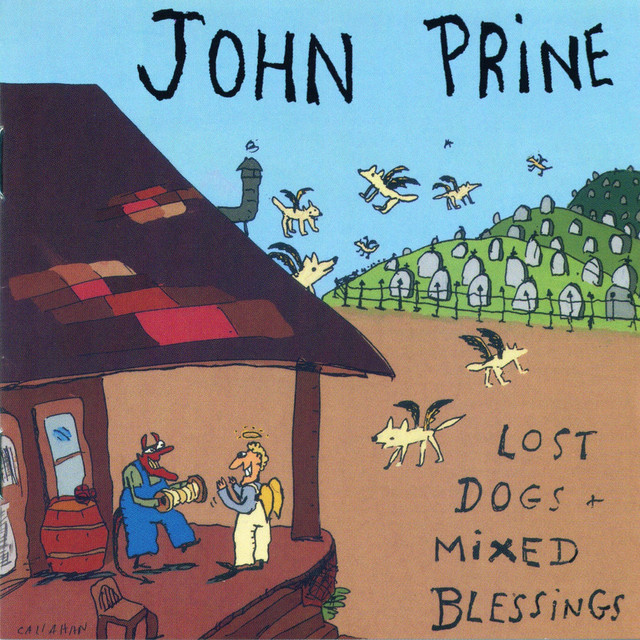
Same Thing Happened To Me is a quirky, blues-inflected track featured on John Prine’s 1991 Grammy-winning album, The Missing Years. Released on September 24, 1991, the song was not a charting single, yet it remains a favorite for its whimsical take on shared human misfortune.
The track showcases Prine’s signature wit, featuring guest backing vocals from Tom Petty and Phil Everly, which added significant star power to the project. The lyrics humorously recount a series of odd, unfortunate events—like a bird defecating on a suit—to illustrate that bad luck is a universal equalizer. Notably, the album marked a major comeback for Prine, proving his sharp songwriting remained intact decades after his debut.
Chords And Strumming
I play a drop D tuning here with a capo 2nd fret ad some lead required in this number. For rhythm play a down up down up steady pattern with a few riffs in the rhythm. The only chords here are a D, G and an A.
Guitar Lesson Details - (chords & lyrics sheet incl with lesson)
Jump To Top
Souvenirs - Learn To Play On Guitar
Souvenirs appears on the John Prine album from 2000 of the same name. Apparently the album was originally intended for release to German audiences only.
Download the John Prine Souvenirs chords and lyrics sheet below.
Chords And Strumming
In this tune I play a capo 2nd fret with drop D tuning. The challenge here is to arpeggio the strings so it's as if you're finger-picking the melody while playing. A root up down up root up down up pattern will work if that's all you intend to do. But as you'll see, I'm throwing in upstrokes in certain places to try and duplicate some finger-picking. There is no lead playing here as you move through the chords D, A7 and G.
Guitar Lesson Details - (chords & lyrics sheet incl with lesson)
Jump To Top
Speed Of The Sound Of Loneliness - Learn To Play On Guitar
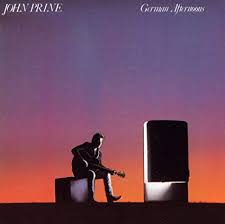
Speed Of The Sound Of Loneliness hails from Joh Prine's album German Afternoons from 1986.
He recorded the song as a duet with Nanci Griffith in 1993 and she released it as a single.
Chords And Strumming
For rhythm here play a root down up root up down up in standard tuning. You'll need a G, C, D and a D7 and some picking required.
Guitar Lesson Details - (chords & lyrics sheet incl with lesson)
Jump To Top
Summers End - Learn To Play On Guitar

Summers End is one of the most poignant songs from John Prine’s 2018 album The Tree of Forgiveness. Written solely by Prine, the ballad explores themes of loneliness, addiction, regret, and redemption with remarkable compassion and emotional depth.
Its unforgettable refrain, “Come on home, you don’t have to be alone,” offers a message of hope and unconditional acceptance to those who have lost their way. The song gained additional recognition through its acclaimed music video, which powerfully expanded on its themes and resonated with audiences around the world.
Widely regarded as one of Prine’s finest late-career compositions, Summer’s End showcases the empathy, storytelling, and humanity that made him one of America’s most respected songwriters.
Chords And Strumming
This song is played in standard tuning with a down down up down up down up and repeat for rhythm. A bit of picking in here with the chords D, Gbm, G, A7 and a Bm. You can add an A7sus in a few places as discussed in the video lesson.
Guitar Lesson Details - (chords & lyrics sheet incl with lesson)
The Oldest Baby In The World - Learn To Play On Guitar
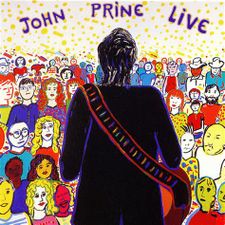
The Oldest Baby In The World can be found on the John Prine live album from 1988 which was taped over a 3 day period the The Coach House in San Juan Capistrano, California.
John co-wrote this song with Donnie Fritts, who played keyboard for Kris Kristofferson for more than 40 years.
Chords And Strumming
The chords in this one you'll play a C, F, D7, G, G6 and an Am in standard tuning. Some picking with a root down up down up root down up down up rhythm pattern.
Guitar Lesson Details - (chords & lyrics sheet incl with lesson)
Jump To Top
Unwed Fathers - Learn To Play On Guitar
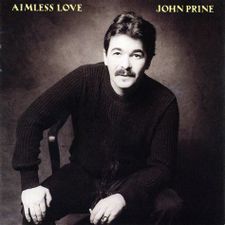
Unwed Fathers was co-written by John Prine and Bobby Bradcock in 1984, the day after the Superbowl. John said he had 15 titles written down and read them off. As soon as Bradcock heard the title, lights went off and they got to work.
This song appears on the 1984 album "Aimless Love".
Chords And Strumming
The chords in this one are G, C, D and a D7 in standard tuning. For rhythm play a root down up root up down up and be prepared for a little picking.
Guitar Lesson Details - (chords & lyrics sheet incl with lesson)
Jump To Top
Your Flag Decal Won't Get You Into Heaven Anymore
- Learn To Play On Guitar
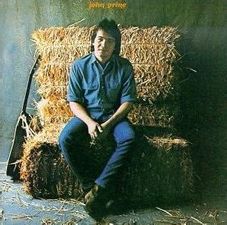
Your Flag Decal Won't Get You Into Heaven Anymore is a satirical anti-war anthem from John Prine’s self-titled debut album, released in October 1971.
Although it never charted and was not released as a single, it became a cult classic and a staple of Prine’s early career. The song was directly inspired by Prine’s time as a mailman, where he grew frustrated delivering Reader’s Digest magazines that included free flag decals during the Vietnam War.
Prine used the song to mock the "silent majority" and superficial displays of patriotism. Interestingly, he retired the song from his live sets for years because he felt the lyrics were too harsh, only bringing it back by popular request during the Iraq War.
Chords And Strumming
This one is in standard tuning with A root down up down up down up and repeat rhythm pattern with the chords G, C, D, D7, A, B and a G7. No picking in this one.
Guitar Lesson Details - (chords & lyrics sheet incl with lesson)
Jump To Top
On this John Prine Hello best songs page I've covered over a dozen songs as they relate to strumming patterns and tunings. You have access to my free demos and downloadable pdf chords and lyrics sheets and a purchase link if you need more instruction.
I hope you found some helpful information here and if you choose to share this page with the social media icons that would be much appreciated. Thank you.
If you liked this John Prine best songs page you might also like ... (click images)

John Prine 2018 - Great Interview
Fun Folk Songs To Sing
Latest 100 Tutorials
© 2019–2026 KirbysGuitarLessons.com — All Rights Reserved