Best Bruce Springsteen Guitar Songs for Acoustic Players
Bruce Springsteen’s music blends rock energy with heartfelt storytelling, making his songs a joy to play on acoustic guitar.

This first collection highlights some of his most celebrated tracks — from anthems like “Born in the USA” and “Glory Days” to fan favorites such as “Bobby Jean” and “Human Touch.”
Each lesson includes chords, strumming tips, and performance notes so you can bring the Boss’s powerful sound to life in your own playing.
There an additional 8 lessons at the link below.
🎸 Overview Video - “Watch This Preview of My Best Bruce Springsteen Guitar Songs”
More Springsteen videos further down this page
Bruce Springsteen Song List
Across The BorderBobby Jean
Born In The USA
Cover Me
Dancing In The Dark
Darkness On The Edge Of Town
Glory Days
Human Touch
I Wish I Were Blind
My Hometown
One Step Up
Tenth Avenue Freeze Out
The Promised Land
The Wrestler
Thunder Road
Tougher Than The Rest
Across The Border - Learn To Play On Guitar
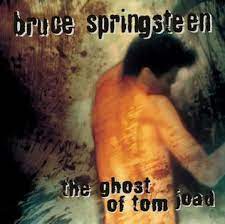
Across The Border is a song by Bruce Springsteen from his album "The Ghost Of Tom Joad" released in 1995. Unlike some of his other songs, this one wasn't put out as a single for radio play. In the song,
Springsteen tells a story about people trying to cross the border from Mexico into the United States. It's a thoughtful song that talks about the struggles and dreams of these individuals.
There's no official music video for it, but it's still a meaningful part of Springsteen's work, capturing the essence of his storytelling style.
Chords And Strumming
The song is played in standard tuning with a capo on the 3rd fret and does have a bit of acoustic picking that can be added. The rhythm for the song is a down down up up down up and repeat using the chords G, C, D/Gb and a Bm.
Guitar Lesson Details - (chords & lyrics sheet incl with lesson)
Back To Song List
Bobby Jean - Learn To Play On Guitar
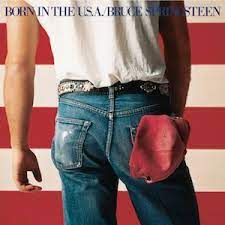
Bobby Jean was a promotional single in 1984 for the "Born In The USA" album.
Even though it wasn't officially released as a single for radio, it still managed to reach number 36 on the charts in the United States. The song is about friendship and reminiscing about someone named Bobby Jean.
There's no official music video for it, but it's a beloved track from the album that showcases Springsteen's knack for heartfelt storytelling through his music.
Chords And Strumming
Another one that can be played in standard tuning and contains some lead picking for the acoustic player. I play this one with a down down up down up down up and repeat rhythm pattern with a capo on the 2nd fret. Use the chords G, D/Gb, C, A and Em for this one.
Guitar Lesson Details - (chords & lyrics sheet incl with lesson)
Back To Song List
Born In The USA - Learn To Play On Guitar
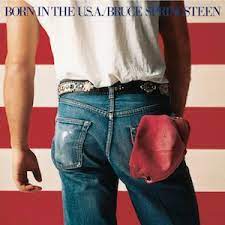
Born In The USA is a famous song by Bruce Springsteen, released as the main single from his album of the same name in 1984. Although it reached number one in New Zealand, it peaked at number eight in the United States and number two in Australia.
The song is often misunderstood as a patriotic anthem, but its lyrics actually critique aspects of American society, particularly the treatment of Vietnam War veterans.
The music video features Springsteen performing the song with his band. It's a powerful track that became one of his most well-known songs, despite its complex message.
Chords And Strumming
For this one I use a Drop D Tuning but that's always optional and with a capo on the 2nd fret. For rhythm I play a root down root up down up and repeat, and the song allows room to blend in a few riffs throughout. Only atwo chord songs using the D and G chords.
Guitar Lesson Details - (chords & lyrics sheet incl with lesson)
Back To Song List
Cover Me - Learn To Play On Guitar
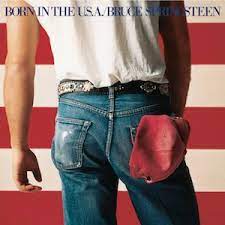
Cover Me is a song by Bruce Springsteen from his album "Born In The USA," released in 1984. It became a single and climbed to number two on the charts in the United States.
Additionally, it made it into the top 10 in both Ireland and New Zealand. The song has a catchy beat and is known for its energetic vibe.
While there isn't a particularly notable music video for "Cover Me," it remains a favorite among fans for its driving rhythm and Springsteen's passionate vocals.
Chords And Strumming
This one has a few chords in it including Bm, D, A, Em, Gbsus, Gb and G using standard tuning. I have a bit of picking in my acoustic version which is fully covered in the lesson and I play this one using a a quick shuffle followed by down strokes.
Guitar Lesson Details - (chords & lyrics sheet incl with lesson)
Back To Song List
Dancing In The Dark - Learn To Play On Guitar
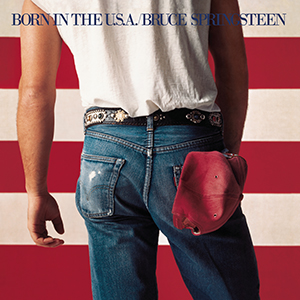
"Dancing in the Dark" is is a famous song by Bruce Springsteen, released in 1984 as the lead single from his album "Born in the U.S.A." It became one of his biggest hits, helping the album become incredibly successful.
Interestingly, Springsteen wrote the song overnight after being convinced by his manager that the album needed a strong single. Despite initially being reluctant, Springsteen wrote the song in one night, expressing his feelings of isolation and frustration.
The song was recorded in several takes and underwent numerous mixes before its release. Its music video features Springsteen dancing with actress Courteney Cox, which helped boost its popularity. "Dancing in the Dark" remains one of Springsteen's most iconic songs, loved by fans worldwide.
Chords And Strumming
I play this one with a capo on the 4th to keep me in the original key while using a down up down up down up and repeat rhythm pattern. There isn't any lead in this one to be concerned about while strumming the chords G, Em, C, Am and D.
Guitar Lesson Details - (chords & lyrics sheet incl with lesson)
Back To Song List
Darkness On The Edge Of Town - Learn To Play On Guitar
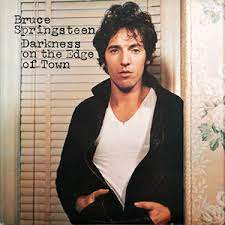
Darkness On The Edge Of Town is a song by Bruce Springsteen from his album of the same name, which came out in 1978. Even though it's a standout track on the album, it was never officially released as a single for radio play.
It's not common for an artist to name an album after a song and then not release it as a single, but Springsteen's decision adds to the mystique of the song and the album as a whole.
While there isn't a music video for "Darkness on the Edge of Town," it remains a beloved song among Springsteen fans for its raw emotion and powerful lyrics.
Chords And Strumming
This one can be played in standard tuning using the chords G, C/G, C, Em and D and playing a root up down up root up down up and repeat rhythm pattern. A bit of acoustic picking is embedded into this one.
Guitar Lesson Details - (chords & lyrics sheet incl with lesson)
Back To Song List
Glory Days - Learn To Play On Guitar
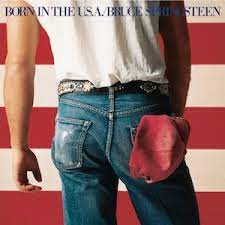
Glory Days was another song from the "Born In The USA" album that just failed to hit #1 on the charts.
Although it didn't quite reach number one on the charts, it did manage to peak at number three in both the United States and Ireland. The song reflects on the passage of time and the nostalgia for past experiences.
While there isn't a particularly memorable music video for "Glory Days," there are clips of live performances that are entertaining.
Chords And Strumming
For rhythm on this song, you can play a down up up down down and some down strokes in places using the three simple chords A, D and E in standard tuning. And there is no lead in this song, just rhythm.
Guitar Lesson Details - (chords & lyrics sheet incl with lesson)
Back To Song List
Human Touch - Learn To Play On Guitar
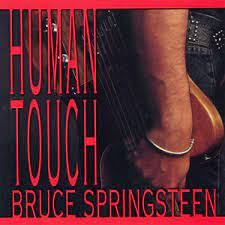
Human Touch was released in 1992 as the only single from his album of the same name.
It reached the top spot on the charts in the United States, making it a number one hit. The song explores themes of connection and intimacy, with Springsteen's signature heartfelt lyrics and melodic sound.
While there isn't a particularly notable music video
for "Human Touch," the song remains a standout track in Springsteen's
discography, loved by fans for its emotional resonance and catchy tune.
Chords And Strumming
This song can be played in standard tuning using the rhythm pattern down down up down up down up and repeat. There is a bit of picking as you move through this song using the chords G, F and C.
Guitar Lesson Details - (chords & lyrics sheet incl with lesson)
Back To Song List
I Wish I Were Blind - Learn To Play On Guitar
I Wish I Were Blind is a soulful and emotionally raw ballad featured on the 1992 album Human Touch. Written by Springsteen during a period of significant personal and professional transition, the song explores the painful experience of seeing a former lover with someone new.
While the track was never released as a commercial single, it is highly regarded for its intimate production and features backing vocals from Bobby Hatfield of the Righteous Brothers, adding a touch of classic soul to the recording. The music video is a performance-based clip from the MTV Plugged special, capturing the raw energy and vocal precision of the era.
The song was recorded with a three-man backing band that included Randy Jackson on bass, marking a departure from the traditional E Street Band sound of the previous decade.
Chords And Strumming
I play this one with a root up down up up down up and repeat rhythm pattern in standard tuning using the chords G, C, D, D7, D/Gb and Em. There is a bit of lead work for the guitar player in this song.
Guitar Lesson Details - (chords & lyrics sheet incl with lesson)
My Hometown - Learn To Play On Guitar
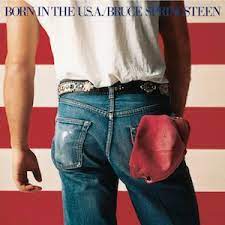
My Hometown was released in 1985 as the final single from Bruce Springsteen’s Born in the U.S.A. album. The track reached #6 on the Billboard Hot 100 and topped the Adult Contemporary chart.
Lyrically, it’s a reflective ballad where Springsteen sings about growing up in a small town, touching on themes of economic decline, racial tension, and personal memory. Interestingly, the song’s arrangement is understated compared to the album’s more rock-driven hits, featuring soft keyboards and gentle percussion.
Springsteen often performed “My Hometown” as a poignant set-closer in his mid-80s concerts, leaving audiences with a quiet, thoughtful moment to end the night.
Chords And Strumming
Soon.
Guitar Lesson Details - (chords & lyrics sheet incl with lesson)
One Step Up - Learn To Play On Guitar
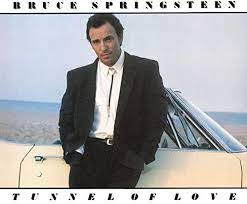
One Step Up hails from the 1988 from album "Tunnel of Love." The song climbed to the number two spot on the charts in the United States, making it a popular hit.
The song delves into themes of relationship struggles and personal reflection, with Springsteen's trademark heartfelt lyrics and soulful voice.
While there isn't a particularly notable music video for "One Step Up," the song remains a standout track on the album and a favorite among fans for its emotional resonance and relatable lyrics.
Chords And Strumming
This one I play with a capo on the 3rd fret in standard tuning. Use a down up down up up down up and repeat rhythm pattern and be prepared for a bit of lead in this one. Chords I use for this one are G6, Dsus2, Em7 and an Asus4.
Guitar Lesson Details - (chords & lyrics sheet incl with lesson)
Tenth Avenue Freeze Out - Learn To Play On Guitar
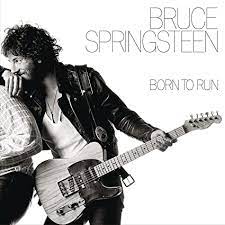
Tenth Avenue Freeze Out is a high-energy, brass-heavy anthem from the landmark 1975 album Born to Run.
Written by Springsteen, the song serves as a semi-mythological account of the formation of the E Street Band, famously name-checking the "Big Man" (Clarence Clemons) in the third verse. Released as a single in early 1976, it reached number 83 on the Billboard Hot 100, though it achieved far greater status as a legendary live staple.
The recording is recognized for its infectious horn arrangement, which was famously directed by Steven Van Zandt during the studio sessions. While no high-budget music video was made at the time, the song’s legacy is preserved through countless live performance clips that showcase the band’s incredible stage chemistry.
Springsteen has frequently admitted that he still has no idea what the title actually means, but its importance to his personal history remains undeniable.
Chords And Strumming
There is a bit of lead work in here for the acoustic using the chords Bm, A, G, D, and A7 in standard tuning. The rhythm pattern I use here is a quick shuffle down down up down up down - down up down up down and repeat.
Guitar Lesson Details - (chords & lyrics sheet incl with lesson)
Back To Song List
The Promised Land - Learn To Play On Guitar
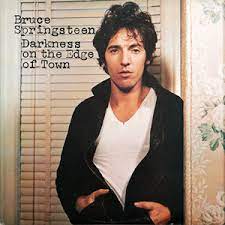
The Promised Land is a soaring, harmonica-driven anthem that serves as a pivotal centerpiece of the 1978 masterpiece Darkness on the Edge of Town. Written by Bruce Springsteen during a prolific period of creative frustration and legal battles, the song was released as a single in the United Kingdom and became a staple of album-oriented rock radio across North America.
The lyrics follow a working-class protagonist driving through the Utah desert, seeking a spiritual and personal breakthrough against the crushing weight of everyday life. Interestingly, the track features a distinctive harmonica solo that pays homage to the folk-rock influence of Bob Dylan, blended seamlessly with the powerhouse drive of the E Street Band.
While no formal music video was produced in the late 1970s, the song’s legacy is defined by legendary live performances, most notably those captured during the 1978 and 1980 tours, where it often functioned as a high-energy call to resilience.
Chords And Strumming
This song has no lead work to be concerned about and can be played in standard tuning with the chords G, C, Em, Am and D. The rhythm I use for this one is a down down up down up down up and repeat.
Guitar Lesson Details - (chords & lyrics sheet incl with lesson)
The Wrestler - Learn To Play On Guitar
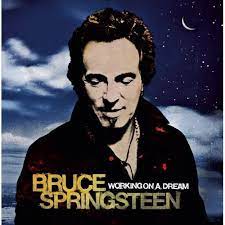
The Wrestler is a stark and powerful ballad written by Springsteen for the 2008 film of the same name. Released as a bonus track on the 2009 album Working on a Dream, the song was a significant critical success, winning the Golden Globe for Best Original Song and receiving a Grammy nomination.
Written following a personal request from the film's star and Springsteen’s longtime friend Mickey Rourke, the track features a weary, observational vocal and a sparse arrangement played entirely by Bruce himself. The music video is an evocative clip filmed in a boxing gym in New Brunswick, New Jersey, featuring Bruce in the ring interspersed with scenes from the movie.
A unique bit of trivia is that Springsteen gave the song to the filmmakers for no fee, further emphasizing the personal connection he felt to the project and the film’s themes of resilience and loss.
Chords And Strumming
I use Drop D Tuning in this one and a capo on the 1st fret. Using a slow down down up down up down rhythm pattern you're able to blend in a few riffs nicely while playing the chords D, G, A7sus, A7, Em, Gbm and A.
Guitar Lesson Details - (chords & lyrics sheet incl with lesson)
Thunder Road - Learn To Play On Guitar
Thunder Road is a famous song by Bruce Springsteen, featured on his 1975 album "Born To Run." Despite its popularity, it was never officially released as a single.
The song is beloved by fans for its powerful lyrics and uplifting melody, capturing the spirit of freedom and hope. It's often considered one of Springsteen's most iconic tracks.
While there isn't a specific music video for "Thunder Road," its impact on Springsteen's career and its place in music history is undeniable.
Chords And Strumming
This one can be played with a capo on the 3rd fret using the rhythm pattern down down up down up down combined with the chords D, Bm, G, Gbm, A and Em. There is a bit of lead picking in here for the acoustic player.
Guitar Lesson Details - (chords & lyrics sheet incl with lesson)
Tougher Than The Rest - Learn To Play On Guitar
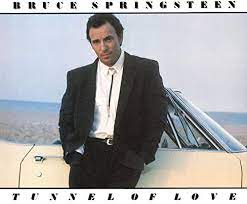
Tougher Than The Rest is a rhythmic and melodic standout from the 1987 album Tunnel of Love. Written by Springsteen, the song reached the top 20 in several international markets and became a quintessential romantic anthem for fans of his late-80s work.
The music video was directed by Meiert Avis and is notable for featuring live concert footage interspersed with vignettes of diverse couples, including same-sex pairs, which was a pioneering visual choice at the time. Interestingly, the recording features a more atmospheric, "dry" production style that reflected the album’s themes of romantic maturity and realism.
A live version recorded in Los Angeles was also released on the Chimes of Freedom EP, further cementing the song's status as a staple of his live repertoire.
Chords And Strumming
Uses a Drop D Tuning for this one while playing a root down up down up root up down up and repeat rhythm pattern. You'll need this tuning to get those low notes you hear. You will need to pick over top of the rhythm while playing the chords G, D, C, and Em.
Guitar Lesson Details - (chords & lyrics sheet incl with lesson)
These songs are just the beginning of what Bruce Springsteen has to offer guitar players. If you’ve mastered the tunes here and are looking for more challenges, be sure to check out our second Springsteen page featuring even more great tracks like “Thunder Road” and “My Hometown.” Together, both collections give you a well-rounded mix of his biggest hits and deep cuts for your acoustic repertoire.
Other songs for acoustic are other artists like Bryan Adams and Steve Miller as well as those mentioned below.
If you liked this best Bruce Springsteen guitar songs page you might also like ... (click images)

Acoustic Versions Of Rock Songs
Latest 100 Tutorials
© 2019–2026 KirbysGuitarLessons.com — All Rights Reserved