- Home
- Motown Blues
- Best Jj Cale Guitar Songs
JJ Cale Guitar Songs – Acoustic Lessons

J.J. Cale's laid-back blues grooves and understated guitar style influenced generations of musicians, including Eric Clapton and Mark Knopfler. On this page, you'll find acoustic guitar lessons for six J.J. Cale songs, featuring chord progressions, strumming patterns, signature riffs and lead guitar passages that capture his distinctive sound.
From the swampy blues of Crazy Mama to the driving rhythm of Call Me the Breeze, these arrangements explore the relaxed timing, subtle guitar fills and roots-rock influences that define Cale's music. Each lesson helps you bring that unmistakable groove to a single acoustic guitar.
🎸 Watch the JJ Cale Guitar Lessons Overview
performance clips taken directly from the complete lesson videos.
Click Play, then drag the timeline to quickly preview any JJ Cale lesson featured on this page.
Note: Every arrangement has been personally created, recorded and taught by Kirby
using teaching methods refined through decades of acoustic guitar instruction.
What's Included With Every Lesson
📦 Your Lesson Package Includes
✓ 8–12 minute HD video lesson so you can learn each song step-by-step.
✓ Printable chords & lyrics PDF for easy practice away from the screen.

✓ Instant download—start playing in minutes.
✓ Learn at your own pace on any device.
New to J.J. Cale? Start Here
J.J. Cale's guitar style is built around relaxed rhythms, understated blues phrasing and a distinctive groove. Rather than filling every space with notes, his playing allows the rhythm, riffs and subtle guitar details to carry the music. These three songs offer a good introduction to that approach.
After Midnight — A great introduction to Cale's blues-rock rhythm. The arrangement uses four chords, a repeating strumming pattern and a recognizable guitar riff that blends into the accompaniment. It's a good place to begin developing the feel of his music.
Crazy Mama — Explore Cale's slower, swampy blues sound with this Drop D arrangement. Three chords, a steady rhythm and a few hammer-ons establish the groove, while slides and lead passages add more of his distinctive guitar character.
Call Me the Breeze — Move into a more driving blues-rock rhythm using Drop D tuning with a capo on the second fret. Hammer-ons, guitar riffs and lead picking help create the rolling groove that makes this song a Cale classic.
The key to playing J.J. Cale's music is developing the feel of the rhythm. Start with the chords and strumming, then gradually introduce the riffs, hammer-ons and lead passages as the arrangement comes together.
JJ Cale Guitar Lessons Included On This Page
After Midnight Guitar Lesson
Call Me The Breeze Guitar Lesson
Crazy Mama Guitar Lesson
If I Had A Rocket Guitar Lesson
It's Easy Guitar Lesson
Trouble In The City Guitar Lesson
🎁 Free Demo Preview
Scroll down to check out a completely free demo on JJ Cale’s “If I Had A Rocket”After Midnight
- Learn To Play On Acoustic Guitar

After Midnight was originally recorded and released by J.J. Cale in 1966, several years before Eric Clapton introduced the song to a wider audience on his 1970 self-titled debut album. Clapton's success helped revive interest in Cale's music and provided the Oklahoma songwriter with much-needed royalty income.
Cale subsequently re-recorded the song for his 1971 debut album, Naturally, giving it the relaxed, understated groove that became his trademark. Released as a single in 1972, Cale's version reached No. 42 on the Billboard Hot 100. Clapton revisited the song in 1988 for a Michelob beer commercial, introducing it to another generation of listeners.
What You'll Learn From This Lesson
My version of After Midnight by J.J. Cale is played in standard tuning using the chords D, F, G and A. The rhythm follows a down, down-up, down-up, down-up pattern that repeats throughout the song, creating the relaxed blues-rock groove associated with Cale's playing.
The arrangement includes an opening guitar riff that blends into the rhythm and returns at various points while singing. There's also a lead guitar section that adds another dimension to the performance.
I recommend learning the chords and strumming pattern first, then working on the intro riff until you can blend it naturally with the rhythm. Once those parts are comfortable, move on to the lead section to complete the arrangement.
Guitar Lesson Details - (chords & lyrics sheet incl with lesson)
Back To Song List
Call Me The Breeze
- Learn To Play
On Acoustic Guitar

Call Me The Breeze was written and recorded by J.J. Cale for his 1971 debut album, Naturally. The recording was notable for its early use of a drum machine, which helped establish the relaxed, steady groove that became a signature of Cale's Tulsa sound.
The song's lyrics describe a free-spirited traveller who keeps moving without settling down. Lynyrd Skynyrd introduced the song to a wider Southern rock audience with their energetic 1974 version on Second Helping, featuring driving guitars and an extended instrumental arrangement.
Other artists, including Johnny Cash, Bobby Bare and Eric Clapton, have also recorded it. Clapton revisited the song for his 2014 tribute album, The Breeze: An Appreciation of JJ Cale, accompanied by a music video.
What You'll Learn From This Lesson
My take for Call Me the Breeze by J.J. Cale is using Drop D tuning with a capo on the second fret. The arrangement uses just three chord shapes — D, G and A — with a steady down-up, down-up strumming pattern. Hammer-ons are worked into the rhythm to create that rolling blues-rock groove associated with Cale's laid-back playing style.
Drop D gives the D chord a deeper, fuller sound and provides additional possibilities for the lead guitar passages, although you can also play the song in standard tuning. The arrangement includes some lead picking along with riffs blended into the chords toward the end of the song.
Start by learning the three chords and establishing a consistent rhythm with the hammer-ons. Then work on the lead section and additional riffs to build a complete arrangement that works on a single acoustic guitar.
Guitar Lesson Details - (chords & lyrics sheet incl with lesson)
Back To Song List
Crazy Mama - Learn To Play On Acoustic Guitar

Crazy Mama was written and recorded by J.J. Cale for his 1971 debut album Naturally. Released as a single, it became Cale's biggest hit on the Billboard Hot 100, reaching No. 22 in 1972. The song showcases his signature laid-back Tulsa Sound, blending blues, country, and rock with an understated vocal delivery and relaxed guitar groove.
Despite its commercial success, Cale remained uncomfortable with the spotlight, preferring to let his music speak for itself. "Crazy Mama" helped establish his reputation as an influential songwriter and guitarist whose distinctive style would later inspire artists such as Eric Clapton and Mark Knopfler. Its unhurried rhythm and bluesy character remain classic examples of Cale's musical approach.
What You'll Learn From This Lesson
Consider playing Crazy Mama by J.J. Cale in Drop D tuning using the chords D, C and G, rather than the original key of B. The rhythm follows a steady down-up, down-up pattern, with a few hammer-ons to bring out the song's laid-back blues-rock groove.
Since much of the song stays on the D chord, Drop D tuning provides a deep, resonant bass sound that adds fullness to the acoustic arrangement. You can also incorporate slides against that low D bass note, along with some lead guitar playing, to capture more of Cale's distinctive style.
Start by learning the three chords and establishing the rhythm with the hammer-ons. Once the groove feels comfortable, work on the lead passages and experiment with the slides to bring the arrangement together.
Guitar Lesson Details - (chords & lyrics sheet incl with lesson)
Back To Song List
If I Had A Rocket
- Learn To Play
On Acoustic Guitar

If I Had A Rocket appeared on J.J. Cale's 1996 album Guitar Man, a recording that reflected his independent, understated approach to making music. Cale handled nearly all the instrumentation himself, apart from the drums, maintaining the relaxed blend of blues, country and rock that defined his Tulsa sound.
The album also featured contributions from his wife, Christine Lakeland, who played guitar and provided backing vocals on Death in the Wilderness. Although If I Had a Rocket was not released as a commercial single, it remains an interesting example of Cale's economical songwriting and distinctive guitar style.
Following Guitar Man, Cale stepped away from releasing studio albums for eight years before returning with To Tulsa and Back in 2004.
What You'll Learn From This Lesson
I like to play If I Had a Rocket by J.J. Cale in standard tuning with a capo on the first fret, using the chord shapes G, C, C7 and D7. The rhythm follows a steady down-up, down-up strumming pattern, with hammer-ons adding a bluesy rock-and-roll feel to the accompaniment.
The arrangement also includes two separate improvised lead breaks, giving you an opportunity to work some additional guitar playing into the song while maintaining Cale's relaxed groove. A sliding guitar riff provides the finishing touch at the end.
Start by learning the four chord shapes and establishing a consistent rhythm with the hammer-ons. Once those are comfortable, work through each improvised lead break separately before adding the final sliding riff to complete the arrangement.
Guitar Lesson Details - (chords & lyrics sheet incl with lesson)
Back To Song List
It's Easy
- Learn To Play
On Acoustic Guitar
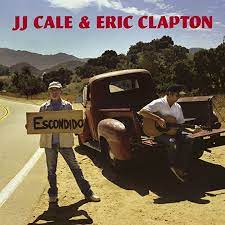
It's Easy appeared on The Road to Escondido, the collaborative album by J.J. Cale and Eric Clapton released in November 2006. The project brought together two musicians whose relaxed approaches to blues, country and rock had influenced each other for decades.
Although the song was never released as a single, it reflects the understated guitar work and unhurried rhythms that characterized their partnership. The album also featured legendary keyboardist Billy Preston, who died in June 2006, several months before its release, making it one of his final recorded projects.
The Road to Escondido went on to win the Grammy Award for Best Contemporary Blues Album in 2008, bringing renewed recognition to Cale's influential musical career.
What You'll Learn From This Lesson
One way to play It's Easy by J.J. Cale is in standard tuning using the chords E, A and B7. The arrangement opens with a guitar riff sequence before settling into a steady down-up, down-up strumming pattern. Hammer-ons and walking bass runs are worked into the rhythm, adding movement while maintaining the song's relaxed, bluesy groove.
There's also a lead guitar break later in the song, giving you an opportunity to build on the rhythm arrangement with some additional picking.
Start by learning the three chords and establishing the steady rhythm, then work on blending the hammer-ons and walking bass runs into the accompaniment. Once those parts feel comfortable, return to the opening riff sequence and lead break to bring the complete solo-acoustic arrangement together.
Guitar Lesson Details - (chords & lyrics sheet incl with lesson)
Back To Song List
Trouble In The City
- Learn To Play
On Acoustic Guitar
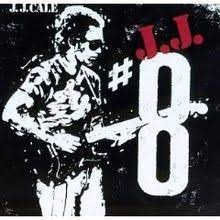
Trouble In The City can be found on J.J. Cale's 1983 album #8, his eighth studio release. The song explores the difficulties and tensions of urban life, delivered through Cale's characteristically understated vocals and relaxed blend of blues and rock.
Although it was never released as a commercial single, the recording captures the economical guitar playing and unhurried rhythms that made his music so distinctive. #8 did not achieve the chart success of Cale's earlier albums and marked the beginning of a quieter period in his recording career.
He would not release another studio album until Travel-Log in 1990, a seven-year gap that separated two chapters of his musical career.
What You'll Learn From This Lesson
I prefer to play Trouble in the City by J.J. Cale in standard tuning with a capo on the second fret, using the chord shapes A, D, D7, G and C. The rhythm relies mainly on downstrokes, with occasional quick shuffle upstrokes and hammer-ons adding movement to the song's laid-back blues groove.
The arrangement begins with a picking intro before the vocals enter, and there's also a lead guitar break that adds another dimension to the performance. Keeping the rhythm steady while working in the hammer-ons helps capture Cale's understated playing style.
Start by learning the five chord shapes and establishing the downstroke rhythm with the hammer-ons. Once you're comfortable with the groove, work on the opening picking sequence and then the lead break to complete the arrangement.
Guitar Lesson Details - (chords & lyrics sheet incl with lesson)
Back To Song List
Frequently Asked Questions About J.J. Cale Guitar Songs
1. How do I get that laid-back J.J. Cale guitar sound?
The secret is in the rhythm and timing rather than the number of notes you play. Cale's style relies on a relaxed groove, a light touch and small guitar fills that complement the rhythm. Start by keeping your strumming steady without rushing, then gradually introduce hammer-ons, bass movement and short riffs. Leaving space between notes is just as important as playing them.
2. Can I play J.J. Cale songs on one acoustic guitar?
Absolutely. These arrangements are designed for a single acoustic guitar, combining rhythm chords with selected riffs, bass runs and lead passages. Songs such as After Midnight and Call Me the Breeze demonstrate how recognizable guitar parts can be worked into the accompaniment without needing a full band.
3. How do I combine guitar riffs and fills with the strumming?
Begin by learning the chord progression and establishing a consistent rhythm. Then practise each riff or fill separately before introducing it into the song. In After Midnight, for example, the opening riff blends into the rhythm and returns during the arrangement. The goal is to make those transitions sound natural without losing the underlying groove.
4. Do J.J. Cale songs require alternate tunings or a capo?
It depends on the arrangement. After Midnight and It's Easy use standard tuning without a capo, while If I Had a Rocket and Trouble in the City use standard tuning with a capo. My arrangements of Crazy Mama and Call Me the Breeze use Drop D tuning, with a capo on the second fret for Call Me the Breeze. Each lesson explains the tuning, capo position and chord shapes used.
5. How can I sing J.J. Cale songs while keeping the guitar rhythm steady?
Start by practising the rhythm until it feels comfortable without the vocals. Then introduce the lyrics while maintaining the same steady pulse. Cale's relaxed vocal phrasing sometimes moves around the beat, so avoid changing your strumming to follow every syllable. Once the singing and rhythm work together, gradually add the guitar fills and embellishments.
More About Learning J.J. Cale's Guitar Style
Learning J.J. Cale's songs is as much about developing your sense of rhythm and timing as it is about mastering chords and guitar riffs. His understated approach shows how a steady groove, well-placed fills and a relaxed playing style can create memorable music without overcomplicating the arrangement.
Explore the free chord and lyric sheets along with the demonstration videos provided for each song. When you're ready to work through the complete arrangements, the full guitar tutorials will help you bring Cale's bluesy, laid-back sound into your own acoustic playing.
If you liked this best JJ Cale guitar songs page you might also like ... (click images)
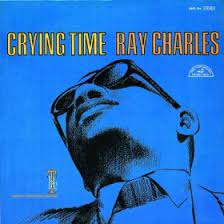
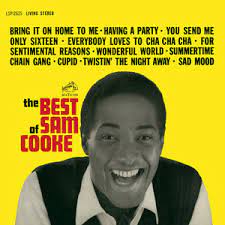

Motown Rhythm And Blues

Kirby Swinemar is an acoustic guitar instructor, performer and song arranger who has taught online for 21 years and created more than 4,000 original acoustic guitar lessons. He specialises in song-based acoustic guitar instruction, rhythm guitar techniques, and creating full-sounding solo arrangements that help beginner and intermediate players move beyond basic strumming.
Explore his work at Kirby's Guitar Lessons and on social media on his social media YouTube Channel and his Facebook Page. Learn more about Kirby on his About Me page.
Latest 100 Tutorials
© 2019–2026 KirbysGuitarLessons.com — All Rights Reserved