- Home
- Motown Blues
- Best of the Blues Songs
Best Of The Blues Songs
On The Acoustic
(Page Updates Coming)

Welcome to my best of the blues songs page where you'll find a variety of blues artists and songs you can easily learn on the acoustic guitar.
Help yourself to the free chord sheets and demos, and if you need or want to purchase the full tutorial lessons, you can do so at a small fee from the prices listed above.
Best Of The Blues Guitar Lessons Included On This Page
Alabama Shakes - Hold On
Albert Lee - Two Step Two
Amos Wilburn -One Scotch Bourbon Soda One Beer
Big Bill Broonzy - Key To The Highway
Blind Boy Fuller - Untrue Blues
Bobby Charles - Goin Fishin
Brendon Kroker - Let Me Explain
Buddy & Ella Fitzgerald - Lover Bird
Cab Calloway - Minnie The Moocher
Bobby Charles - Goin Fishin'
Buddy & Ella Johnson - Lover Bird
Clarence Henry - I Don't Know Why I Love You But I Do
Damon Fowler - Old Fools Barstools And Me
Donald Kinsley - Big Boss Man
Grisman & Garcia - The Thrill Is Gone
Howlin Wolf - Evil, Who's Been Talking
Janis Joplin - Trouble In Mind
Jimmy Reed - Bright Lights Big City, Take Out Some Insurance
Joe Bonamassa - Around The Bend, Get Back My Tomorrow, Mountain Time
Joe Cocker - Feelin' Alright, You Are So Beautiful, You Can Leave Your Hat On
John Moreland - Blacklist, Salisaw Blue, You Don't Care Enough For Me To Cry
Johnny Taylor - Last Two Dollars
Long John Baldry - Let The Heartaches Begin
Mose Allison - Your Mind Is On Vacation
Muddy Waters - Got My Mojo Workin'
Richie Havens - Here Comes The Sun
Robert Johnson - Kindhearted Woman Blues, Me And The Devil Blues, Walkin Blues
Sam Myers - I Got The Blues
Shirley & Lee - Let The Good Times Roll
Sleepy LeBeef - Bright Lights Big City
Soloman Burke - Cry To Me
Stevie Ray Vaughan - Cold Shot, Life By The Drop, Pride & Joy, The House Is A Rockin
Tab Benoit - Jambalaya - My Buckets Got A Hole In It
The Blues Bothers - Gimmie Some Lovin, Hey Bartender, She Caught The Katy, Sweet Home Chicago
The Mystix - Wish I Had Happened
The Powder Blues Band - Doin It Right
The Vaughan Brothers - Tick Tock
Todd Snider - Double Wide Blues, Fortunate Son, In Between Jobs
Tom Waits - Fumblin With The Blues
Tommy McLain - Jukebox Songs
Tuba Skinny - I Get The Blues
Whitey Morgan - Bad News
🎁 Free Demo Preview
Scroll down to check out a completely free demo on Joe Cocker's “Feelin Alright”.Alabama Shakes Songs - Learn To Play On Guitar
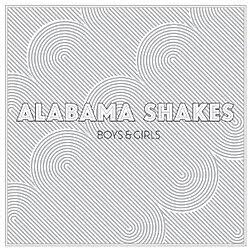
Hold On became the breakthrough song for Alabama Shakes when it appeared on their 2012 debut album, Boys & Girls. Interestingly, the song began during a live performance in Decatur, Alabama, when singer Brittany Howard improvised the lyrics over a groove developed by her bandmates.
Its message of perseverance and uncertainty reflected Howard’s experiences as a young adult facing new responsibilities. Blending gritty Southern rock, blues, and vintage soul, the recording showcased her powerful vocals and the band's distinctive sound.
Rolling Stone named “Hold On” the best song of 2012, while the track earned a Grammy nomination for Best Rock Performance, helping introduce Alabama Shakes to an international audience.
Chords And Strumming
Soon
Guitar Lesson Details - (chords & lyrics sheet incl with lesson)
Chords & LyricsBack To Songlist
Albert Lee Songs - Learn To Play On Guitar
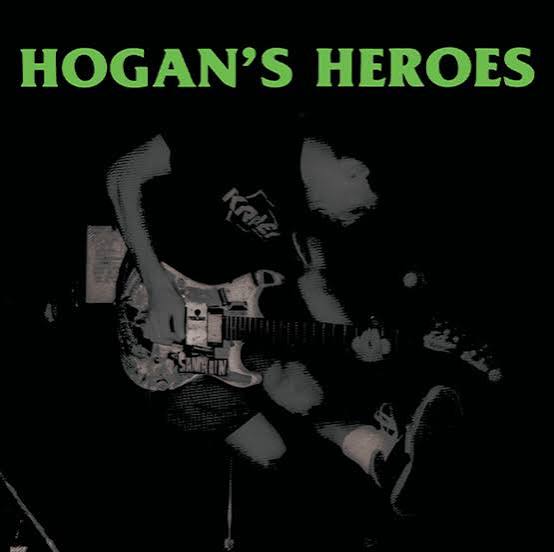
Two Step Too showcases the lively country-blues guitar style that has made Albert Lee one of the most respected pickers in music.
Written and originally recorded by Delbert McClinton for his 2005 album Cost of Living, the song found a natural home in Lee's repertoire. His version appeared on the 2008 album Like This, recorded with his longtime band Hogan's Heroes.
Built around a swinging two-step rhythm, the arrangement blends country, blues, and rockabilly influences while leaving plenty of room for Lee's trademark guitar work. The song remained a favourite in his live performances, appearing again on his 2018 concert album Live at the Iridium.
Chords And Strumming
Soon
Guitar Lesson Details - (chords & lyrics sheet incl with lesson)
Chords & LyricsBack To Songlist
Amos Wilburn Songs - Learn To Play On Guitar

One Scotch One Soda One Beer was recorded by rhythm and blues pianist and singer Amos Milburn in 1953, becoming one of his most recognizable songs.
Written by Rudy Toombs, the tune tells the humorous story of a heartbroken man seeking comfort at his neighbourhood bar after his woman leaves him. Milburn’s recording reached No. 2 on the Billboard R&B chart, continuing his remarkable run of hits during the late 1940s and early 1950s.
The song later gained renewed popularity through John Lee Hooker’s blues interpretation and George Thorogood’s 1977 recording. Its memorable drinking refrain and relaxed blues rhythm have kept it popular with blues musicians for generations.
Chords And Strumming
Soon
Guitar Lesson Details - (chords & lyrics sheet incl with lesson)
Chords & LyricsBack To Songlist
Big Bill Broonzy Songs
- Learn To Play On Guitar
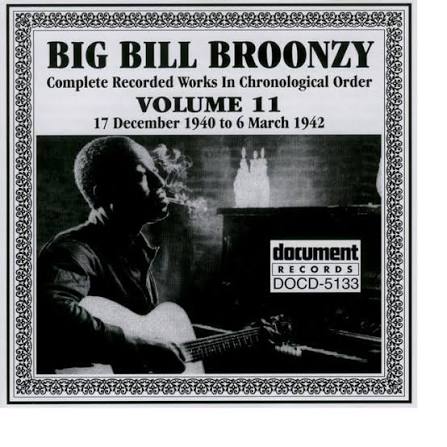
Key To The Highway became one of Big Bill Broonzy’s signature blues recordings when he released his version in 1941.
Although pianist Charlie Segar first recorded the song in 1940, Broonzy helped establish the eight-bar blues arrangement that later became its standard form. The lyrics describe a restless man preparing to leave his troubled relationship behind and take to the open road. Broonzy’s recording featured Jazz Gillum on harmonica, adding to its distinctive pre-war Chicago blues sound.
Little Walter revived the song in 1958, while Eric Clapton and Duane Allman recorded a memorable version for Layla and Other Assorted Love Songs in 1970, introducing the classic to another generation.
Chords And Strumming
Soon
Guitar Lesson Details - (chords & lyrics sheet incl with lesson)
Chords & LyricsBack To Songlist
Blind Boy Fuller Songs - Learn To Play On Guitar
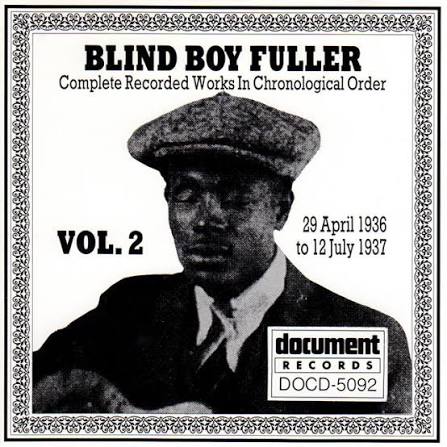
Untrue Blues was recorded by Blind Boy Fuller in New York City on February 9, 1937, capturing the distinctive Piedmont blues guitar style that made him a leading figure in pre-war country blues. The song explores romantic betrayal and frustration, with Fuller delivering his complaints through conversational lyrics and intricate fingerpicking.
Interestingly, the arrangement draws from the earlier “Crow Jane” blues tradition, demonstrating how musicians adapted familiar melodies into new recordings. Fuller's alternating bass notes and lively treble runs give the performance its unmistakable rhythmic character.
Although never a mainstream chart hit, “Untrue Blues” remains an excellent example of his musical craftsmanship and was later preserved on several historical blues compilations.
Chords And Strumming
Soon
Guitar Lesson Details - (chords & lyrics sheet incl with lesson)
Chords & LyricsBack To Songlist
Bobby Charles Songs
- Learn To Play On Guitar

Goin' Fishin' was recorded by Bobby Charles back in 2004 for his album Last train To Memphis.
There is no indication the song was ever released as a single.
Chords And Strumming
Soon
Guitar Lesson Details - (chords & lyrics sheet incl with lesson)
Chords & LyricsBack To Songlist
Brendon Kroker Songs - Learn To Play On Guitar
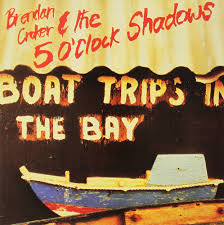
Let Me Explain
appeared on Brendan Croker & The 5 O'Clock Shadows’ 1987 album Boat Trips in the Bay. Rather than being credited as a Croker original, the song was listed as a traditional composition, reflecting his deep appreciation for early American blues and roots music. The Yorkshire-born guitarist and singer developed a distinctive sound by combining country blues, folk, and understated rock influences. His relaxed vocal delivery and guitar playing gave traditional material a fresh interpretation without losing its original character.
Croker later became widely known for his work with Mark Knopfler and The Notting Hillbillies, introducing his roots-oriented musical approach to a broader audience.
Chords And Strumming
Soon
Guitar Lesson Details - (chords & lyrics sheet incl with lesson)
Back To Songlist
Buddy & Ella Johnson Songs - Learn To Play On Guitar

Lover Bird is a lesser-known recording associated with Buddy Johnson and his sister Ella, whose music helped bridge the gap between big-band swing, jump blues, and early rhythm and blues.
Buddy was an accomplished pianist, songwriter, and bandleader, while Ella provided the expressive vocals that became a hallmark of their recordings. Unlike their better-known hits, “Lover Bird” received little commercial attention and appears to have remained unreleased during their original recording years.
The song eventually surfaced on the 1992 Bear Family compilation Buddy & Ella Johnson: 1953–1964, which preserved numerous rare performances. Its inclusion offers listeners another glimpse into the musical partnership that influenced the development of early R&B
Chords And Strumming
Soon
Guitar Lesson Details - (chords & lyrics sheet incl with lesson)
Chords & LyricsBack To Songlist
Cab Calloway Songs - Learn To Play On Guitar

Minnie The Moocher launched Cab Calloway into stardom in 1931, becoming one of jazz music’s first million-selling records. Recorded with his orchestra for Brunswick Records, the song reached No. 1 and introduced audiences to Calloway’s unforgettable scat-singing style.
During live performances, he encouraged audiences to repeat his increasingly complicated vocal phrases, often leaving them laughing as they struggled to keep up. Beneath its playful delivery, the lyrics tell a darker story involving poverty and drug use.
The song also appeared in a 1932 Betty Boop cartoon, but gained renewed popularity when Calloway performed it in the 1980 film The Blues Brothers, introducing his signature number to another generation.
Chords And Strumming
Soon
Guitar Lesson Details - (chords & lyrics sheet incl with lesson)
Chords & LyricsBack To Songlist
Clarence Henry Songs - Learn To Play On Guitar

I Don't Know Why I Love You But I Do became one of Clarence “Frogman” Henry’s biggest hits in 1961, showcasing his distinctive New Orleans rhythm and blues style.
Written by Paul Gayten and Bobby Charles, the song combines a gentle, swaying melody with lyrics about the mysteries of love. Originally released as “I Don't Know Why,” its title was changed to “But I Do” to avoid confusion with an earlier standard. The recording reached No. 4 on the Billboard Hot 100 and No. 3 in Britain, spending 19 weeks on the UK chart.
Decades later, the song found a new audience through its appearance in the 1994 film Forrest Gump.
Chords And Strumming
Soon
Guitar Lesson Details - (chords & lyrics sheet incl with lesson)
Chords & LyricsBack To Songlist
Damon Fowler Songs - Learn To Play On Guitar
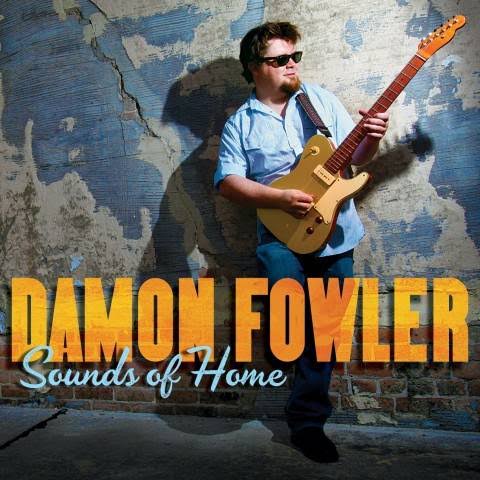
Old Fools Bar Stools And Me appeared on Damon Fowler’s 2014 album Sounds of Home, bringing a distinctly country flavour to the Florida blues guitarist’s repertoire.
Co-written by Fowler and Ed Wright, the song explores loneliness, regret, and the contradictions of a man who struggles with relationships but dislikes being alone. Its laid-back delivery and expressive lap steel guitar give the recording a traditional country-blues atmosphere.
The album was produced by fellow blues musician Tab Benoit at his Louisiana studio and released through Blind Pig Records. Fowler continued performing the song in concert, eventually including an extended version on his 2015 live album, demonstrating its lasting place in his repertoire.
Chords And Strumming
Soon
Guitar Lesson Details - (chords & lyrics sheet incl with lesson)
Chords & LyricsBack To Songlist
Donald Kinsey Songs - Learn To Play On Guitar
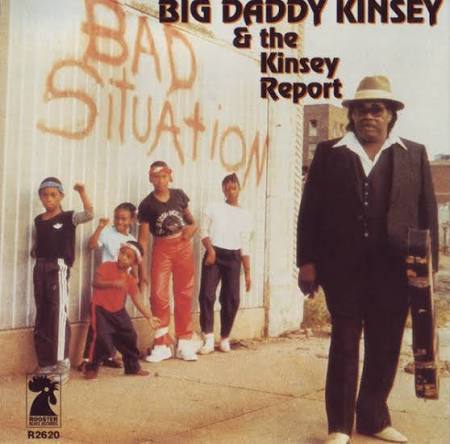
Big Boss Man was written by Luther Dixon and Al Smith and first recorded by blues legend Jimmy Reed in 1960, becoming one of his signature songs. Its lyrics describe a frustrated worker confronting an overbearing employer, delivered through a memorable blues shuffle.
Elvis Presley, B.B. King, and numerous other performers later recorded their own interpretations. Guitarist Donald Kinsey also brought his distinctive blues style to the song, drawing on a career that crossed blues, rock, and reggae.
Kinsey performed with Peter Tosh and Bob Marley and the Wailers, while also working with Albert King. Although the exact album containing Kinsey’s version remains unclear, the song fits naturally into his blues repertoire.
Chords And Strumming
Soon
Guitar Lesson Details - (chords & lyrics sheet incl with lesson)
Chords & LyricsBack To Songlist
Grisman & Garcia Songs - Learn To Play On Guitar

The Thrill Is Gone began as a blues composition written by Roy Hawkins and Rick Darnell in 1951, but became internationally famous through B.B. King's 1969 recording. Released as a single in 1970, King's version reached No. 15 on the Billboard Hot 100 and earned him a Grammy Award.
Jerry Garcia and mandolin virtuoso David Grisman offered a very different interpretation on their 1991 self-titled acoustic album. Their arrangement replaced the familiar electric blues atmosphere with a relaxed blend of guitar, mandolin, and understated vocals, highlighting the song's emotional lyrics.
Although their version wasn't released as a commercial single, it remains a memorable example of the duo's musical chemistry.
Chords And Strumming
Soon
Guitar Lesson Details - (chords & lyrics sheet incl with lesson)
Chords & LyricsBack To Songlist
Howlin Wolf Songs - Learn To Play On Guitar

Evil was originally recorded by Howlin’ Wolf in 1954, with songwriter Willie Dixon providing a chilling warning about jealousy, betrayal, and the darker side of human nature.
The song became an enduring Chicago blues favourite, showcasing Wolf’s commanding vocals and unmistakable delivery. In 1969, he revisited the composition for The Howlin’ Wolf Album, an experimental release that combined traditional blues with psychedelic rock arrangements.
Wolf reportedly disliked the finished record, particularly its modernized sound, which differed considerably from his earlier recordings. Although the album received mixed reactions, “Evil” remained an important part of his musical legacy and was later interpreted by numerous blues and rock performers.
Chords And Strumming
Soon
Guitar Lesson Details - (chords & lyrics sheet incl with lesson)
Chords & LyricsBack To Songlist

Who's Been Talkin' reveals a more vulnerable side of Howlin' Wolf, as he sings about a woman who has left him and the painful realization that his own behaviour may be responsible. Written by Wolf himself under his real name, Chester Burnett, the song was recorded in 1957 and released by Chess Records in 1960 as the flip side of “Tell Me.”
It later appeared on his celebrated 1962 album Howlin' Wolf, commonly called The Rockin' Chair Album because of its distinctive cover artwork.
Featuring Wolf's haunting harmonica, powerful vocals, and a distinctive Latin-influenced rhythm, the recording became a Chicago blues favourite, later interpreted by artists including Robert Cray and the Steve Miller Band.
Chords And Strumming
Soon
Guitar Lesson Details - (chords & lyrics sheet incl with lesson)
Chords & LyricsBack To Songlist
Janis Joplin Songs - Learn To Play On Guitar
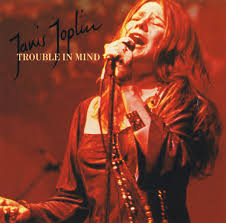
Trouble In Mind dates back to 1924, when pianist Richard M. Jones recorded the blues composition with singer Thelma La Vizzo. Forty years later, a young Janis Joplin performed the song with guitarist Jorma Kaukonen, who would later join Jefferson Airplane.
Their informal June 1964 rehearsal was captured on a reel-to-reel tape at Kaukonen’s home, complete with the sound of his wife Margareta typing in the background. For decades, the recording circulated among collectors before receiving an official release in 2022 on The Legendary Typewriter Tape: 6/25/64 Jorma’s House.
The stripped-down performance offers a fascinating glimpse of Joplin’s blues roots before her rise to international fame.
Chords And Strumming
I play a drop D tuning here with a simple down up down up rhythm pattern. The chords needed are D, A, G, B7, E7 and an A7. Some lead required in this one.
Full lesson, demo and chord sheet in zip file below.
Guitar Lesson Details - (chords & lyrics sheet incl with lesson)
Back To Songlist
Jimmy Reed Songs
- Learn To Play On Guitar

Bright Lights Big City became one of Jimmy Reed’s most successful recordings when it was released on Vee-Jay Records in 1961. Written by Reed with contributions from his wife, Mary “Mama” Reed, the song tells of a man frustrated by his sweetheart’s attraction to the excitement of city nightlife.
Its laid-back twelve-bar blues rhythm, distinctive harmonica, and relaxed vocals helped carry the single to No. 3 on the Billboard R&B chart and No. 58 on the Hot 100. The recording appeared on Jimmy Reed at Carnegie Hall, an album featuring studio performances rather than an actual live concert.
Country singer Sonny James later took his version to No. 1 on the country chart in 1971.
Chords And Strumming
Soon
Guitar Lesson Details - (chords & lyrics sheet incl with lesson)
Chords & LyricsBack To Songlist

Take Out Some Insurance was released by Jimmy Reed in April 1959 on Vee-Jay Records and appeared on his album Rockin' with Reed.
Written by Charles Singleton and Waldenese Hall, the blues number features Reed's familiar laid-back vocals, harmonica, and steady guitar rhythm. Although it reportedly sold well in Louisiana, the single never reached the national charts.
An interesting chapter in the song's history came in June 1961, when Tony Sheridan recorded it in Hamburg with The Beatles as his backing band. Their version featured different lyrics and was eventually released in 1964 under the alternate title “If You Love Me, Baby,” following The Beatles' rise to international fame.
Chords And Strumming
Soon
Guitar Lesson Details - (chords & lyrics sheet incl with lesson)
Chords & LyricsBack To Songlist
Joe Bonamassa Songs - Learn To Play On Guitar

Around The Bend was written by Joe Bonamassa and acclaimed songwriter Will Jennings for Bonamassa's 2004 album Had to Cry Today. Reflecting on life's journey, the lyrics explore personal experiences, perseverance, and the uncertainty of what lies ahead. Interestingly,
Bonamassa was dissatisfied with the original recording and decided to revisit the song for his 2007 album Sloe Gin, giving it a more intimate acoustic arrangement. In a later interview, he explained that Jennings deserved much of the credit for its thoughtful lyrics.
Although never a major chart single, the song became a recurring part of Bonamassa's repertoire, appearing again on his 2013 live acoustic album An Acoustic Evening at the Vienna Opera House.
Chords And Strumming
Soon
Guitar Lesson Details - (chords & lyrics sheet incl with lesson)
Chords & LyricsBack To Songlist

Get Back My Tomorrow brought Joe Bonamassa's powerful blues-rock guitar style to his 2014 album Different Shades of Blue. Released as a single that year, the song reached No. 15 on Billboard's Blues Digital Songs chart. Its lyrics reflect a determination to move beyond a troubled relationship and reclaim a better future.
Featuring driving guitar riffs, soulful vocals, and a strong rhythmic foundation, the recording captures Bonamassa's blend of traditional blues and modern rock.
Produced by Kevin Shirley, the album marked an important milestone as Bonamassa's first studio project consisting entirely of original material. It subsequently reached No. 8 on the Billboard 200, his first top-ten album on that chart.
Chords And Strumming
You can use a down down up down down and repeat rhythm pattern in this one while in standard tuning. I use an Em, D, C, D/Gb, G6, Am and be prepared for some lead work and a riff in this for a solo play on acoustic.
Guitar Lesson Details - (chords & lyrics sheet incl with lesson)
Chords & LyricsBack To Songlist

Mountain Time was written by Joe Bonamassa and Will Jennings and first appeared on Bonamassa’s 2002 album So, It’s Like That. Originally performed at a faster tempo, the song underwent a dramatic transformation when Bonamassa slowed it down, inspired by Gregg Allman’s live interpretation of “Midnight Rider.”
The lyrics describe a journey westward toward a woman whose free-spirited nature offers love and escape. A particularly memorable performance appeared on Bonamassa’s 2009 album Live from the Royal Albert Hall, where the arrangement stretched beyond ten minutes, featuring soaring guitar solos and a gradual emotional buildup.
The song eventually became a concert favourite and a regular encore in his live shows.
Chords And Strumming
Soon
Guitar Lesson Details - (chords & lyrics sheet incl with lesson)
Chords & LyricsBack To Songlist
Joe Cocker Songs - Learn To Play On Guitar
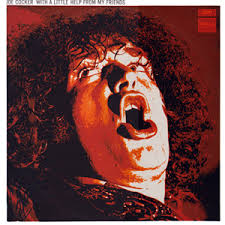
Feelin' Alright became one of Joe Cocker's signature performances after appearing on his 1969 debut album, With a Little Help from My Friends.
Originally written by Dave Mason and recorded by Traffic in 1968, the song was actually inspired by a troubled relationship rather than the carefree mood its title suggests. Cocker transformed the original into a soulful, piano-driven arrangement featuring his unmistakable raspy vocals and gospel-influenced backing singers. His recording initially reached No. 69 on the Billboard Hot 100 before climbing to No. 33 following its re-release in 1972. Interestingly,
Cocker performed the song alongside comedian John Belushi, who famously impersonated him, on Saturday Night Live in 1976.
Chords And Strumming
This song only has two chords which are C7 and F played in standard tuning. Some lead in the middle of the song composed mainly with rhythm and a few changes in the chord shapes. The rhythm gives the vibe in this song which down down down up down up up up down up down up and repeat the pattern as you move through the chords.
Guitar Lesson Details - (chords & lyrics sheet incl with lesson)
Back To Songlist

You Are So Beautiful became one of Joe Cocker’s most beloved ballads, reaching No. 5 on the Billboard Hot 100 and No. 4 in Canada in 1975.
Written by Billy Preston and Bruce Fisher, the song first appeared on Preston’s 1974 album The Kids & Me. Cocker recorded a slower, deeply emotional interpretation for his album I Can Stand a Little Rain, with Nicky Hopkins providing the delicate piano accompaniment. Interestingly, Dennis Wilson of the Beach Boys has also been linked to the song’s creation, although he received no official songwriting credit.
Cocker’s recording became his highest-charting solo single in America and was inducted into the Grammy Hall of Fame in 2016.
Chords And Strumming
Soon
Guitar Lesson Details - (chords & lyrics sheet incl with lesson)
Chords & LyricsBack To Songlist

You Can Leave Your Hat On became one of Joe Cocker’s most recognizable recordings after appearing on his 1986 album Cocker.
Originally written and recorded by Randy Newman for his 1972 album Sail Away, the song took on a completely different character through Cocker’s gritty vocals, punchy brass arrangement, and bluesy delivery. Its popularity grew considerably after being featured in the 1986 film 9½ Weeks, starring Kim Basinger and Mickey Rourke. Released as a single, Cocker’s version reached No. 35 on Billboard’s Mainstream Rock chart and No. 13 in Switzerland.
The song later enjoyed another revival when Tom Jones recorded it for the 1997 film The Full Monty.
Chords And Strumming
Soon
Guitar Lesson Details - (chords & lyrics sheet incl with lesson)
Chords & LyricsS
Back To Songlist
John Moreland Songs - Learn To Play On Guitar

Blacklist is a deeply personal folk-country song from John Moreland’s 2013 album In the Throes. Written by the Oklahoma singer-songwriter, the track explores regret, lost relationships, and the difficult search for somewhere to belong. Through vivid storytelling,
Moreland describes a restless journey filled with disappointment, self-doubt, and memories of youthful rebellion. His weathered vocals and stripped-down acoustic guitar accompaniment give the recording an intimate, almost confessional atmosphere. Interestingly, In the Throes was recorded at Moreland’s home in Bixby, Oklahoma, with Moreland handling much of the instrumentation and production himself.
Although “Blacklist” was not promoted as a commercial single, it became one of the album’s standout tracks among critics and devoted listeners.
Chords And Strumming
Soon
Guitar Lesson Details - (chords & lyrics sheet incl with lesson)
Chords & LyricsBack To Songlist

Salisaw Blue opens John Moreland’s 2017 album Big Bad Luv, introducing a livelier, blues-influenced sound than many of his earlier acoustic recordings.
Moreland explained that the song grew out of a difficult year spent touring alone, enduring long drives, little sleep, and extended periods of isolation. Interestingly, it was the only track on the album recorded outside Little Rock, with sessions taking place in a Tulsa bar before opening hours.
A plumber was working on the pipes during the recording, and Moreland joked that some of the clanking might be audible. Despite its weary inspiration, the song delivers an energetic roots-rock groove, highlighting another side of the Oklahoma songwriter’s musical personality.
Chords And Strumming
Soon
Guitar Lesson Details - (chords & lyrics sheet incl with lesson)
Chords & LyricsBack To Songlist

You Don't Care Enough For Me To Cry appeared on John Moreland's 2015 album High on Tulsa Heat, becoming one of the Oklahoma songwriter's most emotionally powerful recordings.
Through heartfelt lyrics and a sparse acoustic arrangement, Moreland explores the painful realization that a failing relationship has reached the point of indifference. Rather than blaming his partner, he acknowledges his own shortcomings and the damage they have caused. Interestingly, the album was largely recorded at his parents' home in Bixby, Oklahoma, with Moreland producing the sessions and playing most of the instruments himself.
Although not released as a commercial single, the song earned considerable admiration for its raw honesty and intimate storytelling.
Chords And Strumming
Soon
Guitar Lesson Details - (chords & lyrics sheet incl with lesson)
Chords & LyricsBack To Songlist
Johnny Taylor Songs - Learn To Play On Guitar
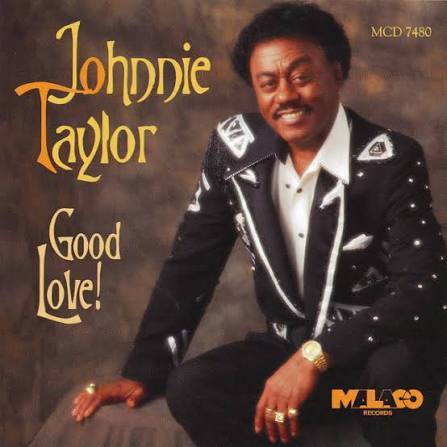
Last Two Dollars became a Southern soul favourite when Johnnie Taylor recorded it for his 1996 album Good Love!, released on Malaco Records.
Written by George Jackson, the song tells the humorous story of a woman who loses nearly all her money at a casino but still wants to enjoy herself. Taylor's smooth vocals, conversational delivery, and relaxed blues groove bring the character's predicament to life. The recording helped introduce his music to another generation of listeners during a successful late-career revival.
Interestingly, Good Love! reached No. 1 on Billboard's Blues Albums chart and No. 15 on the R&B Albums chart, becoming one of Malaco's most successful releases.
Chords And Strumming
Soon
Guitar Lesson Details - (chords & lyrics sheet incl with lesson)
Chords & LyricsBack To Songlist
Long John Baldry Songs - Learn To Play On Guitar
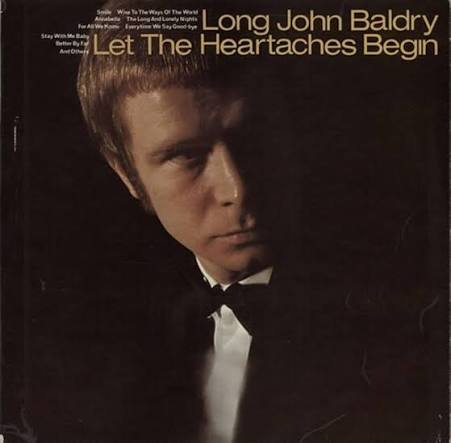
Let The Heartaches Begin gave British blues singer Long John Baldry his biggest commercial success when it reached No. 1 on the UK Singles Chart in November 1967, remaining there for two weeks.
Written by Tony Macaulay and John Macleod, the emotional ballad tells of a man struggling with loneliness and heartbreak after losing the woman he loves. Interestingly, the song marked a departure from Baldry's blues roots, featuring a lush orchestral arrangement that showcased his deep, expressive voice. Released on Pye Records, it spent 13 weeks on the British charts and reached No. 88 in America.
The recording became Baldry's only UK chart-topper and remains his best-known pop hit.
Chords And Strumming
Soon
Guitar Lesson Details - (chords & lyrics sheet incl with lesson)
Chords & LyricsBack To Songlist
Mose Alison Songs - Learn To Play On Guitar

Your Mind Is On Vacation is one of Mose Allison’s wittiest compositions, first appearing on his 1962 album I Don't Worry About a Thing. The Mississippi-born jazz and blues pianist reportedly wrote the song after growing frustrated with audiences talking during his performances at the Showboat nightclub in Washington, D.C.
Its sharp, humorous lyrics poke fun at people who speak without thinking, delivered through Allison’s relaxed vocals and distinctive piano playing.
He revisited the song as the title track of his 1976 Atlantic Records album, adding a fuller horn arrangement. Although it never became a major chart single, the composition remained a signature number and was later covered by numerous artists.
Chords And Strumming
Soon
Guitar Lesson Details - (chords & lyrics sheet incl with lesson)
Chords & LyricsBack To Songlist
Muddy Waters Songs - Learn To Play On Guitar

Got My Mojo Working became one of Muddy Waters’ signature blues songs, although its origins belong to songwriter Preston “Red” Foster and singer Ann Cole, who recorded it in 1956.
While touring with Waters, Cole performed the number backed by his band, inspiring him to create his own version with altered lyrics and a driving Chicago blues arrangement. Both recordings were released in 1957, but Waters’ interpretation became the enduring favourite. His electrifying performance at the 1960 Newport Jazz Festival further established the song as a blues standard.
Recognized among the Rock and Roll Hall of Fame’s 500 Songs That Shaped Rock and Roll, it also entered the Grammy Hall of Fame in 1999.
Chords And Strumming
Soon
Guitar Lesson Details - (chords & lyrics sheet incl with lesson)
Chords & LyricsBack To Songlist
Richie Havens Songs - Learn To Play On Guitar

Here Comes The Sun took on a distinctive folk-rock character when Richie Havens recorded his interpretation for the 1971 album Alarm Clock. Originally written by George Harrison and released on The Beatles’ Abbey Road album in 1969, the song celebrates optimism and the arrival of brighter days.
Havens transformed Harrison’s gentle composition with his powerful, soulful vocals and trademark rhythmic acoustic guitar playing. Released as a single, his version reached No. 16 on the Billboard Hot 100 and No. 15 on the Cash Box chart, becoming the highest-charting single of his career.
Interestingly, the recording featured on Alarm Clock was a live performance, capturing the energy that made Havens such a memorable concert performer
Chords And Strumming
Soon
Guitar Lesson Details - (chords & lyrics sheet incl with lesson)
Chords & LyricsBack To Songlist
Robert Johnson Songs - Learn To Play On Guitar
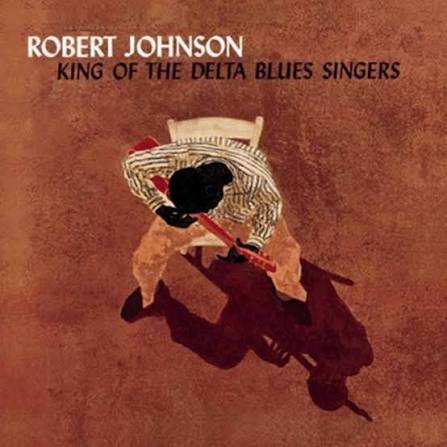
Kindhearted Woman Blues holds a special place in blues history as the very first song Robert Johnson recorded.
On November 23, 1936, Johnson entered a makeshift recording studio at the Gunter Hotel in San Antonio, Texas, and performed this haunting Delta blues number.
Released in March 1937 as the B-side of “Terraplane Blues,” the song explores troubled relationships through Johnson's expressive vocals and intricate acoustic guitar playing. Interestingly, he recorded two different takes, with the first featuring his only known recorded guitar solo. The original recording later appeared on the influential 1961 compilation King of the Delta Blues Singers, helping introduce Johnson's remarkable musical legacy to a new generation of blues and rock musicians. blues legacy.
Chords And Strumming
Soon
Guitar Lesson Details - (chords & lyrics sheet incl with lesson)
Chords & LyricsBack To Songlist

Me And The Devil Blues is one of Robert Johnson’s most haunting recordings, filled with dark imagery that helped fuel the legends surrounding the Mississippi bluesman.
Recorded on June 20, 1937, during his final recording session in Dallas, Texas, the song was released by Vocalion Records in 1938. Its unsettling lyrics describe an encounter with the devil, accompanied by Johnson’s distinctive vocals and intricate Delta blues guitar playing. The session took place in a makeshift studio inside the Brunswick Records Building.
Interestingly, the song was recorded just over a year before Johnson’s mysterious death at age 27. Later interpretations by Eric Clapton and Gil Scott-Heron helped preserve its enduring blues legacy.
Chords And Strumming
Soon
Guitar Lesson Details - (chords & lyrics sheet incl with lesson)
Chords & LyricsBack To Songlist

Walking Blues traces its roots to Delta blues pioneer Son House, who recorded an early version in 1930, although his performance remained unreleased for decades. R
obert Johnson adapted the song during his November 27, 1936 recording session in San Antonio, Texas, combining House’s musical influences with his own expressive vocals and distinctive slide guitar technique. Released in 1937 as the B-side of “Sweet Home Chicago,” Johnson’s recording describes loneliness, heartbreak, and the restless urge to keep moving.
Although it achieved little commercial success, the song became an influential blues standard. Muddy Waters later recorded his own interpretations, helping carry its traditional Delta blues sound into the electric Chicago blues era.
Chords And Strumming
Soon
Guitar Lesson Details - (chords & lyrics sheet incl with lesson)
Chords & LyricsBack To Songlist
Sam Myers Songs - Learn To Play On Guitar
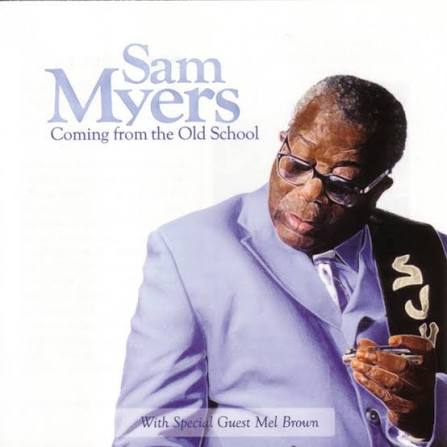
I Got The Blues appeared on Sam Myers’ 2004 album Coming from the Old School, showcasing the Mississippi-born musician’s deep roots in traditional electric blues.
Written by Myers, the song tells the story of a man dealing with an unfaithful partner and deciding it is time to move on. Its slow, soulful arrangement features Myers’ weathered vocals alongside expressive guitar work from Mel Brown. Interestingly, the album was Myers’ first solo release after nearly five decades in music, despite having previously worked with Elmore James and guitarist Anson Funderburgh.
Recorded in Toronto for Electro-Fi Records, the album demonstrated that Myers remained a compelling blues performer well into his later years.
Chords And Strumming
Soon
Guitar Lesson Details - (chords & lyrics sheet incl with lesson)
Chords & LyricsBack To Songlist
Shirley & Lee Songs - Learn To Play On Guitar

Let The Good Times Roll helped establish Shirley Goodman and Leonard Lee as one of New Orleans’ most popular rhythm and blues duos.
Written by the pair and recorded in May 1956, the song combined playful romantic lyrics with an infectious beat supplied by legendary drummer Earl Palmer. Released on Aladdin Records, it climbed to No. 1 on Billboard’s R&B chart and No. 20 on the pop chart, becoming their biggest hit.
The recording also appeared on their debut album of the same name. Interestingly, Shirley and Lee revisited the song in 1960, while artists including Roy Orbison and Harry Nilsson later recorded their own versions of this enduring early rock and roll favourite.
Chords And Strumming
Soon
Guitar Lesson Details - (chords & lyrics sheet incl with lesson)
Chords & LyricsBack To Songlist
Sleepy LeBeef Songs - Learn To Play On Guitar

Bright Lights Big City received a lively rockabilly makeover from Sleepy LaBeef on his 2001 album Rockabilly Blues. Originally written and recorded by Jimmy Reed in 1961, the song tells of a man frustrated by his sweetheart's attraction to the excitement of city nightlife.
LaBeef transformed Reed's laid-back blues shuffle into a more energetic performance, combining his powerful baritone voice with driving guitar rhythms. Interestingly, Rockabilly Blues was a collection of previously unreleased recordings drawn from several studio sessions spanning the 1980s and 1990s.
Although LaBeef never released his interpretation as a commercial single, the song reflected his remarkable ability to blend blues, country, and early rock and roll into his distinctive musical style.
Chords And Strumming
Soon
Guitar Lesson Details - (chords & lyrics sheet incl with lesson)
Chords & LyricsBack To Songlist
Soloman Burke Songs
- Learn To Play On Guitar

Cry To Me helped establish Solomon Burke as one of soul music’s leading voices when Atlantic Records released it in 1962. Written and produced by Bert Berns, the song blends gospel influences with rhythm and blues, offering comfort to someone experiencing loneliness and heartbreak.
Burke’s passionate delivery carried the single to No. 5 on Billboard’s R&B chart and No. 44 on the Hot 100. The recording later appeared on his 1964 album Rock ’n Soul.
Interestingly, Burke performed the song on American Bandstand in March 1962, while The Rolling Stones introduced their own interpretation on the 1965 album Out of Our Heads. The song remains an enduring Southern soul favourite.
Chords And Strumming
Soon
Guitar Lesson Details - (chords & lyrics sheet incl with lesson)
Chords & LyricsBack To Songlist
Stevie Ray Vaughan Songs - Learn To Play On Guitar

Cold Shot became a blues-rock favourite when Stevie Ray Vaughan and Double Trouble released it on their 1984 album Couldn't Stand the Weather.
Written by W.C. Clark and Mike Kindred, two of Vaughan's former bandmates, the song describes a relationship that has lost its warmth and affection. Its distinctive slow shuffle and biting guitar phrases helped carry the single to No. 29 on Billboard's Top Rock Tracks chart.
Interestingly, drummer Chris Layton recalled being awakened at 4 a.m. to record the song, which the band completed in just one instrumental take. The accompanying music video received regular MTV airplay, introducing Vaughan's remarkable guitar playing to a wider audience.
Chords And Strumming
Soon
Guitar Lesson Details - (chords & lyrics sheet incl with lesson)
Chords & LyricsBack To Songlist

Life By The Drop provides a deeply personal conclusion to Stevie Ray Vaughan's posthumous 1991 album The Sky Is Crying. Written by his longtime friend Doyle Bramhall and Bramhall's wife, Barbara Logan, the song reflects on friendship, shared struggles, and the passage of time.
Recorded in 1989, Vaughan chose to perform it alone with his acoustic guitar, creating a striking contrast to the fiery electric blues that made him famous. The album was assembled by his brother Jimmie Vaughan and released in November 1991, fourteen months after Stevie's tragic death.
Although never released as a commercial single, the recording remains one of his most intimate and moving performances.
Chords And Strumming
Soon
Guitar Lesson Details - (chords & lyrics sheet incl with lesson)
Chords & LyricsBack To Songlist

Pride And Joy introduced Stevie Ray Vaughan's unmistakable Texas blues sound to a wider audience in 1983.
Written by Vaughan and featured on his debut album Texas Flood with Double Trouble, the song reached No. 20 on Billboard's Mainstream Rock chart, becoming the album's only charting single. Its driving shuffle rhythm, distinctive guitar riffs, and upbeat lyrics quickly made it one of his signature performances.
Interestingly, drummer Chris Layton recalled that Vaughan originally wrote the song about a new girlfriend, while a later disagreement inspired the contrasting song “I'm Cryin'.” Recorded during sessions at Jackson Browne's studio in Los Angeles, “Pride and Joy” helped launch Vaughan's recording career and contributed to a renewed interest in electric blues during the 1980s.
Chords And Strumming
Soon
Guitar Lesson Details - (chords & lyrics sheet incl with lesson)
Chords & LyricsBack To Songlist

The House Is A Rockin kicks off Stevie Ray Vaughan and Double Trouble's 1989 album In Step with an energetic blend of Texas blues, boogie-woogie, and rock and roll.
Co-written by Vaughan and longtime friend Doyle Bramhall, the song features driving guitar riffs, a lively piano solo from Reese Wynans, and an irresistible invitation to join the party. Released as one of four singles from the album, it reached No. 18 on Billboard's Mainstream Rock chart. Interestingly,
In Step was Vaughan's first studio album following his recovery from drug and alcohol addiction and would become his final studio release with Double Trouble during his lifetime. A live version was later included on the album's 1999 reissue.
Chords And Strumming
Soon
Guitar Lesson Details - (chords & lyrics sheet incl with lesson)
Chords & LyricsBack To Songlist
Tab Benoit Songs - Learn To Play On Guitar
Jambalaya (On the Bayou)” received a distinctive Louisiana blues treatment from Tab Benoit on his 1999 album These Blues Are All Mine.
Originally written and recorded by Hank Williams in 1952, the song celebrates Cajun food, music, dancing, and life along the Louisiana bayous. Williams' recording spent fourteen weeks at No. 1 on the country charts, becoming one of his best-known compositions.
Benoit, a native of Houma, Louisiana, brought the song closer to its regional roots with a funky, guitar-driven arrangement that blended country, blues, and swamp music. His interpretation later appeared on the 2006 compilation Best of the Bayou Blues, introducing another generation of listeners to this enduring Southern favourite.
Chords And Strumming
Soon
Guitar Lesson Details - (chords & lyrics sheet incl with lesson)
Chords & LyricsBack To Songlist

My Buckets Got A Hole In It is a classic blues-based country song dating back to the 1930s and most closely associated with Hank Williams, whose 1949 recording became a major hit. Tab Benoit revived the song on his 2011 album Medicine, bringing a swamp-blues energy to the old standard.
The song is traditionally credited to Clarence Williams, though it evolved through many early recordings. Benoit did not release his version as a single, and no official music video was produced. His interpretation features gritty guitar work and a loose, live feel that honors both country and blues traditions. By recording this song, Benoit connected his Louisiana roots to one of the most enduring crossover tunes in American music history.
Chords And Strumming
This song only has three chords which are E, A and a B7 and played in standard tuning. For rhythm you can play a root down root up down up pattern and there are a few riffs and a picking section required.
Guitar Lesson Details - (chords & lyrics sheet incl with lesson)
Back To Songlist
The Blues Brothers - Learn To Play On Guitar

Gimmie Some Lovin became one of The Blues Brothers' biggest hits when their energetic remake appeared in the 1980 film The Blues Brothers and its accompanying soundtrack.
Originally written by Steve Winwood, Muff Winwood, and Spencer Davis in 1966, the song reportedly came together in just thirty minutes after The Spencer Davis Group was pressured to produce another hit. Their original reached No. 2 in Britain and No. 7 in America.
The Blues Brothers, featuring John Belushi and Dan Aykroyd, gave the song a powerful horn-driven arrangement that reached No. 18 on the Billboard Hot 100. Interestingly, their soundtrack recording was made in Los Angeles, unlike most of the album's other tracks, which were recorded in Chicago.
Chords And Strumming
Only an E, G, A and a C chord for this one in standard tuning but with a steady up and down rhythm pattern except where you're playing the horn riff, where you'll need to implement down strokes.
Guitar Lesson Details - (chords & lyrics sheet incl with lesson)
Chords & LyricsBack To Songlist

Hey Bartender helped introduce The Blues Brothers to a national audience when John Belushi and Dan Aykroyd performed it on Saturday Night Live in April 1978. Originally recorded by blues pianist Floyd Dixon in the mid-1950s, the song tells a humorous story about a night of drinking that gets increasingly out of hand.
The Blues Brothers recorded their energetic version live at the Universal Amphitheatre in Los Angeles while opening for comedian Steve Martin.
Released on their debut album Briefcase Full of Blues, it became a signature number for the group. Interestingly, their revival also brought renewed attention to Dixon's music, while country singer Johnny Lee scored a No. 2 country hit with the song in 1983.
Chords And Strumming
I play this one with a capo 2nd in drop D tuning using a steady up down up down with a walking bass line. Some lead required here with the chords D, G, and A.
Guitar Lesson Details - (chords & lyrics sheet incl with lesson)
Free Chord SheetBack To Songlist

She Caught The Katy (And Left Me a Mule to Ride)” opens the 1980 film The Blues Brothers, accompanying Jake Blues as he leaves prison and reunites with his brother Elwood.
Originally written by Taj Mahal and blues mandolinist Yank Rachell, the song first appeared on Mahal's 1968 album The Natch'l Blues. The Blues Brothers gave it a powerful, horn-driven arrangement featuring John Belushi's gritty vocals, also including it on their 1980 soundtrack album. Interestingly, Belushi's widow, Judith Jacklin, later revealed that it was his favourite blues song.
The title refers to the Missouri–Kansas–Texas Railroad, nicknamed the Katy, adding a touch of American railway history to this enduring blues classic.
Chords And Strumming
Another capo 2nd fret but in standard tuning with the chords G, D, G7, C, Adim, F, D7 and a C7. You can play this one mainly with down strokes with a bit of shuffle here and there. Some lead work required.
Guitar Lesson Details - (chords & lyrics sheet incl with lesson)
Chords & LyricsBack To Songlist

Sweet Home Chicago became one of The Blues Brothers' most memorable performances when John Belushi and Dan Aykroyd brought the blues classic to the big screen in 1980. Originally recorded by Robert Johnson in November 1936 and released in 1937, the song draws on earlier Delta blues traditions and celebrates the promise of a better life elsewhere.
The Blues Brothers transformed it into an energetic, horn-driven showpiece for their film's climactic concert scene, also including it on the accompanying soundtrack album. Interestingly, their performance was dedicated to Chicago blues guitarist Magic Sam, who had recorded his own influential version in 1967.
Although not released as a commercial single by the group, it remains a signature song in their repertoire.
Chords And Strumming
This one is a three chord E, A B7 play with some walking bass runs and some lead blended in.
Guitar Lesson Details - (chords & lyrics sheet incl with lesson)
Chords & LyricsBack To Songlist
The Mystix Songs - Learn To Play On Guitar
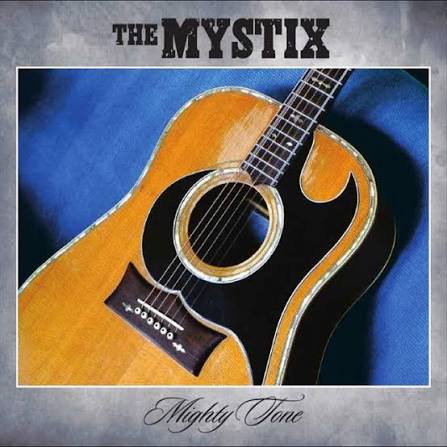
Wish I Had Answered brings a powerful gospel influence to The Mystix's 2012 album Mighty Tone. Originally associated with The Staple Singers, the song was written by Roebuck “Pops” Staples and appeared on their 1963 album This Land.
Its lyrics tell of someone who repeatedly ignores a spiritual calling, only to regret that decision when confronted with serious illness and the possibility of death.
The Boston-based Mystix, led by vocalist Jo Lily, gave the song a blues-oriented interpretation that blended traditional gospel with their earthy roots sound. Interestingly, the group deliberately selected older gospel, country, and blues compositions for Mighty Tone, celebrating the musical traditions that helped shape American popular music.
Chords And Strumming
Soon
Guitar Lesson Details - (chords & lyrics sheet incl with lesson)
Chords & LyricsBack To Songlist
The Powder Blues Band Songs - Learn To Play On Guitar
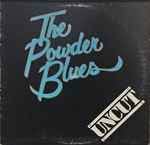
Doin It Right helped launch Vancouver's Powder Blues Band into the Canadian spotlight in 1980.
Written by guitarist and lead vocalist Tom Lavin, the song appeared on their debut album Uncut, originally released independently in December 1979. Its infectious blend of blues, swing, and rock and roll celebrates a lively nightclub on the wrong side of town, where the music keeps everyone dancing.
The single reached No. 40 nationally in Canada, with considerably stronger performances on several regional charts. Interestingly, major record companies initially rejected the album, claiming there was little market for blues music. Strong independent sales and radio airplay soon proved them wrong, leading to a distribution agreement with RCA Records.
Chords And Strumming
Soon
Guitar Lesson Details - (chords & lyrics sheet incl with lesson)
Chords & LyricsBack To Songlist
The Vaughan Brothers Songs - Learn To Play On Guitar
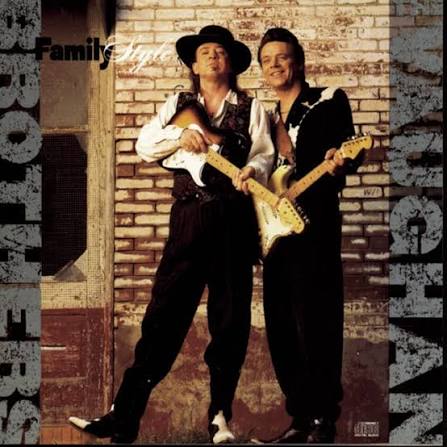
Tick Tock carries a message of hope, compassion, and the importance of making the most of our time. Written by Jimmie Vaughan, Nile Rodgers, and Jerry Lynn Williams, the song appeared on Family Style, the only studio album recorded together by brothers Stevie Ray and Jimmie Vaughan.
Released as a single in September 1990, it reached No. 7 on Billboard's Mainstream Rock chart and No. 65 on the Hot 100. Tragically, Stevie Ray died in a helicopter crash just weeks before the album's release, giving the song's message about time passing an especially poignant meaning.
Produced by Nile Rodgers, Family Style became a fitting tribute to the brothers' lifelong musical connection.
Chords And Strumming
Soon
Guitar Lesson Details - (chords & lyrics sheet incl with lesson)
Chords & LyricsBack To Songlist
Todd Snider Songs
- Learn To Play On Guitar

Doublewide Blues captures Todd Snider's gift for combining humour, storytelling, and sharp observations about everyday life. The song follows a laid-back narrator who finds contentment in his modest surroundings, despite having little interest in conventional ideas of success.
With its conversational lyrics and easygoing country-blues feel, it reflects Snider's distinctive approach to Americana songwriting. The song appeared on his 2003 live album Near Truths and Hotel Rooms, where his informal performance style and connection with the audience are central to the recording.
Although never released as a commercial single, “Doublewide Blues” became a favourite among listeners who appreciate Snider's wit and unconventional characters.
Chords And Strumming
Soon
Guitar Lesson Details - (chords & lyrics sheet incl with lesson)
Chords & LyricsBack To Songlist

Fortunate Son took on a haunting new character when Todd Snider recorded his interpretation for the 2008 EP Peace Queer.
Originally written by John Fogerty and released by Creedence Clearwater Revival in 1969, the song criticized the privileges enjoyed by wealthy and politically connected Americans during the Vietnam War. Snider replaced the original's driving rock arrangement with a slower, stripped-down acoustic performance, allowing the lyrics to take centre stage. Singer-songwriter Patty Griffin contributed backing vocals, adding another layer of emotion to the recording.
Interestingly, Peace Queer was initially offered as a free download and reflected Snider's concerns about contemporary American politics. Although his version was never released as a commercial single, it gave the classic protest song renewed relevance.
Chords And Strumming
Soon
Guitar Lesson Details - (chords & lyrics sheet incl with lesson)
Chords & LyricsBack To Songlist

In Between Jobs delivers a biting commentary on unemployment, economic inequality, and the growing divide between rich and poor. Co-written by Todd Snider and his manager, Elvis Hixx, the song appeared on Snider's 2012 album Agnostic Hymns & Stoner Fables, released March 6. Its gritty blues arrangement and dark humour capture the frustration of a struggling worker whose resentment gradually turns threatening.
Interestingly, Snider revealed that the song began as a collection of seemingly unrelated lyrics, including a reference to former Federal Reserve chairman Alan Greenspan, before developing into its final form. Although never released as a commercial single, it became part of an album widely praised for addressing the economic tensions of the Great Recession.
Chords And Strumming
Soon
Guitar Lesson Details - (chords & lyrics sheet incl with lesson)
Chords & LyricsBack To Songlist
Tom Waits Songs - Learn To Play On Guitar
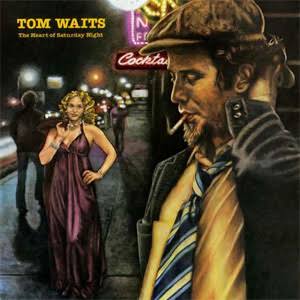
Fumblin With The Blues appeared on Tom Waits' second studio album, The Heart of Saturday Night, released in October 1974. Written by Waits, the song blends traditional blues with smoky jazz influences, exploring romantic frustration, loneliness, and the difficulties of understanding relationships.
Its relaxed piano accompaniment, expressive saxophone, and Waits' increasingly gravelly vocals capture the atmosphere of a late-night nightclub. Produced by Bones Howe, the recording helped establish the jazz-influenced direction that would characterize much of Waits' early career.
Interestingly, Waits had already performed the song during an August 1973 radio appearance on Los Angeles station KPFK, more than a year before its official album release.
Chords And Strumming
Soon
Guitar Lesson Details - (chords & lyrics sheet incl with lesson)
Chords & LyricsBack To Songlist
Tommy McLain Songs - Learn To Play On Guitar

Jukebox Songs is one of the lesser-known recordings associated with Louisiana swamp-pop legend Tommy McLain, a performer best known for his 1966 hit “Sweet Dreams.”
Written by McLain himself, the song reflects the style that made him a favorite across the Gulf Coast, blending country, rhythm and blues, and rock influences into a heartfelt story centered around music and memory. The recording later appeared on the 2012 album Legends Making Memories by Willie Tee & Cypress, where McLain was featured as a guest vocalist.
Unlike many jukebox-themed country songs, this recording never became a national chart hit and there is no evidence of an official music video release. Even so, it developed a following among swamp-pop fans and regional audiences, with Louisiana bands continuing to perform it live. The song serves as a reminder of McLain’s talent as both a singer and songwriter, showcasing the warm, nostalgic sound that defined much of his long career.
Chords And Strumming
This one is in standard tuning with some walking bass with the chords C, F and a G. Play a down up down up down up and repeat pattern with some lead required in this number.
Guitar Lesson Details - (chords & lyrics sheet incl with lesson)
Back To Songlist
Tuba Skinny Songs - Learn To Play On Guitar
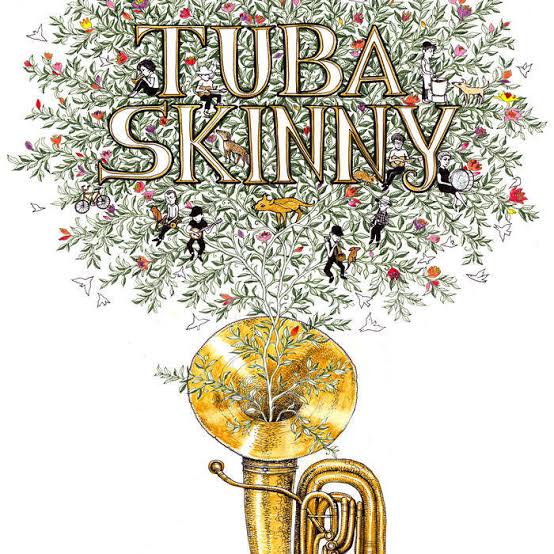
I Get The Blues showcases Tuba Skinny's affection for the early country blues that helped shape New Orleans jazz. Originally recorded by Mississippi bluesman Bo Carter in the 1930s, the song received a lively interpretation from the New Orleans street band, featuring its distinctive combination of horns, guitar, tuba, and washboard percussion.
Singer Erika Lewis performed the number during the 2013 Louisiana Busker Festival, a performance that became popular online. Interestingly, the band recorded a studio version during sessions for their 2014 album Owl Call Blues, but it remained unreleased until April 2020, when it appeared on Quarantine Album: Unreleased B-Sides.
The collection was issued after the COVID-19 pandemic disrupted the band's recording plans.
Chords And Strumming
Soon
Guitar Lesson Details - (chords & lyrics sheet incl with lesson)
Chords & LyricsBack To Songlist
Whitey Morgan Songs - Learn To Play On Guitar
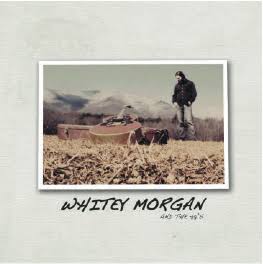
Bad News opens Whitey Morgan & the 78's self-titled 2010 album with a gritty dose of traditional outlaw country.
Written by John D. Loudermilk, the song tells the story of a restless troublemaker whose reputation follows him wherever he goes. Previously recorded by Johnny Cash, Morgan's interpretation features his deep baritone vocals, a deliberate country rhythm, and expressive pedal steel guitar from Larry Campbell.
Interestingly, the album was recorded at Levon Helm's studio in Woodstock, New York, and released through Bloodshot Records. The song became a strong showcase for Morgan's uncompromising honky-tonk style, later appearing as a live performance on the band's 2014 album Born, Raised & Live from Flint.
Chords And Strumming
Soon
Guitar Lesson Details - (chords & lyrics sheet incl with lesson)
Chords & LyricsBack To Songlist
Thanks for stopping by my best of the blues songs page and I hope the info here was helpful.
If you liked this best of the blues songs page you might also like ... (click images)

Home Page
Motown Rhythm And Blues
Latest 100 Tutorials
© 2019–2026 KirbysGuitarLessons.com — All Rights Reserved