Classic 60s Guitar Hits – Songs to Learn and Play

The 1960s delivered an unforgettable blend of catchy melodies, folk ballads, and pop-rock charm—and many of those iconic tunes translate beautifully to acoustic guitar.
On this page, we explore classic 60s guitar hits by artists like Peter & Gordon, Brian Hyland, Ralph McTell, Joe Dolan, and others.
Each song listed includes a demo performance, a chord chart, and the option to purchase a full video tutorial if you want to master the rhythm, strumming, and style of the original recording.
Whether you're a beginner looking to expand your 60s repertoire or a seasoned player searching for nostalgic gems, this page is a great place to dig in.
🎸 Overview Video - “Classic 60s Guitar Hits”
Watch this short overview to hear snippets from every Classic 60s arrangement
featured on this page before exploring the individual lessons below.
Classic 60s Guitar Hits List
VIDEO 1
────────────
Bill Justis - Tamoure
Brian Hyland - A You're Adorable, Sealed With A Kiss
Glen Yarbrough - Baby The Rain Must Fall
Jimmy Clanton - Venus In Blue Jeans
Joe Dolan - Make Me An Island, You're Such A Good Looking Woman
Mary Hopkin - Goodbye - Those Were The Days
────────────
VIDEO 2
────────────
Peter Paul & Mary - If I Had A Hammer, Right Field, The Wedding Song
PJ Proby - Niki Hokey
Ralph McTell - From Clare To Here, Streets Of London
Steve Lawrence & Eydie Gormet - I Want To Stay Here
Terry Statford - Suspicion
The Fourmyula - Forever, Lady Scorpio
The Imperials - Hurt So Bad
🎁 Free Demo Preview
Scroll down to check out a completely free demo on Peter & Gordons “True Love Ways”.Bill Justis Songs - Learn To Play On Guitar

Tamoure was one of the many dance-inspired instrumentals that helped keep saxophonist and bandleader Bill Justis in the spotlight after his breakthrough success with “Raunchy.”
Released as a single in 1963, the lively recording reflected the brief international fascination with the Tahitian-inspired Tamouré dance craze that swept through Europe and parts of North America during the early 1960s. Justis, already respected for his work with Sun Records and for helping shape the Memphis and Nashville sound, delivered the tune with his trademark blend of saxophone-driven melody and upbeat rhythm.
While the record did not become a major chart hit on the scale of his earlier work, it found an audience among fans of instrumental pop and dance music. The recording captures a period when dance crazes regularly inspired new releases and showcases Justis’s ability to transform contemporary trends into polished, radio-friendly instrumentals.
Chords And Strumming
For this fast paced number play a root down up down up down up and repeat with some picking required. Played in standard tuning the chords here are a C, G, G7, C7 and an F.
Guitar Lesson Details - (chords & lyrics sheet incl with lesson)
Back To Song List
Brian Hyland Songs - Learn To Play On Guitar
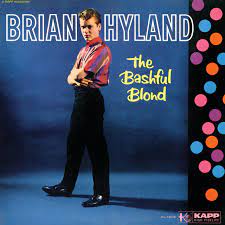
A You're Adorable recorded by Brian Hyland in 1969, appeared on his album Tragedy – A Million to One.
Originally a 1948 Perry Como hit, Hyland revived the tune with a light, bubblegum-pop arrangement. Though released as a single, it didn’t chart significantly in North America, but it helped broaden Hyland’s repertoire beyond his teen-idol image.
No true music video was produced, but Hyland performed it on several televised variety shows.
Hyland chose the song partly because he admired Perry Como and wanted to reintroduce 1950s pop standards to a younger audience.
Chords And Strumming
A handful of chords in this one consisting of D, B7, Em, A7, A, G, E7, Ddim and a Gbm with a root down up root up down up rhythm pattern throughout. No lead here in standard tuning.
Guitar Lesson Details - (chords & lyrics sheet incl with lesson)
Back To Song List
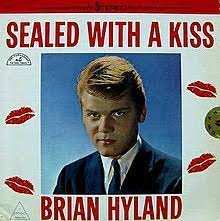
Sealed With A Kiss was released in 1962 and became Brian Hyland’s signature ballad. The song appeared on the album of the same name and reached No. 3 on the Billboard Hot 100 and No. 3 in the UK.
Its gentle arrangement and teenage-romance theme made it a summer classic. No official video exists, but Hyland performed it frequently on TV throughout the ’60s.
The song has been widely covered — most notably by Gary Lewis & The Playboys (1968) and Bobby Vinton (1972), whose version also reached the Top 20. Despite being a teenage heartthrob hit, Hyland later admitted it was one of the most challenging songs he ever recorded due to its sustained high vocal lines.
Chords And Strumming
This one has two different rhythm patterns you could play which is a root down up root up down up or a shuffle which is a root down up down up root up down up. A bit of lead work in this one as you play the chords Em, D, A, Am, G, E7, B7 and a Gb. A Capo first fret is where this one is and moves up one fret later, but I left that out of this arrangement.
Guitar Lesson Details - (chords & lyrics sheet incl with lesson)
Back To Song List
Glen Yarbrough Songs - Learn To Play On Guitar

Baby The Rain Must Fall was recorded by Glenn Yarbrough and released in 1965 as the title song from both the motion picture Baby the Rain Must Fall and Yarbrough’s album Baby the Rain Must Fall.
Written by composer Elmer Bernstein and lyricist Ernie Sheldon, the song became Yarbrough’s biggest solo hit after leaving the Limeliters. The single reached No. 12 on the Billboard Hot 100 and climbed to No. 2 on the Adult Contemporary chart. No traditional music video was produced, but the song is heard prominently in the film starring Steve McQueen and Lee Remick.
Its gentle melody and reflective lyrics captured the folk-pop sound of the mid-1960s. Trini Lopez and Chris Connor later recorded their own versions.
Chords And Strumming
This one you'll play with a capo 2nd fret in standard tuning with the chords D, C, ,G, A, F, Em and a Bm. Play a down down up down up down up with some down strokes. No lead in here just a quick riff.
Guitar Lesson Details - (chords & lyrics sheet incl with lesson)
Back To Song List
Jimmy Clanton Songs
- Learn To Play On Guitar
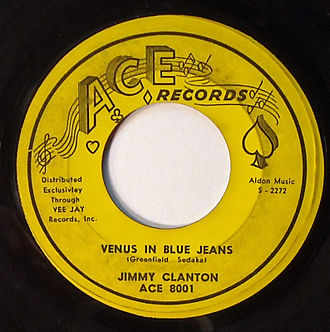
Venus In Blue Jeans was released in 1962 and featured on Jimmy Clanton’s self-titled album. Issued as a single, it became one of Clanton’s biggest hits, reaching No. 7 on the Billboard Hot 100.
Its catchy melody and youthful lyrics helped solidify Clanton’s position among early-’60s pop crooners. A promotional performance clip aired on several TV programs of the time.
\The song’s earliest recording actually came from singer Jimmy Jones, though Clanton’s version became the definitive hit. Songwriter Howard Greenfield later said the title came to him after seeing a girl walk by in denim while he waited for a taxi.
Chords And Strumming
This one is played in standard tuning with a root down up root up down up rhythm pattern with a short picking pattern and with the chords D, Gbm, G, A, Bm, E7, Em, E7, C and a B7.
Guitar Lesson Details - (chords & lyrics sheet incl with lesson)
Back To Song List
Joe Dolan Songs - Learn To Play On Guitar
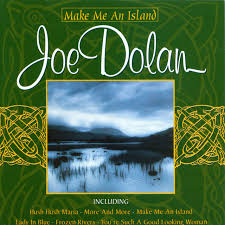
Make Me An Island was a single released back in 1969 from the album of the same name.
It became one of Dolan's signature hits and helped establish him as an international artist. The song was written by Albert Hammond and Mike Hazlewood, who were also responsible for several other popular tracks of the era.
"Make Me An Island" reached the number 3 position on the UK Singles Chart, marking Dolan's highest-charting single in Britain. It also performed well in other European countries, reaching number 1 in Ireland and the Netherlands.
Chords And Strumming
I play a down down up down up down up rhythm pattern here in standard tuning with the chords Dm, A7, D7, Gm, G, D, A#, D# and a G#m. No lead work in this one.
Guitar Lesson Details - (chords & lyrics sheet incl with lesson)
Back To Song List
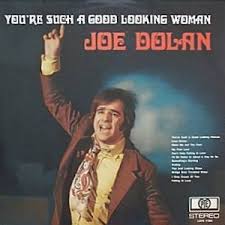
You're Such A Good Looking Woman is an upbeat, brassy pop tune that became one of Joe Dolan’s signature hits, cementing his status as one of Ireland’s most charismatic entertainers.
Released in 1969 and written by songwriting duo Albert Hammond and Mike Hazlewood, "You're Such a Good Looking Woman" was a chart success, reaching #3 in Ireland and cracking the UK Top 20.
The song’s infectious melody, bold orchestration, and Dolan’s powerhouse vocal delivery made it a radio favorite and a staple of his live performances for years. Its timeless charm continues to resonate with fans of 60s pop and lounge-style vocal tracks.
Chords And Strumming
I play this one in standard tuning with a root down up down up down up and repeat rhythm pattern and no lead. The chords here you'll need are Dm, Gm, C, F, A7, D, D7 and a G.
Guitar Lesson Details - (chords & lyrics sheet incl with lesson)
Back To Song List
Mary Hopkin Songs - Learn To Play On Guitar
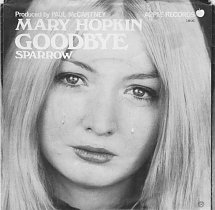
Goodbye was ACTUALLY written by Paul McCartney AND was released by Mary Hopkin in 1969 as a follow-up to her hit “Those Were the Days.” Although not included on her debut album, the single reached No. 2 in the UK and No. 13 on the Billboard Hot 100.
McCartney also produced the track, contributing guitar, bass, and arrangement ideas.
No official video was made, but Hopkin performed the song on several European TV specials. McCartney’s original demo — once considered lost — resurfaced decades later and revealed nearly identical phrasing to Hopkin’s final version.
Chords And Strumming
This one has a root down up down up down up rhythm pattern with a few chops in it and a short picking break. The chords here are D, Gbm, Bm, Bm/A, G, A7 and A in standard tuning with a capoed 2nd fret.
Guitar Lesson Details - (chords & lyrics sheet incl with lesson)
Back To Song List
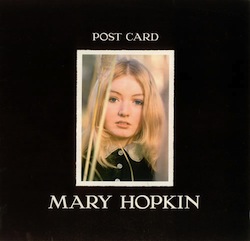
Those Were The Days, produced by Paul McCartney in 1968, appeared on Mary Hopkin’s debut album Post Card. Released as a single, it became an international smash, hitting No. 2 on the Billboard Hot 100 and No. 1 in the UK.
The song was adapted from a 1920s Russian folk melody, which fascinated McCartney enough to champion it for Hopkin’s debut. A promotional film clip shot in a tavern-style setting served as its early music-video equivalent. Many artists have covered it, including Dolly Parton (2005).
Hopkin recorded the song in five languages to help boost worldwide sales.
Chords And Strumming
There is a one fret key change in this song near the end which is in standard tuning but played with a capo 2nd fret. There is some down strokes, shuffle strumming and a root down up down up down up and repeat pattern for rhythm . No lead but a few riffs with the chords Em, E7, Am, Gb, B7, D, G, F, F7, A#m, C7, Fm, D#, G# and A#.
Guitar Lesson Details - (chords & lyrics sheet incl with lesson)
Back To Song List
Peter Paul & Mary Songs - Learn To Play On Guitar
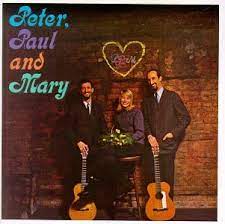
If I Had A Hammer was recorded by Peter Paul & Mary for their 1962 debut album and became one of their signature protest songs. Released as a single, it reached No. 10 on the Billboard Hot 100 and No. 3 on the Adult Contemporary chart.
The trio performed the song widely on U.S. television and at civil-rights events, though no formal music video existed. The original version was written and first recorded by The Weavers in 1950.
Peter, Paul & Mary’s rendition won two Grammy Awards in 1963 — Best Folk Recording and Best Performance by a Vocal Group.
Chords And Strumming
Peter Paul And Mary played this with a capo on the 2nd fret with a steady down up down up rhythm pattern and in standard tuning. I've added a short picking break here in my version with the chords G, Bm, C, D and an Em.
Guitar Lesson Details - (chords & lyrics sheet incl with lesson)
Back To Song List
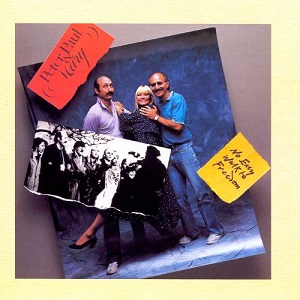
Right Field is a track on the trio’s 1980 album Reunion and became a charming favorite despite never charting.
Written by Willy Welch, the song tells a nostalgic Little League story and resonated strongly with fans who grew up in the ’50s and ’60s.
A children’s-themed music video was later produced for educational programs, making it one of the few PPM songs with a true video companion.
The track became so beloved in schools that Welch later turned it into a children’s book.
Chords And Strumming
This one is played with a root down up down up rhythm pattern and a bit of lead in the middle of the song. I play this on standard tuning with the chords G, D/Gb, Em, Em/D, C, G6, Am, D7 and an F.
Guitar Lesson Details - (chords & lyrics sheet incl with lesson)
Back To Song List
The Wedding Song was written and recorded by Paul Stookey in 1969 and appeared on his album Paul and. Released as a single in 1971, it reached No. 24 on the Billboard Hot 100 and quickly became a wedding standard.
The inspiration came after Stookey wrote the piece for Peter Yarrow’s wedding ceremony. No official video was created, though numerous televised performances helped popularize it.
The song has since been covered by Anne Murray (1971), Mary MacGregor (1979), and Captain & Tennille (1995). Stookey has long insisted that the song “belongs to God,” donating all royalties to charitable causes.
Chords And Strumming
The rhythm on this one is a steady down up down up pattern as you pluck a few notes for arpeggio and played with a capo on the 2nd fret in standard tuning. No lead here with the chords D, E7, G, A/Db, Bm, A7sus and an A7.
Guitar Lesson Details - (chords & lyrics sheet incl with lesson)
Back To Song List
PJ Proby Songs - Learn To Play On Guitar

Niki Hoek, released by P.J. Proby in 1967, became one of his most recognizable singles. Written by the Addrisi Brothers, the song reached No. 23 on the Billboard Hot 100 and was later included on Proby’s album P.J. Proby.
Although it didn’t produce a music video, the song was performed on several variety shows. The track is notable for its swamp-rock groove, which later inspired covers by Aretha Franklin (1968) and Jim Ford.
The quirky title refers to a fictional girl from Louisiana — songwriter Don Addrisi reportedly came up with it during a road trip.
Chords And Strumming
This one is played with a root down up down up down up and repeat or you can play a double bass like I'm playing here in standard tuning. Only three chords and they are E, A and a B7 with some lead required.
Guitar Lesson Details - (chords & lyrics sheet incl with lesson)
Back To Song List
Ralph McTell Songs - Learn To Play On Guitar
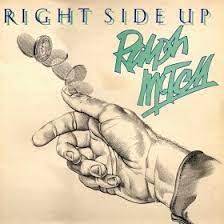
From Clare To Here came out in 1976 on Ralph McTell’s album Right Side Up and became one of his most beloved ballads. The song wasn’t a major charting single but received heavy airplay on folk radio.
McTell wrote it after hearing an Irish laborer in London say, “It’s a long way from Clare to here,” inspiring a story of homesickness and migration. No music video exists, though the song became a staple of his live shows.
It has been widely covered, including by Nanci Griffith (1993) and The Dubliners. McTell has said it’s one of the few songs he wrote fully in one sitting.
Chords And Strumming
For rhythm here play a down down up down up down up and repeat pattern in standard tuning. For chords use an Fmaj7, Am, G, C, C and an Em with some lead required.
Guitar Lesson Details - (chords & lyrics sheet incl with lesson)
Back To Song List
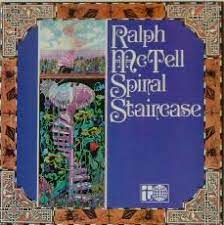
Streets Of London originally released this track in 1969 and it also later appeared on McTell’s 1974 album Spiral Staircase and became his signature work. The 1974 re-recorded single reached No. 2 on the UK Singles Chart.
Though not accompanied by a music video, the song’s vivid imagery and compassion made it a folk anthem. It has been covered more than 200 times, including versions by Roger Whittaker, Anti-Nowhere League, and Sinead O’Connor.
McTell originally wrote the song about Paris but changed the location to London because he felt British audiences would connect more deeply with its themes.
Chords And Strumming
This one is played with a capo 2nd fret and with a down up down up up down up rhythm pattern with riffs blended in and some lead. The chords here in standard tuning are D, A, Bm, Gbm, G, A7, E7, Bm/A and an A/Db.
Guitar Lesson Details - (chords & lyrics sheet incl with lesson)
Back To Song List
Steve Lawrence & Eydie Gormet Songs - Learn To Play On Guitar

I Want To Stay Here showcased the polished vocal chemistry that made Steve Lawrence and Eydie Gormé one of the most successful husband-and-wife recording acts of the 1960s. It was released during a period when the pair regularly blended pop, traditional vocal standards, and contemporary material, the song appeared on one of their early duo projects and reflected the sophisticated adult-pop sound that dominated much of their catalog.
Rather than relying on dramatic orchestration, the recording allowed their expressive voices to carry the story of independence and emotional uncertainty. Although it was not among the duo’s major charting singles, the song became a favorite for fans who appreciated their ability to turn everyday relationship themes into engaging performances.
Lawrence and Gormé were frequent television guests throughout the decade, and songs such as this helped reinforce their reputation as two of America’s most polished and versatile vocal entertainers.
Chords And Strumming
You'll play this one in standard tuning with some picking required. Play root up down up and repeat rhythm pattern or you can play an arpeggio and rhythm combo with a 1-2-down up 1-2 down up and repeat. Some accent down strokes also in here as you move through the chords C, Em, Dm, G, F and an Fmaj7.
Guitar Lesson Details - (chords & lyrics sheet incl with lesson)
Back To Song List
Terry Statford Songs - Learn To Play On Guitar

Suspicion transformed Terry Stafford from an unknown singer into a national recording star in 1964. Written by Doc Pomus and Mort Shuman, the song had first been recorded by Elvis Presley, but his version was never released as a single in the United States.
Stafford’s recording began life as a simple demo, with producer Bob Summers playing nearly all the instruments himself. After gaining traction on California radio stations, the record spread across the country and eventually reached No. 3 on the Billboard Hot 100, selling more than a million copies.
Many listeners initially believed it was Presley because Stafford’s voice closely resembled Elvis’s vocal style. The single’s success was particularly impressive because it climbed the charts during the height of Beatlemania. Although no official music video existed in that era, television appearances helped promote the record and establish Stafford as one of the decade’s memorable pop performers.
Chords And Strumming
I'm using the Elvis version in the chorus here because the Starford version is choppy and confusing but the rest of the version is his played in standard tuning. You can play a root up down up pattern with a few chops in the rhythm in the chorus. Just one riff with no picking playing the chords D, Em, Bm and an A.
Guitar Lesson Details - (chords & lyrics sheet incl with lesson)
Back To Song List
The Fourmyula Songs - Learn To Play On Guitar
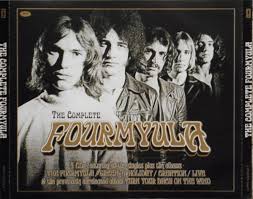
Forever is the career-defining masterpiece by the New Zealand band The Fourmyula, appearing on their 1969 self-titled album. Written by band member Wayne Mason, the song was released as a single and became a massive domestic success, reaching No. 2 on the New Zealand charts. It is often cited as one of the greatest compositions in the country’s musical history, eventually being voted into the APRA Top 100 New Zealand Songs of All Time.
A fascinating historical detail is that the band recorded the track at the legendary Abbey Road Studios in London while attempting to break into the international market. This exposure to high-level production helped create the lush, melodic sound that defines the recording. While it remains a Kiwi classic, the song has seen various local covers, though the original remains the definitive version of the "New Zealand Invasion" era.
Chords And Strumming
This one is tough to sing for me but is played with a capo 4th with the chords G, C, D, Em, A7, B7, E7, A, Gbm, Db and a Gb. It does not have any lead and is played with a steady down up down up shuffle rhythm.
Guitar Lesson Details - (chords & lyrics sheet incl with lesson)
Back To Song List
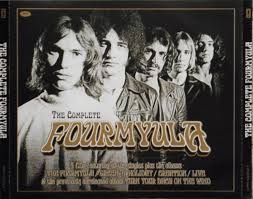
Lady Scorpio ... was recorded by New Zealand group The Fourmyula during the vibrant rock scene that emerged in the country during the late 1960s and early 1970s. Built around a strong melodic hook and driving rhythm section, the song reflected the growing influence of British and American rock music on New Zealand performers while maintaining the band’s own distinctive style.
Released as a single, it earned regional airplay and helped strengthen the group’s reputation among local audiences. The Fourmyula were known for combining pop accessibility with harder-edged rock arrangements, and “Lady Scorpio” became one of their better-known recordings.
Although it did not achieve major international chart success, the track remains of interest to collectors of New Zealand rock history. Its blend of catchy songwriting and energetic performance offers a snapshot of a period when local bands were beginning to gain greater recognition alongside the overseas acts that dominated radio playlists.
Chords And Strumming
In the original key of G for this one, it is way too high for my vocals, so I use a capo 3rd and sing it on the low end. No picking here but it does have two rhythm patterns played in standard tuning. One pattern is a root down up root up down up in the verses and then you'll switch to a steady a shuffle pattern for the chorus. The chords you'll need are a G, F, C, Am, D, Am, G6, Em and a Dsus.
Guitar Lesson Details - (chords & lyrics sheet incl with lesson)
Back To Song List
The Imperials Songs - Learn To Play On Guitar
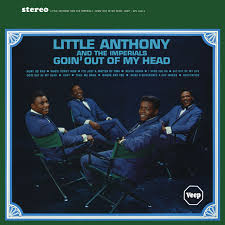
Hurt So Bad is a soul-stirring ballad performed by the legendary vocal group The Imperials (often known as Little Anthony and the Imperials). Originally released as a single in 1965, the song was a commercial powerhouse, peaking at No. 10 on the Billboard Hot 100 and No. 5 on the R&B charts. It is the centerpiece of their album Goin' Out of My Head.
A compelling aspect of this recording is its sophisticated orchestral arrangement, which helped bridge the gap between doo-wop and the emerging soul sound of the mid-60s. The song’s massive popularity led to numerous high-profile covers by artists such as Linda Ronstadt, who took it back to the Top 10 in 1980, as well as The Lettermen and Alicia Keys.
Despite the many iterations, The Imperials' original version is still celebrated for Anthony Gourdine's exceptional lead vocal performance.
Chords And Strumming
You can play a down down up down up down up and repeat rhythm pattern for this one in standard tuning. Thus one has a high vocal component to it with the chords Em, Am, Bm, F, G, A, B, Cmaj7, Esus and an E.
Guitar Lesson Details - (chords & lyrics sheet incl with lesson)
Back To Song List
The songs featured here showcase the softer, melodic side of 60s guitar music—from heartfelt folk harmonies to bright pop arrangements. Each lesson brings out the emotional essence of the original while making it accessible to players of all skill levels.
If you’ve enjoyed working through these tracks, be sure to explore our other 60s guitar pages for more legendary tunes, one-hit wonders, and acoustic-friendly favorites.
There’s a world of vintage guitar magic waiting to be rediscovered.
If you liked this popular songs in the 60s page you might also like ... (click images)
Popular Songs From The 60s
Latest 100 Tutorials
© 2019–2026 KirbysGuitarLessons.com — All Rights Reserved