Don Williams Vol 3 - Classic Country Songs
Welcome to the definitive guitar archive for the formative years of the "Gentle Giant."

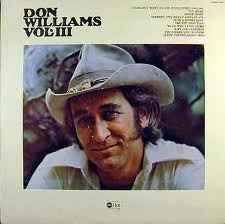
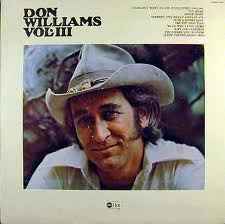
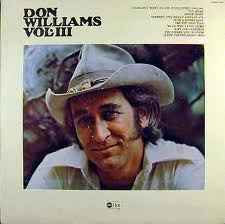
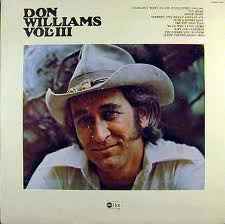
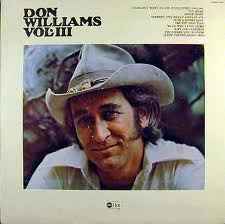
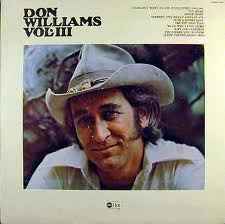
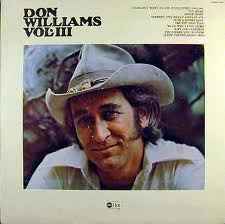
With the release of Don Williams Volume III in late 1974, the "Gentle Giant" officially moved from rising star to a definitive force in country music. This album is a treasure trove for acoustic guitarists, featuring his first-ever #1 hit, "I Wouldn't Want to Live If You Didn't Love Me," and the quintessential romantic groove of "Turn Out the Light and Love Me Tonight."
Musically, this collection is where the production became even leaner and the "Don Williams Bounce" became the gold standard for Nashville rhythm playing. In these lessons, we dive deep into the steady-thumb technique and understated chord voicings that allow these songs to resonate with such warmth. Whether you're mastering the haunting storytelling of "Ghost Story" or the melodic drive of "The Ties That Bind," you’ll learn how to capture the soul of the JMI Records era.
🎸 Overview Video -
“Watch This Preview of My
Don Williams Vol 3”
Vol 1 Album Here
Vol 2 Album here
You're My Best Friend Album Here
Country Boy Album Here
Visions Album Here
Cellar Tapes Album Here
More Don Williams Here
Don Williams Guitar List
Don Williams Album Vol. III - (1974)
Fly Away
Ghost Story
Goodbye Really Isn't Good At All
I Wouldn't Want to Live If You Didn't Love Me
I've Turned You to Stone
Lovin' Understandin' Man
Such A Lovely Lady
The Ties That Bind
Turn Out The Light And Love Me Tonight
When Will I Ever
Why Lord Goodbye
Don Williams Inspired Throw Pillow Collection


I may be able to create a custom pillow design just for you.
Fly Away - Learn To Play On Guitar
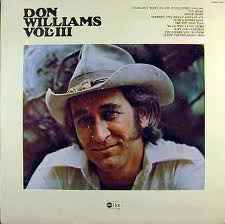
Fly Away is a Don Williams original that highlights the folk-leaning sensibilities of his early solo career. While not released as a single, the track remains a standout on his second album for its gentle, rhythmic acoustic guitar work and introspective lyrics.
The song captures a sense of wanderlust and the desire for freedom, themes that were very popular in the early 1970s singer-songwriter movement. Musically, it relies on a steady, percussive thumb-beat that serves as the foundation for the entire arrangement.
Trivia enthusiasts often note that this song showcases the "dry" studio sound favored by producer Allen Reynolds, where every string pluck is heard with clinical clarity. It serves as a prime example of the minimalist approach that would eventually earn Williams the nickname "The Gentle Giant."
Chords And Strumming
This one is played in standard tuning with a root down root up down up and repeat in a steady pattern with the chords D, C and G. There is no lead in this number
Guitar Lesson Details - (chords & lyrics sheet incl with lesson)
Back To Song List
Ghost Story - Learn To Play On Guitar
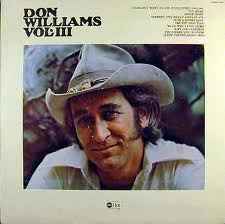
Ghost Story was written by Joe Allen and is one of the more atmospheric and haunting tracks in the Don Williams catalog. Released in early 1974, it served as a high-quality album track that showcased Don’s ability to handle more complex, metaphorical storytelling.
The lyrics deal with the lingering memories of a past relationship that haunt the narrator like a phantom. Despite its strong narrative and evocative melody, it was not released as a charting single, but it has grown in stature among fans of "Volume Two."
The arrangement features subtle, reverb-soaked guitar fills that enhance the spectral theme of the lyrics. It remains a masterclass in how to use silence and space in a country arrangement to create a specific emotional mood.
Chords And Strumming
You'll want to play a root down up down up root down up down up and repeat. For chords you'll need a G, G7, C and D played in standard tuning. There is some picking in this tune.
Guitar Lesson Details - (chords & lyrics sheet incl with lesson)
Back To Song List
Goodbye Really Isn't Good At All - Learn To Play On Guitar
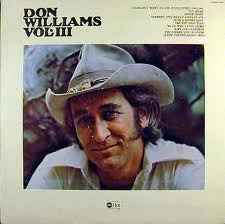
Goodbye Really Isn't Good At All is another self-penned Don Williams track that explores the painful nuances of a breakup. This song was not released as a single and did not have a chart history, but it is a fan favorite for its clever wordplay and honest delivery.
The song features a classic mid-tempo country-folk rhythm that is synonymous with the JMI Records era. Don’s ability to take a common phrase and flip it on its head is on full display here, proving his growth as a songwriter.
The track is notable for its sparse instrumentation, featuring little more than acoustic guitar and bass, which allows the sincerity of the vocal to take center stage. It serves as a poignant reminder of the quiet, understated power found in Williams' early-seventies deep cuts.
Chords And Strumming
I play a capo on the 4th for this one with a steady root up down up and repeat for rhythm in standard tuning. Some picking in this one as you play through the chords G, C, D and an Am.
Guitar Lesson Details - (chords & lyrics sheet incl with lesson)
Back To Song List
I Wouldn't Want to Live If You Didn't Love Me - Learn To Play On Guitar
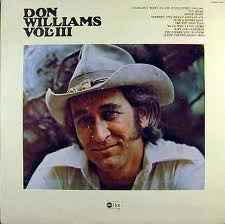
I Wouldn't Want to Live If You Didn't Love Me was written by Al Turney and became a massive milestone in Don Williams' career. Released in the summer of 1974, it became his very first number-one hit on the Billboard Hot Country Singles chart.
This success was a turning point, proving that his "soft" approach to country music could reach the top of the industry. The song is famous for its incredibly simple, repetitive hook and Don's warm, reassuring delivery. Trivia surrounding the track often mentions that its success was a surprise to many Nashville insiders who thought the arrangement was "too quiet" for country radio.
It effectively set the stage for a decade of chart dominance and remains one of the most recognizable songs in the history of the genre.
Chords And Strumming
You can play a root down bass up down up for rhythm in this one but the chords change fast in some spots so you won't play the bass note everywhere. This one is in standard tuning with some picking required as you move through the chords D, G and A.
Guitar Lesson Details - (chords & lyrics sheet incl with lesson)
Back To Song List
I've Turned You to Stone - Learn To Play On Guitar
I've Turned You to Stone is a Don Williams original that showcases his more bluesy and rhythmic side. While it was not a single and did not appear on the charts, it is frequently cited by collectors as one of the best examples of his early solo writing style.
The lyrics are a stark look at how a lack of attention and love can cause a partner to grow cold and distant. The arrangement is driven by a steady, driving acoustic guitar rhythm that provides a sense of urgency beneath the calm vocal delivery.
This track highlights the chemistry between Don and his small studio band, who were able to create a full, rich sound using only a few acoustic instruments. It is an essential piece for anyone looking to understand the technical foundations of his "thump-pick" style.
Chords And Strumming
In this song you'll play a root up down up down up bass up down up down up and repeat with some lead required. Played in standard tuning with a D, G and an A chord.
Guitar Lesson Details - (chords & lyrics sheet incl with lesson)
Back To Song List
Lovin' Understandin' Man - Learn To Play On Guitar
Lovin' Understandin' Man was written by Jim Rushing and served as a high-energy, up-tempo contrast to the ballads on the album. Although not released as a single, the song became a staple of Don’s live performances for years due to its catchy rhythm and positive message.
The track features a more prominent use of percussion than many of his other early recordings, giving it a slight "country-rock" feel that was beginning to emerge in Nashville in the mid-70s. Trivia for this track includes the fact that Jim Rushing was one of the many songwriters discovered or championed by the JMI crew, helping to launch his own successful career.
The song remains a testament to Don’s ability to maintain his relaxed persona even when the tempo of the music picks up.
Chords And Strumming
For this song you'll play a root down bass up down up and repeat for rhythm in standard tuning with some picking required. The chords here are simple C, F and a G.
Guitar Lesson Details - (chords & lyrics sheet incl with lesson)
Back To Song List
Such a Lovely Lady - Learn To Play On Guitar
Such a Lovely Lady is a Don Williams original that stands as a highlight of his early 1970s songwriting period. While it was not released as a commercial single and does not have a Billboard chart history, it is frequently praised by fans and critics alike for its pure, melodic simplicity and the genuine warmth of its delivery.
The song serves as a gentle character study, offering a tribute to the grace and kindness of a woman, a theme that would become a cornerstone of the "Gentle Giant’s" public persona. Musically, the track is defined by its steady, rhythmic acoustic guitar foundation and a sparse arrangement that allows the rich, baritone vocals to carry the emotional weight. T
Trivia regarding the track often points to it as a prime example of the "JMI Sound," where producer Allen Reynolds focused on creating an intimate, living-room atmosphere rather than a polished studio production. It remains a definitive deep cut, illustrating the consistent quality of the material Williams was penning during his formative solo years.
Chords And Strumming
For this one I play a capo on 2nd fret with the chords G, C and a D in standard tuning. For rhythm play a root down up root up down up and repeat. Some picking required in this number.
Guitar Lesson Details - (chords & lyrics sheet incl with lesson)
Back To Song List
The Ties That Bind - Learn To Play On Guitar
The Ties That Bind is a Don Williams original that appeared on his debut album, though it is often associated with his early live sets as well. It was not released as a single and did not chart, but it serves as a foundational example of his philosophy on life and relationships.
The song deals with the enduring strength of family and long-term commitment, themes that would become the cornerstone of his public image. The arrangement is remarkably sparse, highlighting the "room sound" of the JMI studio. Interestingly, the title was later used for several "Best Of" collections, illustrating how well the phrase encapsulated Don’s career.
It remains a favorite for its simple, three-chord structure and its profound, plain-spoken wisdom.
Chords And Strumming
This one is played in standard tuning with a root up down up down up and repeat rhythm pattern with no lead required. Chords here are a G, G7, C, D and an A7.
Guitar Lesson Details - (chords & lyrics sheet incl with lesson)
Back To Song List
Turn Out The Light And Love Me Tonight - Learn To Play On Guitar
Turn Out The Light And Love Me Tonight released in 1975, remains a definitive example of Don Williams' ability to turn a simple romantic sentiment into a timeless country masterpiece. As the lead single from his You're My Best Friend album, the track climbed to the top of the charts, further cementing the "Gentle Giant’s" reputation for understated elegance.
For acoustic guitarists, the song is a study in rhythmic discipline. It utilizes his signature, dry acoustic texture and a steady, foundational strumming pattern that allows the melody to breathe. Mastering this song requires a focus on the "pocket"—maintaining that relaxed, mid-tempo groove without overplaying. In this lesson, we break down the efficient chord transitions and the subtle right-hand technique needed to replicate that warm, intimate sound that defined mid-70s country radio. It is an essential addition to any acoustic player's classic country repertoire.
Chords And Strumming
I play this one in standard tuning with the chords D, G and an A with a root down root up down up rhythm pattern. There is some picking in this one.
Guitar Lesson Details - (chords & lyrics sheet incl with lesson)
Back To Song List
When Will I Ever - Learn To Play On Guitar
When Will I Ever is a Don Williams original that leans into the more inquisitive and vulnerable side of his songwriting. This track was not released as a single, but it provides a great look at the "folk-pop" influences that remained in his music after his departure from the Pozo-Seco Singers.
The song features a beautiful, rolling acoustic guitar melody and lyrics that wonder when the narrator will finally find a sense of belonging and peace. While it lacks a chart history, it is a key track for understanding the introspective nature of the "Gentle Giant."
The production is classic Allen Reynolds, keeping the vocal right at the front of the mix so that every breath and nuance of Don’s performance can be felt by the listener.
Chords And Strumming
This one is in C with a C, G and an F chord while playing a root up down up bass up down up rhythm pattern in standard tuning. There is some picking in this one.
Guitar Lesson Details - (chords & lyrics sheet incl with lesson)
Back To Song List
Why Lord Goodbye - Learn To Play On Guitar
Why Lord Goodbye was written by Don Williams and is a quintessential example of his early-career heartbreak ballads. Never released as a single, the song did not see chart action, but it remains a powerful example of how he could convey deep grief without any vocal histrionics.
The song asks a series of rhetorical questions about the end of a relationship, delivered with a sense of resignation that became a trademark of his style. The track features subtle, melodic bass runs that complement the acoustic guitar, creating a full but uncluttered sound.
It is a favorite among "Volume Two" enthusiasts for its emotional honesty and its perfect execution of the minimalist country sound that Don pioneered.
Chords And Strumming
On this one I play a capo 2nd in standard tuning with the chords G, C and a D. For rhythm play a down up pause up down pause up and repeat with a few double down strokes in places. There is some picking required in this one.
Guitar Lesson Details - (chords & lyrics sheet incl with lesson)
Back To Song List
Mastering the tracks from Volume III is about understanding the power of space and timing. From the folk-flavored resonance of "Fly Away" to the rhythmic precision of "Lovin' Understandin' Man," Don Williams proved that you don’t need complex arrangements to create a massive sound—you just need the right pocket.
As you work through these tutorials, pay close attention to the "dry" acoustic texture and the relaxed phrasing that makes his music so accessible yet technically rewarding to play. These eleven songs provide a comprehensive roadmap for any player looking to ground their repertoire in classic 1970s country. Grab your acoustic, dial in that mellow tone, and let’s get these legendary tracks under your fingers.
If you liked this Don Williams Vol 3 page you might also like ... (click images)



Don Williams Interview
Very Easy Country Guitar Songs
Latest 100 Tutorials
© 2019–2026 KirbysGuitarLessons.com — All Rights Reserved