Don Williams:
The 1970s Guitar Archive (Vol. 2)
Don Williams Volume Two," released in early 1974, marks the moment the 'Gentle Giant' truly defined his signature sound.

"This second JMI Records release moved away from the folk-pop experiments of the Pozo-Seco days and leaned fully into the clean, dry acoustic production of Allen Reynolds. For the fingerstyle and rhythm guitarist, this album is a treasure trove of steady-thumb mastery and relaxed phrasing.
Whether you are looking for the rhythmic bounce of 'Atta Way to Go' or the chart-topping storytelling of 'We Should Be Together,' these lessons break down the understated brilliance that made Don Williams a mainstay on the country charts.
🎸 Overview Video -
“Watch This Preview of My
Don Williams Vol 2”
Vol 1 Album here
Vol 3 Album Here
You're My Best Friend Album Here
Country Boy Album Here
Visions Album Here
Cellar Tapes Album Here
More Don Williams Here
Don Williams Guitar List
Atta Way to GoDown the Road I Go
I Don't Think About Her No More
Loving You So Long
Millers Cave
Oh Misery
She's in Love with a Rodeo Man
We Should Be Together
Wish I Was in Nashville
Your Sweet Love
Don Williams Inspired Throw Pillow Collection


I may be able to create a custom pillow design just for you.
Atta Way to Go - Learn To Play On Guitar
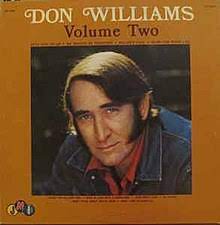
Atta Way To Go was written by Don Williams himself and released in November 1973 as the lead single for this second volume. It was a significant milestone for him as a songwriter, reaching number 13 on the Billboard Hot Country Songs chart.
Most of Don's early hits were penned by others, so having a self-penned top-20 hit early on proved he could compete with Nashville’s professional writers. The track was produced by Allen Reynolds and features the clean, sparse acoustic arrangement that became Don's calling card.
The B-side was "I Recall a Gypsy Woman," which technically made this single a double-sided masterpiece of 70s country. It's an excellent example of a mid-tempo "Don Williams original" that utilizes simple but effective chord transitions to carry a deep emotional narrative.
Chords And Strumming
This one is played in standard tuning with a root down up root up down up rhythm pattern. No lead in here as you move through the chords C, F and G.
Guitar Lesson Details - (chords & lyrics sheet incl with lesson)
Back To Song List
Down the Road I Go - Learn To Play On Guitar
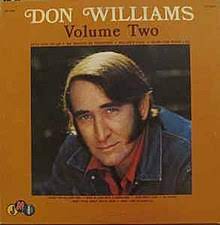
Down The Road I Go serves as the closing track for Volume Two and was written by Don Williams. While it was released as a single in late 1974, it had a more modest chart run compared to his major hits, peaking at number 62 on the Billboard Country chart.
Despite the lower chart position, it is a quintessential "road song" that fits perfectly into the folk-country aesthetic of the early 70s. The song utilizes a steady, walking-style rhythm that makes it a fantastic exercise for your students working on their right-hand thumb pulse. It captures that feeling of peaceful melancholia that Don was so adept at conveying.
This track represents the more introspective, traveling side of the "Gentle Giant," showing how he could turn a simple lyric about moving on into a profound musical statement.
Chords And Strumming
This one I play with a capo 2nd fret with drop D tuning and the chords G, D, C, D7 and an Em. For rhythm you can play a root down root up down up and repeat. The are a few riffs and a main picking pattern in this one.
Guitar Lesson Details - (chords & lyrics sheet incl with lesson)
Back To Song List
I Don't Think About Her No More - Learn To Play On Guitar
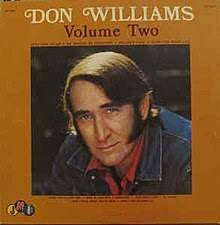
I Don't Think About Her No More (also known as "The Poison Red Berries") was written by the legendary Mickey Newbury. It appeared as a key track on Volume Two but was not released as a single by Don.
The song is notable for its slightly more complex lyrical structure and dark, metaphor-rich imagery, which was a hallmark of Newbury’s writing. The arrangement features the "Gentle Voices" of The Joyful Noise on backing vocals, a production choice by Allen Reynolds that added a soft, gospel-tinged layer to Don's solo acoustic work.
This song is a great study in how to interpret a songwriter's-songwriter like Newbury through the lens of Don’s minimalist style. It showcases a more sophisticated side of the album that contrasts nicely with the simpler domestic themes found elsewhere in the tracklist.
Chords And Strumming
This one is played in standard tuning with the chords D, D/C, D/B, D/A#, A7sus, A7, Bm, G, E7 and an Em. For rhythm play root down up down up and repeat. There isn't any lead in this one, just a rhythm song.
Guitar Lesson Details - (chords & lyrics sheet incl with lesson)
Back To Song List
Loving You So Long - Learn To Play On Guitar
Loving You So Long is a sweet, upbeat track that highlights the more positive and romantic side of the Volume Two sessions. Written by Allen Reynolds, it wasn't pushed as a single, but it remains a fan favorite for its catchy, melodic acoustic hook.
The song features the classic JMI studio crew, including Joe Allen on bass and Kenny Malone on drums, who provided that light, unobtrusive percussion that never overpowered Don's guitar. It’s a great example of a "feel-good" track that doesn't rely on clichés to get its point across.
The song is an excellent lesson in keeping a light touch on the strings while maintaining a bright, percussive rhythm. It serves as a reminder that Don's catalog wasn't just about heartbreak and loneliness; he was also a master of the simple, happy love song.
Chords And Strumming
I play a drop D tuning and a capo 2nd fret here with a root down root up down up and repeat rhythm pattern. A few riffs and some picking in this one with the chords D, C, G and an A.
Guitar Lesson Details - (chords & lyrics sheet incl with lesson)
Back To Song List
Millers Cave - Learn To Play On Guitar
Millers Cave was written by the prolific Cowboy Jack Clement and is a classic country "murder ballad" with a surprisingly upbeat tempo. While Bobby Bare had a massive top-10 hit with the song in 1963, Don’s 1974 version is much more stripped-down and focused on the storytelling aspect.
It was not released as a single for Don, as it served mainly as a high-quality cover to round out the album's narrative. Trivia-wise, the song has been covered by everyone from Gram Parsons to Charlie Pride, but Don's version stands out for its calm, almost detached delivery of a dark story.
The song teaches students how to balance a dark lyric with a steady, rhythmic acoustic guitar accompaniment without over-dramatizing the performance.
Chords And Strumming
This is cover by Don with a capo on the 2nd fret in standard tuning play a G, D and a C. Play a root down root up down up for rhythm and you'll do a bit of picking in this one. This one jumps a fret but I've that out in my version here.
Guitar Lesson Details - (chords & lyrics sheet incl with lesson)
Back To Song List
Oh Misery - Learn To Play On Guitar
Oh Misery is a Don Williams original that leans into his folk roots more than his country ones. Though never released as a single and therefore never appearing on the charts, it is a crucial deep cut for students of his songwriting. The song features a sparse, haunting arrangement that lets Don’s baritone take center stage.
Like many of his early compositions, it relies on a very small number of chords, proving his theory that you don't need complexity to create a lasting emotional impact. The track features subtle dobro work from Lloyd Green, which adds a mournful, atmospheric layer to the acoustic foundation.
This is a perfect example of a "vocal-first" arrangement where the guitar provides just enough structure to keep the song moving without getting in the way of the story.
Chords And Strumming
This one has a combo of arpeggio and rhythm with a 1-2-3 up down up down up for rhythm. Played in standard tuning with the chords A, D and E. There isn't any lead in this one but there is a break that's played within the chords.
Guitar Lesson Details - (chords & lyrics sheet incl with lesson)
Back To Song List
She's In Love with a Rodeo Man - Learn To Play On Guitar
She's In Love with a Rodeo Man was written by Bob McDill and is one of the most covered tracks from Don's early career. While Don didn't release it as a single himself, the song became a massive hit for Townes Van Zandt and later for Chris LeDoux.
Don's version on Volume Two is the definitive "Gentle Giant" interpretation, stripping away any Western-swing artifice to focus on the character study within the lyrics. It’s a rhythmic, mid-tempo piece that perfectly captures the "lonesome" vibe of the rodeo circuit.
This track is highly valuable because it is a recognizable standard that students love to play. It’s an ideal study in using the acoustic guitar to create a sense of place and character, with McDill's masterful songwriting providing the perfect blueprint.
Chords And Strumming
I play a capo 2nd fret on this one in standard tuning with a root down up down up and repeat with the chords C, F and G. There is a short picking break in this number.
Guitar Lesson Details - (chords & lyrics sheet incl with lesson)
Back To Song List
We Should Be Together - Learn To Play On Guitar
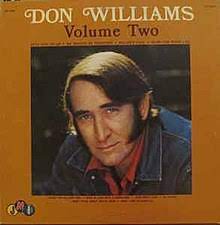
We Should Be Together was written by Allen Reynolds and released in March 1974 as the second single from the album. It became a significant hit for Don, peaking at number 5 on the Billboard Hot Country Singles chart, marking his first-ever top-5 solo hit.
The song is a masterclass in the "laid-back" country sound that would eventually make Don a global superstar. Trivia-wise, the success of this single was a major reason why MCA Records eventually took over the JMI catalog, recognizing the massive commercial potential in Don's understated style.
Chords And Strumming
I play a drop D tuning on this one with root down root up down up and repeat for rhythm with the chords D, G and an A with a bit of picking in this one.
Guitar Lesson Details - (chords & lyrics sheet incl with lesson)
Back To Song List
Wish I Was in Nashville - Learn To Play On Guitar
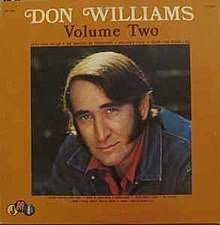
Wish I Was In Nashville was penned by Don Williams and serves as the opening track for Volume Two. It’s a rhythmic, lighthearted look at the music business and the longing for home, themes that Don often revisited.
While it wasn't a charting single, its placement as the first track on the album shows how much confidence Allen Reynolds had in Don's songwriting at the time.
The song features a bright acoustic guitar melody and a playful bass line, making it one of the more energetic tracks on the record.
Chords And Strumming
Another one with a capo 2nd fret and in drop D tuning with chords D, G and A. For rhythm play a root down up down up down up and repeat. A bit of picking required for this one.
Guitar Lesson Details - (chords & lyrics sheet incl with lesson)
Back To Song List
Your Sweet Love - Learn To Play On Guitar
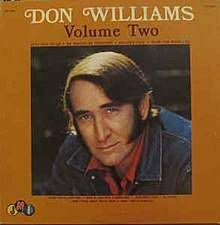
Your Sweet Love was written by Williams and is a quintessential example of his early-70s romantic ballads. It was not released as a single, but it has become a staple of his "best-of" collections because it so perfectly captures his signature sound: warm, sincere, and completely free of ego.
The arrangement is incredibly minimalist, featuring the "Joyful Noise" background vocals used sparingly to enhance the chorus.
It serves as a beautiful tribute to domestic stability, a theme that would define his most successful years as the "Gentle Giant" of country music.
Chords And Strumming
Play this one in standard tuning with a G, D, D7, C with a root down up root up down with a few chops in places. You'll do a little bit of picking in this song along with a few riffs blended into the rhythm.
Guitar Lesson Details - (chords & lyrics sheet incl with lesson)
Back To Song List
Mastering the tracks on Volume Two is about more than just memorizing chords; it’s about capturing the 'less is more' philosophy that Don Williams perfected. From the haunting storytelling in 'Miller's Cave' to the sophisticated songwriting of Bob McDill in 'She's in Love with a Rodeo Man,' each lesson here focuses on the precise acoustic techniques required to back up a baritone vocal.
As you work through these tutorials, you’ll see how a few simple chord shapes—played with the right pocket and soul—can carry an entire song. Grab your acoustic, find that steady groove, and let’s keep building your 1970s country repertoire.
If you liked this Don Williams Vol 2 page you might also like ... (click images)
Don Williams Interview
Very Easy Country Guitar Songs
Latest 100 Tutorials
© 2019–2026 KirbysGuitarLessons.com — All Rights Reserved