John Fogerty Guitar Songs and Acoustic Lessons
John Fogerty, the voice and creative force behind Creedence Clearwater Revival, also built an impressive solo catalog filled with rootsy rock, country-blues, and swampy guitar riffs.

This page features 9 of his standout solo hits — from the driving groove of The Old Man Down The Road to the Cajun-flavored fun of Jambalaya. Whether you're a longtime Fogerty fan or discovering his solo material for the first time, these acoustic guitar lessons will show you how to strum along with style.
Each song includes a performance demo video, a printable chord and lyrics sheet, and the option to grab the full in-depth tutorial if you’d like to master the entire arrangement.
🎸 Overview Video - “Best John Fogerty Guitar Songs”
Soon.
Popular CCR Guitar Songs
John Fogerty Guitar Song List
110 In The ShadeBlue Moon Nights
Hearts Of Stone
I Ain't Never
Jambalaya
Rock & Roll Girls
Southern Streamline
The Old Man Down The Road
You're The One
🎁 Free Lesson Preview
Scroll down to check out a completely free demo on John Fogerty’s “Rock & Roll Girls”110 In The Shade - Learn To Play On Guitar
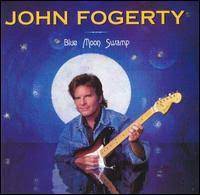
110 In The Shade is a deep cut from John Fogerty's Grammy Award-winning 1997 album, Blue Moon Swamp.
Although it was not released as a commercial single and did not chart, the song is highly regarded by fans for its authentic gospel-blues atmosphere. To achieve that rich, spiritual sound, Fogerty enlisted the help of the legendary gospel group The Fairfield Four to provide the backing vocals.
The track is a perfect example of Fogerty's meticulous production style, as he reportedly spent years perfecting the specific guitar sound and arrangement for this album to capture the swampy essence of the American South.
Chords And Strumming
I play this one with a drop D tuning while playing down down up down up down up and repeat rhythm pattern. For chords you'll need a D, A, G and an A#. A short lead break in this one. High vocals needed here as Fogerty is on the high end on the D key.
Guitar Lesson Details
Back To Song List
Blue Moon Nights - Learn To Play On Guitar
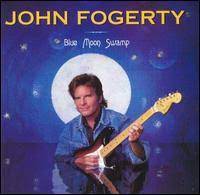
Blue Moon Nights also appears on the 1997 album Blue Moon Swamp. Like many tracks on the record, it was not released as a radio single and therefore did not chart, but it remains a critical favorite for its shimmering, rockabilly-infused guitar work.
The song showcases Fogerty’s softer, more romantic side, differing from his usual hard-driving swamp rock.
Trivia lovers might appreciate that during the recording of this album, Fogerty was so obsessed with getting the right "vibe" that he bought old Fender amps and guitars from the 1950s to ensure the tones were historically accurate to the era he was emulating.
Chords And Strumming
This one I play with a capo 2nd fret and with drop D tuning. Only three chords here which are D, G and an A7. For rhythm play a root down up down up down up and repeat or play a root down up bass up down up. Some picking in this one.
Guitar Lesson Details
Back To Song List
Hearts Of Stone - Learn To Play On Guitar
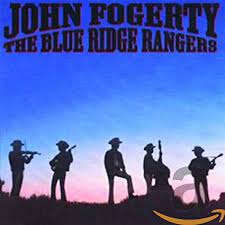
Heart Of Stone (tited "Hearts of Stone" on the release) is a standout track from the 1973 album The Blue Ridge Rangers. It was released as a single and performed respectably, peaking at number 37 on the Billboard Hot 100.
This album was a unique solo project where Fogerty played every single instrument himself, yet credited it to a fictitious band.
The song is a cover of a 1954 doo-wop hit by The Charms (and also The Jewels). Fogerty’s version transforms the R&B original into a country-rock shuffle, demonstrating his ability to bridge the gap between different roots music genres.
Chords And Strumming
I play a capo 2nd fret here in standard tuning along with a root down root up down up and repeat rhythm pattern. A bit of lead with the chords E, A and B7.
Guitar Lesson Details
Chords & Lyrics
Back To Song List
I Ain't Never - Learn To Play On Guitar
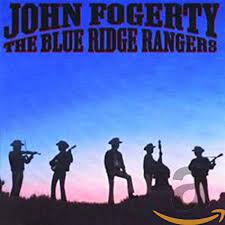
I Ain't Never is a lively country track found on the 1973 album The Blue Ridge Rangers. It was not released as a single and did not chart, serving instead as a high-energy album cut.
The song was originally a hit for country legend Webb Pierce in 1959, written by Mel Tillis. Fogerty’s rendition stays true to the honky-tonk spirit of the original but injects it with his signature rhythmic drive.
It serves as a tribute to the country music that influenced him growing up, a theme that defines the entire Blue Ridge Rangers project.
Chords And Strumming
I play this number with drop D tuning with a down up down up down up and repeat rhythm pattern and some lead blended into the chords. Only an A, D and E in this one.
Guitar Lesson Details
Chords & Lyrics
Back To Song List
Jambalaya - Learn To Play On Guitar
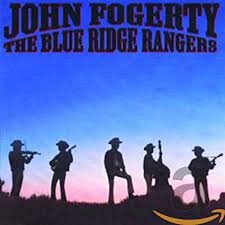
Jambalaya (On the Bayou) is the opening track and breakout hit from the 1973 album The Blue Ridge Rangers.
It was released as a single and became a significant success, climbing to number 16 on the Billboard Hot 100. A cover of the Hank Williams classic, Fogerty’s version is arguably one of the most famous interpretations of the song.
His "one-man band" performance is particularly impressive here; he layered multiple guitar, fiddle, and drum parts to create a full bluegrass ensemble sound, proving he could thrive outside the shadow of Creedence Clearwater Revival.
Chords And Strumming
A capo 2nd fret is where they are here and with drop D tuning. Only the D and A chord required here as you play a root down root up down up and repeat pattern.
Guitar Lesson Details
Chords & Lyrics
Back To Song List
Rock And Roll Girls - Learn To Play On Guitar
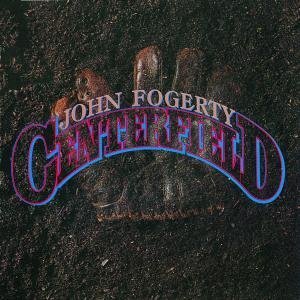
Rock & Roll Girls is a buoyant anthem from the chart-topping 1985 album Centerfield. Released as a single, it reached number 20 on the Billboard Hot 100.
The song’s lyrics were inspired by Fogerty watching his teenage daughter and her friends hanging out, capturing the innocence and excitement of youth.
Musically, it features a catchy saxophone hook played by Fogerty himself. Despite its pop success, the song became a point of legal contention when Fogerty used it in court to demonstrate how his songwriting style naturally evolved, defending himself against plagiarism accusations regarding his own earlier work.
Chords And Strumming
Some lead in this one as you play all down strokes for rhythm with the four chords G, C, D and Em in standard tuning.
Guitar Lesson Details
Back To Song List
Southern Streamline - Learn To Play On Guitar
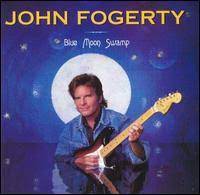
Southern Streamline leads off the 1997 album Blue Moon Swamp. It was released as a single and found a home on the country charts, peaking at number 67 on the Billboard Hot Country Songs chart.
The song is a driving, train-rhythm rocker that features some of Fogerty’s most intricate guitar picking. A fun piece of trivia is that the song's "train whistle" sound was actually created by Fogerty on a lap steel guitar.
The track was later covered by Alan Jackson, further cementing Fogerty's status as a songwriter who effortlessly crosses the line between rock and country.
Chords And Strumming
I play a drop D tuning here and a capo 2nd fret. Some lead required with a root down up down up down up and repeat rhythm pattern while playing the chords D, G and A7.
Guitar Lesson Details
Chords & LyricsBack To Song List
The Old Man Down The Road - Learn To Play On Guitar
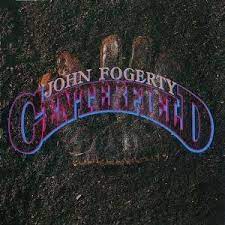
The Old Man Down The Road is the lead single from the 1985 comeback album Centerfield. It was a massive hit, peaking at number 10 on the Billboard Hot 100 and hitting number 1 on the Rock Tracks chart.
The song is infamous in music law history; Fogerty was sued by his former label for plagiarizing his own CCR song, "Run Through the Jungle," because the two tracks shared a similar "swamp rock" groove.
Fogerty famously brought his guitar to the witness stand to play both songs and prove they were distinct, eventually winning the case and setting a legal precedent for self-plagiarism.
Chords And Strumming
For rhythm here you can play us down strokes along with the odd up stroke. Some lead here in standard tuning while playing the chords E, G, C, D and an E7.
Guitar Lesson Details
Chords & LyricsBack To Song List
You're The One - Learn To Play On Guitar
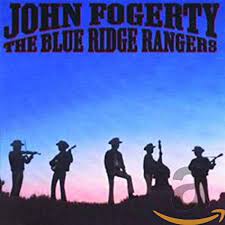
You're The One appears on the 1973 album The Blue Ridge Rangers. It was not released as a single and did not chart, but it plays a key role in the album's sequence of country covers.
The song was originally a hit for Bobby Edwards in 1961. Fogerty's version highlights his vocal versatility, as he adopts a crooning country style distinct from his famous rock "growl."
If you are searching for this track on streaming services, be sure to look for "You're The Reason," as "You're The One" is a common title misremembered by fans due to the lyrical content.
Chords And Strumming
For rhythm play a root down up root up down up and repeat pattern in standard tuning.Some lead required with the chords C, G, C7, F and a G7.
Guitar Lesson Details
Chords & LyricsBack To Song List
From upbeat rockers to heartfelt ballads, Fogerty’s solo work offers a diverse range of songs that are both fun and rewarding to play.
These lessons capture the spirit of his timeless songwriting and showcase techniques that blend rhythm, groove, and storytelling — all wrapped into one guitar-friendly collection. Explore the demos, grab the chord sheets, and take your pick of full lessons to dig even deeper into the legacy of John Fogerty.
If you liked this John Fogerty guitar songs page you might also like ... (click images)
Popular Songs From The 60s
Latest 100 Tutorials
© 2019–2026 KirbysGuitarLessons.com — All Rights Reserved