List Of American Folk Songs
On The Acoustic
(Page Updates Coming)

Below are a list of American Folk songs along with artists songs from other nations (ie: Gilbert O'Sullivan) which cover a wide variety cool tunes you can learn on the acoustic.
🎸 Overview Video - “List Of American Folk Songs”
List Of American Folk Songs List
Blaze Foley - Clay Pigeons - If Only I Could Fly
Carly Simon - Anticipation - Let The River Run Dry - The Right Thing To Do - You're So Vain
Carole King - I Feel The Earh Move - It's Too Late - Plesant Valley Sunday - Smackwater Jack - So Far Away
Damien Rice - Cannonball - One -Volcano
Gilbert O'Sullivan - Alone Again Naturally - You Are You
Gram Parsons - A Song For You - In My Hour Of Darkness - Sin City - Streets Of Baltimore
Jack Johnson - Breakdown - Bubbly Toes - Good People
Jose Feliciano - Adios Amor - Chico And The Man - Hitchcock Railway
M Ward - Vincent O'Brien
Nickel Creek - Somebody More Like You
Richard Thompson - Cooksferry Queen - Mingulay Boat Song - Shenandoah
The Avett Brothers - February 7 - Laundry Room - Victims Of Life
The Waterboys - Fisherman's Blues
The Wood Brothers - Luckiest Man - Postcards From Hell
Tony Joe White - High Sheriff Of Calhoun Parrish - Polk Salad Annie
🎁 Free Demo Preview
Scroll down to check out a completely free demo on Gilberts O'Sullivan's “Alone Again Naturally”.Scroll down to check out a completely free demo on Tony Joe White's “Polk Salad Annie”.
Blaze Foley Songs - Learn To Play On Acoustic Guitar
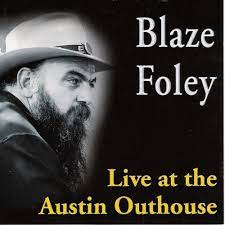
Clay Pigeons is a track found on Blaze Foley's 1989 album Live At The Austin Outhouse.
This is one of his most well known songs.
What You'll Learn From This Lesson
Soon
Guitar Lesson Details - (chords & lyrics sheet incl with lesson)
Chords & Lyrics UnavailableJump To Top
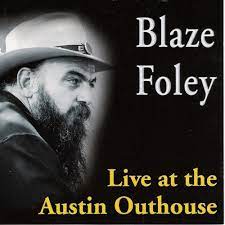
If I Could Only Fly is a track found on the 1989 album by Blaze Foley entitled Live At The Austin Outhouse.
Foley was shot to death that same year at the age of 39.
What You'll Learn From This Lesson
Soon
Guitar Lesson Details - (chords & lyrics sheet incl with lesson)
Chords & LyricsJump To Top
Carly Simon Songs
- Learn To Play
On Acoustic Guitar
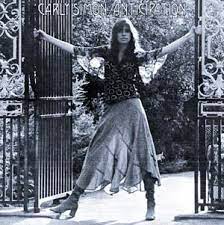
Anticipation is the title track from Carly Simon's second studio album, released in 1971. The song was written by Carly Simon herself.
The song was released as a single and reached No. 13 on the Billboard Hot 100 chart in 1971.
The track captures the feeling of longing and excitement for something yet to come. It reflects on the anticipation of future events and the emotions that accompany the wait.
There wasn't an official music video produced for "Anticipation," as it was released before the era when music videos became common.
What You'll Learn From This Lesson
Soon
Guitar Lesson Details - (chords & lyrics sheet incl with lesson)
Chords & LyricsJump To Top
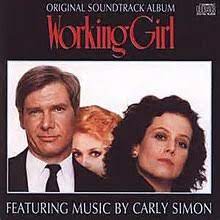
Let the River Run is from the soundtrack of the 1988 film "Working Girl." Carly Simon wrote tjis number as well.
It was released as a single and reached No. 49 on the Billboard Hot 100 chart in 1989. It also won an Academy Award for Best Original Song and a Golden Globe Award for Best Original Song.
"Let the River Run" is an uplifting anthem about empowerment and embracing change. It celebrates the power of individuality and the courage to pursue dreams.
A music video was produced for "Let the River Run." It features Carly Simon singing and various scenes from the film "Working Girl."
What You'll Learn From This Lesson
Soon
Guitar Lesson Details - (chords & lyrics sheet incl with lesson)
Chords and LyricsJump To Top
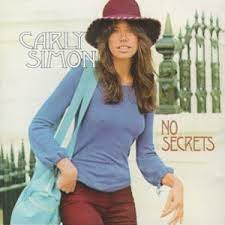
The Right Thing to Do is from Carly Simon's third studio album, "No Secrets," released in 1972 and was written by Carly Simon.
The track was released as a single and reached No. 17 on the Billboard Hot 100 chart in 1973.
"The Right Thing to Do" is a heartfelt song about the complexities of love and relationships. It explores the struggle of making difficult choices and navigating the sometimes blurred lines between right and wrong.
There was no official music video made for "The Right Thing to Do" during its release.
What You'll Learn From This Lesson
Soon
Guitar Lesson Details - (chords & lyrics sheet incl with lesson)
Chords & LyricsJump To Top
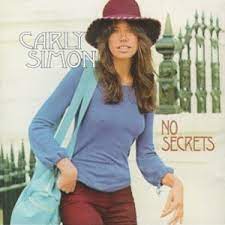
You're So Vain is from Carly Simon's album "No Secrets," released in 1972 and once again was written by Carly Simon.
It was released as a single and became a massive hit, reaching No. 1 on the Billboard Hot 100 chart in 1973.
"You're So Vain" is a famous song about a self-absorbed lover. The lyrics leave the subject of the song open to interpretation, leading to speculation about whom it might be written about.
A music video was produced for "You're So Vain." It features Carly Simon performing the song and includes various visual elements reflecting the themes and atmosphere of the song.
What You'll Learn From This Lesson
Soon
Guitar Lesson Details - (chords & lyrics sheet incl with lesson)
Chords & LyricsJump To Top
Carole King Songs - Learn To Play On Acoustic Guitar
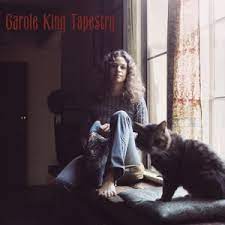
I Feel the Earth Move is from Carole King's landmark album "Tapestry," released in 1971 and was written by Carole King herself.
The track was released as a single and reached No. 1 on the Billboard Hot 100 chart in 1971.
"I Feel the Earth Move" is an energetic, up-tempo song about the intense emotions experienced at the beginning of a passionate love affair. The lyrics vividly express the excitement and intensity of newfound love.
At the time of its release, music videos were not as prevalent, so there is no official music video for "I Feel the Earth Move."
What You'll Learn From This Lesson
Soon
Guitar Lesson Details - (chords & lyrics sheet incl with lesson)
Chords & LyricsJump To Top
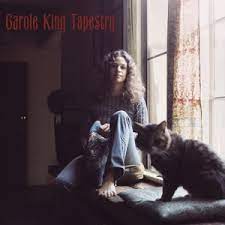
It's Too Late is also from Carole King's album "Tapestry" (1971) and again was written by Carole King in collaboration with lyricist Toni Stern.
The song was released as a single and reached No. 1 on the Billboard Hot 100 chart in 1971.
"It's Too Late" is a poignant breakup song that reflects on the end of a romantic relationship. The lyrics express the realization that the love is over and the acceptance of moving on.
Similarly, no official music video was produced for "It's Too Late."
What You'll Learn From This Lesson
Soon
Guitar Lesson Details - (chords & lyrics sheet incl with lesson)
Chords & LyricsJump To Top
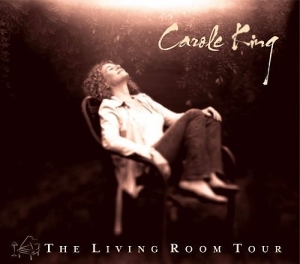
Pleasant Valley Sunday was recorded by The Monkees, but it was written by Carole King and her frequent collaborator Gerry Goffin. It appears on The Monkees' album "Pisces, Aquarius, Capricorn & Jones Ltd." released in 1967.
Carole King did record her version for the 2005 album The Living Room Tour, but she never released the song herself as a single.
It was released as a single by The Monkees and reached No. 3 on the Billboard Hot 100 chart in 1967.
What You'll Learn From This Lesson
Soon
Guitar Lesson Details - (chords & lyrics sheet incl with lesson)
Chords and LyricsJump To Top
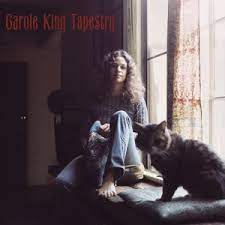
Smackwater Jack is from Carole King's album "Tapestry" (1971) and was co-written by Carole King in collaboration with lyricist Gerry Goffin.
"Smackwater Jack" was not released as a single by Carole King, it gained popularity when covered by the band The Jackson 5 in 1971.
The song tells the story of a fictional character named Jack who resorts to violence and meets a tragic end. The song serves as a cautionary tale against using violence to solve problems.
No official music video was created for "Smackwater Jack.
What You'll Learn From This Lesson
Soon
Guitar Lesson Details - (chords & lyrics sheet incl with lesson)
Chords & LyricsJump To Top
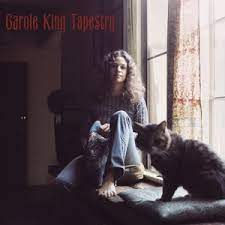
So Far Away is from Carole King's album "Tapestry" (1971) and was written by Carole King.
The track was not initially released as a single but has become one of Carole King's most beloved and enduring songs. It has been covered by various artists over the years.
"So Far Away" expresses a sense of longing and homesickness. The lyrics reflect the feeling of being separated from loved ones and the yearning for their presence.
No official music video was made for "So Far Away."
What You'll Learn From This Lesson
Soon
Guitar Lesson Details - (chords & lyrics sheet incl with lesson)
Chords & LyricsJump To Top
Damien Rice Songs
- Learn To Play
On Acoustic Guitar
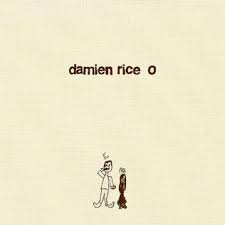
Cannonball was a single from the O debut album from Damien Rice back in 2002.
The song reached #9 in the UK and #13 in Ireland. The song was re-released several times.
What You'll Learn From This Lesson
Soon
Guitar Lesson Details - (chords & lyrics sheet incl with lesson)
Chords & LyricsJump To Top

One (a U2 song) was covered by Damien Rice for a movie called The Impossible.
What You'll Learn From This Lesson
Soon
Guitar Lesson Details - (chords & lyrics sheet incl with lesson)
Chords & LyricsJump To Top
Gilbert O'Sullivan Songs - Learn To Play On Acoustic Guitar
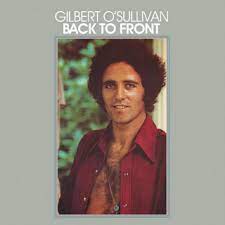
Alone Again Naturally was a single from 1972 released by Gilbert O'Sullivan from his Back To Front album.
The song hit #1 in the US, Canada and France and reached #2 in Australia.
What You'll Learn From This Lesson
Soon
Guitar Lesson Details - (chords & lyrics sheet incl with lesson)
Jump To Top
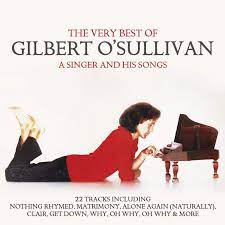
You Are You appears on the 1986 album The Very Best Of Gilbert O'Sullivan.
The song was released as a single back in 1975 and reached #17 in the US and #53 in the UK.
What You'll Learn From This Lesson
Soon
Guitar Lesson Details - (chords & lyrics sheet incl with lesson)
Chords & LyricsJump To Top
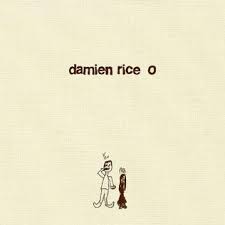
Volcano was a single released by Damien Rice from his debut album O in 2002.
The song charted both in the UK and Ireland at #29.
What You'll Learn From This Lesson
Soon
Guitar Lesson Details - (chords & lyrics sheet incl with lesson)
Chords & LyricsJump To Top
Gram Parsons Songs - Learn To Play On Acoustic Guitar
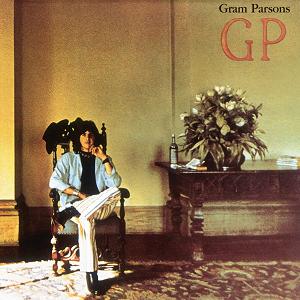
A Song For You is a track from Parsons 1973 album GP. This album was his solo debut album and he was alive when it was released, but he never saw the released of the 2nd album which had already been recorded. The album failed to chart upon it's release.
The song wasn't written by Parsons, though. It was actually created by Leon Russell, a well-known musician and songwriter. Parsons' version of the song became very popular and helped make it a classic. The lyrics are about love and regret, with the singer talking to someone they care about deeply.
What You'll Learn From This Lesson
The song is in the key of A so I play it with a capo 2nd fret with the chords F, C, G, Am and D. You can play a 1-2-3 up down up and repeat rhythm pattern for the verses and a root down up root up down up pattern for the chorus. In standard tuning with a little bit of picking required.
Guitar Lesson Details - (chords & lyrics sheet incl with lesson)
Chords & LyricsJump To Top
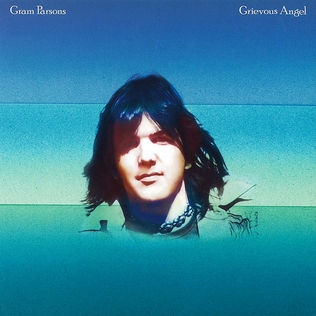
In My Hour Of Darkness is a powerful song from Gram Parsons' second and final solo album, "Grievous Angel," released in 1974. Parsons co-wrote this song with Emmylou Harris, who also sang harmonies on the track.
The song is often seen as a tribute to three of Parsons' friends who had died. It has a somber tone but also feels hopeful, which is typical of Parsons' style.
The lyrics talk about finding light in dark times, which some people think relates to Parsons' own struggles. This song is special because it was one of the last Parsons recorded before his own death in 1973, just months before the album came out.
What You'll Learn From This Lesson
I play this one in standard tuning with the chords G, C, D and D7 but the original key is in F. I use a root down up root up down up rhythm pattern and there is some lead work in this one.
Guitar Lesson Details - (chords & lyrics sheet incl with lesson)
Chords & LyricsJump To Top
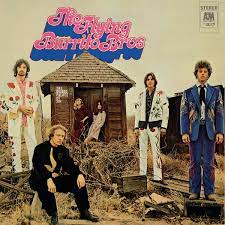
Sin City is a song co-written by Gram Parsons and Chris Hillman, both of whom were members of The Byrds in the late 1960s.
Both left and formed the group The Flying Burrito Brothers and that's when this song was recorded for their first album The Gilded Place Of Sin released in 1969. The song was never released as a single.
What You'll Learn From This Lesson
You can play a root down up down up and repeat rhythm pattern in standard tuning with the chords D, A7, G and D7. A bit of lead need in this version.
Guitar Lesson Details - (chords & lyrics sheet incl with lesson)
Chords & LyricsJump To Top
Streets Of Baltimore is a 1966 song written by Tompall Glaser and Harlan Howard which has been covered by many artists. Gram Parsons decided to put his version on his 1973 debut album GP.
Emmylou Harris also sang on this track and album. The song was never released as a single by Gram Parsons. This album was released in Jan 1973 and Gram Parsons overdosed in Sep 1973 at the age of 26.
What You'll Learn From This Lesson
Soon
Guitar Lesson Details - (chords & lyrics sheet incl with lesson)
Chords & Lyrics UnavailableJump To Top
Jack Johnson Songs
- Learn To Play
On Acoustic Guitar
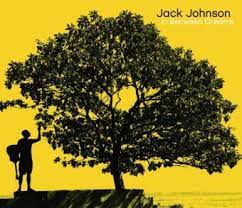
Breakdown hails from Jack Johnson's 2005 album In Between Dreams.
The song peaked at #2 in the US.
What You'll Learn From This Lesson
Soon
Guitar Lesson Details - (chords & lyrics sheet incl with lesson)
Chords & LyricsJump To Top
Bubbly Toes ... info soon.
What You'll Learn From This Lesson
Soon
Guitar Lesson Details - (chords & lyrics sheet incl with lesson)
Chords & LyricsJump To Top
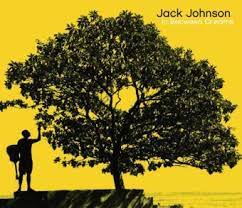
Good People is also a track from the 2005 album In Between Dreams from Jack Johnson.
This track is a protest song but has a positive vibe. The song hit #1 in the US.
What You'll Learn From This Lesson
Soon
Guitar Lesson Details - (chords & lyrics sheet incl with lesson)
Chords & LyricsJump To Top
Jose Feliciano Songs
- Learn To Play
On Acoustic Guitar
Adios Amor info soon.
What You'll Learn From This Lesson
I play this one in standard tuning with a root up down up or use some arpeggio ie: 1-2- down up and repeat pattern. No lead here with the chords G, F, D7, Dm, Bm, Em, Am7, G7, D, Cm, Gm, A# and a C.
Guitar Lesson Details - (chords & lyrics sheet incl with lesson)
Chords & LyricsJump To Top
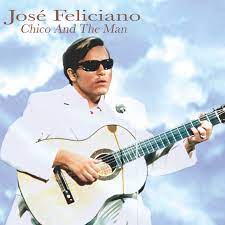
Chico And The Man was the theme song for the TV show of the same name and was released as a single in 1975. The song peaked at #96 in the US and #76 in Brazil.
It was put on a 2004 compilation as far as I can tell with 10 other songs.
What You'll Learn From This Lesson
The chords here are A5, Dmaj7, E7, Dbm, Gb, Bm, E7, Gbm and G with a few riffs in the rhythm in standard tuning. I play a steady down up down up and repeat rhythm pattern.
Guitar Lesson Details - (chords & lyrics sheet incl with lesson)
Chords & LyricsJump To Top
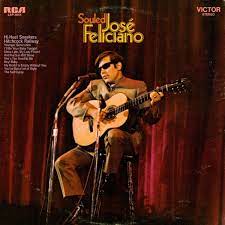
Hitchcock Railway is from Jose Feliciano's 1968 album Souled.
It was released as a single and reached #77 in the US.
What You'll Learn From This Lesson
Soon
Guitar Lesson Details - (chords & lyrics sheet incl with lesson)
Chords & Lyrics UnavailableJump To Top
M Ward Songs - Learn To Play On Acoustic Guitar
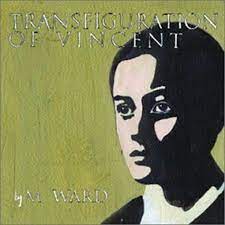
Vincent O'Brien is a track from the 2003 album by M Ward entitled Transfiguration Of Vincent.
The song was never released as a single.
What You'll Learn From This Lesson
Soon
Guitar Lesson Details - (chords & lyrics sheet incl with lesson)
Chords & LyricsJump To Top
Nickel Creek Songs
- Learn To Play
On Acoustic Guitar
Somebody More Like You ... info soon.
What You'll Learn From This Lesson
Soon
Guitar Lesson Details - (chords & lyrics sheet incl with lesson)
Chords & LyricsJump To Top
Richard Thompson Songs
- Learn To Play
On Acoustic Guitar
Cooksferry Queen ... info soon.
What You'll Learn From This Lesson
Soon
Guitar Lesson Details - (chords & lyrics sheet incl with lesson)
Chords & LyricsJump To Top
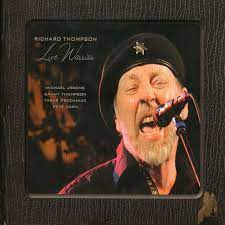
Mingulay Boat Song is a track from Richard Thompson live album from 2009 entitled Live Warrior.
The track was never released as a single.
What You'll Learn From This Lesson
Soon
Guitar Lesson Details - (chords & lyrics sheet incl with lesson)
Chords & LyricsJump To Top
Shenandoah ... info soon
What You'll Learn From This Lesson
Soon
Guitar Lesson Details - (chords & lyrics sheet incl with lesson)
Chords & LyricsJump To Top
The Avett Brothers Songs
- Learn To Play
On Acoustic Guitar
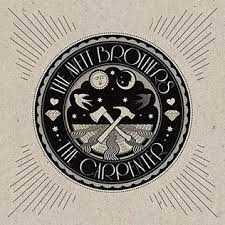
February Seven is a track from the Avett Brothers 2011 album The Carpenter.
The song was released as a single and peaked at #10 in the US.
What You'll Learn From This Lesson
Soon
Guitar Lesson Details - (chords & lyrics sheet incl with lesson)
Chords & LyricsJump To Top
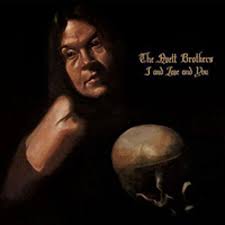
Laundry Room is a track found on The Avett Brothers 2009 album called I And Love And You.
Four singles were released from the album but this number was not one of the releases.
What You'll Learn From This Lesson
Soon
Guitar Lesson Details - (chords & lyrics sheet incl with lesson)
Chords & LyricsJump To Top
Victims Of Life is a track found on The Avett Brothers 2016 album called True Sadness.
They released three singles from the album but this song never made the cut.
What You'll Learn From This Lesson
Soon
Guitar Lesson Details - (chords & lyrics sheet incl with lesson)
Chords & LyricsJump To Top
The Waterboys Songs - Learn To Play On Acoustic Guitar
Fisherman's Blues was a single from the bands 1988 album of the same name. The song reached #13 in Ireland, #32 in the UK and #54 in Aus.
What You'll Learn From This Lesson
Soon
Guitar Lesson Details - (chords & lyrics sheet incl with lesson)
Chords & LyricsJump To Top
The Wood Brothers Songs
- Learn To Play
On Acoustic Guitar
Luckiest Man ... info soon.
What You'll Learn From This Lesson
Soon
Guitar Lesson Details - (chords & lyrics sheet incl with lesson)
Chords & LyricsJump To Top
Postcards From Hell can be found on The Wood Brothers 2008 album Loaded.
The track was never a single release.
What You'll Learn From This Lesson
Soon
Guitar Lesson Details - (chords & lyrics sheet incl with lesson)
Chords & LyricsJump To Top
Tony Joe White Songs - Learn To Play On Acoustic Guitar
High Sheriff Of Calhoun Parrish was written by Tony Joe White and released in 1970 on his third album, Tony Joe. It was also issued as a single, reaching #112 on Billboard's Bubbling Under Hot 100 chart while becoming a much bigger hit in Australia, where it reached #17.
Rather than a conventional pop song, White builds the track as a Southern story ballad about a young man who runs afoul of a powerful sheriff after rejecting the advances of the sheriff's daughter, Anna-Lee. Arrest, jail and escape follow, giving the song the feel of an old outlaw tale set against White's unmistakable Louisiana swamp sound.
The recording came from White's early Monument Records period, shortly after “Polk Salad Annie” had introduced his swamp-rock style to a much wider audience. Interestingly, White returned to “High Sheriff” decades later, recording a new version for his 2008 album Deep Cuts.
What You'll Learn From This Lesson
High Sheriff Of Calhoun Parrish is played in drop D tuning and played with a down down down down up up down down up down in a bit of a shuffle. There are some riffs added at the end of each verse as there is no bridge or chorus or picking break in this song. The chords you'll need here are D, Am7, Gbm, Bm G and an A.
Learn the chords and the rhythm first and then go back and work in the riffs at the end of each verse.
Guitar Lesson Details - (chords & lyrics sheet incl with lesson)
Jump To Top
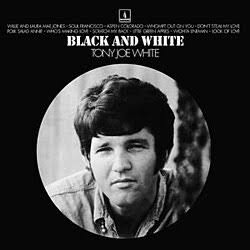
Polk Salad Annie became Tony Joe White’s breakthrough hit in 1969, bringing his distinctive Louisiana swamp-rock sound to a national audience. The song appeared on his debut album Black and White and eventually climbed to No. 8 on the Billboard Hot 100 and No. 10 in Canada.
The story drew directly from White’s Southern upbringing. Growing up in rural Louisiana, he was familiar with pokeweed, whose young leaves were traditionally cooked as “poke sallet” or “polk salad.” After hearing Bobbie Gentry’s “Ode to Billie Joe,” White realized he could write songs about the people, food and experiences he knew firsthand, helping inspire the earthy storytelling behind “Polk Salad Annie.”
Interestingly, the record was not an immediate success. It had been available for months and was largely written off before radio play began building momentum. Once it caught on, the song established White and the swampy mixture of blues, country, rock and Southern soul that became his trademark.
The song gained another life when Elvis Presley added “Polk Salad Annie” to his live shows, with a 1970 performance appearing on the album On Stage. It became a regular part of Elvis’s concert repertoire during the 1970s, helping introduce Tony Joe White’s song to an even wider audience.
What You'll Learn From This Lesson
is played in E using the chords E, E7, A7 and G. The song opens with an E-shape riff that moves up and down the fretboard, helping create that distinctive swampy groove right from the beginning.
For the rhythm, I use muted E chord shapes throughout much of the verses, playing mainly downstrokes with quick upstrokes added in various places for accents. You can also use a down down up down up down up down up pattern played with a quick shuffle feel. There are a few hammer-ons worked into the rhythm as well, adding movement while maintaining that muted, percussive sound.
The lead section isn't based on individual note picking. Instead, I use modified chord shapes played farther up the neck, moving through the lead section before eventually descending back down the fretboard. This keeps the instrumental break connected to the rhythm-driven character of the song.
Start by learning the chord shapes and then work separately on the two rhythm patterns, paying particular attention to the muting and accents through the verses. From there, learn the opening riff and hammer-ons before concentrating on the lead section and blending everything into the complete arrangement.
Guitar Lesson Details - (chords & lyrics sheet incl with lesson)
Jump To Top
Thanks for stopping by this list of American folk songs page. There will be additional pages links from this one over time with more information about specific songs discussing chords, strumming and so forth.
If you liked this list of American folk songs page, you might also like ... (click images)


Fun Folk Songs To Sing
Latest 100 Tutorials
© 2019–2026 KirbysGuitarLessons.com — All Rights Reserved