Pat Green Guitar Lessons

Welcome to this collection of Pat Green guitar lessons, featuring six songs from one of the artists who helped bring the Texas country sound to a wider audience. From early favorites such as “Whiskey” and “Take Me Out To A Dancehall” to the breakthrough hit “Wave On Wave,” these lessons explore the rhythms, riffs and acoustic arrangements behind some of Green's best-known material.
Each lesson includes a free video demo along with the chords, lyrics and a breakdown of how I play the song on acoustic guitar. Across the collection you'll find steady country rhythms, muted strumming, bass runs, hammer-ons, riffs and optional picking sections, along with different approaches for turning the original recordings into complete solo acoustic arrangements.
Choose a favorite below and start there, or work your way through the collection to explore some of the different guitar techniques and rhythmic ideas found throughout Pat Green's music.
🎸 Watch the Pat Green Guitar Lessons Overview
performance clips taken directly from the complete lesson videos.
Click Play, then drag the timeline to quickly preview any Pat Green lesson featured on this page.
Note: Every arrangement has been personally created, recorded and taught by Kirby
using teaching methods refined through decades of acoustic guitar instruction.
What's Included With Every Lesson
📦 Your Lesson Package Includes
✓ 8–12 minute HD video lesson so you can learn each song step-by-step.
✓ Printable chords & lyrics PDF for easy practice away from the screen.

✓ Instant download—start playing in minutes.
✓ Learn at your own pace on any device.
New to Pat Green? Start Here
If you're new to playing Pat Green songs on acoustic guitar, these four lessons offer a few different places to begin. Each arrangement has its own rhythmic feel and guitar details, so choose the one that interests you most, then use the lesson breakdown to see what you'll encounter as you work through the song.
-
Drinkin' Days
Start with a steady bass-note rhythm using four chords, then add the short opening and ending riff along with a few bass runs. -
Wave On Wave
Explore one of Pat Green's signature songs through its distinctive muted opening, chord variations and a rhythm that opens into a fuller Drop D sound. -
Take Me Out To A Dancehall
Work with a driving country rhythm while adding bass runs, hammer-ons and riffs before moving into the melody-based picking break. -
Whiskey
Combine a repeating bass-note rhythm with a recognizable intro and outro riff, then add the lead break and chopped rhythm for a fuller solo acoustic arrangement.
Pat Green Guitar Lessons Included On This Page
Drinkin' Days Guitar Lesson
Girls From Texas Guitar Lesson
Take Me Out To The Dancehall Guitar Lesson
Texas On My Mind Guitar Lesson
Wave On Wave Guitar Lesson
Whiskey Guitar Lesson
Drinkin' Days - Learn To Play On Acoustic Guitar

Drinkin' Days was released by Pat Green as a single in May 2017, his first new music following the 2015 album Home.
Written by Jaron Boyer, Ben Burgess and Phil Barton, the song looks back on the late nights, parties and reckless fun of younger years with more affection than regret. Green described it as his “rowdied on down” song, saying the memories behind it still made him smile.
For the accompanying video, he dug through old photographs from his college days, early career, concerts and backstage adventures, turning the song into a visual scrapbook of those years. “Drinkin' Days” connected strongly with Green's Texas audience, spending seven weeks at No. 1 on the Texas radio chart.
What You'll Learn From This Lesson
I play “Drinkin' Days” with a capo on the 2nd fret, which keeps the song in the original key while using the chord shapes G, Am, D and D7.
The rhythm stays consistent throughout the arrangement with a root-down-up, root-up-down-up pattern. That bass-note emphasis gives the strumming some of the country movement without requiring several different rhythm patterns.
There's a short riff at the beginning of the song that returns for the ending, along with a few additional riffs and the occasional bass run blended into the rhythm. There isn't a separate lead section to learn.
Once you have the four chord shapes and the main rhythm comfortable, work on the short opening and ending riff, then add the smaller riffs and bass runs to complete the arrangement.
Guitar Lesson Details - (chords & lyrics sheet incl with lesson)
Back To Songlist
Girls From Texas - Learn To Play On Acoustic Guitar

Girls From Texas brought together two well-known Texas performers, Pat Green and Lyle Lovett, for a playful celebration of women from their home state. Written by Jon Randall and Shane McAnally, the song was presented to Green by Randall, who suggested inviting Lovett to join him.
Green thought the idea was a perfect fit, and the resulting duet was released in September 2014 before appearing on Green's 2015 album Home. The lyrics give women from several other states their due before inevitably concluding that Texas girls are “just a little bit better.”
Although it didn't reach Billboard's national country chart, the song was a major success on Texas radio, reaching No. 1 and remaining there for several weeks.
What You'll Learn From This Lesson
I play “Girls From Texas” in G with a capo on the 2nd fret, which puts the song in the original recorded key of A. Using the G position also gives me a better chord structure for keeping the rhythm wrapped around the picking parts. The chords are G, G6, Am, Am/G, F, D7, Fm and C7.
The song has a slight swing to it, and much of that feel comes from the rhythm. I use a down-up, pause, up pattern and repeat it throughout. That pause is essentially a muted strum that helps imitate the snare-drum hit and gives the rhythm its distinctive movement.
My arrangement also includes the occasional bass run, an outro riff and a melody-line picking break blended with the rhythm.
Start by getting comfortable with the chords and that one rhythm pattern. Then add the bass runs before tackling the picking break. You can learn my melody break as played or create one of your own to complete a full solo acoustic arrangement.
Guitar Lesson Details - (chords & lyrics sheet incl with lesson)
Back To Songlist
Take Me Out To The Dancehall - Learn To Play On Acoustic Guitar
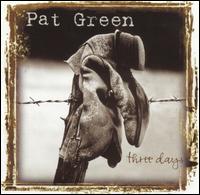
Take Me Out To The Dancehall is one of the songs that reaches back to Pat Green's rise through the Texas music scene. Written by Green, it appeared on his 1999 Live at Billy Bob's Texas album, recorded at the legendary Fort Worth honky-tonk, and became one of the standout songs associated with that early live release.
Green later returned to the song for his 2001 major-label debut Three Days, recording the studio version most listeners know today. The song's invitation to forget everything else for an evening and head out dancing fits naturally with the Texas dancehall culture that helped Green build his following.
Although it wasn't one of the album's Billboard-charting singles, it became an enduring favorite in his catalog.
What You'll Learn From This Lesson
I play “Take Me Out To The Dancehall” in standard tuning using the chords G, C/G, D, D/Gb and Em. The song has a mid-tempo driving feel, and I use a root-up-down-up, root-up-down-up rhythm pattern throughout the arrangement.
You'll hear a few bass runs, riffs and hammer-ons worked into the rhythm, with some of the more noticeable riff work occurring around the Em chord. There's also a picking break with the melody wrapped around the chord changes. At the end of the song, the arrangement finishes with a series of chopped downstrokes rather than simply strumming through the final chord.
When learning the chords, I recommend fingering the G chord with your last three fingers. That makes the move into C/G much easier while keeping the rhythm flowing. Once the chords are comfortable, work on the rhythm, bass runs, riffs and hammer-ons before moving on to the picking break.
Guitar Lesson Details - (chords & lyrics sheet incl with lesson)
Back To Songlist
Texas On My Mind - Learn To Play On Acoustic
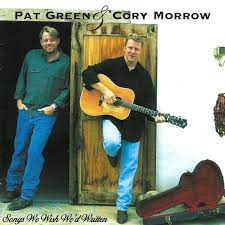
Texas On My Mind was written by Django Walker, son of Texas singer-songwriter Jerry Jeff Walker, while Django was studying at the Liverpool Institute for Performing Arts in England.
That experience inspired the song's homesick storyline, with its narrator sitting in rainy Liverpool thinking about Texas and the woman he left behind. Pat Green and Cory Morrow recorded the song for their 2001 collaboration Songs We Wish We'd Written, an album devoted to material by songwriters they admired.
Produced by Lloyd Maines, the independently released album reached No. 26 on Billboard's country albums chart, while “Texas On My Mind” climbed to No. 60 on the country singles chart. Green later included the song on his 2001 major-label album Three Days.
What You'll Learn From This Lesson
I play “Texas On My Mind” in standard tuning using the chords G, C, D, D/Gb, Em and A7. The main rhythm is a repeating down-down-up, down-up, down-up pattern, with some left-hand muting added in places to create the chopped feel that helps drive the song.
I also use some quick shuffle strumming leading into the chorus, which helps imitate the drum roll heard in the arrangement. At the beginning of the song there's a descending bass run played through the chord changes, and that same idea returns at the ending. I've also included some lead picking to help fill out the arrangement for one acoustic guitar.
The chord shapes themselves are fairly straightforward, but getting the muting and chopped rhythm working smoothly is what gives the song much of its character. Once you have the chords and rhythm together, learn the descending bass run for the opening and ending, then add the lead section if you want the complete solo acoustic arrangement.
Guitar Lesson Details - (chords & lyrics sheet incl with lesson)
Back To Songlist
Wave On Wave - Learn To Play On Acoustic Guitar
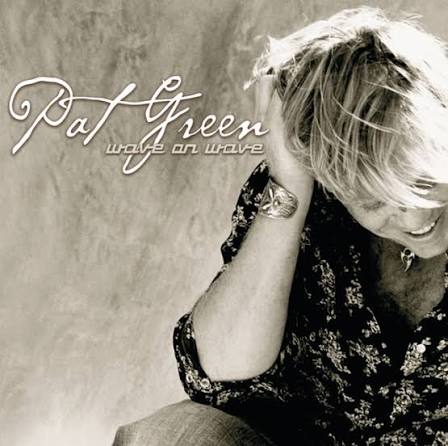
Wave On Wave became Pat Green's breakthrough national hit when it was released in 2003 as the title track and lead single from his album Wave on Wave.
Written by Green with bandmates David Neuhauser and Justin Pollard, the song blends themes of searching, redemption and finding someone who changes the direction of your life. It climbed to No. 3 on Billboard's country chart and crossed over to the Billboard Hot 100 at No. 39, becoming Green's highest-charting single.
The success helped take his Texas-based following to a much wider national audience, while the album was later certified Gold. “Wave On Wave” also earned Green, Neuhauser and Pollard a 2004 Grammy nomination for Best Country Song.
What You'll Learn From This Lesson
I play “Wave On Wave” in Drop D tuning, which gives the guitar a fuller low end when the arrangement opens up for the chorus. The chords are D, G, A and C, although the C chord doesn't appear in the opening riff.
One of the most recognizable parts of the song is the muted intro pattern. On the recording, the electric guitar plays this farther up the fretboard, but I've adapted that idea around variations of the D, G and A chord shapes. I keep that muted sound going through the first two lines of the verse before allowing the strings to ring out.
The main rhythm is down-down-up, down-up, down — up-down-up, down-up, down-up, with the dash representing a slight pause. I also accent certain downstrokes to help capture the feel of the original arrangement. There's no separate lead section to learn.
Start with the four chords, then concentrate on the muted intro and the chord variations used to create it. Once that's comfortable, work on opening the rhythm up from the muted verse into the fuller sound of the song. Because the original recording fades out, I bring the intro pattern back at the end to give my solo acoustic arrangement a definite ending.
Guitar Lesson Details - (chords & lyrics sheet incl with lesson)
Back To Songlist
Whiskey - Learn To Play On Acoustic Guitar
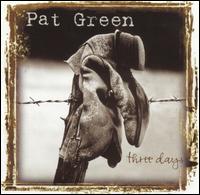
Whiskey reaches back to Pat Green's independent Texas years, first appearing as the opening track on his 2000 album Carry On. Written by Green, the song mixes heartbreak, drinking and life on the road, themes that fit naturally with the Texas-country sound he was developing before his move to a major label.
Green carried “Whiskey” forward when he signed with Universal, including it again on his 2001 album Three Days, where it appeared alongside several other songs from his earlier catalog. Produced by acclaimed Texas musician Lloyd Maines, Three Days helped introduce Green's music to a broader country audience while retaining much of his established Texas sound.
Although “Whiskey” wasn't released as a single, it remained part of the material that bridged Green's independent and major-label years.
What You'll Learn From This Lesson
I play “Whiskey” in standard tuning using the chords D, Em, G, A7 and D/Gb. The main rhythm follows a root-down-up, down-up, down-up pattern that repeats through much of the song.
There's a recognizable intro riff wrapped around the rhythm and chord changes, and I bring that same idea back for the outro. A few hammer-ons are also worked into the rhythm to add some extra movement without interrupting the flow of the song.
There is a lead break in this arrangement, and that's where the rhythm changes. Underneath the lead I use a chopped down-down-up — up-down-up, down-up pattern while moving through D, Em, G and A7. This lets the rhythm and lead work together as part of the solo acoustic arrangement.
Start by learning the chords, main rhythm and hammer-ons. Then work on the intro and outro riff with the chord changes. Once those pieces are comfortable, move on to the lead break and its accompanying chopped rhythm.
Guitar Lesson Details - (chords & lyrics sheet incl with lesson)
Back To Songlist
Pat Green Guitar Lessons FAQ
What Pat Green songs can I learn on this page?
This collection includes six Pat Green songs: Drinkin' Days, Girls From Texas, Take Me Out To A Dancehall, Texas On My Mind, Wave On Wave and Whiskey. Each lesson shows how I arrange the song for acoustic guitar.
What tuning do I need for these Pat Green songs?
Most of the songs in this collection are played in standard tuning. Wave On Wave is the exception, where I use Drop D tuning to give the arrangement a fuller low end.
Do I need a capo to play these songs?
Only Drinkin' Days and Girls From Texas use a capo in my arrangements. Both are played with a capo on the 2nd fret to keep them in the recorded key while using the chord shapes shown in the lessons.
What guitar techniques are covered in these lessons?
Across the six arrangements you'll encounter several country rhythm patterns along with bass runs, muted strumming, hammer-ons, riffs and picking sections. Some songs concentrate mainly on rhythm, while others incorporate melody or lead picking into the acoustic arrangement.
Which Pat Green song should I start with?
That depends on what you'd like to work on. Drinkin' Days uses four chords with a repeating bass-note rhythm and short riffs. Wave On Wave focuses on its recognizable muted intro and Drop D sound, while Take Me Out To A Dancehall and Whiskey add more picking and lead work. Check the New to Pat Green? Start Here section above for a few different ways into the collection.
Whether you're working on the muted rhythm of “Wave On Wave,” the driving groove of “Take Me Out To A Dancehall,” or one of the other Pat Green songs in this collection, I hope these lessons help you find an arrangement that works for your playing and vocal range. Each song brings something a little different to the guitar, from bass runs and riffs to hammer-ons, picking sections and changing rhythm patterns.
I'll continue adding Pat Green guitar lessons as new songs are recorded, so check back from time to time to see what's been added. In the meantime, pick a favorite, grab your guitar and have some fun with these Texas country songs.
If you liked this Pat Green guitar lessons page you might also like ... (click images)

Very Easy Country Guitar Songs
Latest 100 Tutorials
© 2019–2026 KirbysGuitarLessons.com — All Rights Reserved