🎸
More Popular CCR Guitar Songs to Learn on Guitar
(Page Updates Coming)
Welcome to this collection of Popular CCR Guitar Songs — a handpicked lineup of Creedence Clearwater Revival’s most recognizable hits, ready to be played on acoustic guitar.
These songs defined the Southern rock sound of the late '60s and early '70s, blending swampy rhythms with powerful storytelling.
Whether you’re strumming through “Up Around The Bend” or locking into the groove of “Down On The Corner,” these arrangements focus on rhythm accuracy, chord progressions, and lead fills that capture that unmistakable CCR vibe.
Each lesson comes with a full lesson, demo and downloadable chord sheet, and the option to dive deeper with the full tutorial.
🎸 Watch the CCR Guitar Lessons Overview
performance clips taken directly from the complete lesson videos.
Click Play, then drag the timeline to quickly preview any CCR lesson featured on this page.
Note: Every arrangement has been personally created, recorded and taught by Kirby
using teaching methods refined through decades of acoustic guitar instruction.
What's Included With Every Lesson
📦 Your Lesson Package Includes
✓ 8–12 minute HD video lesson so you can learn each song step-by-step.
✓ Printable chords & lyrics PDF for easy practice away from the screen.

✓ Instant download—start playing in minutes.
✓ Learn at your own pace on any device.
CCR Guitar Lessons Included On This Page
Before You Accuse Me
Born On The Bayou
Cotton Fields
Down On The Corner
Fortunate Son
Green River
Have You Ever Seen The Rain
Hello Mary Lou
Hey Tonight
I Heard It Through The Grapevine
I Put A Spell On You
Lodi
Long As I Can See The Light
Looking Out My Backdoor
Proud Mary
Ramble Tamble
Someday Never Comes
Travelling Band
Up Around The Bend
Who'll Stop The Rain
🎁 Free Demo Preview
Scroll down to check out a completely free demo on CCR's “Born On The Bayou”.Bad Moon Rising - Learn To Play On Acoustic Guitar
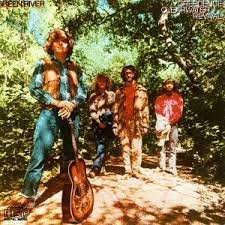
Bad Moon Rising was
the lead off single from the bands Green River album which was released
in the spring of 1969, four months before the album came out. This
track was also written by John Fogerty.
The song reached #2 in the US and #1 in the UK. The inspiration came to John Fogerty after watching a 1941 film called The Devil And Daniel Webster.
With its irresistible melody and catchy lyrics, this song is a timeless classic that has been covered by countless artists.
What You'll Learn From This Lesson
This one is played in standard tuning with a root down root up down and repeat rhythm pattern. Some lead required with the chords D, A and G.
Guitar Lesson Details - (chords & lyrics sheet incl with lesson)
Back To Song List
Before You Accuse Me - Learn To Play On Acoustic Guitar

Before You Accuse Me appears as a gritty blues track on the band's commercial peak, the 1970 album Cosmo's Factory. It was not released as a single, functioning instead as a deep cut that showcased the group's reverence for R&B roots.
The song was originally written and recorded by rock pioneer Bo Diddley in 1957. While CCR’s rendition is a faithful electric tribute, the song gained further fame decades later when Eric Clapton released an acoustic version.
For Creedence, it served as a clear signal that despite their pop success, they remained dedicated students of American blues history.
What You'll Learn From This Lesson
Play this number with a down up down up and repeat rhythm pattern in standard tuning. Some lead required with the chords E, A and B7.
Guitar Lesson Details - (chords & lyrics sheet incl with lesson)
Back To Song List
Born On The Bayou - Learn To Play On Acoustic Guitar
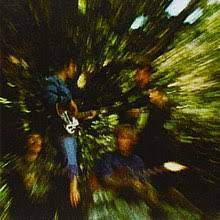
Born On The Bayou serves as the opening track on the band's second album, Bayou Country, released in 1969.
While it became a staple of their live shows and a defining example of "swamp rock," it was originally released as the B-side to the massive hit "Proud Mary."
Because of this pairing, it did not chart separately on the Billboard Hot 100, though the single itself reached number 2. Interestingly, songwriter John Fogerty wrote this ode to the swamp despite having never lived in one; the setting was purely mythical, inspired by movies and his own imagination.
What You'll Learn From This Lesson
For rhythm you'll require some arpeggio along with a down up down up and repeat rhythm pattern and down strokes in the picking section. In standard tuning with the chords E7, D, A and E.
Guitar Lesson Details - (chords & lyrics sheet incl with lesson)
Back To Song List
Cotton Fields - Learn To Play On Acoustic Guitar
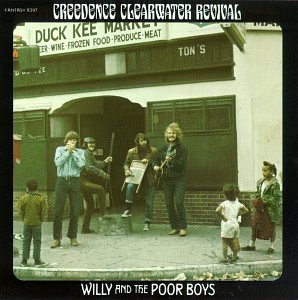
Cotton Fields is a high-energy folk cover found on the 1969 album Willy and the Poor Boys.
Written by the legendary bluesman Lead Belly, the song was a standard long before CCR touched it. While it was not promoted as a main single in the United States, it became a surprise international smash, famously hitting number 1 on the music charts in Mexico.
The recording features a unique countrified arrangement that highlights the band’s ability to modernize traditional folk music, utilizing a distinct rhythmic drive that separates it from The Beach Boys' more polished version of the same era.
What You'll Learn From This Lesson
This one I play in drop D tuning with the chords D, G and A using a steady root down root up down up pattern to start, then I switch to a root down bass up down up pattern in the 2nd section and then finally playing a steady down up down up rock and roll rhythm pattern just to show you how it would sound playing that style. Some lead required here.
Guitar Lesson Details - (chords & lyrics sheet incl with lesson)
Back To Song List
Down On The Corner - Learn To Play On Acoustic Guitar
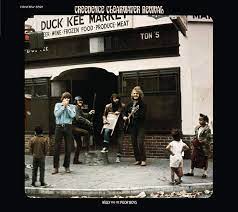
Down On The Corner is a standout track from the 1969 concept album Willy and the Poor Boys.
Released as a single, it performed brilliantly, peaking at number 3 on the Billboard Hot 100. The song lyrics describe a fictional jug band performing on a street corner, which the actual band brought to life for the album cover and television appearances.
In a memorable promotional stunt, the band members dressed up as the characters from the song—complete with washboard and gut bass—to perform on The Ed Sullivan Show, blurring the line between the song's fiction and reality.
What You'll Learn From This Lesson
The three chords here are C, G and G with some lead required in standard tuning. Play a steady up and down shuffle rhythm pattern with some riffs.
Guitar Lesson Details - (chords & lyrics sheet incl with lesson)
Back To Song List
Fortunate Son - Learn To Play On Acoustic Guitar
Fortunate Son was the other single released from the Willy And The Poor Boys album.
This single managed to reach #3 in the US and #2 in Australia but never quite made it to the top. It was also written by John Fogerty. The track is a symbol of protest against the Vietnam War.
The song's distinctive guitar riff was created by John Fogerty to mimic the sound of a military march, adding to its rebellious and anti-establishment tone.
What You'll Learn From This Lesson
Some lead required with the chords G, F, C and D in standard tuning. The rhythm is mainly down strokes.
Guitar Lesson Details - (chords & lyrics sheet incl with lesson)
Back To Song List
Green River - Learn To Play On Acoustic Guitar
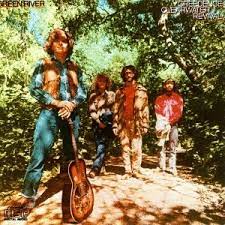
Green River was
without a doubt the bands most successful single release. Bad Moon
Rising, Lodi, Green River and Commotion all came from that record. This
track was also written by John Fogerty.
Green River" reached #2 on the Billboard Hot 100 chart in 1969 and was a top 10 in several other countries.
The title track of the album, "Green River" is a homage to the Green River, which runs through the band's home state of California. It evokes a sense of nostalgia for the countryside and the joys of simpler times.
What You'll Learn From This Lesson
Play a down up down up rhythm pattern with some riffs blended in throughout and in standard tuning. E, C and A are the chords.
Guitar Lesson Details - (chords & lyrics sheet incl with lesson)
Back To Song List
Have You Ever Seen The Rain - Learn To Play On Acoustic Guitar
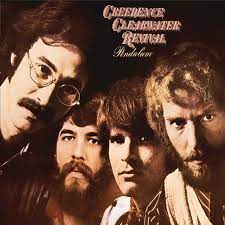
Have You Ever Seen The Rain was the first of two singles released by CCR in 1971 from their Pendulum album. The song was written by John Fogerty
And this song was a huge hit across several countries and did make it to #1 in Canada. In the US, Have You Ever Seen the Rain reached #8 on the Billboard Hot 100 chart in 1971.
This is probably one of the first CCR songs most people learn on guitar because it's a simple play and a great tune.
What You'll Learn From This Lesson
The original in this song is C, but it's much too high vocally for most people. My version here is in G with the chords, G, D, C, D/Gb and an Em, I play a down down up down up down up and repeat for rhythm. There is no picking break in this song but I've added on into my version here and I play this one in drop D tuning mainly for the bass aspect in this song.
Guitar Lesson Details - (chords & lyrics sheet incl with lesson)
Back To Song List
Hello Mary Lou - Learn To Play On Acoustic Guitar
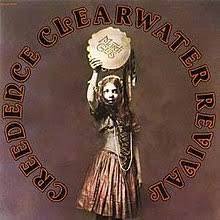
Hello Mary Lou appears on the band's final studio album, Mardi Gras, released in 1972.
Included as a single, it managed to chart but failed to break the Top 40 in the US, reflecting the band's waning momentum.
The song is a cover of the Gene Pitney-penned hit made famous by Ricky Nelson in 1961. Unlike much of the Mardi Gras album, which controversially featured Doug Clifford and Stu Cook on vocals, this track features John Fogerty singing lead, offering fans one of the few moments on the record that captured the classic, driving Creedence sound.
What You'll Learn From This Lesson
Some lead here blended into the root down up down up down up and repeat rhythm pattern and in standard tuning. For chords you'll need an A, D, E, Db7, Gbm and a B7.
Guitar Lesson Details - (chords & lyrics sheet incl with lesson)
Back To Song List
Hey Tonight - Learn To Play On Acoustic Guitar
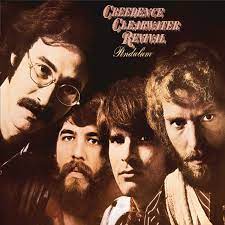
Hey Tonight charted in three countries when it was released as a single in 1971 from the Pendulum album.
It hit #1 in Belgium and Denmark and #9 in Australia and was written by John Fogerty. Hey Tonight reached #8 on the Billboard Hot 100 chart in 1971.
The song's upbeat tempo and infectious energy make it a fan favorite. It is often performed live and is known for its catchy chorus and memorable guitar riff.
What You'll Learn From This Lesson
This one is played with down strokes for rhythm in standard tuning and with lead work required. For chords play an E, A, B, Gb and a B7.
Guitar Lesson Details - (chords & lyrics sheet incl with lesson)
Back To Song List
I Heard It Through The Grapevine - Learn To Play On Acoustic Guitar

I Heard It Through The Grapevine of course is an older Marvin Gaye song from the 1960s but was covered by CCR for their 1970s album Cosmos Factory.
The track is over 11 minutes in length in this version from Creedence and they went ahead a released a single of the song three years later in 1973. It hit #10 in the Netherlands.
What You'll Learn From This Lesson
This one I play with a capo 2nd fret in drop D tuning and sung on the low end of E. For rhythm you'll play a combo of down strokes and a down up pause up down up pause up pattern. Some lead required with the chords D, G, A and a Bm.
Guitar Lesson Details - (chords & lyrics sheet incl with lesson)
Back To Song List
I Put A Spell On You - Learn To Play On Acoustic Guitar
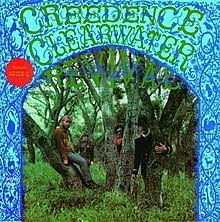
I Put A Spell On You was
released on several albums. The first was in 1968 from the Creedence
Clearwater Revival album and never cracked the top 40. The track was not
written by John Fogerty but instead by
Screamin' Jay Hawkins, which was a hit for him.
A re-release in 1972 fared better with the song reaching #12 and #3. The final release was in 1990 but the song only charted in The Netherlands at #64
CCR's rendition of "I Put a Spell on You" showcases John Fogerty's powerful vocals and the band's ability to infuse their own style into a classic blues-rock song.
What You'll Learn From This Lesson
For chords here you'll need an Em, Am, B7, C, F, D, G and A in standard tuning and some lead. Play a down down down up down down and repeat rhythm pattern.
Guitar Lesson Details - (chords & lyrics sheet incl with lesson)
Back To Song List
Lodi - Learn To Play On Acoustic Guitar
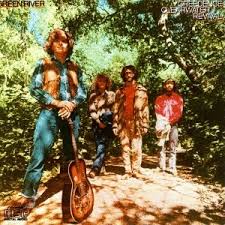
Lodi was released in 1969 as the B-side to "Bad Moon Rising," and tells the tale of a struggling musician who gets stuck playing in a small town that he never meant to stay in.
Written by John Fogerty, the song’s emotional core revolves around dashed dreams and the feeling of being trapped by circumstance — a relatable theme for many artists. With its laid-back rhythm and melancholic tone, Lodi stands out as one of CCR’s most reflective and heartfelt tracks.
What You'll Learn From This Lesson
Forgety plays this one in A# and then moves to a C. But for me vocally it's too high to sing so Instead I play this in G and move to an A. The chords here are G, D, C, D/Gb, Em and when the key changes you'll need the additional chords A, E, Gbm and an A/Ab. For rhythm play root up down up and repeat. Some lead required in this number.
Guitar Lesson Details - (chords & lyrics sheet incl with lesson)
Back To Song List
Long As I Can See The Light - Learn To Play On Acoustic Guitar

Long As I Can See The Light was mainly a B-side to Looking Out My Back Door but still managed to reach #20 in the UK and went to #1 in Norway.
The song hails from the 1970 album Cosmos Factory and featured John Fogerty playing electric piano and sax on the track which was written by John Fogerty
Although it was not released as a single, the song has become a beloved track in CCR's discography.
What You'll Learn From This Lesson
Played in standard tuning with a down down up down up and repeat rhythm pattern. Some lead with the chords G, C/G, Em, C7 and D.
Guitar Lesson Details - (chords & lyrics sheet incl with lesson)
Back To Song List
Looking Out My Backdoor - Learn To Play On Acoustic Guitar

Looking Out My Back Door (often spelled "Lookin' Out My Back Door") appears on the 1970 blockbuster album Cosmo’s Factory. It was a smash hit, climbing to number 2 on the Billboard Hot 100.
While many listeners at the time assumed the surreal lyrics about elephants and giant spoons were drug references, John Fogerty has consistently stated the song was actually written for his three-year-old son, Josh.
The whimsical imagery was inspired by the Dr. Seuss book And to Think That I Saw It on Mulberry Street, and the song serves as a lighthearted tribute to the Bakersfield sound.
What You'll Learn From This Lesson
I play a root down up down up down up rhythm pattern here with some lead required and in standard tuning. For chords I play a D, Bm, G and A and for the key change play a B7, A7, E, Dbm and the A once more.
Guitar Lesson Details - (chords & lyrics sheet incl with lesson)
Back To Song List
Proud Mary - Learn To Play On Acoustic Guitar
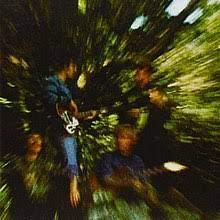
Proud Mary was the breakout hit from the 1969 album Bayou Country. It reached number 2 on the Billboard Hot 100, becoming the first of five Creedence singles to stall at that runner-up position.
Written by John Fogerty shortly after he received his discharge papers from the National Guard, the song captures a sense of freedom and escape.
While CCR’s original version is a rock standard, the song gained a second life when Ike and Tina Turner covered it in 1971, transforming the mid-tempo roots rocker into a high-energy funk and soul explosion.
What You'll Learn From This Lesson
I play a drop D tuning here with a down up stop up down up stop up rhythm pattern. The chords here are C, A, G, F, D and a Bm with some lead required.
Guitar Lesson Details - (chords & lyrics sheet incl with lesson)
Back To Song List
Ramble Tamble - Learn To Play On Acoustic Guitar
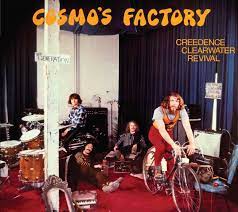
Ramble Tamble is a popular CCR song but was never released as a single.
It appears on the Cosmos Factory album of 1970 and was written by John Fogerty.
While it wasn't released as a single, "Ramble Tamble" is an album track that showcases CCR's ability to explore extended instrumental sections and display their prowess as a rock band.
What You'll Learn From This Lesson
Another one I play with drop D tuning and a root down up down up down up rhythm pattern with some down strokes and some steady up and down shuffle rhythm. Some lead with the chords D, C, G, Am, G6 and F.
Guitar Lesson Details - (chords & lyrics sheet incl with lesson)
Back To Song List
Someday Never Comes - Learn To Play On Acoustic Guitar
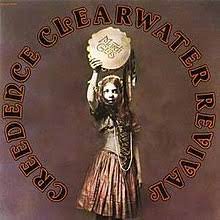
Someday Never Comes serves as a poignant highlight on the 1972 album Mardi Gras. Released as a single, it reached number 25 on the Billboard Hot 100, marking the band's final entry into the American Top 40.
The song is deeply personal; John Fogerty wrote it about his divorce and the disintegration of the band, using the lyrics to explore the loss of childhood innocence.
It stands as a sad, autobiographical farewell, as the group officially announced their breakup shortly after the song helped close out their recording career, making the title painfully prophetic.
What You'll Learn From This Lesson
A capo 2nd fret keeps you in the original key in standard tuning with the chords A, E, Gbm, Dm, F, D, Bm, A#, F, Dm, D#m, F#, D# and a Gm. No lead with a down down up down up down up and repeat rhythm pattern and then later its a down down up down down up down up pattern.
Guitar Lesson Details - (chords & lyrics sheet incl with lesson)
Back To Song List
Travelling Band - Learn To Play On Acoustic Guitar

Travelling Band was written by John Fogerty and was included on the 1970 album "Cosmos Factory" and was written by John Fogerty.
The song peaked at #2 in the US and #8 in the UK.
Travelin Band" peaked at #2 on the Billboard Hot 100 chart in 1970 and reached #8 in the UK.
It became one of CCR's biggest hits and a concert staple.
What You'll Learn From This Lesson
I play capo 2nd fret on this one with a down up down up and repeat rhythm pattern. Some lead with the chords E, A and B.
Guitar Lesson Details - (chords & lyrics sheet incl with lesson)
Back To Song List
Up Around The Bend - Learn To Play On Acoustic Guitar

Up Around The Bend is a driving rock anthem found on the 1970 album Cosmo’s Factory. Released as a single, it continued the band's incredible streak of radio dominance, reaching number 4 on the Billboard Hot 100.
John Fogerty wrote the song just days before the band was set to depart for a European tour, needing one more high-energy track to complete their setlist.
The song is famous for its opening high-pitched guitar riff, which is one of the most recognizable in rock history and has been covered by acts ranging from Elton John to Hanoi Rocks.
What You'll Learn From This Lesson
The chords here are D, A, D/Gb and G while playing all down strokes for rhythm. Played in standard tuning with the chords D, A, D/Gb and a G.
Guitar Lesson Details - (chords & lyrics sheet incl with lesson)
Back To Song List
Who'll Stop The Rain - Learn To Play On Acoustic Guitar

Who'll Stop The Rain also features on the seminal 1970 album Cosmo’s Factory. It was released as a double A-side single with "Travelin' Band" and reached number 2 on the Billboard Hot 100.
The song was inspired by John Fogerty's experience at the Woodstock Festival in 1969, where he watched the deluge of rain soak the crowd.
While often interpreted as a protest against the Vietnam War due to its somber tone and "rain" metaphor, Fogerty maintains that its primary inspiration was simply the wet, muddy reality of that historic festival and the resilience of the audience.
What You'll Learn From This Lesson
This one is played in G but sung on the high end of G, so because it's out of my range, I'm using a capo 3rd fret and singing on the low end of A#. The chords you'll need are G, D, Em, C, Bm and an Am. There ks no lead but I put a break in this one with the rhythm root up down up and repeat in standard tuning.
Guitar Lesson Details - (chords & lyrics sheet incl with lesson)
Back To Song List
These popular CCR tracks are not only fun to play — they’re crowd-pleasers that belong in any guitarist’s classic rock toolkit.
Whether you’re performing solo or just jamming along at home, songs like “Proud Mary,” “Fortunate Son,” and “Green River” bring energy, grit, and groove to your setlist.
If you’re looking for even more Creedence, don’t miss our companion page featuring another great collection of CCR guitar songs. Keep practicing, keep rocking, and enjoy the timeless sound of one of America’s greatest bands.
If you liked this popular CCR guitar songs page you might also like ... (click images)
Popular Songs From The 60s
Latest 100 Tutorials
© 2019–2026 KirbysGuitarLessons.com — All Rights Reserved