The Animals Guitar Lessons – Learn Their Classic Hits
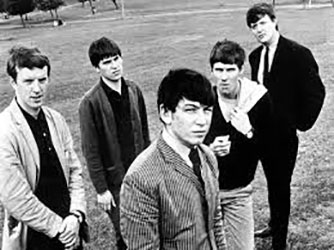
The Animals were one of the most distinctive British rock bands of the 1960s, blending blues, rock and R&B with Eric Burdon's powerful vocals and the band's unmistakable sound. If you're looking to learn some of their classic songs on acoustic guitar, this collection of six Animals guitar lessons is a great place to start.
From the haunting atmosphere of The House of the Rising Sun and the driving energy of We Gotta Get Out of This Place to favorites like Don't Let Me Be Misunderstood, It's My Life, Boom Boom and River Deep - Mountain High, these lessons bring a selection of the band's memorable recordings to life through acoustic guitar arrangements, video instruction and printable chord sheets.
🎸 Watch The Animals Guitar Lessons Overview
performance clips taken directly from the complete lesson videos.
Click Play, then drag the timeline to quickly preview any Animals lesson featured on this page.
Note: Every arrangement has been personally created, recorded and taught by Kirby
using teaching methods refined through decades of acoustic guitar instruction.
What's Included With Every Lesson
📦 Your Lesson Package Includes
✓ 8–12 minute HD video lesson so you can learn each song step-by-step.
✓ Printable chords & lyrics PDF for easy practice away from the screen.

✓ Instant download—start playing in minutes.
✓ Learn at your own pace on any device.
New to The Animals? Start Here
If you're new to playing songs by The Animals on acoustic guitar, you don't have to tackle the more challenging arrangements right away. These six lessons offer a variety of playing styles, from straightforward chord rhythms to blues riffs, arpeggio picking and bass-driven accompaniment. Here are three good places to begin:
1. Don't Let Me Be Misunderstood – Start With Rhythm and Chord Changes
A good starting point for getting comfortable with the band's sound. This arrangement combines familiar chord shapes with two contrasting rhythm patterns and a recognizable opening riff. Focus on the chord changes and steady strumming first, then introduce the riff once the rhythm feels natural.
2. The House of the Rising Sun – Develop Your Arpeggio Playing
One of The Animals' most recognizable songs and an excellent choice for improving your picking technique. You'll combine individual arpeggio notes with rhythm strumming, explore a stronger shuffle pattern and eventually add melodic lead passages. It's a useful next step for players wanting to move beyond basic strumming.
3. We Gotta Get Out of This Place – Learn to Combine Bass Riffs and Rhythm
This lesson introduces a different challenge: maintaining a repeating bass riff while singing, then switching to a fuller strumming pattern for the chorus. It's a great way to develop coordination between your picking hand, rhythm playing and vocals.
Where to Go Next
Once you're comfortable with these three songs, try It's My Life for its recurring guitar riffs and rhythmic accents, followed by Boom Boom to explore blues-style chops, hammer-ons and a short lead break. For another challenge, tackle River Deep – Mountain High, where Drop D tuning, fast rhythm playing and multiple riffs come together in an energetic acoustic arrangement.
There's no need to learn everything at once. Start with the chords and main rhythm of whichever song appeals to you, then gradually add the riffs, picking passages and other details. Each lesson builds useful skills you can carry into the next song.
The Animals Guitar Lessons Included On This Page
Don't Let Me Be Misunderstood Guitar Lesson
It's My Life Guitar Lesson
River Deep - Mountain High Guitar Lesson
The House Of The Rising Sun Guitar Lesson
We Gotta Get Out Of This Place Guitar Lesson
Boom Boom - Learn To Play On Acoustic Guitar

Boom Boom was included on the 1965 album from The Animals called "Animal Tracks." The song was originally written and recorded by blues legend John Lee Hooker, and The Animals' version pays homage to the original while adding their own unique touch.
The Animals brought their own energetic British blues-rock sound to John Lee Hooker's original, combining Eric Burdon's powerful vocals with a punchy rhythm and recognizable guitar riffs. Their recording helped introduce Hooker's blues classic to a wider rock audience.
What You'll Learn From This Lesson
Boom Boom by The Animals is a terrific introduction to blues-rock rhythm guitar, combining a punchy, stop-start groove with driving strumming, recognizable riffs and a short lead break. The real challenge isn't complicated chord work but learning how to give a simple blues progression that raw, energetic feel The Animals were famous for. This acoustic arrangement captures that character while giving you plenty of opportunities to develop your rhythm and picking skills.
The song is played in standard tuning with a capo on the 3rd fret to match the original key. You'll work with D, F, G, A# and C, beginning with a sharp, percussive chop as you strike each chord. As the song develops, the rhythm settles into a steady down-up-down-up strumming pattern, with hammer-ons adding extra movement and bluesy character to the accompaniment.
There are several connecting runs and riffs to learn as you move between chords, helping recreate the song's recognizable blues-rock sound without needing a full band behind you. You'll also tackle a short lead guitar break, which adds another dimension to the arrangement and gives you a chance to move beyond the rhythm into some melodic playing.
I recommend starting with the five chord shapes and getting comfortable with the opening chop rhythm before moving into the steady down-up strumming and hammer-ons. Once the groove feels natural, gradually introduce the connecting runs and riffs, making sure they don't interrupt your timing. Save the lead break until the rhythm is secure, then bring everything together for a lively, confident acoustic performance.
Guitar Lesson Details - (chords & lyrics sheet incl with lesson)
Back To Song List
Don't Let Me Be Misunderstood - Learn To Play On Acoustic Guitar
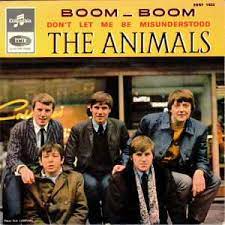
Don't Let Me Be Misunderstood is a classic song that was released by The Animals as a single in 1965 and appeared on their album "Don't Let Me Be Misunderstood." The song was written by Bennie Benjamin, Gloria Caldwell, and Sol Marcus and was originally recorded by Nina Simone in 1964.
"Don't Let Me Be Misunderstood" became one of The Animals' most popular and enduring hits, and it has been covered by numerous artists over the years, including Elvis Costello and Santa Esmeralda.
What You'll Learn From This Lesson
Don't Let Me Be Misunderstood by The Animals is a classic example of the band's dramatic, blues-influenced 1960s sound. This acoustic guitar arrangement focuses on capturing the song's distinctive minor-key atmosphere through a recognizable opening riff, contrasting rhythm patterns and steady chord changes. Rather than relying on complicated lead guitar work, you'll learn how to create the song's tension and energy using rhythm and a few well-placed melodic notes.
The song is played in standard tuning with a capo on the 2nd fret, using the chords Am, Dm, G, F, E7 and C. You'll begin with a down-down-up-down-down strumming pattern, repeating it while incorporating the opening riff. As you move into the verses, the accompaniment changes to a simpler rhythm using all downstrokes, giving the vocals room to carry the melody. When the chorus arrives, you'll return to the original strumming pattern heard in the introduction.
The opening guitar riff is an important part of this arrangement, returning throughout the song and helping maintain its recognizable character. You'll learn how to move between the riff-based rhythm and the steady verse downstrokes without interrupting the flow. There is no separate lead guitar break to learn, making this a useful lesson for developing rhythm control, timing and the ability to switch between different accompaniment styles.
I recommend learning the six chord shapes first, then practicing the two rhythm patterns separately until each feels comfortable. Next, work on the opening riff and gradually combine it with the down-down-up-down-down pattern. Once you can move smoothly between the verses and choruses, bring everything together into a complete performance. If the vocals feel too high with the capo on the 2nd fret, simply remove it to lower the key and make the song more comfortable to sing.
Guitar Lesson Details - (chords & lyrics sheet incl with lesson)
Back To Song List
It's My Life - Learn To Play On Acoustic Guitar

It's My Life was released by The Animals as a single in 1965.
Written by Roger Atkins and Carl D'Errico, the song became another memorable recording from the band's British Invasion years.
With its defiant lyrics, distinctive bass-driven introduction and powerful vocals from Eric Burdon, the song showcased a harder-edged rock sound alongside the blues and R&B influences that helped define The Animals.
What You'll Learn From This Lesson
It's My Life by The Animals is a powerful 1965 rock classic built around a defiant attitude, memorable guitar riffs and a driving rhythm. This acoustic arrangement captures the song's raw British Invasion character by combining two recognizable riff patterns with changing strumming techniques. It's a rewarding lesson for players looking to move beyond basic chord accompaniment and develop the ability to blend rhythm guitar with melodic phrases.
The song is played in standard tuning, using the chords Dm, G, C, A#, D and F. The Animals' original recording is one fret higher than this arrangement, so you can place a capo on the 1st fret if you want to match the original key. The main strumming pattern follows down-down-up-down-up-down-up, repeated throughout the opening rhythm sections. As the song progresses, you'll introduce stronger downstroke accents on selected chords before eventually returning to the original strumming pattern.
You'll begin with a distinctive opening riff, followed by a second riff that blends melodic notes with rhythm guitar before the vocals enter. Both riffs return at different points during the song, making them essential to capturing its recognizable sound. Learning to move smoothly between these guitar phrases, the steady strumming and the accented downstrokes is one of the most valuable skills you'll develop in this arrangement.
I recommend starting with the six chord shapes and getting comfortable with the main down-down-up-down-up-down-up rhythm. Next, practice the accented downstroke sections and work on switching between the two rhythm approaches without losing the beat. Once those feel secure, learn each riff separately before blending them into the arrangement. Bringing the riffs and rhythm together will give you a confident, full-sounding acoustic version of this Animals classic.
Guitar Lesson Details - (chords & lyrics sheet incl with lesson)
Back To Song List
River Deep Mountain High - Learn To Play On Acoustic Guitar

River Deep - Mountain High was recorded by Eric Burdon and The Animals for their 1968 album Love Is.
Written by Phil Spector, Jeff Barry and Ellie Greenwich, the song was originally made famous by Ike & Tina Turner in 1966.
While the original recording is closely associated with Phil Spector's Wall of Sound production, The Animals brought their own powerful blues-rock approach to the song, featuring Eric Burdon's dramatic vocals and an energetic instrumental arrangement.
What You'll Learn From This Lesson
River Deep – Mountain High by The Animals is a powerful, high-energy soul-rock classic that translates into an exciting acoustic guitar arrangement. Originally made famous by Ike & Tina Turner, the song combines a driving beat with dramatic vocals and an infectious sense of momentum. This lesson focuses on capturing that energy with one guitar, using a steady rhythm, strategically placed riffs and a short picking break to bring the arrangement to life.
The song is played in Drop D tuning, using the chords D, G, A and C. The Animals perform it two frets higher, but this arrangement uses a lower key to make the vocals more comfortable. The main strumming pattern is a continuous down-up-down-up rhythm, with hammer-ons blended into the accompaniment for additional movement. You'll also learn where to introduce a more chopped, percussive rhythm to create contrast while maintaining the song's fast, driving feel.
The arrangement begins with an opening guitar riff, with additional riffs introduced throughout the song and blended into the rhythm playing. These melodic touches help capture the character of the original recording while keeping the accompaniment practical for a solo acoustic performance. There is also a short picking break in the middle of the song, giving you an opportunity to move from the driving chord rhythm into a more melodic guitar passage before returning to the main groove.
I recommend starting with the four chord shapes in Drop D tuning and getting comfortable with the steady down-up rhythm at a manageable tempo. Once that feels secure, introduce the chopped sections and hammer-ons without losing the beat. Next, learn the opening riff and gradually work the additional riffs into the rhythm. Save the middle picking break until the rest of the arrangement is comfortable, then bring everything together into a lively acoustic performance that maintains the song's energy from beginning to end.
Guitar Lesson Details - (chords & lyrics sheet incl with lesson)
Back To Song List
The House Of The Rising Sun - Learn To Play On Acoustic Guitar

The House of the Rising Sun is perhaps the most famous song recorded by The Animals. The song was released as a single in 1964 and quickly became a massive hit, reaching the top of the charts in the UK, US, and several other countries.
The
song is a traditional folk song that tells the story of a life gone
wrong in New Orleans, where a person must spend their life in a "house
of ill repute" called the Rising Sun.
The Animals' version of "The House of the Rising Sun" is a powerful and emotive rendition that features Eric Burdon's distinctive vocals and a haunting organ riff that drives the song forward.
What You'll Learn From This Lesson
The House of the Rising Sun by The Animals is one of the most recognizable songs of the 1960s, famous for its haunting minor-key progression and distinctive rolling guitar accompaniment. This acoustic arrangement combines arpeggiated notes with rhythm guitar, giving you the familiar sound of the original while introducing a stronger shuffle rhythm as the song develops. You'll also learn how to incorporate melodic lead guitar passages and recreate the memorable keyboard ending on your acoustic guitar.
The song is played in standard tuning, using the chords Am, C, D, F, E7 and Dm. You'll begin by combining individual arpeggio notes with rhythmic strumming, creating the flowing accompaniment that gives the song its recognizable character. As the arrangement progresses, you can introduce a more driving shuffle-style rhythm using root-down-up-down-down-down-down, adding greater intensity while maintaining the underlying chord progression.
Along with the two rhythm approaches, this lesson includes lead guitar passages blended into the accompaniment, allowing you to move between chord work and melodic picking without losing the song's flow. You'll also tackle a distinctive ending riff adapted from the original keyboard part, bringing another recognizable element of The Animals' recording into your acoustic performance. These additions help create a fuller arrangement while developing your ability to combine rhythm and lead guitar.
I recommend learning the six chord shapes first, then practicing the combination of arpeggio notes and rhythm strumming until the changes feel smooth and natural. Next, work on the separate shuffle pattern, gradually building the intensity without rushing the tempo. Once both rhythm approaches are comfortable, introduce the lead passages and practice blending them into the accompaniment. Finish by learning the keyboard-inspired ending riff, bringing all the elements together for a complete and expressive acoustic performance.
Guitar Lesson Details - (chords & lyrics sheet incl with lesson)
Back To Song List
We Gotta Get Out Of This Place - Learn To Play On Acoustic Guitar

We Gotta Get Out Of This Place was released by The Animals in 1965, reaching #2 on the UK Singles Chart and #13 on the Billboard Hot 100.
Written by the legendary songwriting team of Barry Mann and Cynthia Weil, the song tells the story of a young couple desperate to escape their bleak, working-class surroundings and find a better life. Eric Burdon's powerful vocals, Chas Chandler's memorable bass line and the band's driving arrangement helped turn it into a defining anthem of the era.
The song also became particularly popular among American soldiers serving in Vietnam, who connected with its message of frustration, longing and the determination to escape difficult circumstances.
What You'll Learn From This Lesson
We Gotta Get Out of This Place by The Animals is a powerful 1960s rock classic, remembered for its memorable bass line, dramatic vocals and an unforgettable chorus. This acoustic guitar arrangement captures the song's driving character by combining a recurring bass riff with a steady rhythm pattern that opens up during the chorus. It's an excellent lesson for developing your ability to move between bass-oriented picking and chord strumming while maintaining a strong, consistent groove.
The Animals originally performed this song in the key of C, but this arrangement is played in A to make the vocals more comfortable. You'll use standard tuning with the chords A7, D, G, A, E and Bm. If you prefer to match the original key, simply place a capo on the 3rd fret while using the same chord shapes. During the verses, the accompaniment revolves around a repeating bass riff with brief downstrokes on the A7 chord. When the chorus arrives, you'll switch to a fuller down-down-up-down-up-down-up strumming pattern, giving the song its recognizable lift in energy.
The recurring bass riff is the signature feature of this arrangement, appearing in the introduction and continuing beneath the vocals throughout the verses. Learning to maintain this bass movement while singing is one of the most valuable skills you'll develop, since it requires coordination between your picking hand, chord changes and vocal phrasing. The transition into the chorus provides another useful challenge as you move from the bass-driven accompaniment into steady rhythm guitar. There is no separate lead guitar break, keeping the focus on the bass riff, rhythm and overall performance.
I recommend learning the six chord shapes first, followed by the down-down-up-down-up-down-up chorus rhythm until the changes feel comfortable. Next, work on the opening bass riff separately, repeating it until you can play it smoothly without hesitation. Once the riff feels natural, begin introducing the vocals while keeping the bass notes steady and adding the brief A7 downstrokes. Finally, practice moving between the bass-driven verses and the fuller chorus rhythm, bringing everything together into a confident acoustic performance.
Guitar Lesson Details - (chords & lyrics sheet incl with lesson)
Back To Song List
Frequently Asked Questions About The Animals Guitar Lessons
1. Are The Animals songs difficult to play on acoustic guitar?
The Animals have several songs that are approachable for beginners who already know a few basic chords, although some arrangements introduce more challenging techniques. Don't Let Me Be Misunderstood is a good starting point for developing steady rhythm and chord changes, while The House of the Rising Sun introduces arpeggio picking. Songs like Boom Boom and River Deep – Mountain High offer additional challenges with blues riffs, hammer-ons and lead guitar passages.
2. Which Animals song should I learn first?
I'd recommend starting with Don't Let Me Be Misunderstood if you're comfortable with basic chords and strumming. Its combination of rhythm patterns and a recognizable opening riff makes it a useful introduction to the band's style. If you're interested in developing your picking technique, The House of the Rising Sun is another excellent choice. You can then progress to the more riff-oriented arrangements as your confidence grows.
3. Do I need a capo to play these Animals songs?
Not necessarily. Several arrangements can be played without a capo, while others use one to match the original recording or accommodate a particular vocal range. For example, Boom Boom uses a capo on the third fret to match the original key, while Don't Let Me Be Misunderstood uses the second fret. We Gotta Get Out of This Place is taught in A for more comfortable singing, with the option of placing a capo on the third fret to return to the original key of C. Each lesson explains the appropriate setup.
4. Can I play The Animals' songs on one acoustic guitar?
Absolutely. These lessons are arranged for a single acoustic guitar, combining chord rhythms with recognizable riffs, bass movement and melodic passages where appropriate. We Gotta Get Out of This Place uses a recurring bass riff during the verses, while It's My Life blends guitar riffs into the rhythm. The goal is to capture the character of the original recordings without needing a full band or a second guitarist.
5. Do these lessons include guitar riffs and lead guitar?
Yes, several arrangements include recognizable riffs and short lead passages. Boom Boom features blues-style riffs and a short lead break, River Deep – Mountain High includes multiple riffs and a picking section, and The House of the Rising Sun combines arpeggio playing with melodic lead work and a keyboard-inspired ending riff. Other songs, such as Don't Let Me Be Misunderstood and We Gotta Get Out of This Place, focus more on their distinctive rhythm and recurring guitar or bass figures.
6. What guitar techniques will I learn from these six songs?
Across the collection, you'll explore steady rock strumming, blues-style rhythm chops, hammer-ons, arpeggio picking, bass riffs, lead guitar passages and Drop D tuning. You'll also practice switching between rhythm patterns, blending riffs into chord accompaniment and maintaining a steady groove while singing. These are useful skills that extend well beyond The Animals' music and can be applied to many other classic rock and blues songs.
The Animals helped shape the sound of British blues-rock during the 1960s, leaving behind a collection of memorable songs that continue to resonate with music fans today.
Whether you're drawn to their blues influences, powerful melodies or unmistakable rock rhythms, these six acoustic guitar lessons offer an enjoyable way to explore their music. Browse the individual lessons above, choose a favorite and start learning some of the songs that made The Animals an important part of British rock history.
If You Enjoyed These Animals Guitar Lessons, You Might Also Like...


Popular Songs From The 60s

Kirby Swinemar is an acoustic guitar instructor, performer and song arranger who has taught online for 21 years and created more than 4,000 original acoustic guitar lessons. He specialises in song-based acoustic guitar instruction, rhythm guitar techniques, and creating full-sounding solo arrangements that help beginner and intermediate players move beyond basic strumming.
Explore his work at Kirby's Guitar Lessons, visit his YouTube Channel and Facebook Page, or learn more about Kirby on his About Me page.
Latest 100 Tutorials
© 2019–2026 KirbysGuitarLessons.com — All Rights Reserved