Doobie Brothers Guitar Lessons – 7 Acoustic Songs to Learn

The Doobie Brothers blended rock, soul and country into a distinctive sound built around driving rhythms, memorable melodies and rich vocal harmonies. Their music offers plenty of variety for acoustic guitar players, from the upbeat shuffle of Listen to the Music and the rock rhythms of China Grove to the laid-back country-rock feel of South City Midnight Lady.
Explore these seven acoustic guitar lessons, featuring chord progressions, strumming patterns, bass runs, picking techniques and guitar riffs. Whether you're working on the Drop D arrangement of Black Water or exploring the smooth pop-soul sound of Michael McDonald's I Keep Forgettin', you'll find practical guidance to help bring these songs to life on one acoustic guitar.
🎸 Overview Video - “Best Doobie Brothers Guitar Songs”
performance clips taken directly from the complete lesson videos.
Click Play, then drag the timeline to quickly preview any Doobie Brothers lesson featured on this page.
Note: Every arrangement has been personally created, recorded and taught by Kirby
using teaching methods refined through decades of acoustic guitar instruction.
What's Included With Every Lesson
📦 Your Lesson Package Includes
✓ 8–12 minute HD video lesson so you can learn each song step-by-step.
✓ Printable chords & lyrics PDF for easy practice away from the screen.

✓ Instant download—start playing in minutes.
✓ Learn at your own pace on any device.
New to The Doobie Brothers?
If you're new to playing The Doobie Brothers on acoustic guitar, a good place to begin is South City Midnight Lady. Its steady down-up strumming pattern and occasional bass runs provide a comfortable introduction to the band's softer country-rock sound. From there, try Listen to the Music, where a shuffle rhythm, bass runs and short guitar riffs help create that familiar Doobie Brothers groove.
Once you're comfortable with those rhythms, move on to Jesus Is Just Alright for its energetic shuffle strumming, opening guitar riff and contrasting slower section with bass runs and improvised lead. Tell Me What You Want offers another direction, using alternative chord shapes in standard tuning, a repeating shuffle rhythm and several hammer-ons.
For a different guitar sound, explore Black Water and China Grove, both of which use Drop D tuning. Black Water combines arpeggio picking, slides and changing strumming patterns, while China Grove introduces driving rock rhythms, bass notes and an acoustic lead break.
Finally, I Keep Forgettin' brings Michael McDonald's smooth pop-soul style into the mix, with a varied chord progression, steady strumming and a few hammer-ons. It's a nice way to explore another side of the music associated with The Doobie Brothers.
Doobie Brothers Guitar Lessons Included On This Page
China Grove Guitar Lesson
I Keep Forgettin' (Every Time You're Near) Guitar Lesson
Jesus Is Just Alright Guitar Lesson
Listen To The Music Guitar Lesson
South City Midnight Lady Guitar Lesson
Tell Me What You Want Guitar Lesson
🎁 Free Lesson Preview
Watch free guitar lesson demos for Black Water and Jesus Is Just Alright by The Doobie Brothers.Black Water - Learn To Play On Acoustic Guitar

Black Water was released in 1974 on The Doobie Brothers' album What Were Once Vices Are Now Habits. Written and sung by guitarist Patrick Simmons, the song was inspired by the Mississippi River and the musical atmosphere of New Orleans.
Originally appearing as the B-side of "Another Park, Another Sunday," it unexpectedly gained popularity when radio stations in Virginia began playing it. On March 15, 1975, "Black Water" became the band's first #1 hit on the Billboard Hot 100. Its relaxed acoustic guitar,
Southern influences and distinctive a cappella vocal ending helped set it apart from the band's harder-rocking material. The song remains one of The Doobie Brothers' most recognizable recordings.
What You'll Learn From This Lesson
For my acoustic guitar arrangement of Black Water by The Doobie Brothers, I use Drop D tuning, which is required for this particular arrangement rather than optional. The chords are Am7, D, G, A#, A and Em. The opening sections combine arpeggio picking with slides between the Am7 and Em chords, continuing through to the G chord in the chorus. On the A# chord, the rhythm switches to a down-up-down-up, up-down-up pattern, giving the song a different rhythmic feel. Later, the accompaniment changes again to a repeating down-down-up-down-up pattern. There are also several short lead guitar sections throughout the arrangement that help capture the song's distinctive character.
Start by learning the chords and working through the arpeggio picking sections, paying particular attention to the slides and smooth chord transitions. Next, practise the two strumming patterns and their changes before tackling the individual lead guitar parts. Coordinating the arpeggio picking with the vocals may take some additional practice, so getting that picking pattern comfortable before adding the singing will make the arrangement flow more naturally.
Guitar Lesson Details - (chords & lyrics sheet incl with lesson)
Back To Song List
China Grove - Learn To Play On Acoustic Guitar

China Grove released in 1973 on The Doobie Brothers' third album, The Captain and Me, and reached #15 on the Billboard Hot 100.
Written and sung by Tom Johnston, the song features one of the band's most recognizable electric guitar riffs. Johnston developed the music before writing the lyrics, which were partly inspired by a piano passage played by Little Feat keyboardist Bill Payne.
The song describes a fictionalized Texas town, complete with unusual characters and a colourful sheriff. Years later, Johnston discovered that China Grove was actually a real community near San Antonio! He believes he must have passed a road sign bearing the town's name while touring in 1972 without consciously remembering it.
What You'll Learn From This Lesson
For my acoustic guitar arrangement of China Grove by The Doobie Brothers, I use Drop D tuning with a capo on the 2nd fret, giving the guitar a fuller sound when playing this classic rock number with one instrument. The chords include D, C, B, G, Bm, A, G#, A#, Em, Esus, E and Gb. The rhythm begins with a series of downstrokes before switching to alternating down-up strumming, creating the driving rock groove that gives the song its energy. Several additional rhythm changes occur throughout the arrangement, all of which are demonstrated in the full lesson. I also incorporate bass notes and an acoustic lead break to help capture the distinctive sound of the original recording.
Start by learning the chord progression and getting comfortable with the different rhythm sections, paying attention to the changes in strumming patterns. Next, work the bass notes into the accompaniment while maintaining a steady groove. Once those elements are flowing smoothly, focus on the acoustic lead break and bring everything together into a complete performance.
Guitar Lesson Details - (chords & lyrics sheet incl with lesson)
Back To Song List
I Keep Forgettin' (Every Time You're Near) - Learn To Play On Acoustic Guitar

I Keep Forgetting (Every Time You're Near) was released in 1982 as the lead single from Michael McDonald's debut solo album, If That's What It Takes. Following his successful years with The Doobie Brothers, McDonald co-wrote the song with Ed Sanford, creating a smooth blend of pop, soul and R&B.
It reached #4 on the Billboard Hot 100 and featured an impressive group of session musicians, including Steve Lukather, Jeff Porcaro and bassist Louis Johnson. Because the composition resembled Chuck Jackson's 1962 recording of "I Keep Forgettin'," songwriters Jerry Leiber and Mike Stoller also received writing credits.
The song became McDonald's signature solo hit and was later sampled in Warren G and Nate Dogg's 1994 hit "Regulate."
What You'll Learn From This Lesson
For my acoustic guitar arrangement of I Keep Forgettin' by Michael McDonald, I use standard tuning with the chords Em, D, Cmaj7, Am7, Bm, D7sus, G#, G, Adim and Gbm. The accompaniment follows a repeating down-down-down-up-down-up strumming pattern, providing a steady rhythmic foundation for this smooth R&B and pop-soul classic. There are also a few hammer-ons incorporated throughout the song to add some musical movement to the chord progression. No separate lead guitar work is required for this arrangement.
Start by learning the chord shapes and practising the transitions between them, particularly the less familiar chords. Next, work on the down-down-down-up-down-up rhythm pattern until you can maintain a consistent groove throughout the song. Once the chord changes and strumming are comfortable, add the individual hammer-ons demonstrated in the lesson to complete the acoustic arrangement.
Guitar Lesson Details - (chords & lyrics sheet incl with lesson)
Back To Song List
Jesus Is Just Alright - Learn To Play On Acoustic Guitar
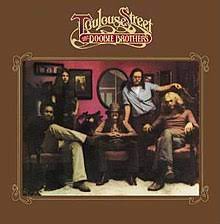
Jesus Is Just Alright was written by gospel musician Arthur Reid Reynolds and first recorded by The Art Reynolds Singers in 1966. The Byrds introduced the song to rock audiences with their 1969 recording, which later inspired The Doobie Brothers to develop their own version.
Released on the band's 1972 album Toulouse Street, the song reached #35 on the Billboard Hot 100 in early 1973. The Doobies added powerful electric guitar, Hammond organ and a distinctive slower middle section featuring Patrick Simmons on lead vocals.
Produced by Ted Templeman, their energetic arrangement transformed the gospel original into a classic rock favourite while preserving its uplifting message. It remains one of the band's best-known concert performances.
What You'll Learn From This Lesson
For my acoustic guitar arrangement of Jesus Is Just Alright by The Doobie Brothers, I use standard tuning with the chords Am, E7, C and D7. The song opens with a recognizable guitar riff before launching into a fast-paced, high-energy shuffle strumming pattern that captures the driving rock and gospel feel of the original. The arrangement then shifts into a slower section featuring bass runs and improvised lead guitar, providing a change of pace before returning to the energetic shuffle rhythm for the finish. This combination of rhythm changes, bass movement and lead playing gives the song plenty of musical variety on one acoustic guitar.
Start by learning the four chords and getting comfortable with the shuffle rhythm, keeping the strumming steady and energetic. Next, work through the bass runs used during the slower section before focusing on the improvised lead guitar passages. Once those elements are comfortable, practise the transitions between the fast and slow sections to bring the entire arrangement together.
Guitar Lesson Details - (chords & lyrics sheet incl with lesson)
Back To Song List
Listen To The Music - Learn To Play On Acoustic Guitar

Listen To The Music was released in 1972 on The Doobie Brothers' second album, Toulouse Street. Written and sung by Tom Johnston, it became the band's first major hit, reaching #11 on the Billboard Hot 100 and #3 in Canada.
Johnston imagined world leaders gathering peacefully on a grassy hillside, setting aside their differences and simply enjoying music together. Inspired by the tensions of the Vietnam War era, the song expressed his belief that music could bring people together. Its distinctive acoustic guitar rhythm, uplifting harmonies and memorable chorus helped establish
The Doobie Brothers as a major rock act. Johnston reportedly called producer Ted Templeman in the middle of the night, convinced he'd written a hit.
What You'll Learn From This Lesson
For my acoustic guitar arrangement of Listen to the Music by The Doobie Brothers, I use Drop D tuning with a capo on the 1st fret, rather than the 3rd fret, which puts the song too high for my vocal range. Drop D provides a deeper, fuller acoustic sound while also allowing for some of the bass runs used throughout the arrangement. The chords are D, G, Bm, A, E and C, played with a steady shuffle strumming pattern that captures the relaxed but driving rhythm of this classic Doobie Brothers song. There are a few rhythmic stops and bass runs that add variety to the accompaniment, along with several short guitar riffs blended into the chord strumming. There is no separate lead guitar break required for this arrangement.
Start by learning the chord progression and getting comfortable with the steady shuffle rhythm, keeping the groove consistent as you move between chords. Once the rhythm is flowing naturally, go back and add the bass runs, rhythmic stops and individual riffs to give the arrangement its distinctive character.
Guitar Lesson Details - (chords & lyrics sheet incl with lesson)
Back To Song List
South City Midnight Lady - Learn To Play On Acoustic Guitar

South City Midnight Lady was written and sung by Patrick Simmons for The Doobie Brothers' 1973 album The Captain and Me. Inspired by South San Francisco rather than a particular woman, the song offers a gentler, more reflective contrast to the band's harder-rocking material.
Its arrangement features acoustic guitar, piano, rich vocal harmonies and pedal steel guitar played by Jeff "Skunk" Baxter, then a member of Steely Dan. Baxter would officially join
The Doobie Brothers in 1974. Although never released as a major single, the song became a favourite among devoted fans and the band themselves. Simmons has described it as an album track that held special meaning for the musicians, despite its limited commercial potential.
What You'll Learn From This Lesson
For my acoustic guitar arrangement of South City Midnight Lady by The Doobie Brothers, I use standard tuning with the chords G, D, C, G6, A#, Am7, Eb and F. The accompaniment follows a steady down-up-down-up strumming pattern, creating the relaxed, flowing country-rock rhythm that suits this softer Doobie Brothers song. A few bass runs are worked into the arrangement to add movement between the chords while maintaining a smooth, consistent groove. There is no lead guitar work required, allowing the focus to remain on the rhythm, chord transitions and vocal accompaniment.
Start by learning the chord progression and getting comfortable with the steady down-up strumming pattern. Once the chord changes are flowing naturally, work in the individual bass runs while keeping the rhythm consistent throughout the song.
Guitar Lesson Details - (chords & lyrics sheet incl with lesson)
Back To Song List
Tell Me What You Want - Learn To Play On Acoustic Guitar

Tell Me What You Want (And I'll Give You What You Need) was written by Patrick Simmons and released on The Doobie Brothers' fourth studio album, What Were Once Vices Are Now Habits, in 1974. Produced by Ted Templeman, the song highlights the band's softer, country-rock influences rather than the driving sound of hits like "China Grove."
Its arrangement features acoustic guitar textures, layered vocals and unusual percussion, including marimba and tabla played by session musician Milt Holland. Jeff "Skunk" Baxter also contributed guitar before becoming a full-time member of the band.
Although it was never released as a commercial single, the song remains an interesting example of the musical variety found on the album that also produced their first #1 hit, "Black Water."
What You'll Learn From This Lesson
For my acoustic guitar arrangement of Tell Me What You Want by The Doobie Brothers, I use standard tuning rather than the Open G tuning associated with the original song. Since I don't teach open-tuning arrangements, I've worked out an alternative set of chords based on what I'm hearing in the recording. These include D/G, C/G, F/A, G, Gmaj7, Gsus and C. The rhythm follows a repeating down-down-up-down-up-down-up strumming pattern, creating a steady shuffle groove that carries the song along. I also incorporate several short guitar riffs and hammer-ons into the rhythm playing, adding movement and character to the acoustic accompaniment without interrupting the overall groove.
Start by learning the alternative chord shapes and getting comfortable with the repeating shuffle rhythm. Once the chord changes and strumming pattern are flowing smoothly, begin adding the individual riffs and hammer-ons demonstrated throughout the lesson. The goal is to bring these elements together into a consistent, full-sounding acoustic arrangement while remaining in standard tuning.
Guitar Lesson Details - (chords & lyrics sheet incl with lesson)
Back To Song List
Frequently Asked Questions About The Doobie Brothers Guitar Lessons
Which Doobie Brothers song should I learn first on acoustic guitar?
South City Midnight Lady is a good starting point if you want to concentrate on steady strumming and smooth chord changes. The arrangement uses a repeating down-up rhythm with a few bass runs. Listen to the Music is another good choice for developing a shuffle rhythm while incorporating short riffs into your playing.
Do I need to use Drop D tuning for these Doobie Brothers guitar lessons?
Two arrangements use Drop D tuning: Black Water and China Grove. Black Water requires Drop D for the arrangement I teach, while China Grove uses Drop D with a capo on the 2nd fret. The other five lessons are taught in standard tuning.
Do any of these Doobie Brothers songs require a capo?
Yes. China Grove uses a capo on the 2nd fret, while Listen to the Music uses a capo on the 1st fret. I use the 1st fret for Listen to the Music because placing the capo on the 3rd fret puts the song too high for my vocal range. The remaining arrangements don't specify a capo.
Which Doobie Brothers lessons include guitar riffs or lead guitar?
Several arrangements include additional guitar work beyond basic strumming. Black Water features arpeggio picking, slides and lead guitar sections, while China Grove includes bass notes and an acoustic lead break. Jesus Is Just Alright has an opening riff, bass runs and improvised lead guitar. Listen to the Music and Tell Me What You Want incorporate short riffs into the rhythm, without requiring a separate lead break.
Can I play Tell Me What You Want without using Open G tuning?
Yes. Although Tell Me What You Want is associated with Open G tuning, my lesson uses standard tuning with an alternative set of chords, including D/G, C/G, F/A, G, Gmaj7, Gsus and C. The arrangement also includes a repeating shuffle rhythm, short riffs and hammer-ons.
Are these Doobie Brothers guitar lessons suitable for playing and singing with one acoustic guitar?
Yes. These arrangements are designed around one acoustic guitar accompanying the vocals, using a combination of strumming, picking, bass runs, riffs and lead passages where appropriate. Each lesson explains the chords and guitar techniques used in my arrangement so you can work through the individual parts before bringing everything together.
From the energetic shuffle of Jesus Is Just Alright to the flowing acoustic picking of Black Water, The Doobie Brothers' music offers plenty of opportunities to develop your rhythm guitar playing. These lessons cover a variety of techniques, including Drop D tuning, shuffle strumming, bass runs, hammer-ons and acoustic lead guitar, giving you different ways to explore the band's distinctive sound.
Take your time learning the chords and rhythm patterns, then work in the riffs, picking passages and lead sections as you become more comfortable with each arrangement. Keep practising, enjoy the music and have fun bringing these classic songs to life on your acoustic guitar.
If you liked this best Doobie Brothers guitar songs page you might also like ... (click images)

Acoustic Versions Of Rock Songs

Kirby Swinemar is an acoustic guitar instructor, performer and song arranger who has taught online for 21 years and created more than 4,000 original acoustic guitar lessons. He specialises in song-based acoustic guitar instruction, rhythm guitar techniques, and creating full-sounding solo arrangements that help beginner and intermediate players move beyond basic strumming.
Explore more of Kirby's work at Kirby's Guitar Lessons, watch his performances and tutorials on his YouTube Channel or follow him on Facebook. You can also learn more about his teaching background on the About Me page.
Latest 100 Tutorials
© 2019–2026 KirbysGuitarLessons.com — All Rights Reserved