Best REO Speedwagon Guitar Songs to Learn and Play

If you love classic rock ballads and powerful melodies, these REO Speedwagon guitar lessons are a must. This page highlights 9 of the band's most iconic tracks—each carefully selected for acoustic players who want to master their signature rhythm styles.
Whether you're into rock anthems like Ridin' the Storm Out or emotional favorites like Keep On Loving You, you'll find step-by-step lessons, strumming tips, and chord guidance right here.
Scroll through the list below, watch the demo video snippets, and grab the full lesson pack to start learning today.
🎸 Watch the REO Speedwagon Guitar Lessons Overview
performance clips taken directly from the complete lesson videos.
Click Play, then drag the timeline to quickly preview any REO Speedwagon lesson featured on this page.
Note: Every arrangement has been personally created, recorded and taught by Kirby
using teaching methods refined through decades of acoustic guitar instruction.
What's Included With Every Lesson
📦 Your Lesson Package Includes
✓ 8–12 minute HD video lesson so you can learn each song step-by-step.
✓ Printable chords & lyrics PDF for easy practice away from the screen.

✓ Instant download—start playing in minutes.
✓ Learn at your own pace on any device.
REO Speedwagon Guitar Lessons Included On This Page
Can't Fight This FeelingDon't Let Him Go
Keep On Lovin You
One Lonely Night
Ridin The Storm Out
Rock N Roll Star
Roll With The Changes
Take It On The Run
Time For Me To Fly
Can't Fight This Feeling - Learn To Play On Guitar
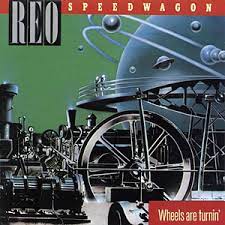
Can't Fight This Feeling was written by REO Speedwagon singer Kevin Cronin and appeared on the band's 1984 album Wheels Are Turnin'. Cronin has explained that the song grew from his feelings for a woman who had started out as a friend. He struggled to tell her that his feelings had become something more, making the story behind the song remarkably close to the emotions expressed in the lyrics.
Cronin initially had trouble completing the song, but once he recognized “Can't Fight This Feeling” as its central idea and title, he said the remaining section and chorus came together quickly.
Released as a single, it became REO Speedwagon's second No. 1 hit, following “Keep On Loving You,” and remains one of the band's signature recordings.
What You'll Learn From This Lesson
The original key for this song is in A, but sung on the high end of that key. Vocally for me it's too high and even when I take it down to a G, it's still too high. So my work around is to play this one with a capo 5th and singing on the low end. The chords I'm using here are G, Em, C, Dsus, D, Am, Am/Ab, D/Gb, F, E7, G6, Bm and a Cmaj7. There are two different patterns here which the first is down strokes to duplicate the piano intro and outtro and the second is a down down up down up and repeat. There is a lead break but in my version it's improvised.
Learn the chords and then the rhythm required to capture the piano intro, then add in the second rhythm pattern. Finally use my improvised picking break or add your own.
Guitar Lesson Details - (chords & lyrics sheet incl with lesson)
Back To Song List
Don't Let Him Go - Learn To Play On Guitar
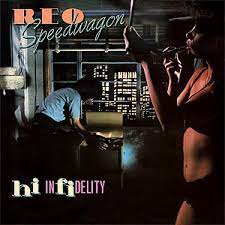
Don't Let Him Go was written by lead singer Kevin Cronin and appeared as the opening track on REO Speedwagon's hugely successful 1980 album Hi Infidelity. The song was one of four Top 40 hits from the album, alongside “Keep On Loving You,” “Take It on the Run” and “In Your Letter.”
Built around a driving rock rhythm and catchy chorus, the song finds the narrator describing a charming but troublesome man and urging his partner to give him time to grow rather than give up on him. That's a little different from the interpretation in our old history.
Hi Infidelity became REO Speedwagon's breakthrough album and eventually earned Diamond certification, while “Don't Let Him Go” remained part of the band's live repertoire and later appeared on several REO compilations and live releases.
What You'll Learn From This Lesson
I play this one in standard tuning with a simple down up down up down up rhythm pattern. Some lead in this one with the chords G, C, F, Em and a D.
Guitar Lesson Details - (chords & lyrics sheet incl with lesson)
Back To Song List
Keep On Lovin You - Learn To Play On Guitar
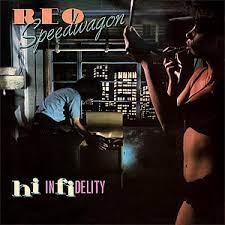
Keep On Lovin' You was written by REO Speedwagon lead singer Kevin Cronin and released on the band's hugely successful 1980 album Hi Infidelity. Cronin recalls waking in the middle of the night with three simple piano chords running through his head. He went into his home studio, sat down at an old Wurlitzer electric piano he'd owned since high school, and those chords became the foundation of the song.
Released as the first single from Hi Infidelity, “Keep On Loving You” became REO Speedwagon's first No. 1 hit and helped launch the band into a new level of mainstream success.
The album went on to become RIAA Diamond-certified and remains REO's defining commercial breakthrough, with “Keep On Loving You” one of its signature songs.
What You'll Learn From This Lesson
I play a drop D tuning in this one with a down down up down down up rhythm pattern with riffs and some lead. For chords you'll need a D, E, Gbm and an A.
Guitar Lesson Details - (chords & lyrics sheet incl with lesson)
Back To Song List
One Lonely Night - Learn To Play On Guitar
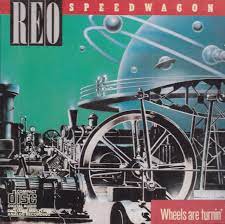
One Lonely Night was written by REO Speedwagon keyboardist Neal Doughty and appeared on the band's 1984 album Wheels Are Turnin'. Doughty's synthesizer work helps establish the song's atmospheric opening, while Kevin Cronin handles the lead vocal and acoustic guitar and Gary Richrath provides electric guitar.
The lyrics follow a man after an argument with his partner. Although he's initially convinced that he's in the right, the loneliness of the night gradually begins to wear him down, with the song suggesting that he may have risked losing someone special.
Released as a single in 1985, “One Lonely Night” reached No. 19 on the Billboard Hot 100 and No. 10 on Billboard's Adult Contemporary chart. It followed the enormous success of “Can't Fight This Feeling” and became another Top 20 hit from Wheels Are Turnin'.
What You'll Learn From This Lesson
There are several rhythm patterns in this one but you could get away with a down down up down up down up all the way through if you just wanted to pick one. Some lead required here in standard tuning with the chords Em, A, G, C, B7, F and a D.
Guitar Lesson Details - (chords & lyrics sheet incl with lesson)
Back To Song List
Ridin The Storm Out - Learn To Play On Guitar
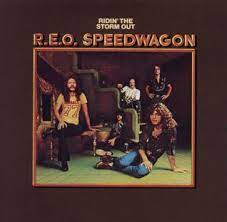
Ridin' the Storm Out was written by guitarist Gary Richrath and originally appeared as the title track of REO Speedwagon's 1973 album Ridin' the Storm Out. The original studio recording featured Mike Murphy on lead vocals, after Kevin Cronin left the band during the album sessions.
The song was inspired by a real adventure near Boulder, Colorado, where Richrath and Cronin went hiking in the mountains and were caught as a winter storm moved in. After making it safely back, Richrath approached Cronin the next morning with lyrics inspired by the experience.
After Cronin returned to REO, a live version appeared on the 1977 double album Live: You Get What You Play For. That version became the best-known recording and reached No. 94 on the Billboard Hot 100. Cronin has described “Ridin' the Storm Out” as an early theme song for the band, and it became a longtime concert-closing favorite.
What You'll Learn From This Lesson
For rhythm I play a down down up down up down up and then a steady down up down up pattern in standard tuning. Some lead required with the chords Am, D 6/9, C 6/9, D, F and a G.
Guitar Lesson Details - (chords & lyrics sheet incl with lesson)
Back To Song List
Rock N Roll Star - Learn To Play On Guitar
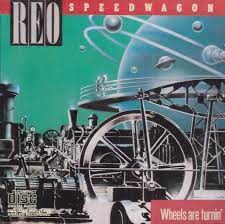
Rock N Roll Star appeared on REO Speedwagon's 1984 album Wheels Are Turnin' and was written by Kevin Cronin, Gary Richrath and Tom Kelly. The track features Cronin on lead vocals and acoustic guitar, Richrath on electric guitar, Bruce Hall on bass, Alan Gratzer on drums and Neal Doughty on organ.
Unlike the album's major ballads, “Can't Fight This Feeling” and “One Lonely Night,” this track shows the band's harder-rocking side, with lyrics centered on the attraction and mythology of becoming a rock 'n' roll star. Wheels Are Turnin' ultimately produced four Top 40 singles and became one of REO Speedwagon's most successful albums of the 1980s.
“Rock 'N Roll Star” wasn't one of those singles in the U.S.; however, it was used as the B-side of “I Do' Wanna Know.”
What You'll Learn From This Lesson
This one is played in standard tuning with a capo 4th fret and also has a few rhythm patterns but the main pattern is a down up stop/pause up down up stop/pause up and repeat rhythm pattern. Some lead blended into the chords which are G, C, D, F, and an Em.
Guitar Lesson Details - (chords & lyrics sheet incl with lesson)
Back To Song List
Roll With The Changes - Learn To Play On Guitar

Roll With The Changes was written by Kevin Cronin and released in 1978 on REO Speedwagon's album You Can Tune a Piano, but You Can't Tuna Fish. Cronin wrote the song during a major transition in his own life, while driving from Chicago to Los Angeles to rejoin REO Speedwagon after spending a couple of years away from the band.
During the trip, Cronin stopped at a truck stop in New Mexico. As ideas for the song began coming to him, he started writing lyrics on a brown paper bag, later joking that he was quite literally “rolling with the changes.” He also wrote the music for the song on piano.
Released as a single, “Roll With The Changes” reached No. 58 on the Billboard Hot 100 and became an important early breakthrough for the band. The album reached the Top 40 and eventually went double platinum in the U.S.
What You'll Learn From This Lesson
I play this number with a capo 2nd fret but vocally I have to sing it on the low end but if you have the pipes, sing it on the high end. In standard tuning with the chords A, D, G, Bm, Esus and an E will work here with minimal improvised lead. You could say this is mainly a fast shuffle rhythm song with a down down up down up down up down up down up down up down up and repeat pattern.
Guitar Lesson Details - (chords & lyrics sheet incl with lesson)
Back To Song List
Take It On The Run - Learn To Play On Guitar
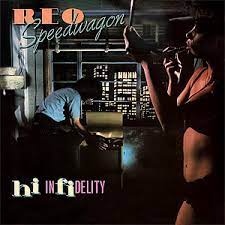
Take It On The Run was written by REO Speedwagon guitarist Gary Richrath and appeared on the band's hugely successful 1980 album Hi Infidelity. Released as the follow-up to “Keep On Loving You,” the song reached No. 5 on the Billboard Hot 100, giving REO back-to-back Top Five hits.
The song centers on rumors of an unfaithful relationship, beginning with the memorable idea of hearing the story from a friend who heard it from another friend. Richrath originally called the song “Don't Let Me Down,” but Kevin Cronin pushed for “Take It On The Run” as the title and helped develop some of the lyrics. The Hi Infidelity liner notes credit Richrath as the songwriter while also crediting Cronin with lyrical assistance.
What You'll Learn From This Lesson
I play this one in standard tuning but with a capo 2nd fret, but the original key has no capo. For rhythm I play a down down up down up down up and repeat rhythm pattern with some lead. The chords here are G, C, Dsus, D, D/Gb, Em and an Am.
Guitar Lesson Details - (chords & lyrics sheet incl with lesson)
Back To Song List
Time For Me To Fly - Learn To Play On Guitar

Time For Me To Fly was written by Kevin Cronin and released on REO Speedwagon's 1978 album You Can Tune a Piano, but You Can't Tuna Fish. The song had actually been developing for years before the band recorded the version we know today, with Cronin drawing on the emotions surrounding the end of an earlier relationship.
Released as a single, “Time For Me To Fly” reached No. 56 on the Billboard Hot 100. Although that chart position was modest compared with REO's later hits, the song became one of the band's enduring recordings. It even found a new audience in 2020 after being featured in the Netflix series Ozark, subsequently reaching No. 34 on Billboard's Digital Song Sales chart.
What You'll Learn From This Lesson
I play a drop D tuning in this arrangement with a down down up down up down - down up down up down up and repeat rhythm pattern. The chords here are D, G and A with some lead required.
Guitar Lesson Details - (chords & lyrics sheet incl with lesson)
Back To Song List
Whether you're just starting out or revisiting classic favorites, these REO Speedwagon songs are fun, rewarding, and perfect for improving your acoustic guitar technique. Every lesson is tailored for real-world players—with no fingerpicking required—and includes everything you need to start playing today.
Grab the full lesson pack, follow the rhythm tips, and bring these classic rock hits to life on your own guitar.
If you liked this best REO Speedwagon guitar songs page, you might also like ... (click images)


Acoustic Versions Of Rock Songs

Kirby Swinemar is an acoustic guitar instructor, performer and song arranger who has taught online for 21 years and created more than 4,000 original acoustic guitar lessons. He specialises in song-based acoustic guitar instruction, rhythm guitar techniques, and creating full-sounding solo arrangements that help beginner and intermediate players move beyond basic strumming.
Explore his work at Kirby's Guitar Lessons and on social media on his social media YouTube Channel and his Facebook Page. Learn more about Kirby on his About Me page.
Latest 100 Tutorials
© 2019–2026 KirbysGuitarLessons.com — All Rights Reserved